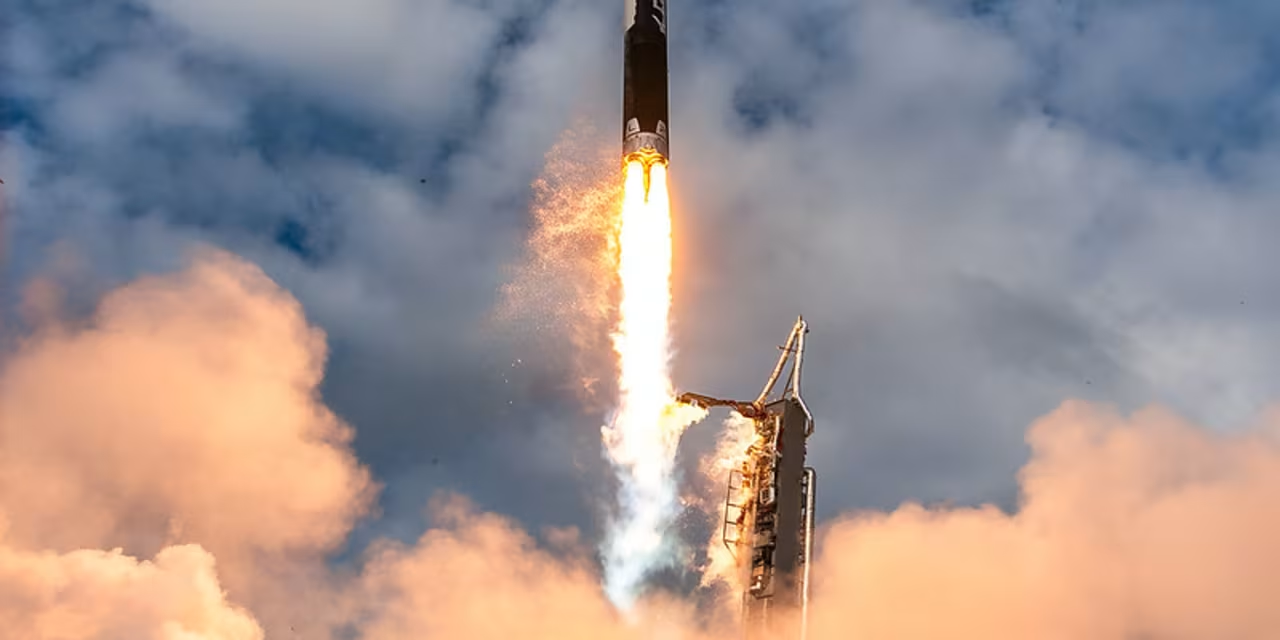
Firefly Aerospace reported strong Q3 sales exceeding expectations and projects significant growth by 2025, with its shares rising after the announcement, though it remains less valued than Rocket Lab despite similar growth prospects and a larger payload capacity with its Alpha rocket.
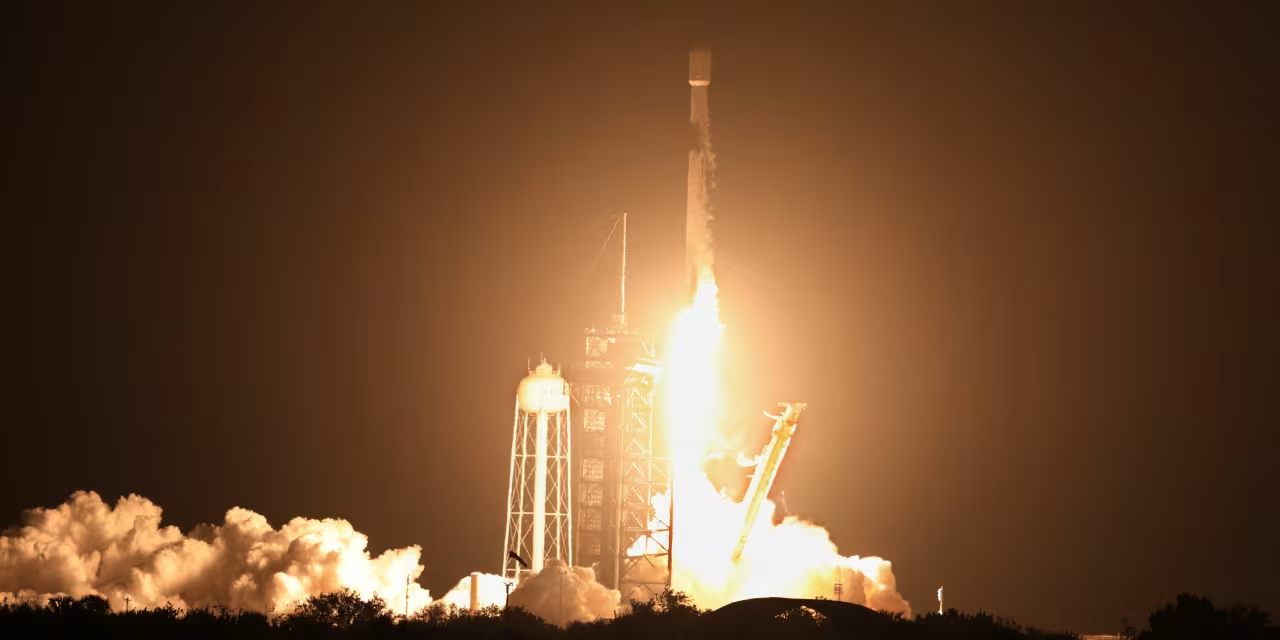
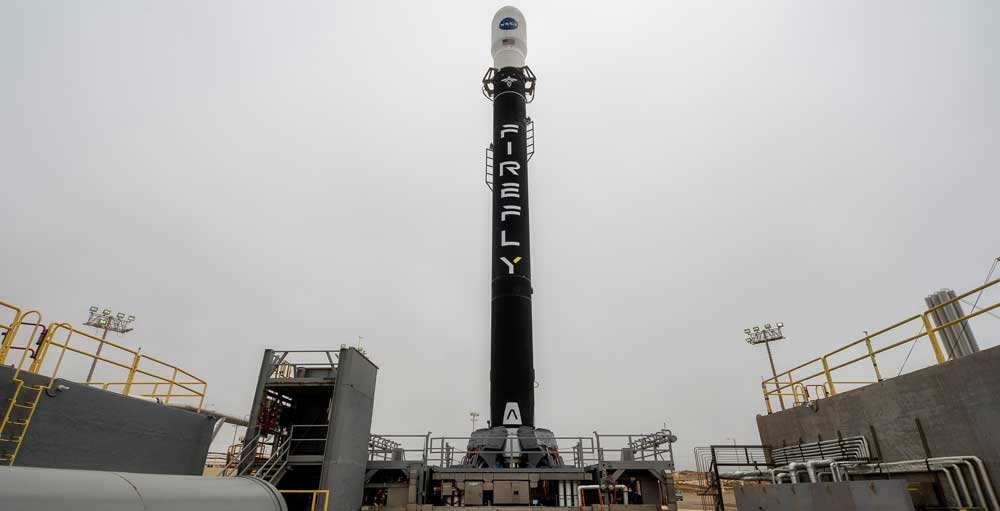
Firefly Aerospace's stock dropped over 20% after its Alpha Flight 7 rocket exploded during testing, raising concerns about its future launch schedule and reliability, despite the company's safety measures and ongoing projects. The incident adds to the challenges faced by space launch companies like SpaceX, impacting investor confidence and future revenue projections.
Firefly Aerospace's stock dropped 25% after a rocket explosion during a test, delaying its planned launch, while Canadian drone company Draganfly's stock rose 15% following a U.S. Army contract for its FPV drones.
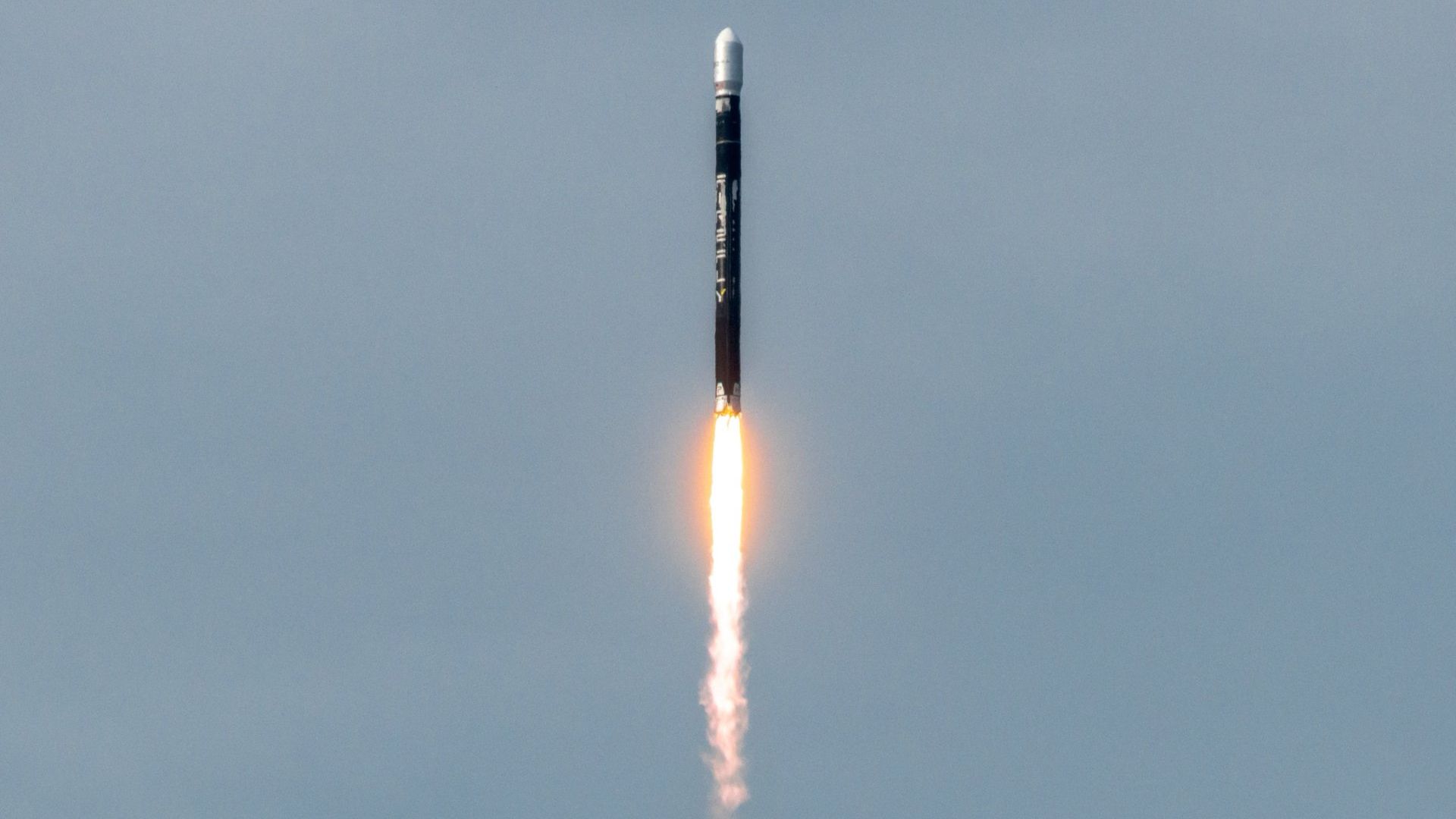
Firefly Aerospace's Alpha rocket experienced an explosion during a preflight test in Texas, marking another setback after a previous launch failure in April. The company is assessing the damage and plans to share future updates, with the next launch likely delayed.
Firefly Aerospace debuted on Nasdaq with a significant gain, opening at $70 per share and valuing the company over $12 billion, following its successful lunar landing mission. Rocket Lab and Kratos Defense are preparing to release earnings, with Rocket Lab expected to show revenue growth and Kratos forecasted for slight earnings decline. The space and defense sector remains active amid these developments.
Firefly Aerospace, notable for its successful moon landing, is going public on Nasdaq under the ticker 'FLY' after raising over $868 million, with plans to expand its space missions including landing on the far side of the moon and developing new spacecraft and rockets to meet growing demand in space exploration and satellite services.
The IPO market is rebounding with 202 IPOs in the U.S. this year, including notable companies like Figma, Firefly Aerospace, Klarna, StubHub, and others, with several more expected to go public in 2025, signaling renewed investor interest and market activity.
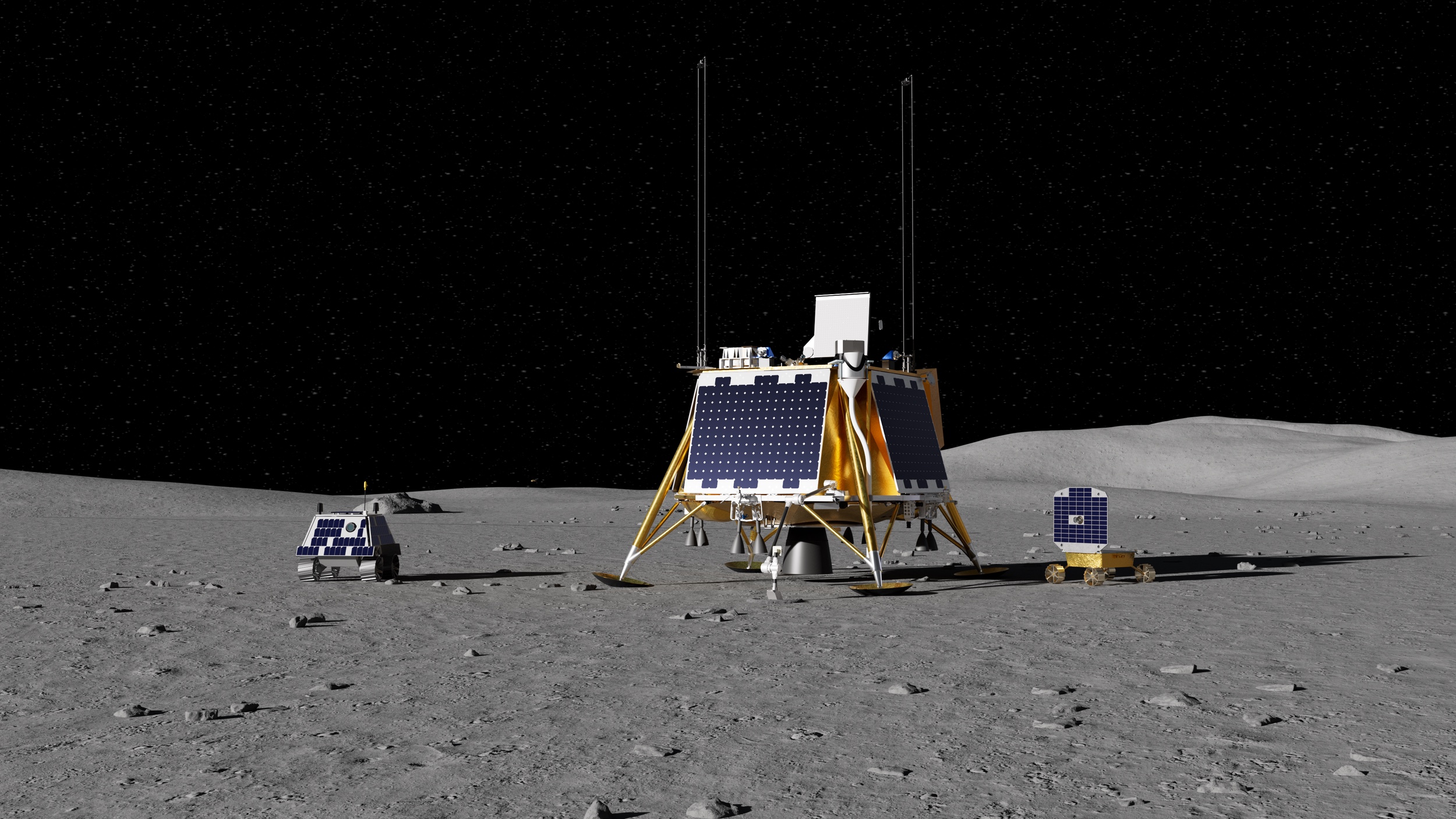
NASA awarded Firefly Aerospace a $177 million contract for a 2029 lunar mission to deploy multiple rovers and scientific instruments to explore the moon's south pole, aiming to study resources and environmental hazards to support future lunar and Mars exploration.
Firefly Aerospace is valued at $6 billion ahead of its IPO, planning to raise nearly $700 million by offering shares at $41-$43, with plans to list on NASDAQ under the ticker 'FLY'. The company, known for rockets and lunar landers, has seen revenue growth but is not yet profitable. Its valuation and upcoming IPO reflect the growing interest in the commercial space sector.
NASA has awarded Firefly Aerospace a fourth lunar lander mission, which will deliver two rovers and three scientific instruments to the moon's south polar region, continuing its efforts in lunar exploration.
Firefly Aerospace has filed paperwork to go public, aiming to raise funds and continue its development in the space industry, including its lunar lander projects.
Firefly Aerospace has filed a registration statement for an IPO on the Nasdaq under the ticker 'FLY', aiming to raise capital to support its space and defense technology initiatives, with details on share offerings and underwriters yet to be finalized.
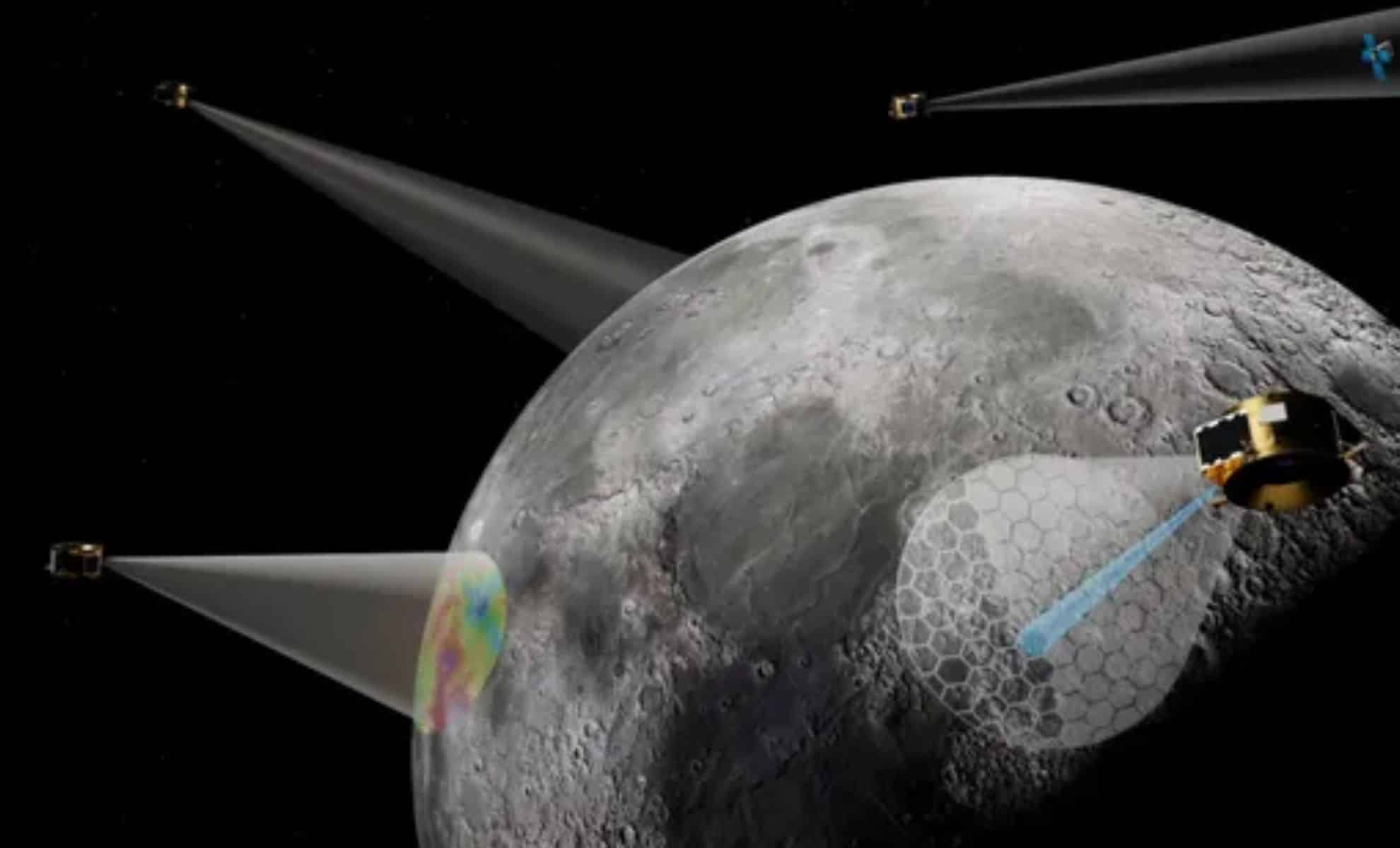
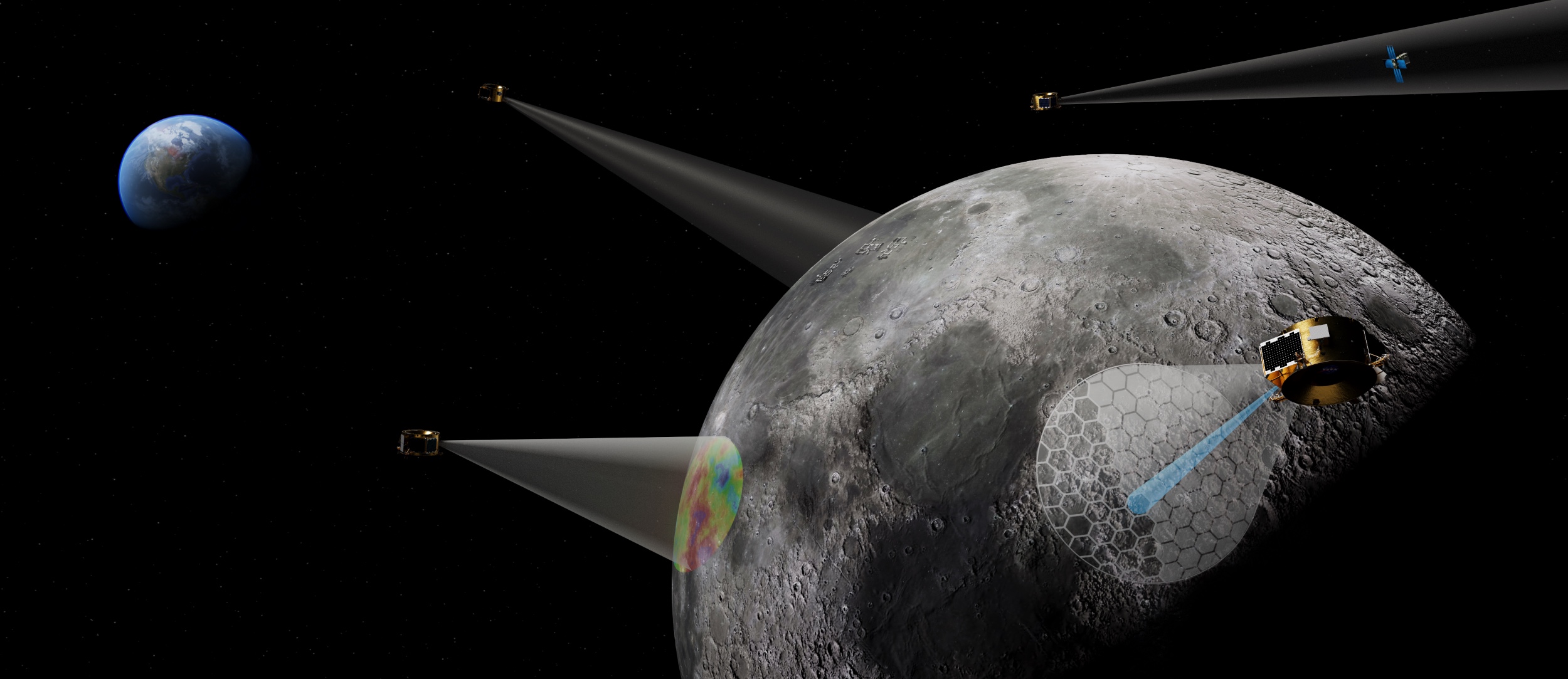
Firefly Aerospace is set to launch its Ocula moon-imaging service by 2026, utilizing high-resolution telescopes on Elytra spacecraft to provide detailed lunar surface images, aid in resource detection like helium-3, and support future lunar and planetary missions, with potential expansion to Mars.
Firefly Aerospace announced its Ocula service, offering high-resolution lunar and cislunar space imagery using telescopes on its Elytra spacecraft, aiming to supplement or replace aging NASA assets and support government and commercial needs with low-cost, high-quality data starting with missions in 2024 and 2028.
Firefly Aerospace announced its Ocula lunar imaging service, aiming to become the first commercial provider to offer high-resolution imagery of the Moon from lunar orbit, supporting upcoming missions including Blue Ghost 2 and future Mars exploration, with plans to develop a lunar orbit constellation and collaborate with Lawrence Livermore National Laboratory.