The article discusses the often overlooked severity of primary headaches like migraines and cluster headaches, highlighting the limited research funding, the stigma surrounding these conditions, and recent advances in treatment such as CGRP blockers, while emphasizing the profound impact these headaches have on sufferers' lives.
Certain foods like fatty fish, fiber-rich fruits and vegetables, magnesium-rich greens, and hydrating fruits may help reduce migraine frequency and severity, while common triggers include alcohol, chocolate, and processed meats. A balanced, nutrient-rich diet focusing on anti-inflammatory and hydrating foods, along with avoiding known triggers, can support migraine management, though individual responses vary.
Certain foods like omega-3-rich fish, magnesium-rich greens, ginger, nuts, seeds, cinnamon, vitamin B2 foods, turmeric, whole grains, and water-rich fruits may help alleviate headaches and migraines, while avoiding triggers such as processed foods, caffeine, gluten, and alcohol can prevent them. Personalized approaches are important, and maintaining hydration, stress management, and a healthy diet are key to headache relief.
Eating specific foods such as omega-3-rich fish, magnesium-rich greens, ginger, nuts, seeds, cinnamon, vitamin B2 foods, turmeric, whole grains, and water-rich fruits can help alleviate headache and migraine symptoms when combined with healthy habits like hydration, exercise, sleep, and stress management. Conversely, triggers like chocolate, cheese, alcohol, gluten, caffeine, and processed foods should be avoided to prevent worsening symptoms.
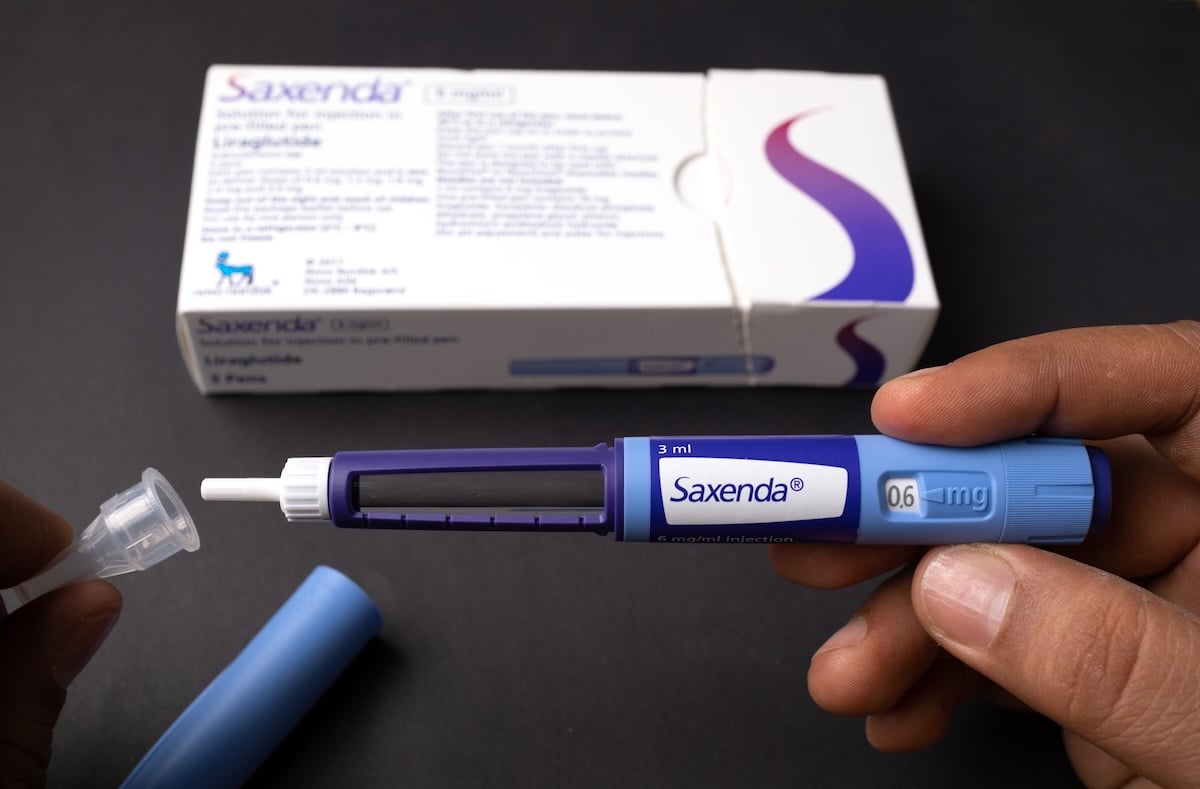
A small Italian study suggests that GLP-1 drugs like liraglutide, used for weight loss, may also significantly reduce the frequency and severity of chronic migraines, independent of weight loss, indicating a potential new off-label use for these medications. Further research is needed to confirm these findings.
A pilot study suggests that GLP-1 agonists like liraglutide, originally used for diabetes and weight loss, may significantly reduce the frequency of chronic migraines, potentially through mechanisms independent of weight loss, such as lowering intracranial pressure. Further research is needed to confirm these findings.
A pilot study suggests that GLP-1 receptor agonists like liraglutide, similar to Ozempic, may significantly reduce the frequency of chronic migraines, with some patients experiencing up to a 75% reduction, potentially through lowering intracranial pressure, though further research is needed.
Early research suggests that the GLP-1 agonist liraglutide, used for diabetes and obesity, may significantly reduce migraine days, potentially through mechanisms involving brain pressure and CGRP reduction, but larger, controlled studies are needed to confirm these findings.
A small study suggests that GLP-1 drugs like liraglutide, used for diabetes and weight loss, may significantly reduce migraine days by lowering brain pressure, with promising results for future larger trials.
A pilot study presented at the European Academy of Neurology congress suggests that GLP-1 agonists, drugs typically used for diabetes and obesity, may also significantly reduce migraine frequency by nearly half, possibly by lowering intracranial pressure.
Ronda Rousey revealed that her neurological problems, including vision loss and migraines triggered by head impacts, stem from a history of concussions and epilepsy, which worsened over her MMA career. With new medical insights and treatment, she is hopeful about improving her quality of life, though she likely won't return to fighting.
A viral TikTok hack suggesting that eating a meal of cola and fries can help manage migraines is discussed, but experts warn that migraines are complex neurological conditions with no simple cure. While caffeine in cola may temporarily help some, excessive consumption can trigger migraines or worsen the condition. Lifestyle changes and medical treatments like Botox and new medications show more promise, but there's no quick fix. The article emphasizes the importance of proper management and caution against unproven social media remedies.
Researchers from the University of North Carolina School of Medicine have found that calcitonin gene-related peptides (CGRP) may block cerebrospinal fluid drainage in the brain, contributing to migraine pain. Their study on mice showed that CGRP prevents fluid flow in the brain's lymphatic system, causing pressure and pain. This discovery helps explain the effectiveness of CGRP-targeting migraine treatments and suggests potential sex differences in migraine prevalence due to lymphatic dysfunction.
Researchers at UNC have discovered that the protein CGRP affects the brain's lymphatic system by preventing cerebrospinal fluid drainage, contributing to migraine pain. This finding could lead to new therapeutic strategies for migraines, though more research is needed to understand sex differences in migraine prevalence.