Early research suggests that the GLP-1 agonist liraglutide, used for diabetes and obesity, may significantly reduce migraine days, potentially through mechanisms involving brain pressure and CGRP reduction, but larger, controlled studies are needed to confirm these findings.
New data from a French academic trial published in the New England Journal of Medicine suggests the potential for treating Parkinson’s disease with a GLP-1 agonist, although the impact so far is modest and important questions remain. The study adds to the growing body of research indicating the potential of the GLP-1 drug class to treat a wide range of conditions beyond diabetes and obesity, including kidney and heart disease, sleep apnea, and depression.
Reports of unexpected pregnancies while using Ozempic and similar drugs have surfaced on TikTok, leading to speculation about potential interference with birth control. While the link between these medications and contraceptive effectiveness has been studied for years without evidence of conflict, anecdotal reports of 'Ozempic babies' are prompting further investigation. Experts suggest that the weight loss aspect of these drugs may play a role, as the relationship between body weight and fertility is well recognized. Doctors advise against using these drugs while attempting to conceive due to potential risks, and ongoing research aims to better understand their effects on fertility and other bodily processes.
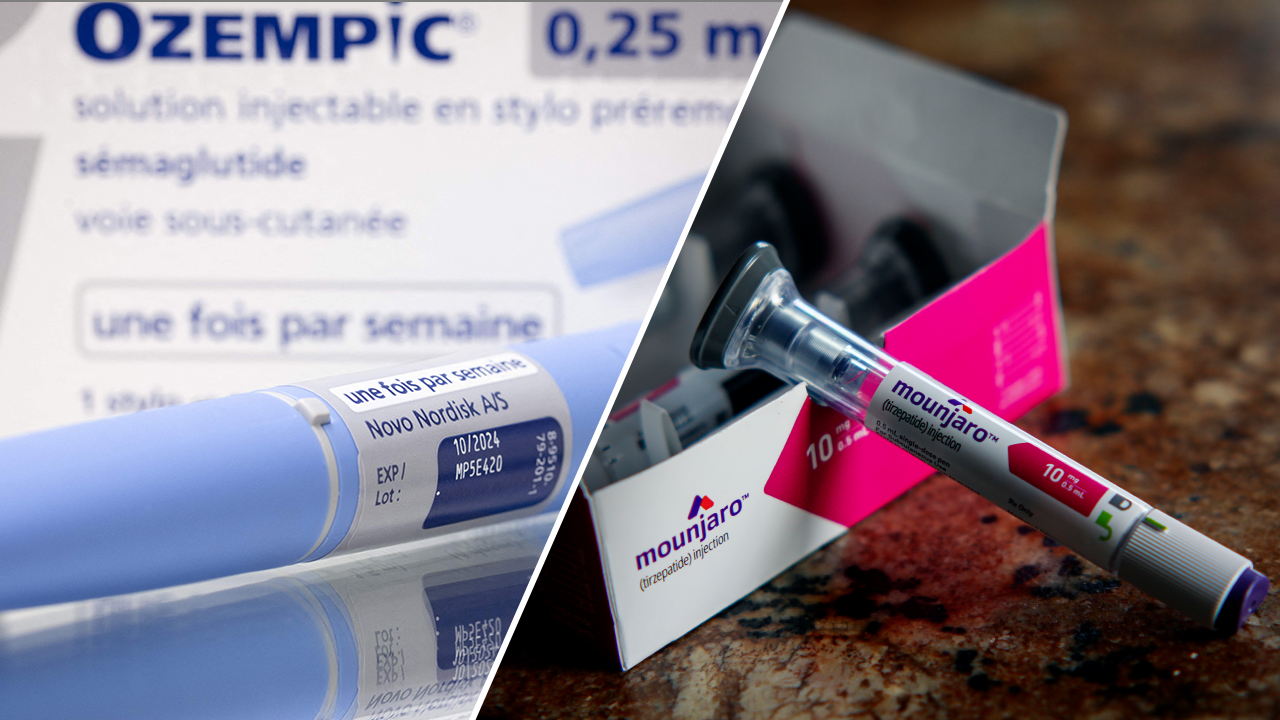
FDA Commissioner Dr. Robert Califf has raised concerns about the sale of fake weight loss drugs online, particularly compounded and counterfeit versions of GLP-1 agonist drugs like Ozempic and Mounjaro, which are approved for treating type 2 diabetes and obesity. The drugs, in high demand due to their weight loss effects, have experienced shortages, leading some users to seek alternatives online. The FDA has issued warning letters to online vendors for selling illicit versions of these drugs, emphasizing the risks of consuming unregulated and potentially harmful medications.
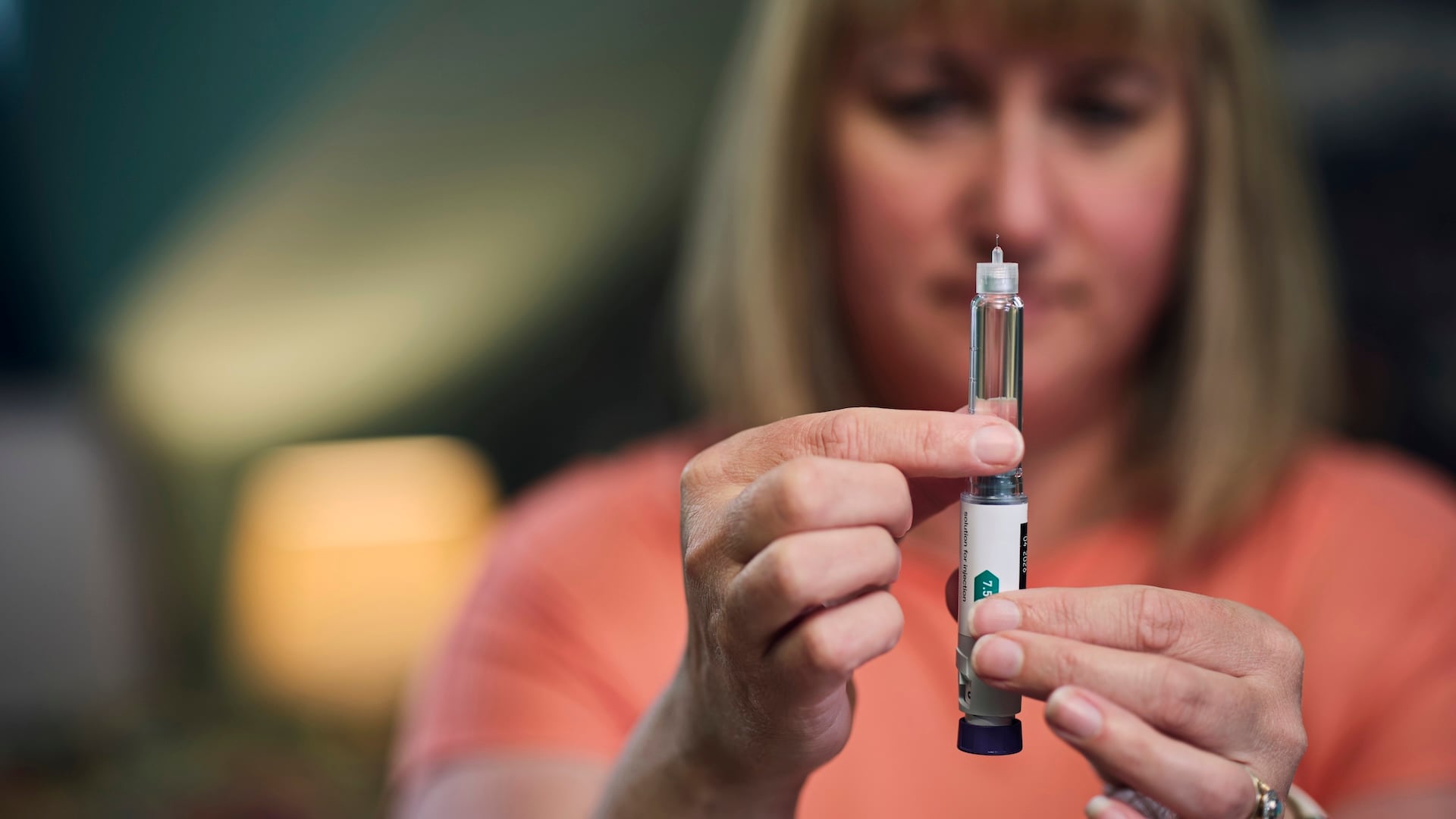
Scientists have engineered a novel long-acting GLP-1 agonist that could potentially lead to a longer-lasting treatment for type 2 diabetes. GLP-1 agonists help regulate blood glucose levels and decrease appetite, but their short half-life requires regular oral tablets or injections. By fusing GLP-1 with another protein, researchers have increased the compound's half-life, potentially allowing for longer intervals between treatments. However, further research and clinical trials are needed to confirm the safety and efficacy of these fusion proteins.
Ozempic, a brand name for semaglutide, is a drug that has gained popularity for its potential in weight loss. It is a GLP-1 agonist that works by increasing insulin secretion, reducing glucagon secretion, slowing stomach emptying, and reducing appetite. While it can help people alter their eating habits and lose weight, it is not a magical solution and requires lifestyle modifications for long-term success. Ozempic is primarily intended for those with type 2 diabetes or obesity patients who need to lose a significant amount of weight. Common side effects include nausea, vomiting, diarrhea, stomach pain, and constipation. There is also a potential risk of gastroparesis, but the FDA believes the benefits outweigh the risks. It's important to address any underlying psychological issues and prioritize nutrient-dense whole foods while taking the drug.
Eli Lilly's investigational oral daily nonpeptide GLP-1 agonist, Orforglipron, appears comparable with other injectable and oral agents in the class for treating obesity and type 2 diabetes, according to two new phase 2 studies. Orforglipron is a small molecule that isn't a peptide, so it isn't degraded in the gastrointestinal tract, making it more convenient for patients to take. The drug showed promising results in reducing body weight and A1c levels in patients with obesity and type 2 diabetes, respectively, and could potentially improve access to care for people with obesity who don't have the means to afford effective treatments.
Pfizer's GLP-1 agonist has shown potential for weight loss in people with type 2 diabetes, according to new Phase II data published in the JAMA network. The drug is part of a growing field of obesity drugs, many of which started as diabetes medications, and are expected to become the biggest drug class in history with more than $100 billion on the line.