Stopping GLP-1 weight-loss drugs causes weight regain four times faster than ending exercise, with most individuals returning to their original weight within 18 months, highlighting the need for long-term management strategies.
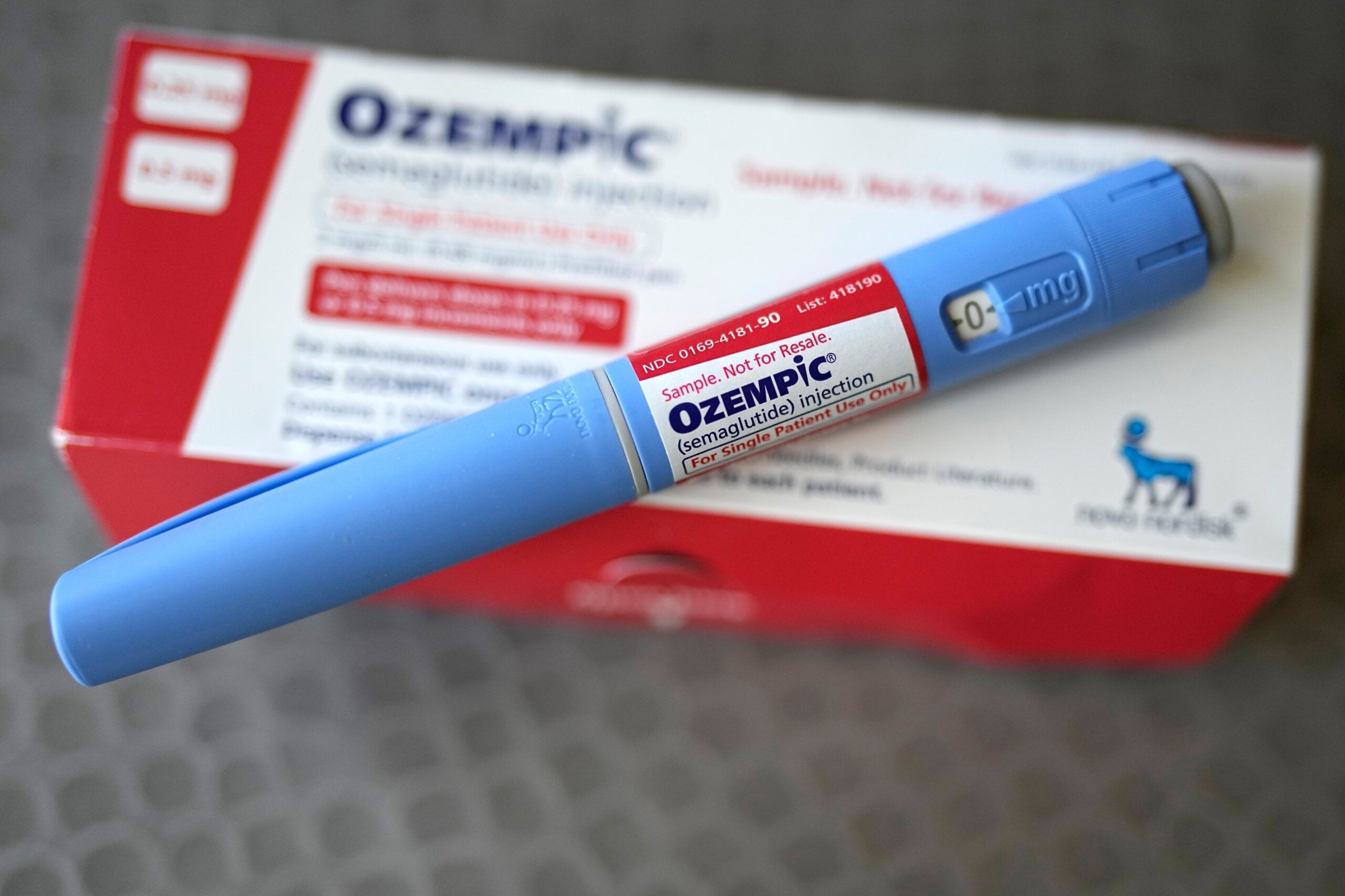
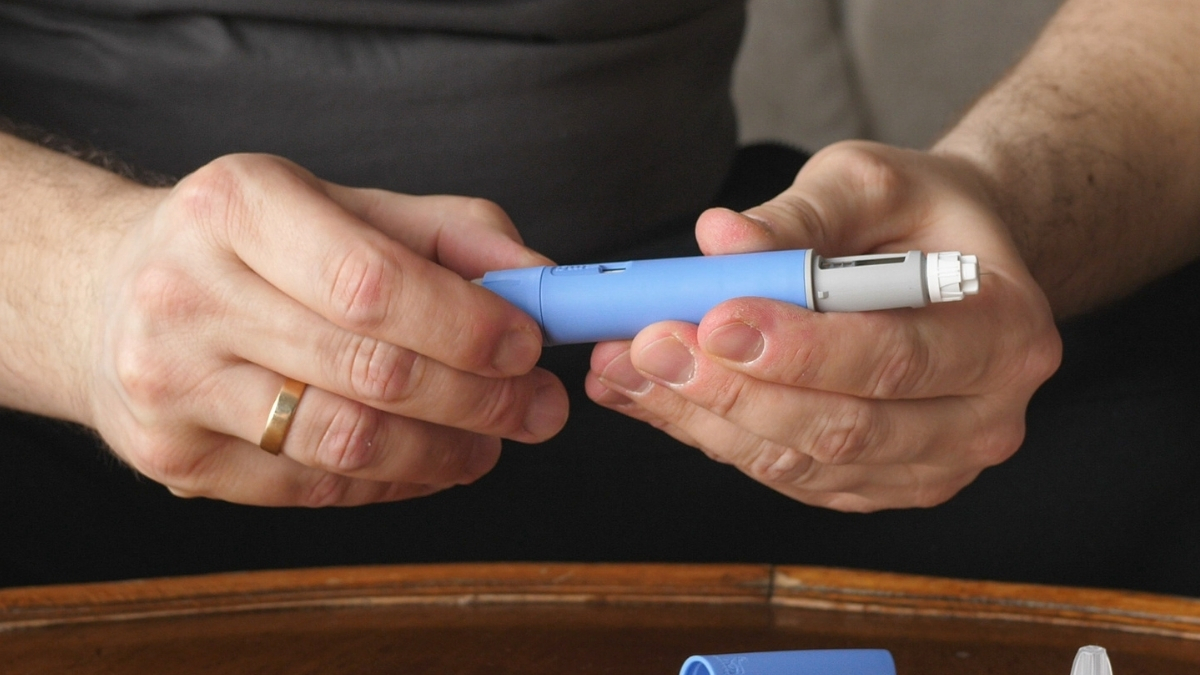
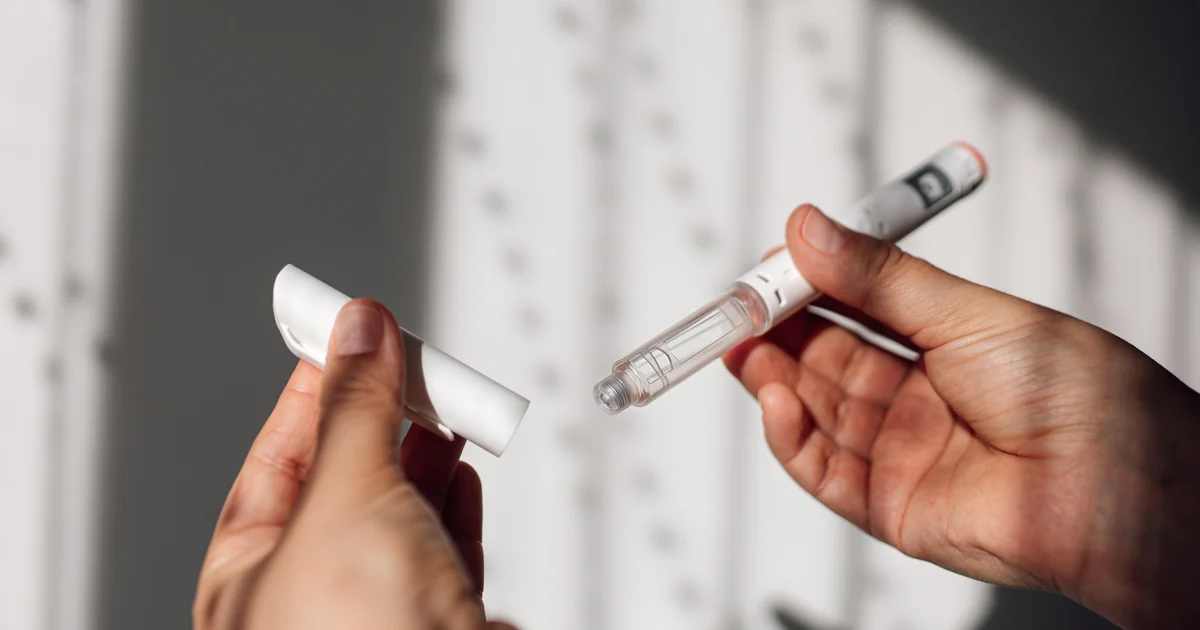
Doctors warn that weight-loss drugs like Ozempic and Wegovy, originally for diabetes, carry risks such as side effects and potential weight regain after stopping, emphasizing the importance of lifestyle changes and caution against viewing these medications as quick fixes.
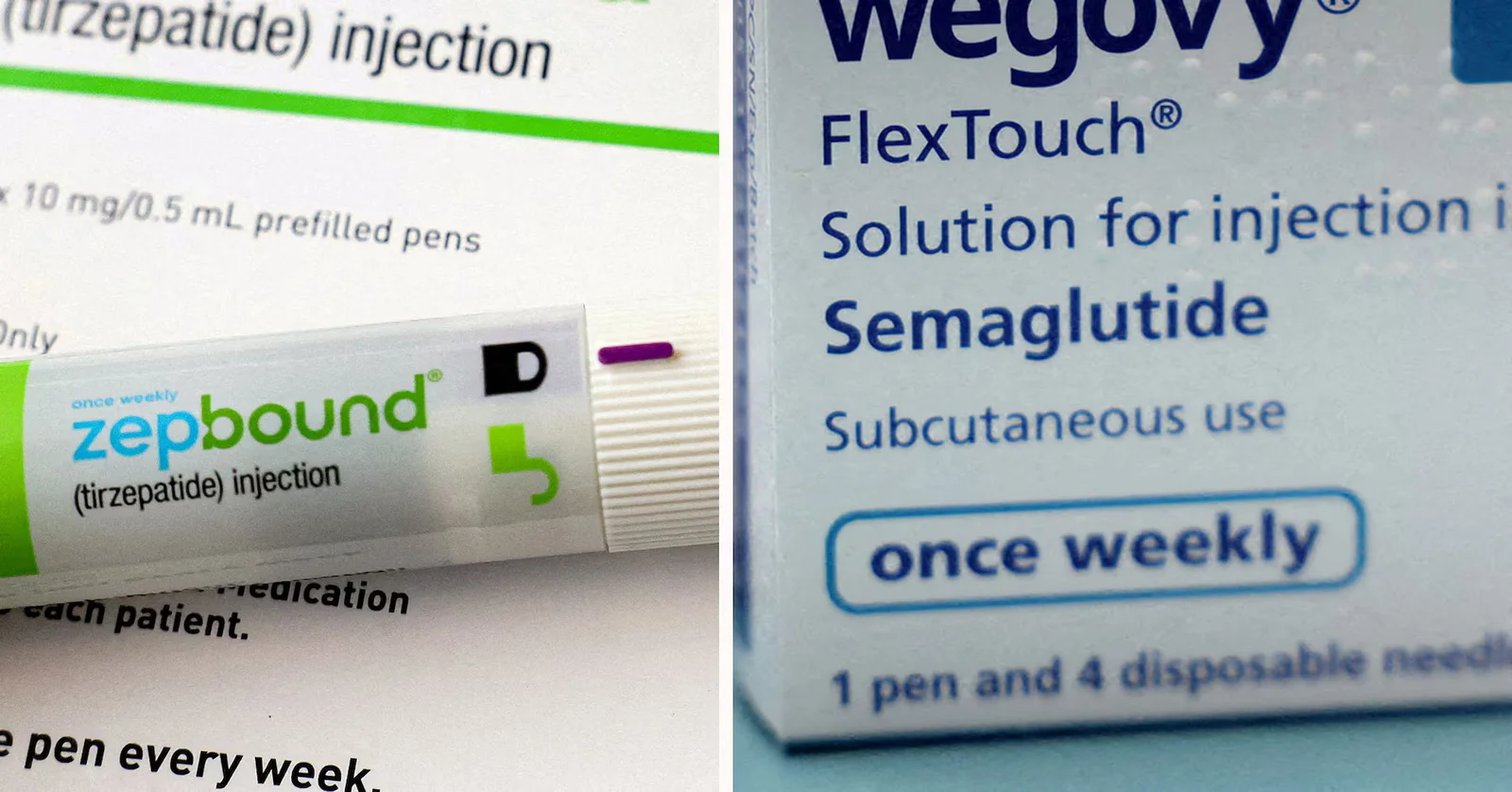
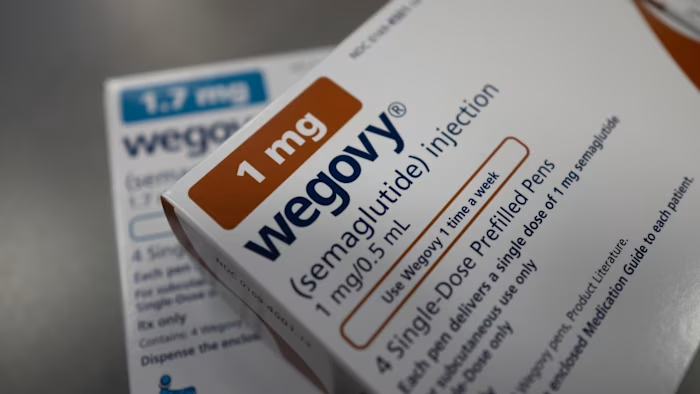
Novo Nordisk has announced a price reduction for its Wegovy weight-loss pill in the US to compete with Eli Lilly's market offerings, initiating a price war in the weight-loss drug industry. The company will offer lower doses at significantly reduced prices, aiming to attract more overweight and obese patients, especially following the recent FDA approval of an oral version of Wegovy. This move comes amid a competitive landscape with Lilly's upcoming drug, orforglipron, expected to be approved soon.
Oprah Winfrey discusses her journey with weight management, emphasizing her mental shift away from food shame and her use of GLP-1 medication like Mounjaro to manage obesity, leading to a healthier relationship with food and herself.
The article discusses the recent developments in the GLP-1 drug market, highlighting Novo Nordisk's new pill and the potential of out-of-favor drug makers like Bristol Myers Squibb, Merck, and Pfizer as long-term investment opportunities due to their efforts to innovate and survive patent cliffs. Despite current setbacks, these companies are positioned for future growth, making them attractive for contrarian investors.
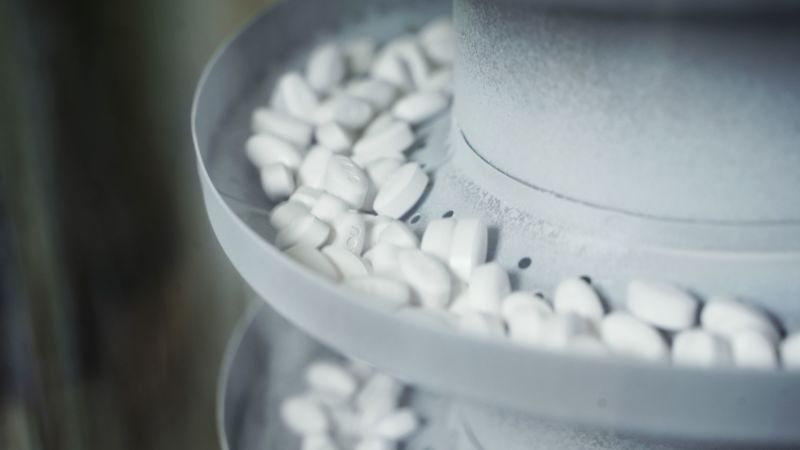
The FDA has approved a daily oral version of Wegovy, a GLP-1 weight-loss drug by Novo Nordisk, offering a new, more convenient option for obesity treatment alongside injectable forms and competitors like Lilly's orforglipron, with similar efficacy and side effects, and potential cost considerations.
A study shows that bariatric surgery results in significantly greater and more durable weight loss compared to GLP-1 medications like Ozempic, with surgery patients losing an average of 25.7% of their body weight over two years versus 5.3% for medication users, highlighting the superior effectiveness of surgery despite its invasiveness.
People taking GLP-1 drugs like Ozempic for weight loss are experiencing significant muscle loss and weakness, raising concerns about the reliance on these medications as shortcuts without proper diet and exercise. Experts emphasize the importance of combining these drugs with protein-rich diets and strength training to prevent adverse effects and promote healthier weight management.
Health authorities warn about increased risks of suicidal thoughts and potential contraception failures associated with GLP-1 drugs like Ozempic and Mounjaro, which are used for diabetes and weight loss. While these drugs are generally effective, they may impact hormone absorption, reducing contraceptive efficacy, especially oral contraceptives. Patients should consult their doctors if experiencing mood changes or suicidal thoughts and consider alternative contraception methods if on GLP-1 medications. Use during pregnancy is not recommended due to potential risks.
The World Health Organization has issued new guidelines recommending GLP-1 drugs for long-term obesity treatment in adults, emphasizing their role as a scientific breakthrough and a new chapter in understanding obesity as a treatable chronic disease, while highlighting the need for equitable access and comprehensive care.
A UC San Diego study found that GLP-1 receptor agonists, used for diabetes and weight management, are associated with significantly lower five-year mortality in colon cancer patients, especially those with high BMI, suggesting potential anti-cancer benefits that warrant further clinical trials.
The Trump administration announced deals with Novo Nordisk and Eli Lilly to lower the cost of GLP-1 drugs for Americans, including Medicare beneficiaries, with prices starting at $150 for pills and $350 for injectables, aiming to expand access and reduce costs for obesity and diabetes treatments.
Brooks Nader openly discusses her extensive cosmetic procedures, including injectables, a nose job, veneers, and her use of GLP-1 drugs to lose weight, which she credits for boosting her modeling career. She joins other celebrities like Simone Biles and Khloe Kardashian in sharing their cosmetic enhancements, highlighting a trend of transparency in the industry.
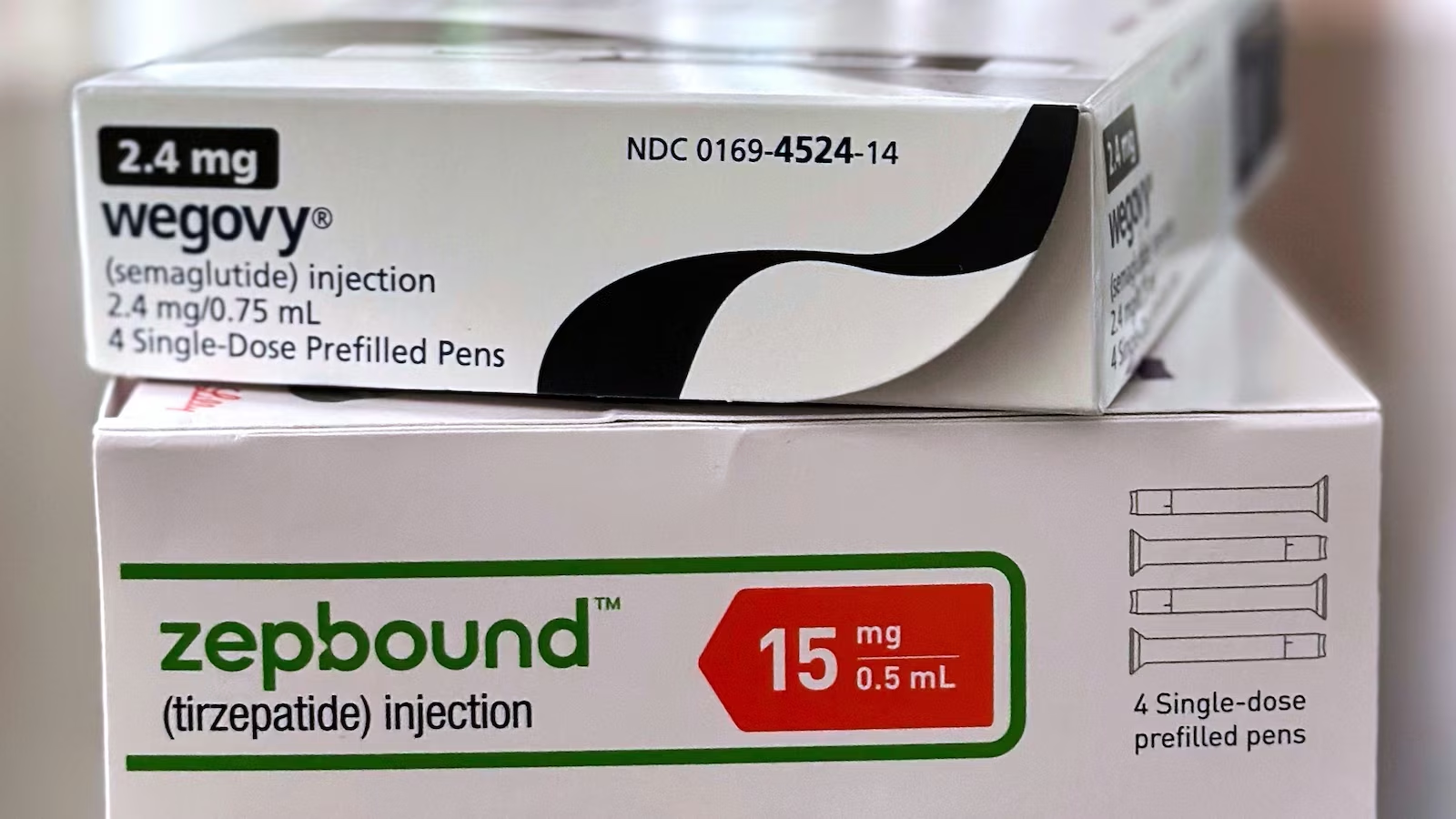
India's anti-obesity drug market has grown significantly, driven by demand for powerful GLP-1 drugs like Rybelsus, Wegovy, and Mounjaro, originally developed for diabetes but now popular for weight loss. While these drugs show promising results, concerns about misuse, side effects, and the importance of lifestyle changes remain. Experts warn against using these medications solely for cosmetic purposes and emphasize that obesity is a chronic disease requiring comprehensive treatment.
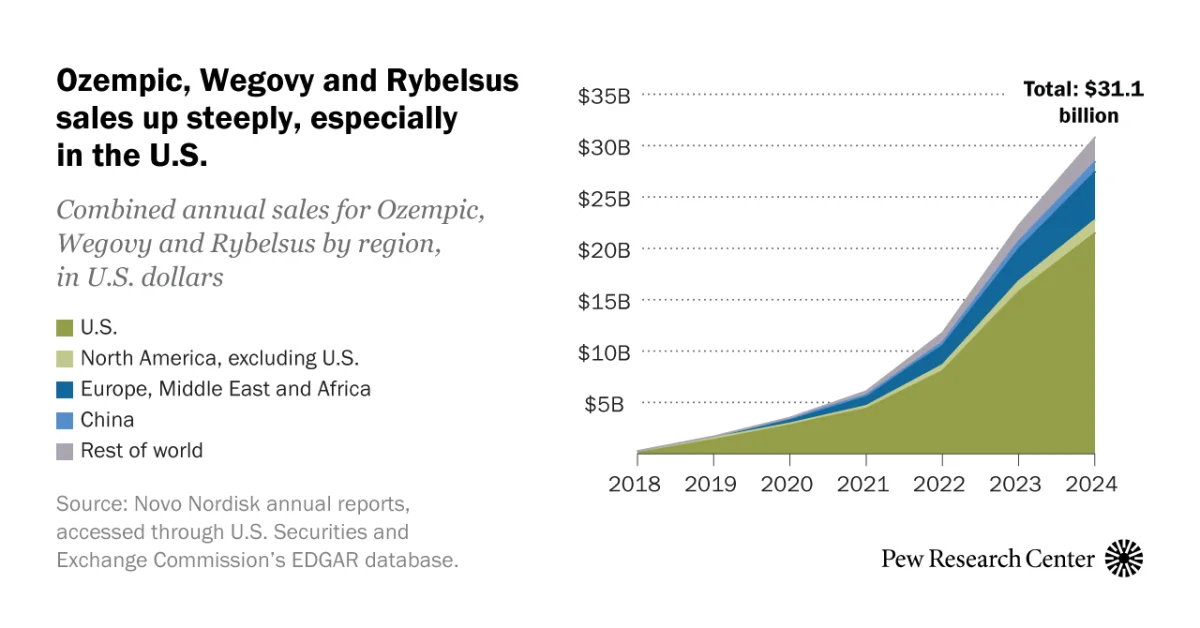
America's obesity rate has decreased slightly, coinciding with a rise in the use of GLP-1 drugs like Ozempic and Wegovy, which are effective in weight loss and improving health outcomes. However, access is limited by high costs and insurance coverage issues, raising concerns about inequality. The shift reflects a changing perception of obesity from moral failing to treatable medical condition, marking a significant cultural and medical shift, though challenges remain in adherence and societal impact.