
A pilot study presented at the European Academy of Neurology congress suggests that GLP-1 agonists, drugs typically used for diabetes and obesity, may also significantly reduce migraine frequency by nearly half, possibly by lowering intracranial pressure.
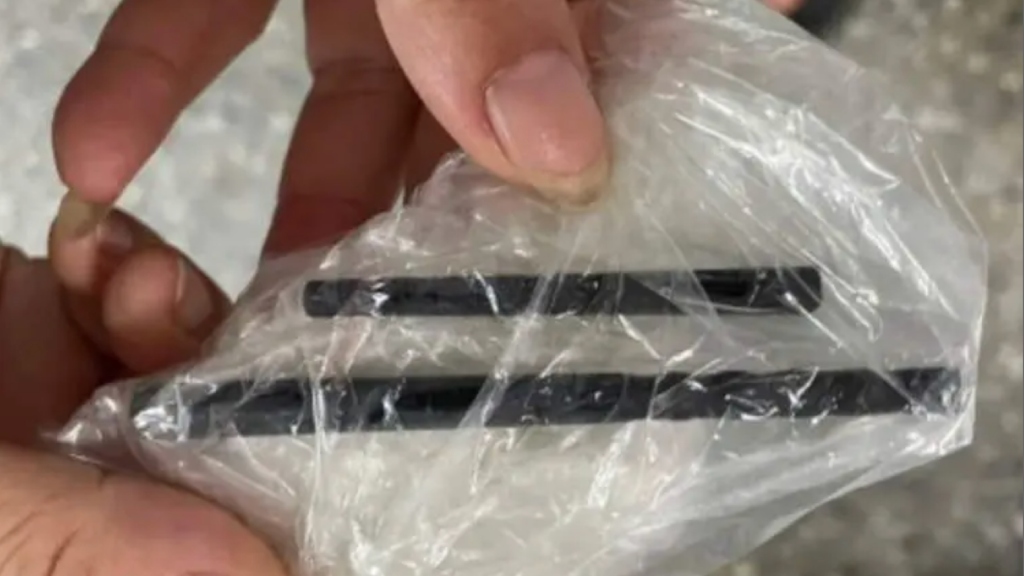
A 35-year-old man in Vietnam who had been suffering from severe headaches for five months discovered that a pair of chopsticks had been lodged in his skull. CT scans revealed tension pneumocephalus, a potentially life-threatening condition causing increased intracranial pressure. The man recalled being involved in a fight where he was possibly stabbed in the face with the chopsticks. Doctors successfully removed the chopsticks through endoscopic surgery and sealed a fistula in his brain, and the patient is now in stable condition.
A man in Vietnam who had been suffering from severe headaches for five months discovered that he had a pair of chopsticks lodged in his skull. Doctors diagnosed him with tension pneumocephalus, a rare neurological condition caused by increased intracranial pressure. The patient believes he was stabbed in the face during a fight five months ago, but doctors initially found no abnormalities. The chopsticks were successfully removed through endoscopic surgery, and the patient is now in stable condition.
Ketamine, a common anesthesia drug, could be beneficial in reducing pressure inside the skull of children with traumatic brain injuries (TBI), according to a study published in Critical Care Medicine. The drug has traditionally been avoided for patients with TBI due to early studies suggesting that it could raise the pressure inside of the skull, known as intracranial pressure (ICP). However, recent studies have suggested otherwise, and the new study found that ketamine not only does not raise ICP, in some cases it may even lower it.