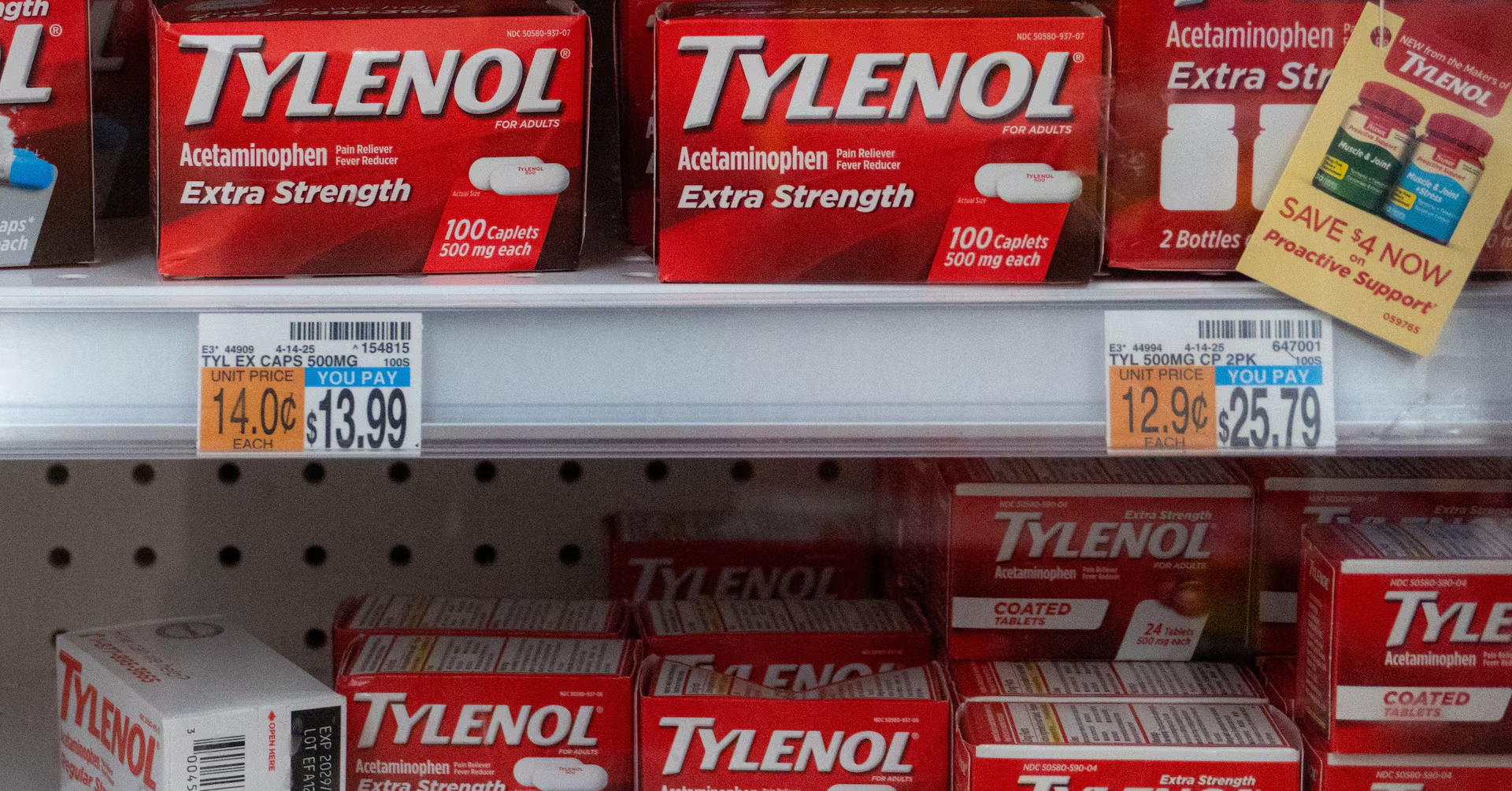
Kimberly-Clark plans to acquire Kenvue, the maker of Tylenol, for over $40 billion, creating one of the largest consumer health companies in the U.S., with the deal expected to close in late 2026 and offering significant cost savings despite recent legal and regulatory challenges faced by Kenvue.
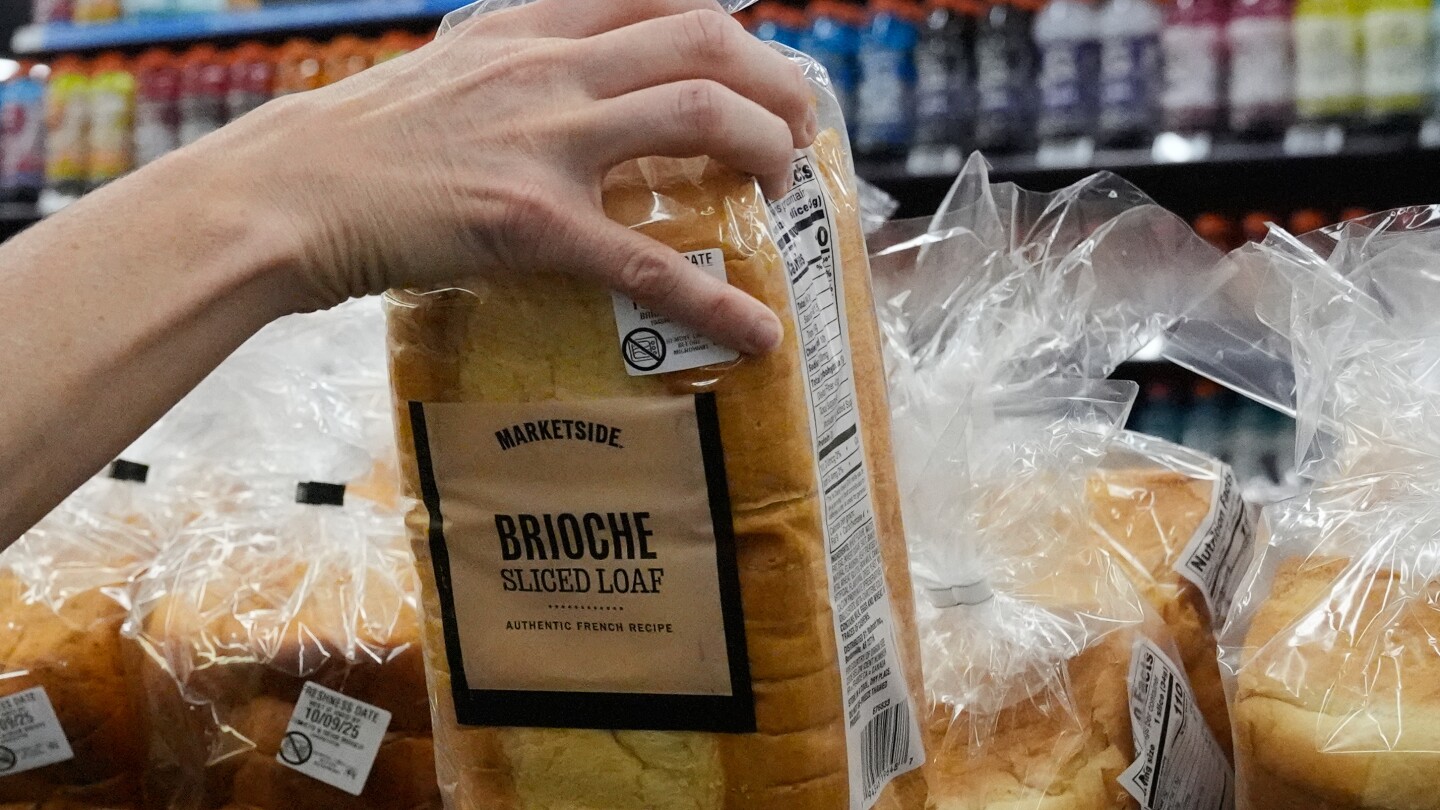
Walmart announced it will remove synthetic dyes and 30 other food additives from its private-label products by 2027, responding to consumer demand for simpler ingredients and increased regulatory scrutiny, affecting around 1,000 products including snacks, baked goods, and dressings.
Walmart announced plans to remove synthetic food dyes and 30 other additives from its store brands in the U.S. by January 2027, responding to consumer demand and regulatory scrutiny, affecting about 1,000 products including snacks, baked goods, and beverages.
State legislatures across the U.S. are proposing and enacting laws to restrict or regulate food dyes and additives, driven by consumer demand and political movements like MAHA, amid debates over scientific evidence and industry impacts, with some states banning certain dyes in schools and others requiring warning labels, while a national standard from the FDA is anticipated.
J.M. Smucker Co. plans to remove FD&C artificial colors from all its consumer food products by 2027, focusing on sugar-free fruit spreads, ice cream toppings, and some Hostess products, with a goal to cease sales of such products to K-12 schools by 2026/2027, aligning with consumer demand for natural ingredients.
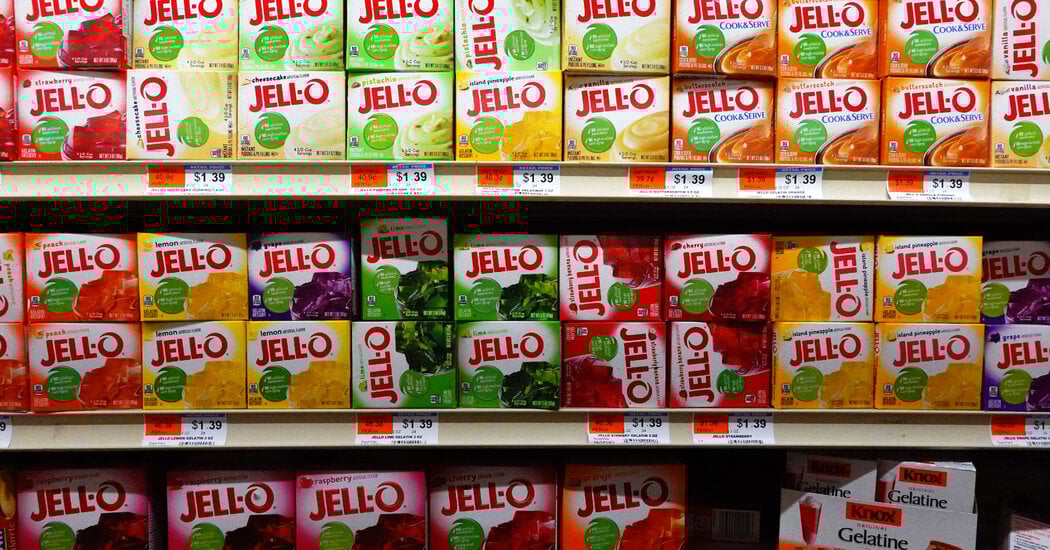
Kraft Heinz announced it will remove all artificial chemical dyes from its products, including brands like Kool-Aid and Jell-O, by the end of 2027, affecting about 10% of its portfolio, in response to health concerns and regulatory trends.
Kraft Heinz has announced it will remove all artificial dyes from its products sold in the US by 2027, responding to consumer concerns and regulatory scrutiny over the health risks of synthetic food coloring, and potentially setting a trend for other food companies to follow.
The fitness and wellness tracking industry is filled with wearables and trackers promising personal value through monitoring heart rate, activity, and sleep, with some even claiming to detect medical conditions. However, consumers should approach these products with a critical eye, as most data output hasn't been reviewed by regulators. It's important to focus on trends rather than individual data points, pay attention to usage instructions, and be wary of overhyped claims. While there's potential for preventative healthcare, consumers should be cautious of unproven assessments and misleading marketing tactics in the fitness and wellness tracking space.
Bayer is considering breaking apart from its consumer health or crop science divisions, as new CEO Bill Anderson aims to revive the company's share price. The company is exploring the possibility of separating either the non-prescription medicines business or the agriculture business from the rest of the group, with a sequential split into three companies also being considered. Anderson also confirmed plans to remove several layers of management, resulting in a significant reduction in the workforce. Bayer's shares were down 1% following the announcement.
Johnson & Johnson has launched an exchange offer for its stockholders to opt for shares of Kenvue, its newly listed consumer health unit. The offering will help J&J move closer to its plan of spinning off the unit and focusing on its larger medical devices and pharmaceuticals businesses. Shareholders can exchange their shares for Kenvue shares at a 7% discount. Kenvue, with a market capitalization of about $46 billion, recently forecasted strong profit for this year.
Johnson & Johnson has initiated a share exchange offer for its consumer health spin-off, Kenvue. The company plans to split off at least 80.1% of Kenvue's shares as part of the offering, allowing J&J shareholders to exchange their shares for Kenvue shares at a 7% discount. This move brings J&J closer to its goal of focusing on its larger medical devices and pharmaceuticals businesses. J&J shares rose 1% in premarket trading, while Kenvue shares fell 1%.
Johnson & Johnson has initiated a share exchange offer for its consumer health spin-off, Kenvue. The company plans to split off at least 80.1% of Kenvue's shares as part of the offering, allowing J&J shareholders to exchange their shares for Kenvue shares at a 7% discount. This move is in line with J&J's strategy to focus on its larger medical devices and pharmaceuticals businesses. Kenvue, which debuted on the New York Stock Exchange in May, has a market capitalization of approximately $46 billion.
Kenvue, the consumer health company that recently spun off from Johnson & Johnson, reported better-than-expected second-quarter revenue and earnings. Despite the positive results, Kenvue's shares fell as investors questioned the company's growth potential. The company's strong performance was driven by resilient demand for its well-known brands such as Band-Aid, Tylenol, Listerine, Neutrogena, and Aveeno. Kenvue's CEO acknowledged the uncertain consumer landscape but highlighted that consumers are still willing to buy trusted health products. Johnson & Johnson, which still owns a 90% stake in Kenvue, plans to reduce its stake through an exchange offer. Kenvue also initiated a quarterly cash dividend and is already profitable, with a forecasted sales growth of 4.5% to 5.5% in 2023.
Johnson & Johnson's consumer-health unit Kenvue soared more than 22% on its first day of trading, bringing the company one step closer to completing its business separation. The planned split, set for later this year, is in the best interest of shareholders of both the soon-to-be-solo Kenvue operations and the new pharma and medtech-focused J&J.
Kenvue, the former consumer-health business of Johnson & Johnson, saw a strong debut on the public markets with its shares jumping 17% on Thursday. The IPO raised $3.8 billion, which Kenvue will pay to Johnson & Johnson. The new company sells some of the most recognizable consumer-health brands in the world, including Tylenol, Motrin, Benadryl, Band-Aid, Zyrtec, and Neutrogena. Johnson & Johnson will own 90.9% of Kenvue after the completion of the IPO.