Despite political challenges in 2025, significant scientific achievements were made, including the detection of the strongest gravitational signals from black hole mergers, advancements in nuclear fusion, innovative gene therapies, and breakthroughs in chemical recycling and climate research, highlighting a resilient and innovative scientific community.
Scientists Susumu Kitagawa, Richard Robson, and Omar Yaghi won the 2025 Nobel Prize in Chemistry for developing porous materials called metal-organic frameworks that can store large amounts of gas in tiny volumes, with applications in climate change mitigation and water harvesting, likened to Hermione's handbag in Harry Potter.
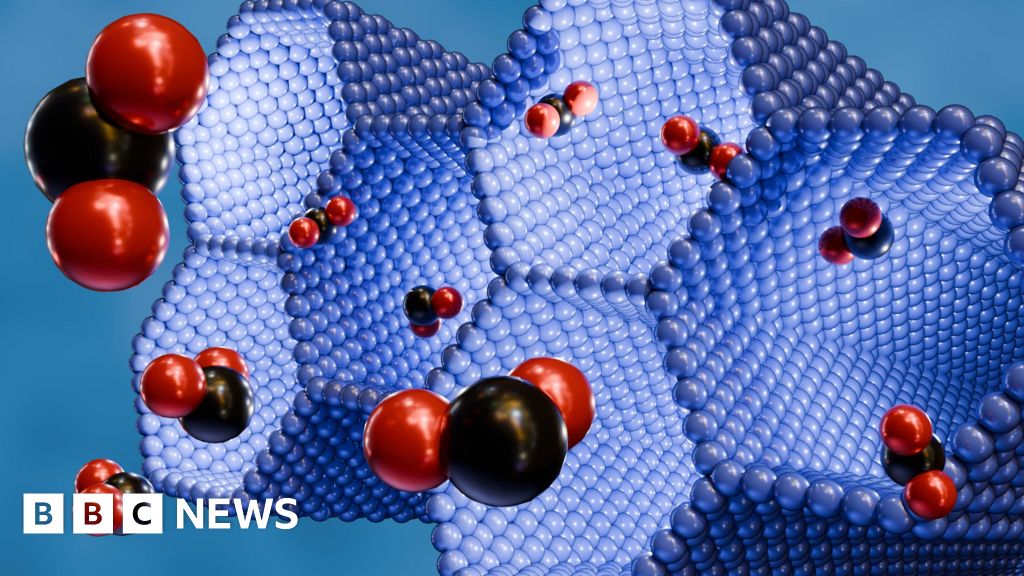
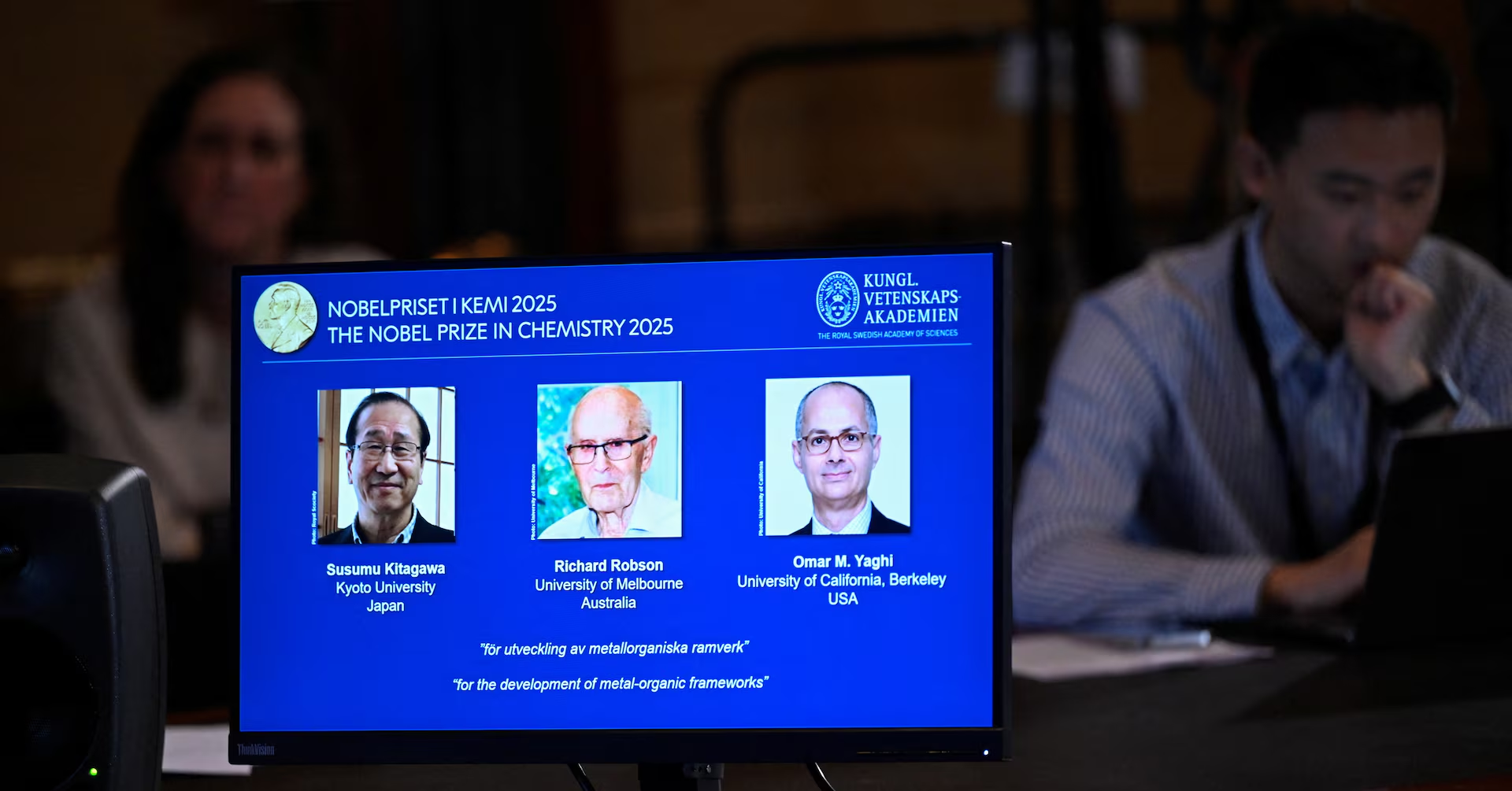
Three scientists, Susumu Kitagawa, Richard Robson, and Omar Yaghi, received the Nobel Prize in Chemistry for their groundbreaking work on metal-organic frameworks, which have the potential to address environmental challenges like pollution and climate change by capturing gases and separating harmful chemicals.
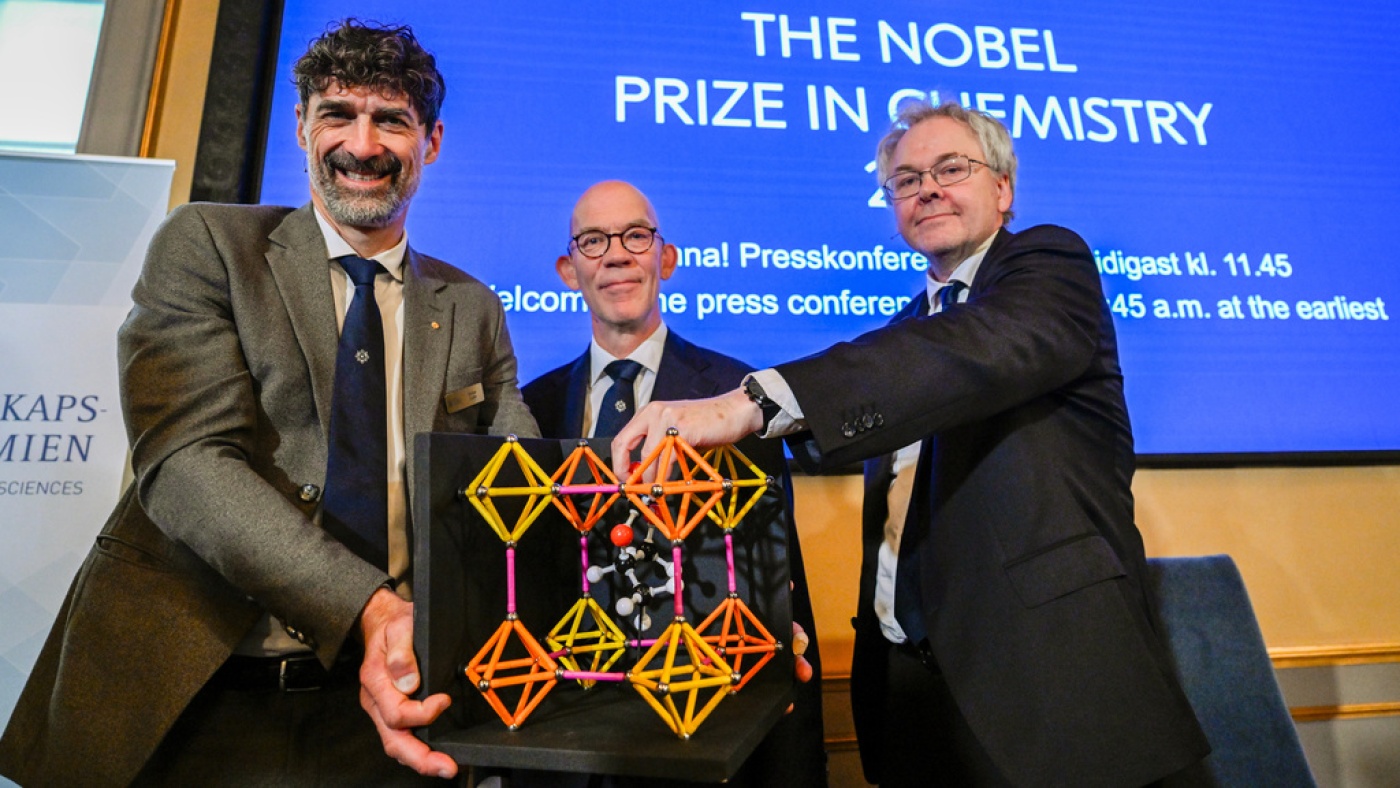
The 2025 Nobel Prize in Chemistry was awarded to Susumu Kitagawa, Richard Robson, and Omar Yaghi for their development of metal-organic frameworks, which are novel molecular structures with potential applications in various fields.
The Nobel Prize in Chemistry was awarded to Susumu Kitagawa, Richard Robson, and Omar M. Yaghi for their pioneering work on metal-organic frameworks, structures that can potentially address global issues like climate change and plastic pollution by enabling gas capture and chemical flow management.
The Nobel Prize in Chemistry 2025 was awarded jointly to Susumu Kitagawa, Richard Robson, and Omar M. Yaghi for their development of metal–organic frameworks, a significant advancement in the field of chemistry.
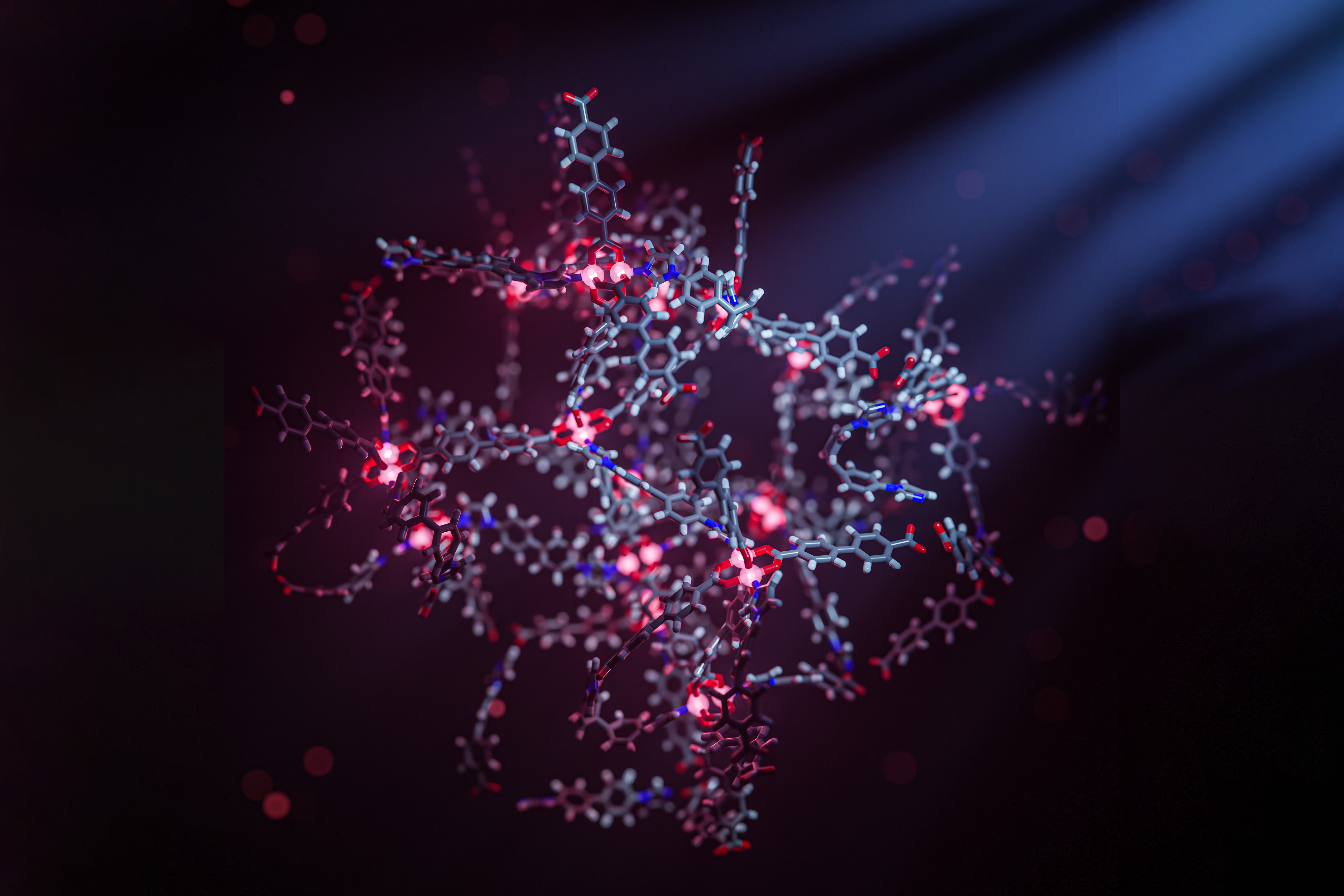
Susumu Kitagawa, Richard Robson, and Omar Yaghi received the 2025 Nobel Prize in Chemistry for developing metal-organic frameworks (MOFs), which are versatile molecular structures with large cavities used for water harvesting, pollutant removal, and gas storage, promising significant benefits for environmental and industrial applications.
MIT researchers have developed iron-iodine particles using metal-organic frameworks that can be added to foods and beverages to combat global nutrient deficiencies, especially iron deficiency, with promising stability and absorption results in tests.
MIT researchers have developed a novel method using metal-organic frameworks (MOFs) to fortify foods and beverages with iron and iodine, aiming to combat global nutrient deficiencies. These stable, crystalline particles can be added to staple foods and drinks without affecting taste or reactivity, and can release nutrients in the stomach. The approach offers a promising solution for improving nutrition in developing regions and beyond.
Researchers at the University of Virginia have developed a scalable method to fabricate MOF-525, a metal-organic framework that can capture and convert carbon dioxide into valuable chemicals, potentially aiding in climate change mitigation and energy solutions.
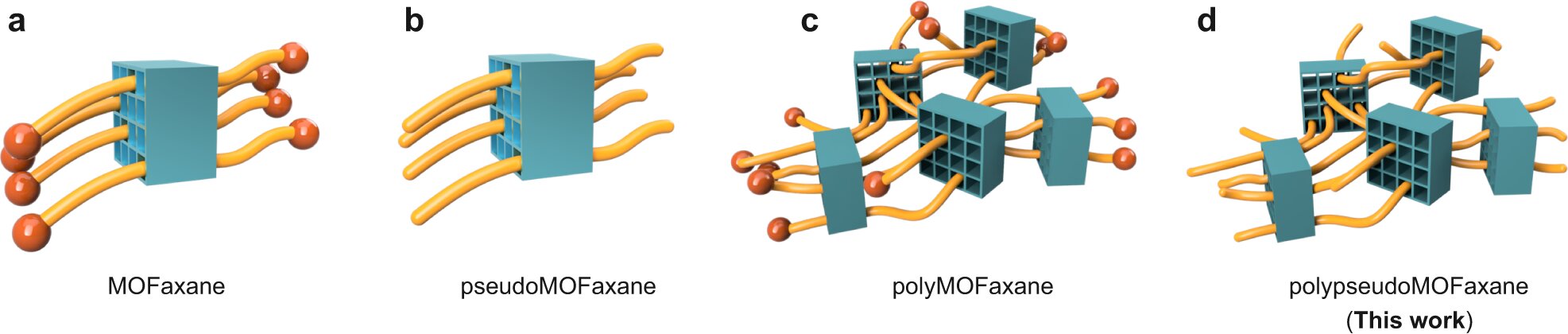
Researchers at the University of Tokyo have developed a new class of interlocking supramolecular systems by combining metal-organic frameworks (MOFs) with rotaxanes, creating what they call MOFaxanes. By threading rotaxane polymer chains through the pores in a MOF made using copper, they were able to create new kinds of interlocking structures. The range of creatable MOFaxane structures types and sizes should be virtually unlimited due to the tunability of MOFs.
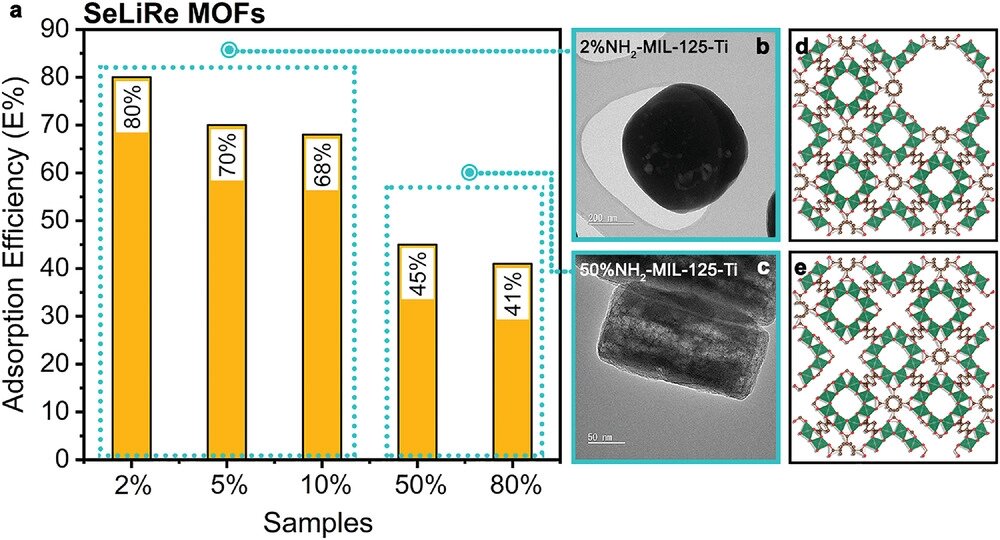
Researchers have developed a new class of materials called metal-organic frameworks (MOFs) that can selectively and efficiently remove the herbicide glyphosate from groundwater. MOFs are highly porous, sponge-like networks with an extremely large surface area of up to 7000 m²/g. The researchers incorporated additional pores with a diameter of up to 10 nanometers, called mesopores, into the MOFs to solve the problem of accessibility of active sites deep inside the material. The new material was able to remove three times as much glyphosate in only 20% of the time as the currently best adsorbent.
MIT researchers have developed a computational approach to predict the stability of metal-organic frameworks (MOFs), which have a rigid, cage-like structure that makes them useful for applications such as gas storage and drug delivery. Using their model, the researchers identified about 10,000 possible MOF structures that they classify as “ultrastable,” making them good candidates for applications such as converting methane gas to methanol. The researchers also identified certain building blocks that tend to produce more stable materials, and have made their database of ultrastable materials available for researchers interested in testing them for their own scientific applications.