Researchers at the University of Virginia have developed a scalable method for fabricating MOF-525, a metal-organic framework material that can capture and convert carbon dioxide into useful chemicals. This breakthrough, achieved through solution shearing techniques, allows for large-scale applications, offering significant environmental and energy benefits by transforming CO2 into commercially valuable products.
Researchers at the University of Virginia have developed a scalable method to fabricate MOF-525, a metal-organic framework that can capture and convert carbon dioxide into valuable chemicals, potentially aiding in climate change mitigation and energy solutions.
Researchers at Ruhr-University Bochum have developed a novel catalyst system that can efficiently convert CO2 into carbon monoxide (CO), a valuable industrial resource, using homogeneous electrocatalysis. This system, which operates without the need to chemically bond the catalysts to the electrode surface, has shown the potential to work under industrial conditions with high efficiency and stability over 100 hours. This breakthrough could pave the way for practical applications in recycling CO2 and reducing greenhouse gas emissions.
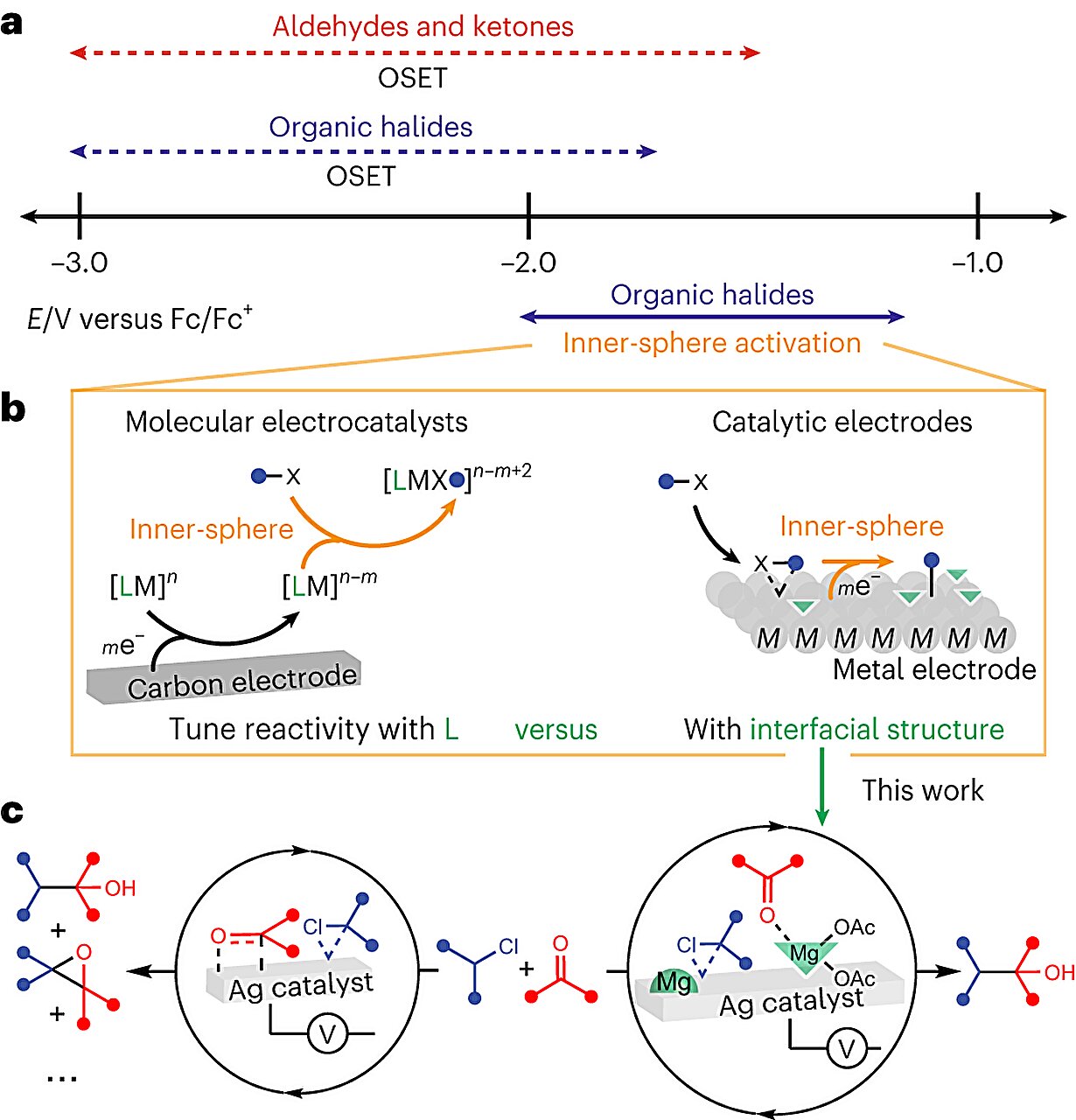
University of Chicago chemists have discovered a new method to enhance chemical reactions using electricity, a process known as electrocatalysis. This advancement, published in Nature Catalysis, could lead to more sustainable and efficient chemical manufacturing, particularly in synthesizing pharmaceuticals. By adding a Lewis acid to the reaction and using special imaging techniques, the researchers were able to control the reaction at the molecular level, achieving near-complete yields and demonstrating the potential for reusing the electrode, thus moving towards more sustainable synthesis methods.
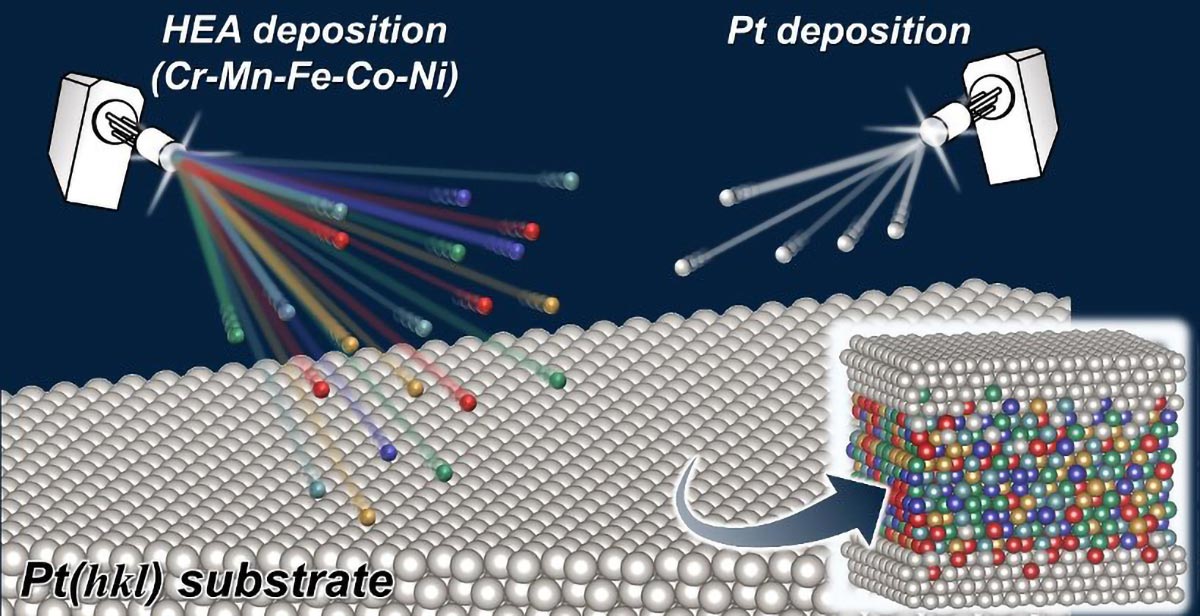
A research team has developed a new platform to study and control the atomic-level structure of high-entropy alloys' surfaces, specifically focusing on platinum high-entropy alloys (Pt-HEAs). They found that Pt-HEAs outperformed platinum-cobalt alloys in the oxygen reduction reaction (ORR), indicating that the atomic arrangement and distribution of elements near the surface contribute to their excellent catalytic properties. The team believes that their findings have broad applicability and can be used to advance electrocatalysis and functional nanomaterials.