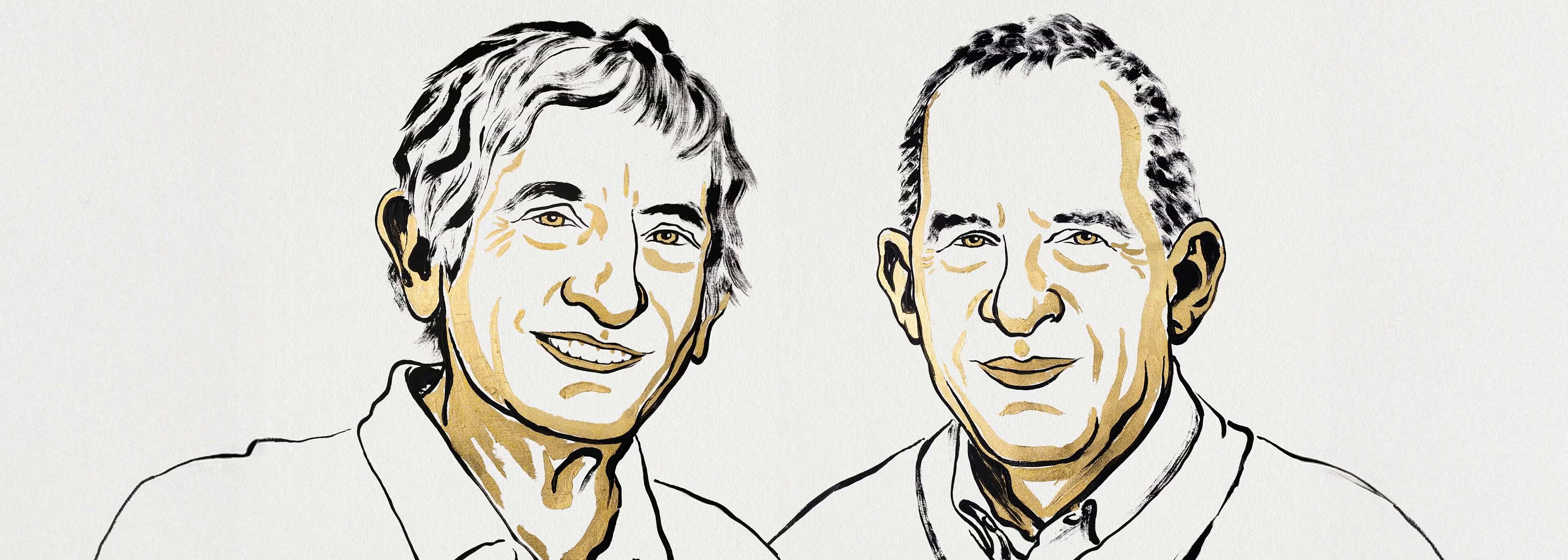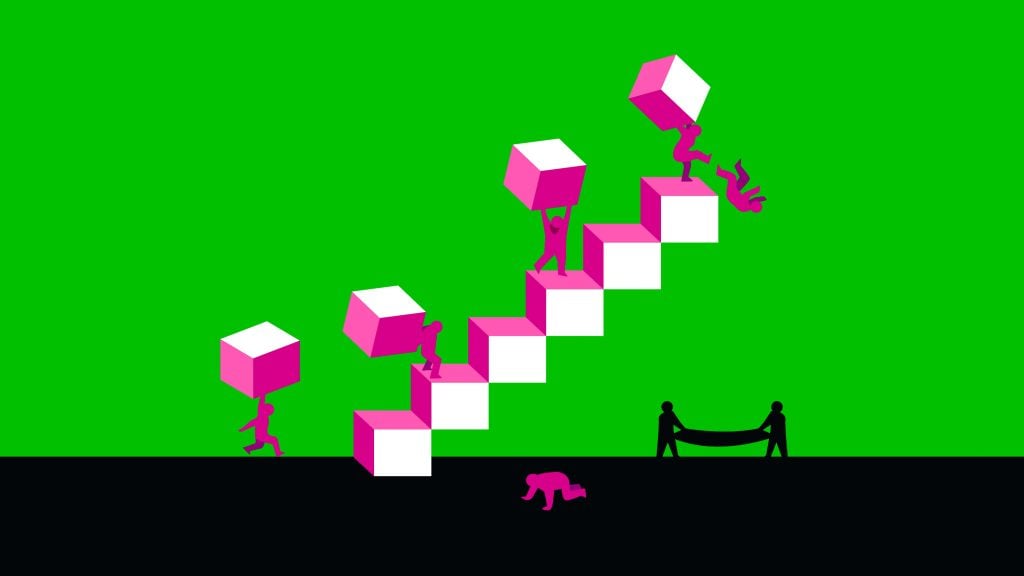
The 2025 Nobel Prize in Economic Sciences was awarded to Joel Mokyr, Philippe Aghion, and Peter Howitt for their work explaining how technological innovation and creative destruction drive sustained economic growth, emphasizing the importance of useful knowledge, societal openness to change, and the dynamic process of innovation and competition.
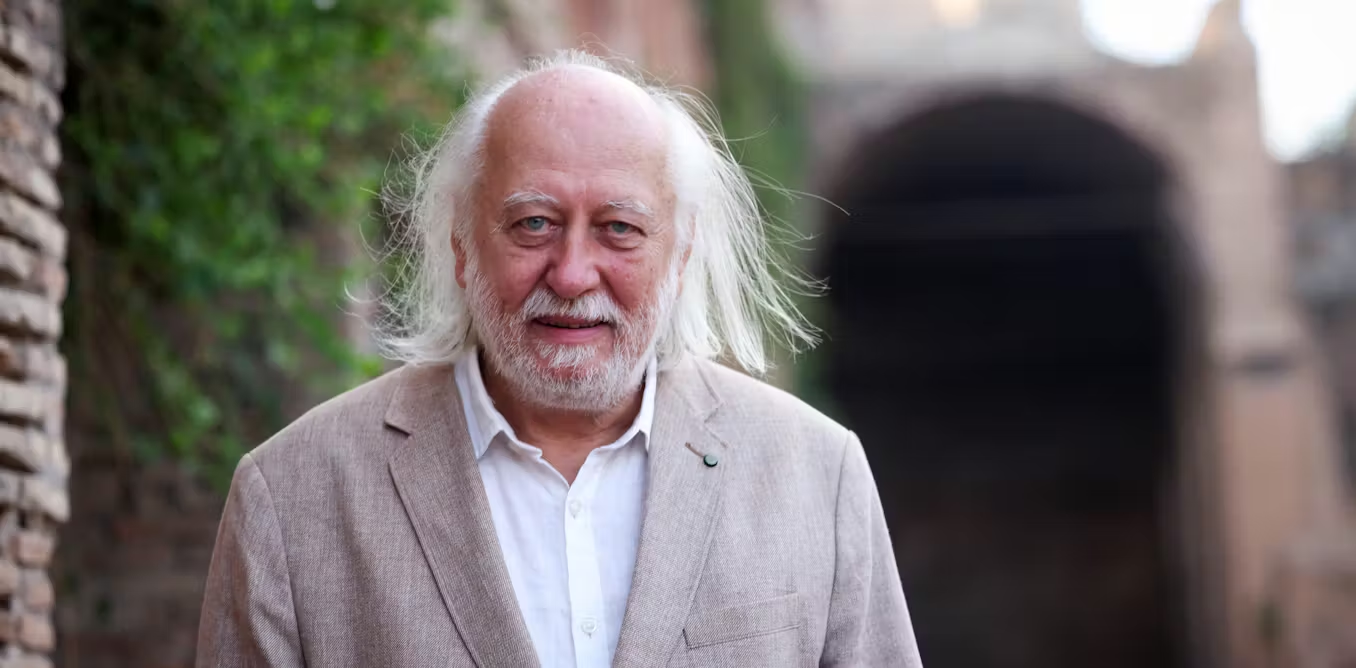
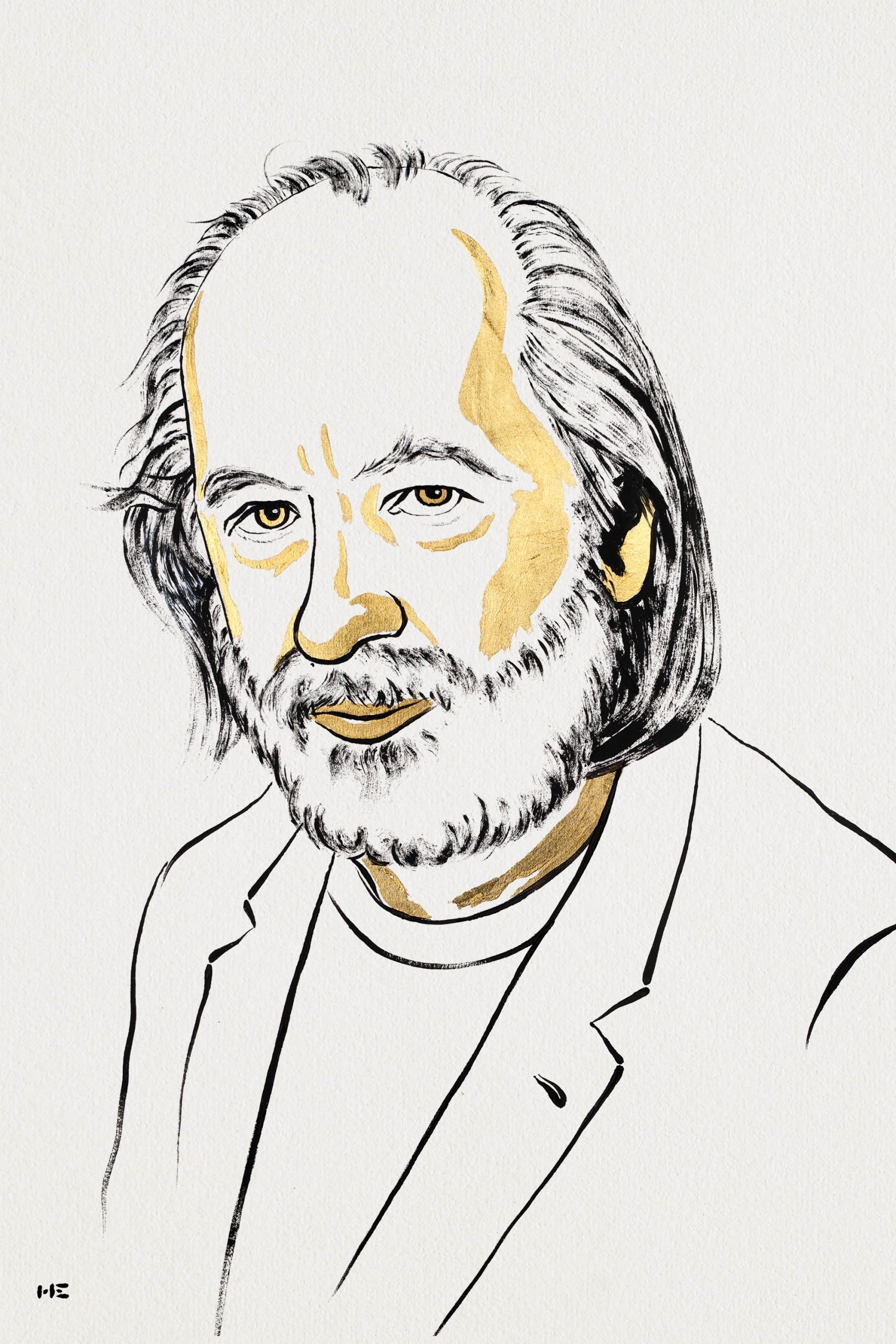
Hungarian author László Krasznahorkai has won the 2025 Nobel Prize in Literature for his visionary and compelling works that explore apocalyptic terror and reaffirm the power of art, characterized by complex language and dark themes of societal breakdown and nihilism, while also emphasizing the importance of beauty and tradition in art as a response to modern despair.
László Krasznahorkai, a Hungarian author known for his epic, apocalyptic, and grotesque works, has been awarded the Nobel Prize in Literature 2025, recognized for his profound influence on contemporary literature through his unique narrative style and exploration of themes like chaos, order, and artistic creation.
The 2025 Nobel Prize in Literature is awarded to Hungarian author László Krasznahorkai for his compelling and visionary works that highlight the power of art amidst apocalyptic themes.
Hungarian writer László Krasznahorkai has been awarded the 2025 Nobel Prize in literature for his compelling and visionary works that explore apocalyptic themes and reaffirm the power of art, with notable novels like Satantango and The Melancholy of Resistance.
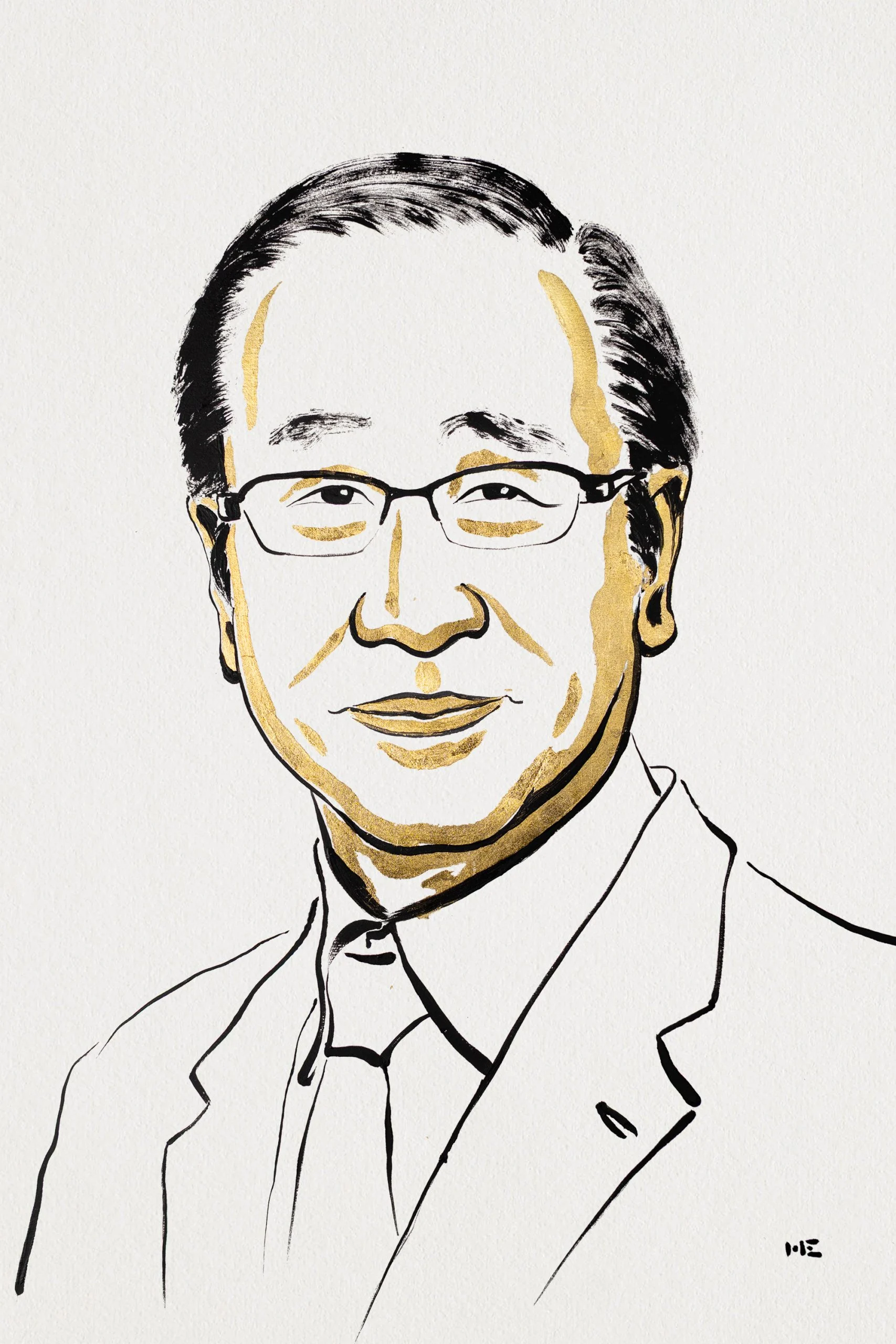
The Nobel Prize in Chemistry 2025 was awarded jointly to Susumu Kitagawa, Richard Robson, and Omar M. Yaghi for their development of metal–organic frameworks, a significant advancement in the field of chemistry.
Susumu Kitagawa, Richard Robson, and Omar Yaghi received the 2025 Nobel Prize in Chemistry for developing metal-organic frameworks (MOFs), which are versatile molecular structures with large cavities used for water harvesting, pollutant removal, and gas storage, promising significant benefits for environmental and industrial applications.
UC Santa Barbara physicists John Martinis and Michel Devoret, along with John Clarke, won the 2025 Nobel Prize in Physics for their pioneering work on quantum phenomena in superconducting circuits, which has significantly advanced quantum technology and computing.