President Trump’s executive order to boost domestic glyphosate production triggers backlash from the Make America Healthy Again movement, risking erosion of his base and giving Democrats a talking-point on health and chemical issues ahead of midterm elections, as Kennedy’s role and broader pesticide debates complicate MAHA’s influence.
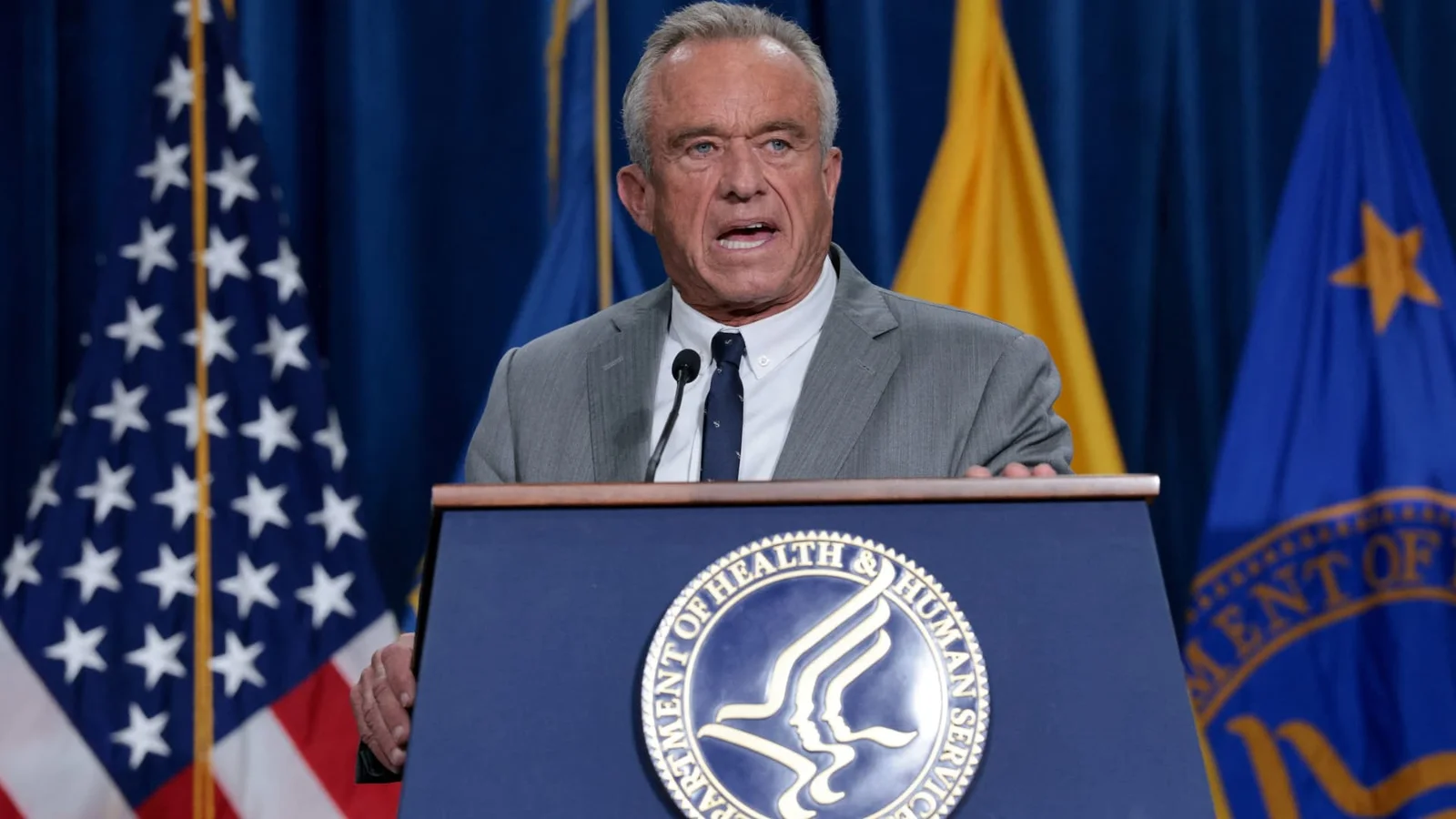
Health Secretary RFK Jr. endorsed a Trump-backed executive order to ramp up domestic production of glyphosate-based herbicides and related phosphorus supplies, arguing it would secure food production and reduce dependence on adversarial nations, even as he has long warned about cancer risks from these chemicals. The stance provoked anger among MAHA supporters who fear he’s compromising his principles, while Bayer and others press for liability shields amid ongoing Roundup litigation.
Two years into RFK Jr.’s tenure as health secretary, the White House is dialing back his anti-vaccine and anti-chemical push in favor of nutrition guidance and drug-pricing deals, while leaning on farm and pharmaceutical interests—illustrated by a glyphosate production order and leadership reshuffles—as it recalibrates ahead of the midterms.
RFK Jr., now US health secretary, publicly backs Trump’s order to boost domestic glyphosate production under the Defense Production Act, a move that provokes a swift revolt within the MAHA movement which has long opposed glyphosate. Critics accuse Kennedy of breaking a core pledge to put health over corporate power, triggering resignations and warnings of electoral consequences as activists and allies question the movement’s credibility and leadership.
Make America Healthy Again activists (MAHA) furious over Trump’s executive order to boost glyphosate production, a move seen as siding with pesticide-makers and threatening health-focused momentum ahead of the midterms. Republicans and allies face poll-driven pressure as White House argues the order is about domestic food security and national security, while critics say it prioritizes industry profits. The controversy unfolds amid legal and regulatory complexities around glyphosate and industry settlements, complicating the political landscape for candidates tied to the MAHA agenda.
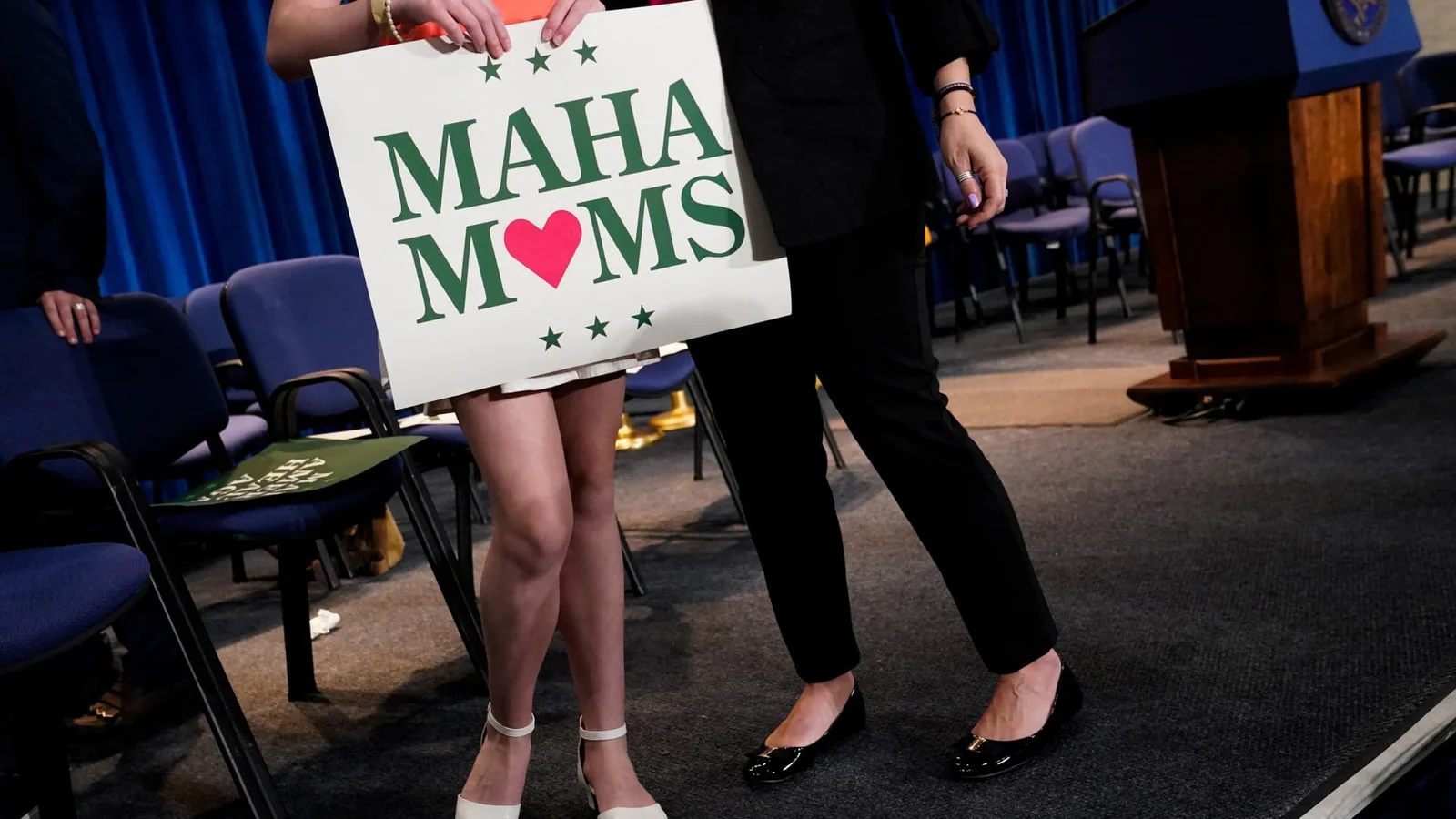
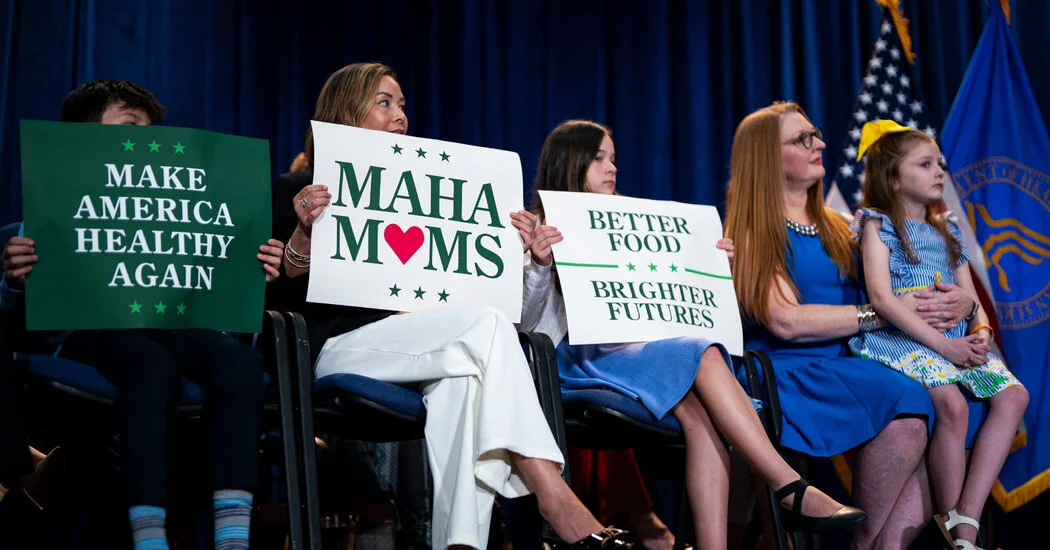
Health-minded MAHA Moms who had backed Trump via RFK Jr. are furious after Trump invoked the Defense Production Act to boost domestic glyphosate production, viewing the move as a betrayal and a threat to their cause. The rift risks undermining Trump’s support among the movement, even as Kennedy’s role remains defended by some, while environmental and pesticide critics say the MAHA alliance helped propel policies seen as health and environment-damaging.
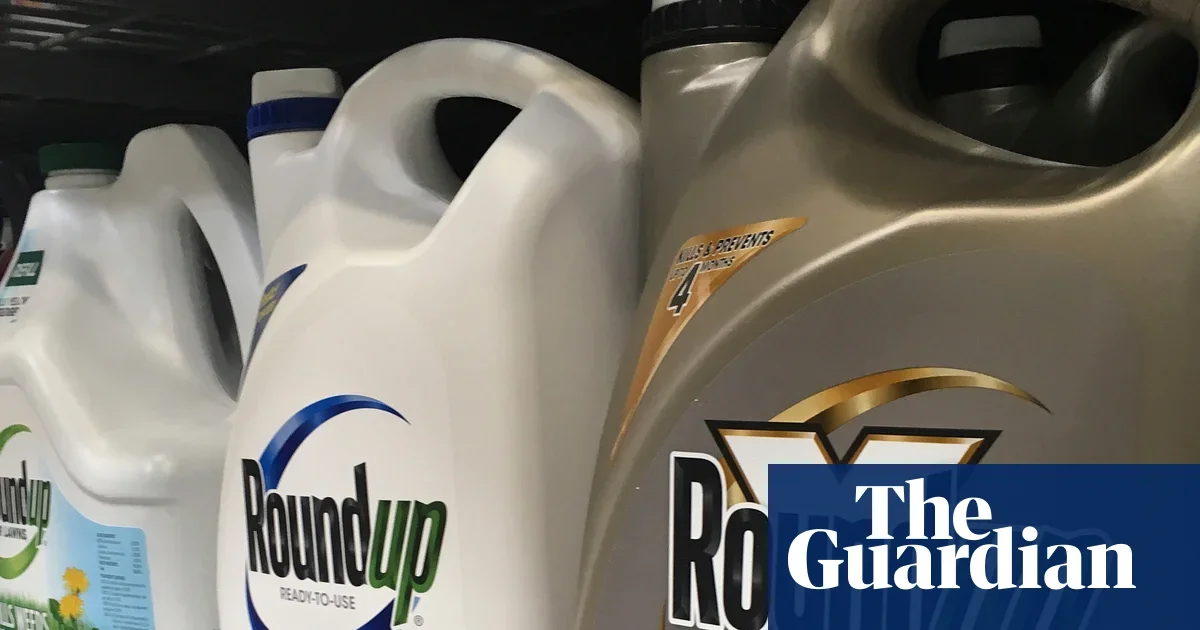
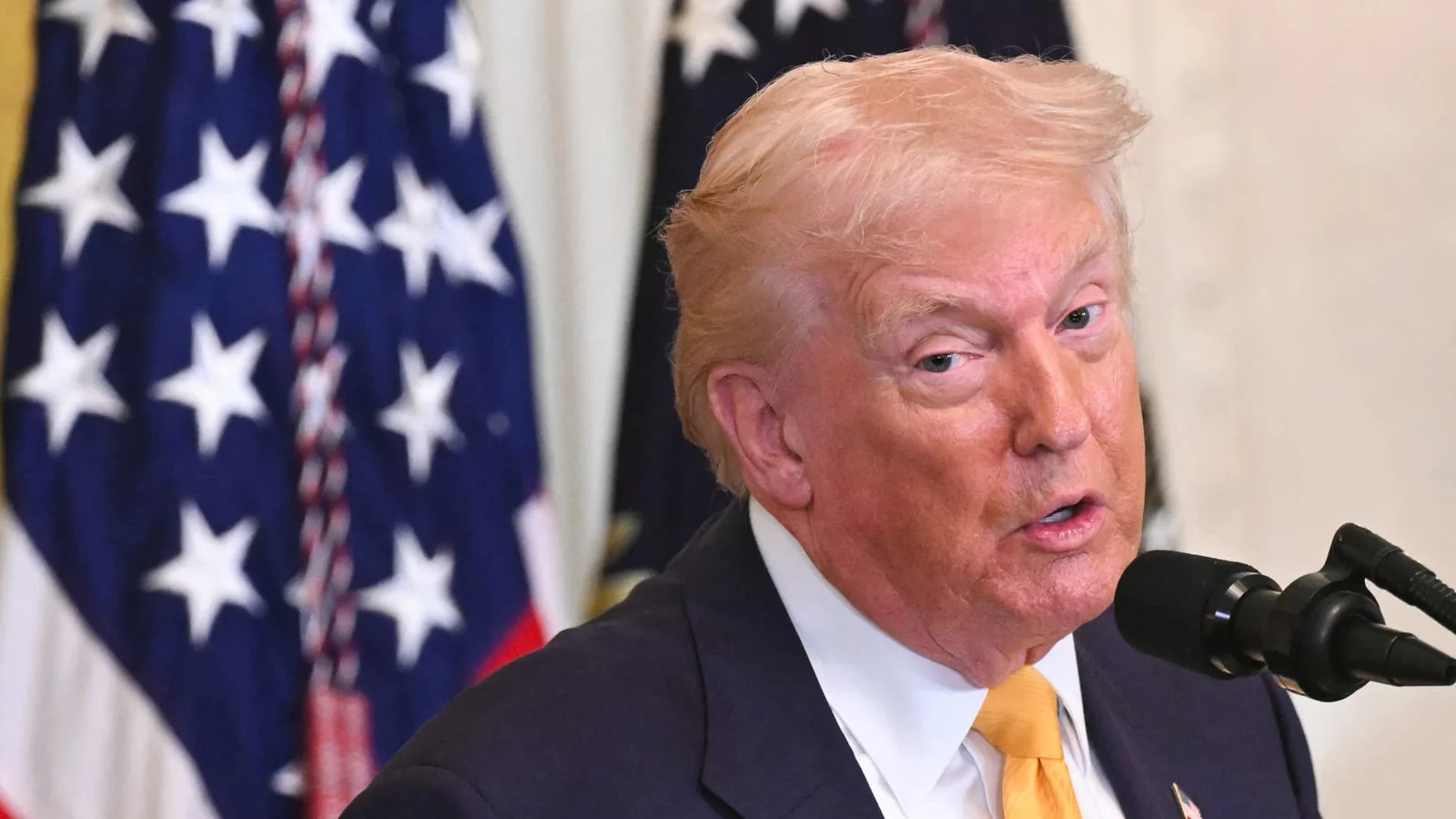
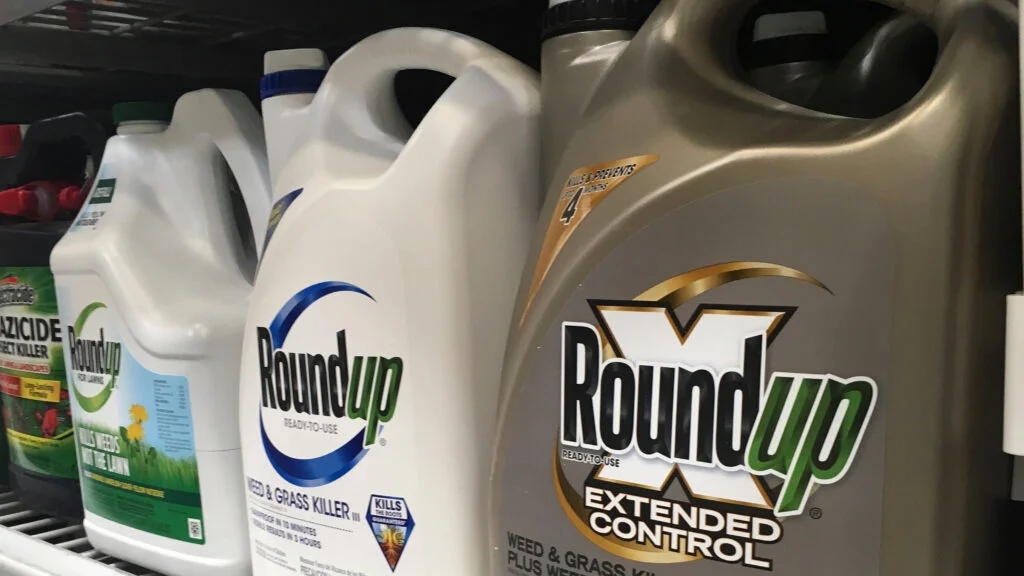
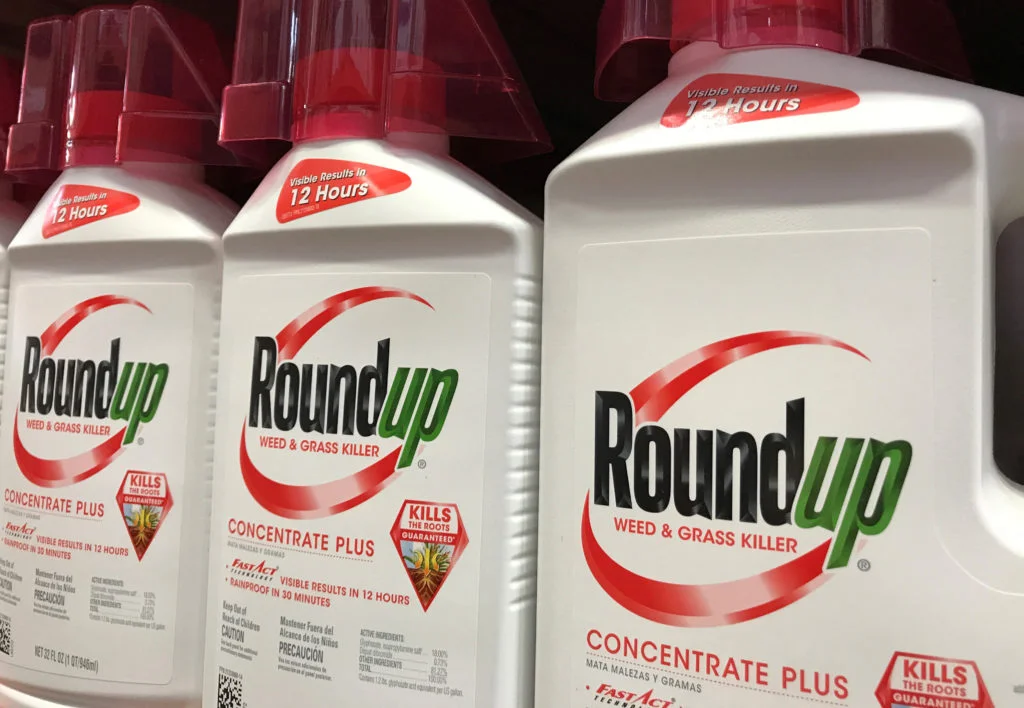
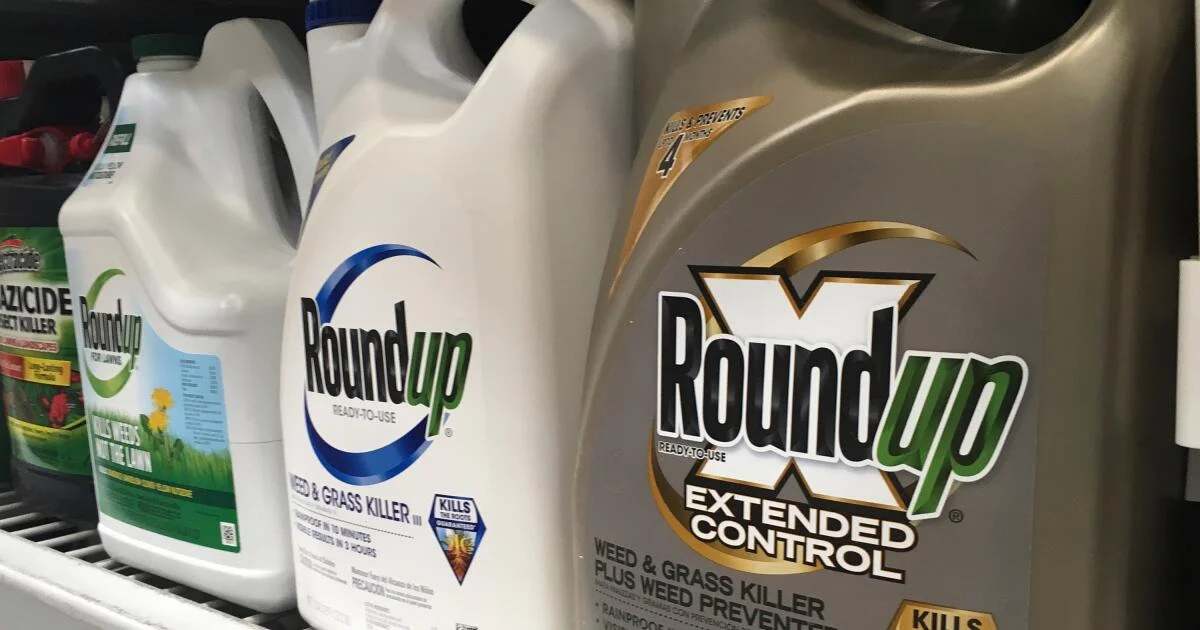
President Trump signed an executive order under the Defense Production Act to secure domestic production of glyphosate-based herbicides like Roundup and elemental phosphorus, granting immunity to manufacturers and arguing the move is essential to national security and food supply. Health and environmental groups criticize it amid thousands of lawsuits alleging cancer risks, while Bayer says it will comply and pursues preemption in courts; the policy could affect litigation as a Supreme Court preemption case awaits in April.
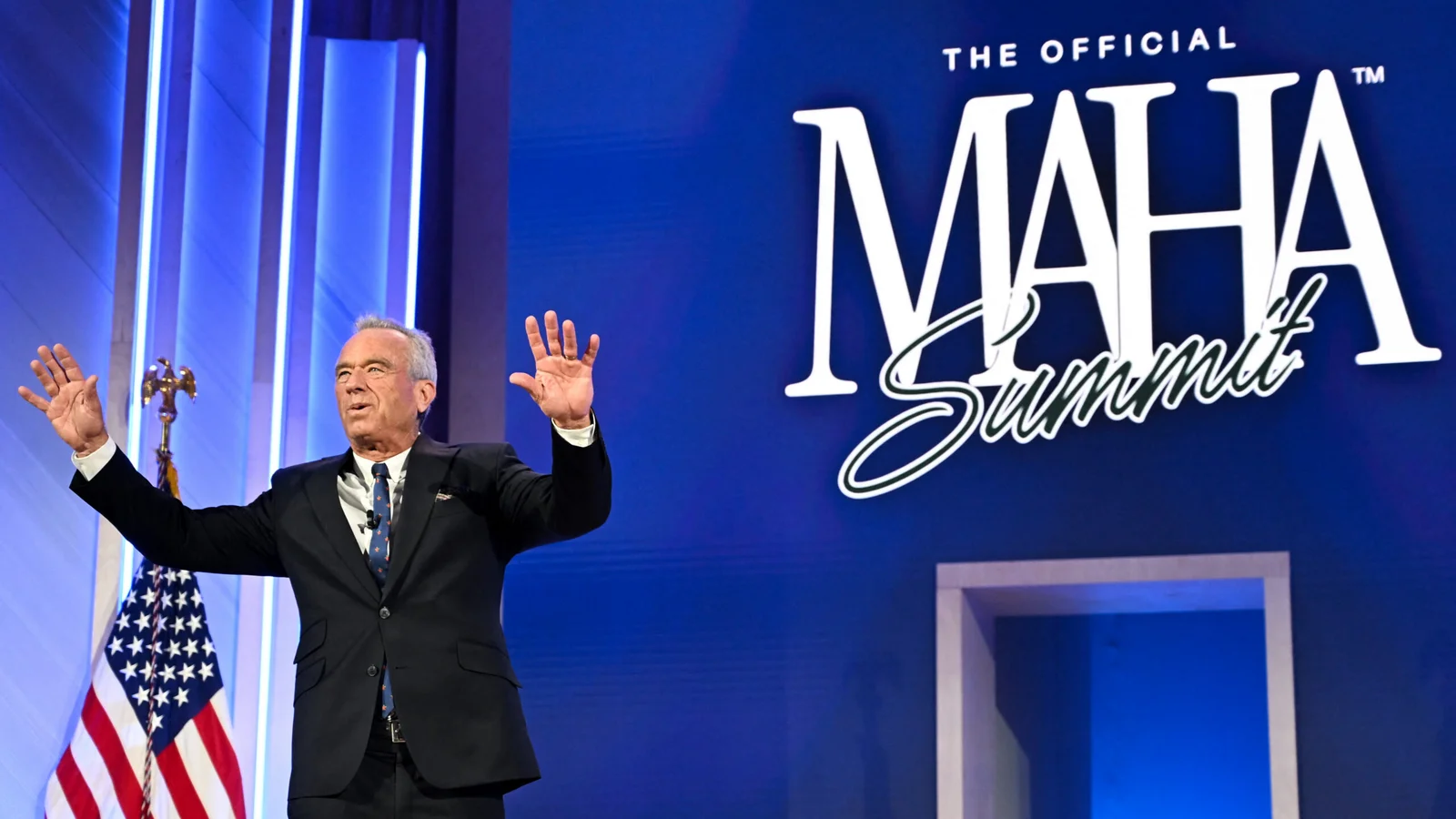
Health and Human Services Secretary Robert F. Kennedy Jr. defended President Trump’s Defense Production Act order to boost domestic glyphosate production, while the Make America Healthy Again coalition that helped Trump’s 2024 win grapples with the move as midterm pressures mount; the policy argues glyphosate and elemental phosphorus are vital for agriculture and national security, even as critics warn it undermines MAHA’s pledges against the chemical.
President Trump invoked the Defense Production Act to boost domestic production of elemental phosphorus and glyphosate-based herbicides (Roundup), citing defense and food security; the move aligns with the Make America Healthy Again stance amid ongoing controversy and lawsuits over glyphosate's health effects, and tasks the Agriculture Secretary with implementing expanded production while highlighting U.S. reliance on limited domestic producers and potential supply-chain vulnerabilities.
Bayer and plaintiffs’ lawyers unveiled a proposed nationwide settlement of up to $7.25 billion to resolve more than 125,000 U.S. Roundup cancer lawsuits, funded over as many as 21 years with payouts varying by exposure and age. The deal, which still needs Missouri court approval, would provide compensation even if the Supreme Court sides with Bayer on labeling preemption, while potentially shielding the company from larger future costs. Separately, Bayer has halted glyphosate in U.S. residential markets but continues its use in agriculture; regulators say glyphosate is unlikely to be carcinogenic when used as directed. Some plaintiffs’ attorneys say payouts are too small and opt-outs could derail the agreement.),
RFK Jr., sworn in as Trump’s health secretary, launched the Make America Healthy Again commission to tackle children’s health and nutrition, but faces fierce pushback from farmers, Republicans, and industry groups. The May report singled out ultraprocessed foods and pesticides like glyphosate, triggering lobbying pressure and tense meetings with lawmakers; subsequent reports largely avoided pesticides to mollify allies. Kennedy’s vaccine-policy moves—reducing recommended vaccines and reshaping FDA oversight—have sparked lawsuits, partisan based pushback, and leadership upheaval within HHS and FDA, signaling that much of his agenda may be rolled back by future administrations or Congress. The result is a precarious balance: impactful but reversible policy wins amid a deep partisan rift over public health, industry influence, and regulatory reform.
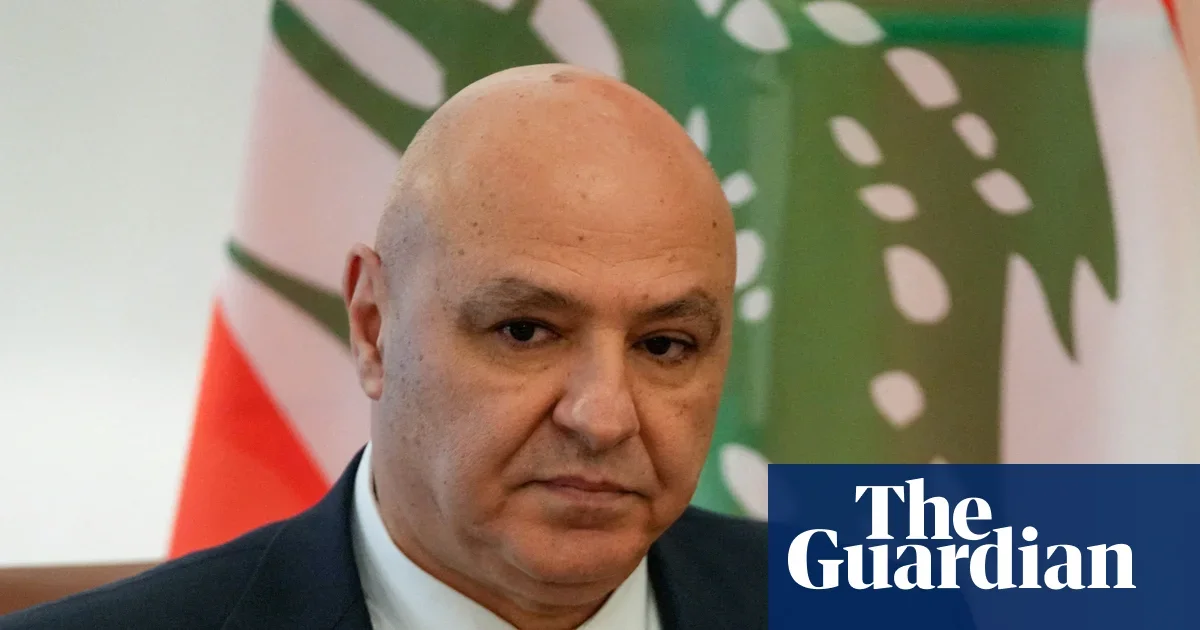
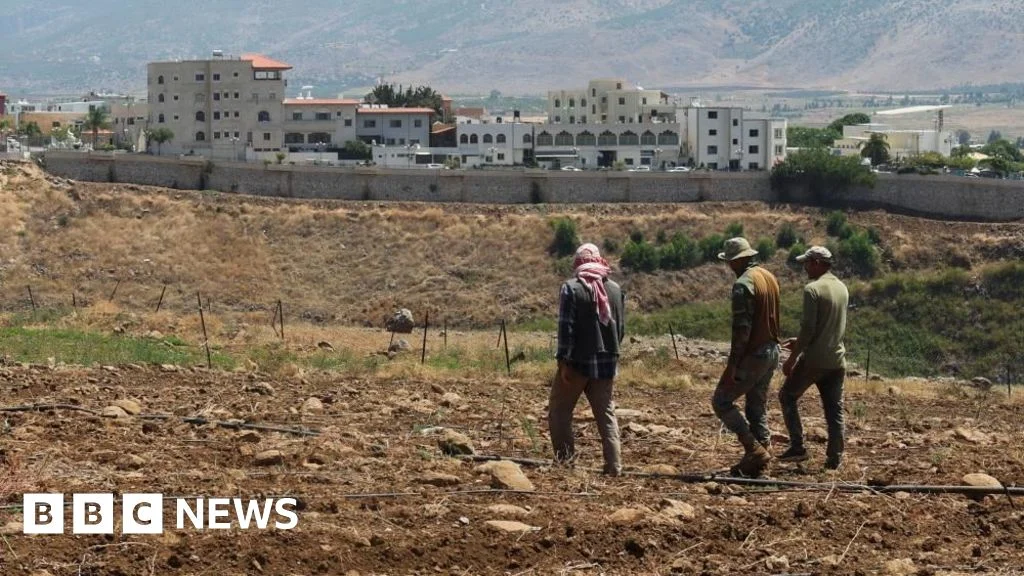
Lebanon has accused Israel of spraying glyphosate, a cancer-linked herbicide, over farms in the south, calling it an environmental and health crime that could threaten food security. Beirut says lab analyses show elevated glyphosate levels and UN peacekeepers reported being advised to take cover during an Israeli aerial operation, while Israel has not commented.
Lebanon says Israeli aircraft sprayed concentrated glyphosate over southern border villages; labs reportedly found levels 20–30 times the usual, prompting condemnation as a sovereignty violation and environmental harm. Israel declined to comment; UN peacekeepers were warned to shelter after being notified of planned spraying. The motive remains unclear, but experts warn of ecological damage and jeopardized farming livelihoods amid continuing border tensions.
The Supreme Court agreed to hear Bayer’s appeal aimed at blocking thousands of state lawsuits alleging the Roundup weedkiller causes cancer, weighing whether EPA approval without a cancer warning should defeat the claims. The Trump administration backs Bayer, reversing the Biden administration, while EPA officials say glyphosate is unlikely to be carcinogenic when used as directed. Bayer has set aside about $16 billion to settle claims and has pushed for state-level immunity laws, with Georgia and North Dakota enacting such measures. A Missouri case involving non-Hodgkin’s lymphoma is part of the docket, and Bayer faces roughly 181,000 claims overall. A 2024 appellate ruling favored Bayer, and the company has signaled it could remove glyphosate from U.S. residential markets but would retain it for agriculture; timing for arguments remains uncertain.
The Supreme Court will hear Monsanto’s bid to preempt state-law warnings about Roundup’s cancer risk under federal pesticide law, potentially shielding the company from tens of thousands of lawsuits even though the EPA has not required a cancer warning. The case could affect more than 100,000 plaintiffs and clarify whether federal rules override state claims; a decision is expected by late June with arguments possibly in April.