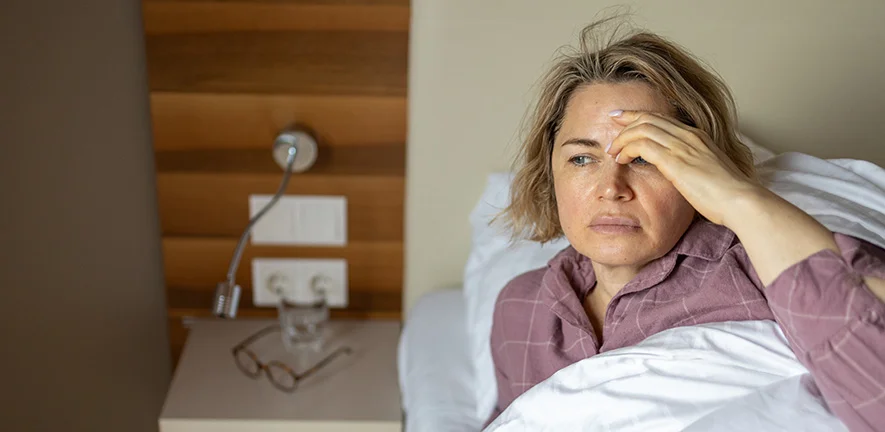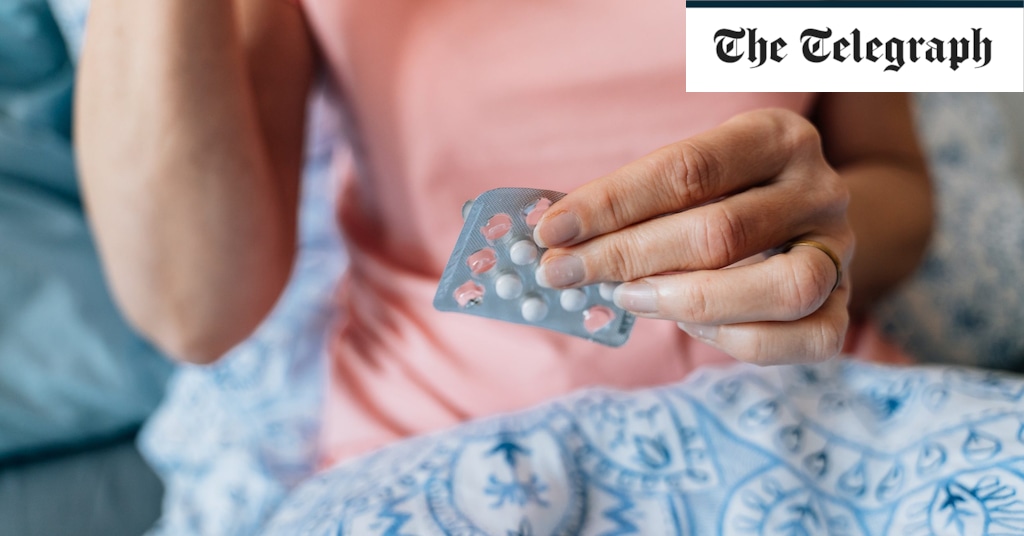
The FDA plans to remove safety warnings from hormone replacement therapy products used for menopause, sparking debate about balancing risks and benefits, with experts emphasizing the need for informed, personalized decision-making.
Kate Dyson, a Hastings woman who experienced sudden surgical menopause after ovary removal, is leading a campaign to improve NHS policies on menopause care, advocating for better information, support, and access to hormone replacement therapy for women undergoing similar procedures.
Dr. Keith Roach discusses the evolving understanding of hormone replacement therapy (HRT) for women over 60, emphasizing that while earlier studies suggested risks, newer interpretations indicate that HRT may be beneficial for women under 60 or within 10 years of menopause, especially when tailored to individual health profiles. He advises careful risk-benefit discussions with healthcare providers and notes that HRT is generally underused for menopausal symptoms, with current options like bioidentical hormones presenting fewer risks. Initiating HRT in women over 60 who are more than 10 years postmenopause is not recommended due to increased cardiovascular risks.
On World Menopause Day, the article highlights the significant gaps in menopause care in Utah and the U.S., including low hormone therapy usage, inadequate healthcare provider training, and limited treatment options, emphasizing the need for better education, holistic care, and policy changes to improve women's health outcomes.
The article discusses the benefits and considerations of hormone replacement therapy (HRT) for midlife women, highlighting personal stories and the debate over whether it should be universally recommended, especially given concerns like family history of breast cancer.
Official data shows that women in wealthy areas are twice as likely to have access to Hormone Replacement Therapy (HRT) compared to those in poorer areas, prompting calls for action from the NHS' first national director for women's health. The figures reveal a significant disparity in HRT prescriptions issued, with the wealthiest areas spending twice as much on HRT for middle-aged women compared to the poorest areas. The data also highlights that those in the least diverse areas are most likely to access HRT, reflecting a "cruel lottery" in menopause care provision.
Laura Anne Jones, a 43-year-old mother from Wales, was convinced she had terminal cancer due to severe muscle pain and exhaustion, but was shocked to discover she was actually suffering from menopause for three years. After seeking medical help and receiving hormone replacement therapy (HRT), her symptoms disappeared overnight, leading her to campaign for greater awareness of menopause symptoms and support in the workplace. She hopes her story will help other women recognize and seek help for menopause-related issues.
The menopause and the use of Hormone Replacement Therapy (HRT) have been sensationalized in the media, leading to a surge in prescriptions. However, there is debate over whether menopause should be treated as a disease and whether HRT is being oversold. While HRT can effectively reduce symptoms like hot flushes, it also comes with risks such as certain cancers and blood clots. The current narrative around menopause and HRT is being criticized for overselling the benefits and downplaying the risks, leading to confusion and pressure on doctors to prescribe. Additionally, there is a call for a more balanced conversation about menopause and a consideration of alternative treatments such as cognitive behavioral therapy.
Experts argue that menopause is being over-medicalized and treated as a disease rather than a natural part of aging, leading to over-prescription of hormone replacement therapy (HRT). They advocate for a new approach focused on health empowerment, self-management, and considering women's lifestyles. While HRT can help with symptoms like hot flushes and bone health, it may not be effective for all women, and its long-term benefits may diminish after stopping. They emphasize the need to change the narrative around menopause as a natural part of healthy aging and challenge the misconception of it as a solely medical issue.
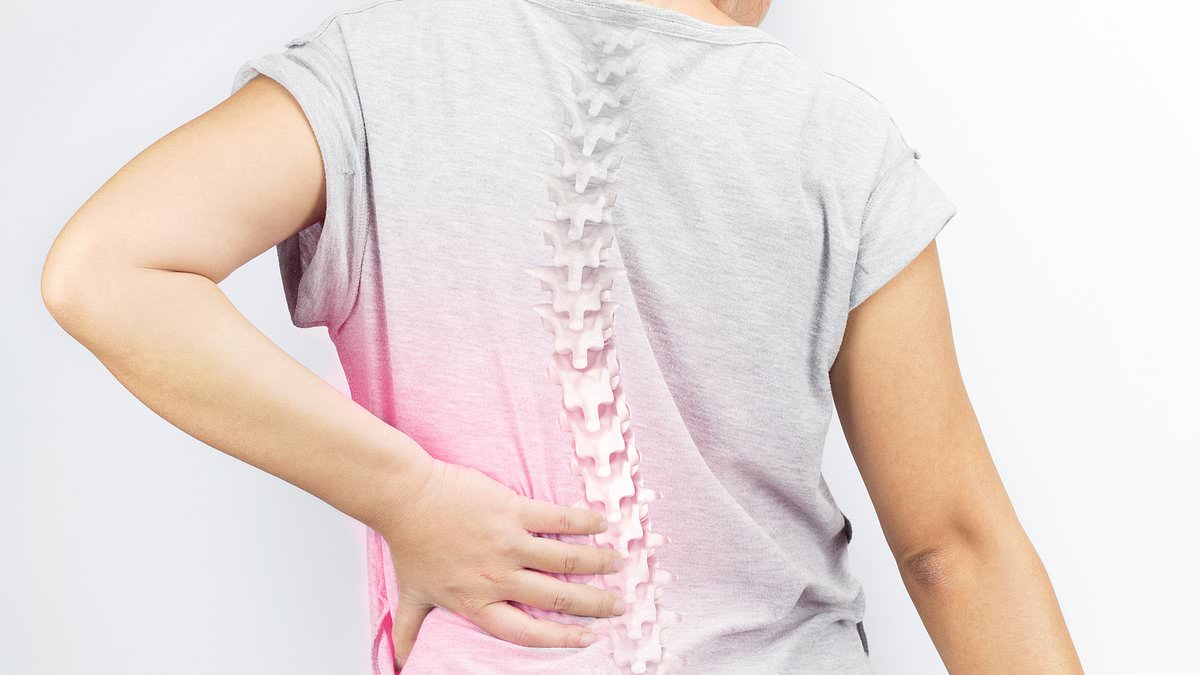
Pain in the coccyx, or coccydynia, can be caused by sitting for long periods, injury, pregnancy, or hypermobility. Remedies include using a doughnut-shaped cushion, sleeping on your side, and avoiding constipation. Pelvic pain, bleeding between periods, and watery blood-stained discharge may indicate an infection, polyp, or cancer, and should be assessed by a doctor. High blood pressure and hormone replacement therapy (HRT) can be managed with regular monitoring and proper use of blood pressure monitors. Endometriosis diagnosis can be delayed, and new ultrasound techniques can help determine the need for diagnostic surgery. Shorter hospital stays are generally preferred for better recovery.
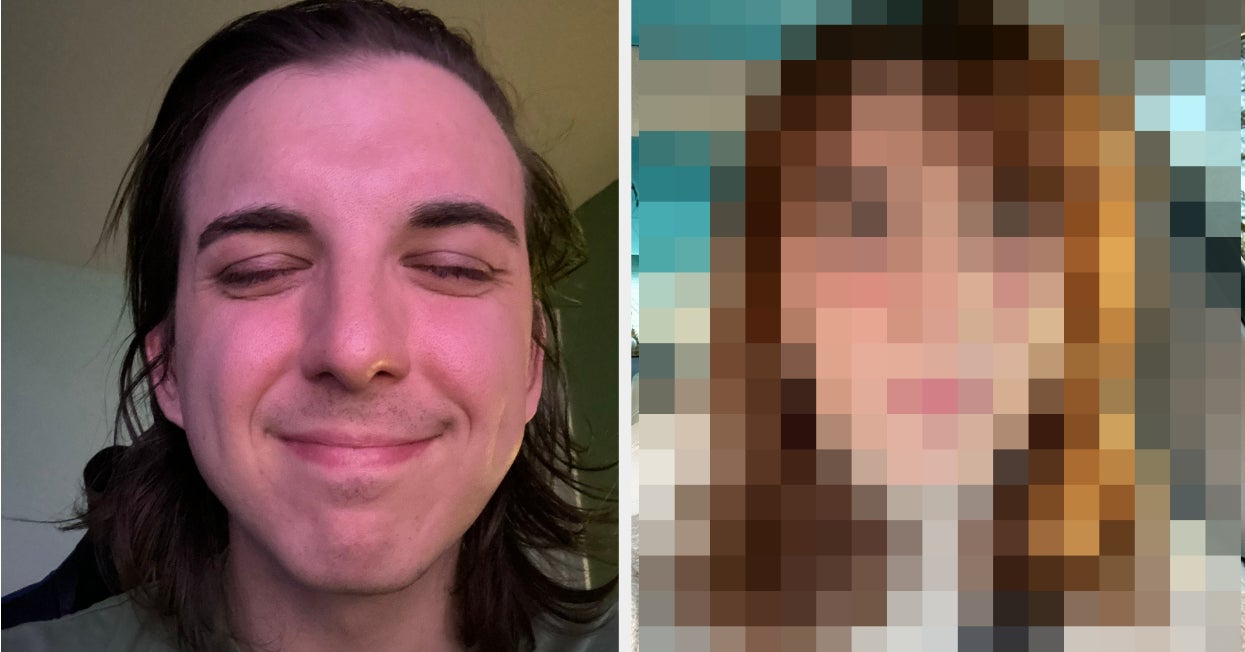
Kris Tyson, a transgender individual, has shared before and after pictures of their hormone replacement therapy (HRT) journey, emphasizing the life-saving impact of informed consent HRT. Kris highlighted the unnecessary obstacles gender non-conforming (gnc) people face when accessing gender-affirming healthcare, advocating for the right to make informed decisions about one's own body. The post on the social media platform X, which Kris uses to raise awareness, has sparked discussions about the accessibility of transgender healthcare services.
A recent news report claimed that hormone replacement therapy (HRT) should not be prescribed to alleviate symptoms of anxiety and depression in menopausal women, citing little evidence of its effectiveness. However, upon closer examination of the 2023 Practitioner's Toolkit for Managing Menopause, it is revealed that the study only found no benefit for depressive symptoms in postmenopausal women, while suggesting potential benefits for mood in perimenopause. More research is needed in this area, as the menopause affects millions of women who often suffer in silence. While HRT shortages and a lack of symptom recognition by doctors remain concerns, it is a relief to know that HRT is not being completely dismissed.
Short-term and cyclical use of hormone replacement therapy (HRT) for menopausal symptoms is associated with a 24% increased risk of developing dementia and Alzheimer's disease (AD) in women in their 50s, according to a large observational study. The increased risk was present even in women who used HRT for brief periods at menopause onset. However, further research is needed to determine if the increased risk is due to HRT use or other underlying factors. The study adds to the ongoing debate surrounding the safety of HRT and highlights the need for more research on the effects of hormones on women's brain health.
MrBeast defended his friend Chris Tyson's decision to undergo hormone replacement therapy (HRT) after a troll criticized him on Twitter. However, someone created fake DMs to disparage MrBeast and his crew for supporting Tyson. KeemStar confirmed that the DMs were fake, and it seems to be a ploy by someone who doesn't approve of Tyson's decision and MrBeast's support. Regardless, Tyson is happily undergoing necessary, gender-affirming treatment while the MrBeast brand grows to unprecedented heights.
Chris Tyson, a regular collaborator with YouTube star MrBeast, has received an outpouring of support after opening up about their gender identity and hormone replacement therapy (HRT) on social media. Tyson spoke out against the hurdles gender non-conforming people face in accessing gender-affirming healthcare, which includes HRT and surgery. While the response has been largely positive, trolls have attacked Tyson, who has clapped back at them. Tyson has said they are glad to see how talking about their journey has increased awareness of HRT and gender-affirming healthcare.