A large genetic analysis suggests that better mental well-being, influenced by lifestyle choices like eating cheese, can lead to longer and healthier lives. The study, using Mendelian randomization, found that cheese consumption positively impacts mental well-being and healthy aging, potentially more than other factors like smoking or fruit consumption. Further research is needed to understand why cheese has such a significant effect.
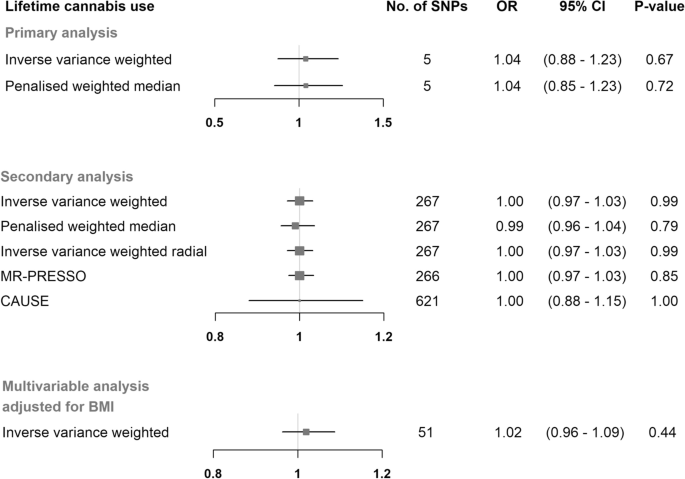
A Mendelian randomization study was conducted to assess the potential causal association between cannabis use and the risk of primary open-angle glaucoma (POAG), the most common subtype of glaucoma. The study utilized genetic variants as instrumental variables and analyzed summary statistics from genome-wide association studies on cannabis use and POAG. The results showed no evidence to support the hypothesis that cannabis use affects the development of POAG. However, the study had limitations, such as the inability to assess dose-dependent changes and the lack of investigation into other types of glaucoma. Further research is needed to confirm these findings.
Regular daytime napping may help maintain brain health and slow down brain shrinkage with age, according to a study by UCL and the University of the Republic in Uruguay. Researchers found that individuals genetically inclined to nap had larger brain volumes, which is associated with a lower risk of dementia. The study suggests that short daytime naps could be beneficial for preserving brain health as we age.
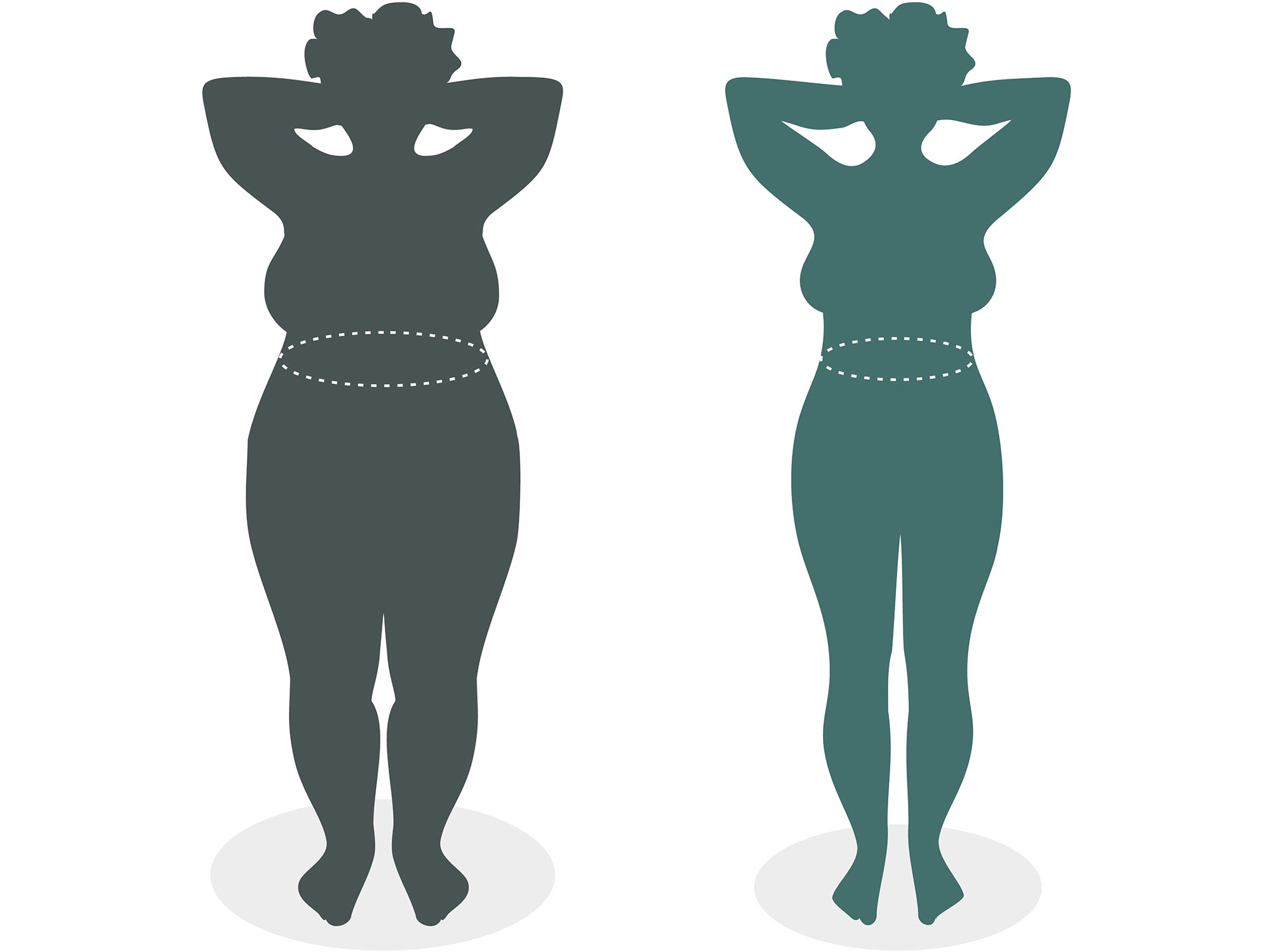
A meta-analysis of previous studies suggests that obesity may be one of the causes of depression. The researchers found that obese individuals have an increased risk of depression, and the rise in obesity rates in recent decades may contribute to the increased occurrence of depression. The study used Mendelian randomization to examine the relationship between obesity and depression and found that individuals with higher BMI values had a higher risk of depression. The researchers estimated that the doubling of obesity prevalence from the 1990s to 2010s could have increased the prevalence of psychological distress by half a percentage point. However, the study only focused on depression and did not consider other mental health consequences of obesity.
Insufficient sleep, particularly less than 5 hours per night, is strongly linked to an increased risk of developing peripheral artery disease (PAD), a condition that causes blocked arteries in the legs and increases the risk of stroke and heart attack, according to a new study published in the European Heart Journal. The study involved over 650,000 participants and used Mendelian randomization analysis to identify a causal relationship between sleep habits and PAD. The findings emphasize the importance of proper sleep in maintaining vascular health and preventing the onset of PAD. The American Heart Association recommends 7-9 hours of sleep per night for optimal cardiovascular health.
A new study has found that caffeine levels in the blood could affect the amount of body fat carried, which in turn could determine the risk of developing type 2 diabetes and cardiovascular diseases. The research team used genetic markers to establish a more definitive link between caffeine levels, BMI, and type 2 diabetes risk. The study involved data from just under 10,000 people collected from existing genetic databases, focusing on variations in or near specific genes known to be associated with the speed at which caffeine is broken down. The team thinks the association shown here could be down to the way caffeine increases thermogenesis and fat oxidation in the body, which both play an important role in overall metabolism.
Higher genetically predicted blood caffeine levels were associated with lower weight (BMI) and body fat, as well as a lower risk of type 2 diabetes, according to a study using Mendelian randomization. The potential role of calorie-free caffeinated drinks for lowering the risks of obesity and type 2 diabetes is probably now worth exploring, say the researchers. The study suggests that caffeine might, at least in part, explain the inverse association between coffee consumption and risk of type 2 diabetes.
New research using Mendelian randomization has found a possible link between high levels of caffeine in the blood and a reduced risk of high body fat and type 2 diabetes. The study focused on two common genetic variants that slow down people's metabolism of caffeine, resulting in higher blood caffeine levels. People genetically predisposed to high blood caffeine levels were less likely to have a high body mass index, high body fat, and type 2 diabetes. Clinical trials are needed to confirm whether calorie-free caffeinated drinks can help prevent these conditions.