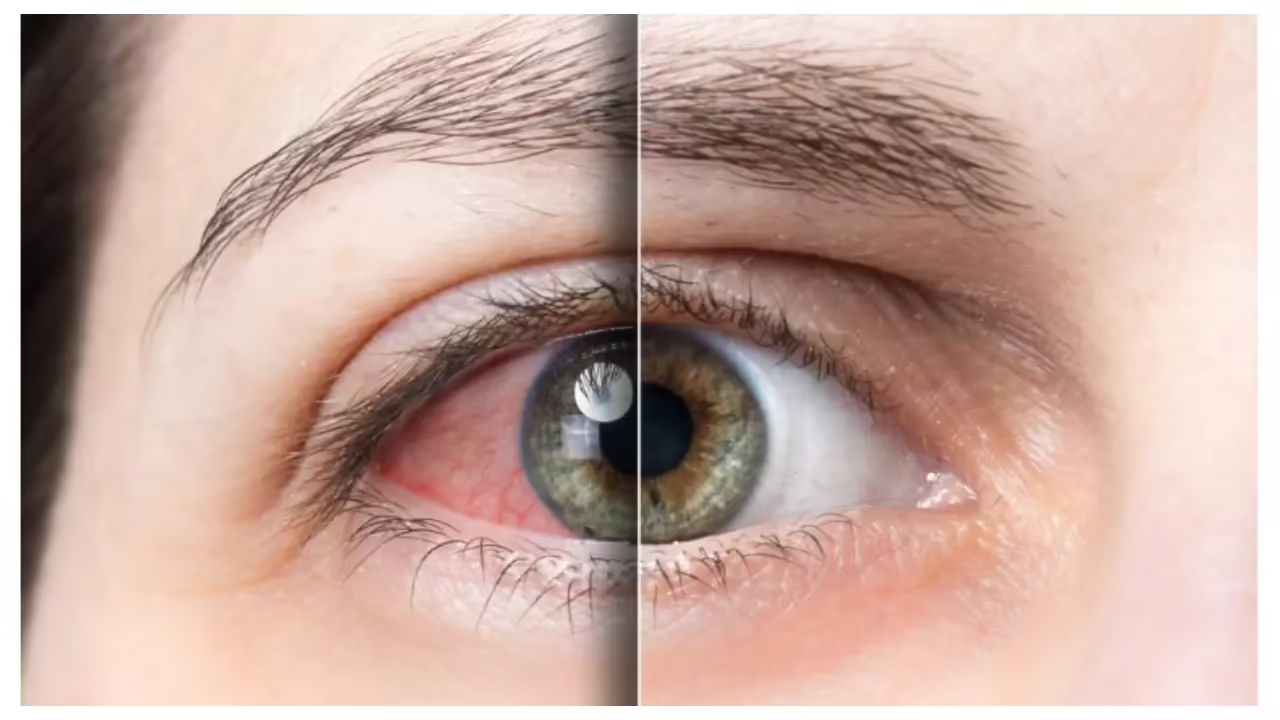
Some serious health conditions like high blood pressure, sleep apnea, glaucoma, diabetes, PCOS, and lung cancer often have minimal or no symptoms, making regular screenings crucial for early detection and prevention of serious damage.
Diabetes can cause serious eye problems including diabetic retinopathy, macular edema, cataracts, glaucoma, and retinal detachment, which can lead to permanent vision loss if untreated. Managing blood sugar levels and regular eye exams are crucial for prevention and early detection.
Squirrel, a Labradoodle from Perth, Scotland, who loves ambushing her owners and fellow canine friends, has won Pet of the Week. Other finalists include Max, a shelter dog with anxiety and PTSD, London and Sunny, rescue dogs who are inseparable, and Ollie the cat, who needs eye surgery for glaucoma. Owners can submit their pet's photos and stories to be featured in the Pet of the Week lineup.
Research shows that air pollution can harm eyes, leading to vision disorders such as cataracts and glaucoma. Even lower doses of air pollution can have negative effects on eye health, with fine particles from pollution significantly increasing the risk of these diseases. Studies have found that exposure to PM2.5 pollution may lead to accelerated thinning of nerves related to glaucoma, and high levels of pollution have been linked to a higher risk of needing cataract surgery. Pollution-sapping greenery in neighborhoods has been associated with a lower risk of myopia among children, and experts suggest wearing sunglasses, using eyedrops, and eating an antioxidant-rich diet to counteract the damaging effects of air pollution on the eyes. The best way to protect vision from dirty air is to stop burning fossil fuels.
Cataracts and glaucoma are common eye problems that become more prevalent with age, but they differ in their causes and symptoms. Cataracts, a natural part of aging, cause cloudy vision and trouble seeing at night, while glaucoma, a less common eye disease, can lead to a loss of peripheral vision and potential blindness. Risk factors for cataracts include age, sun exposure, smoking, and high blood sugar, while glaucoma risk factors include high eye pressure, uncontrolled high blood sugar, and high blood pressure. Annual eye exams, wearing sunglasses, eating a diet rich in fruits and vegetables, staying physically active, and managing stress are recommended to maintain good eye health and catch any issues early. If experiencing vision changes or eye pain, it's important to seek medical attention from an eye doctor.
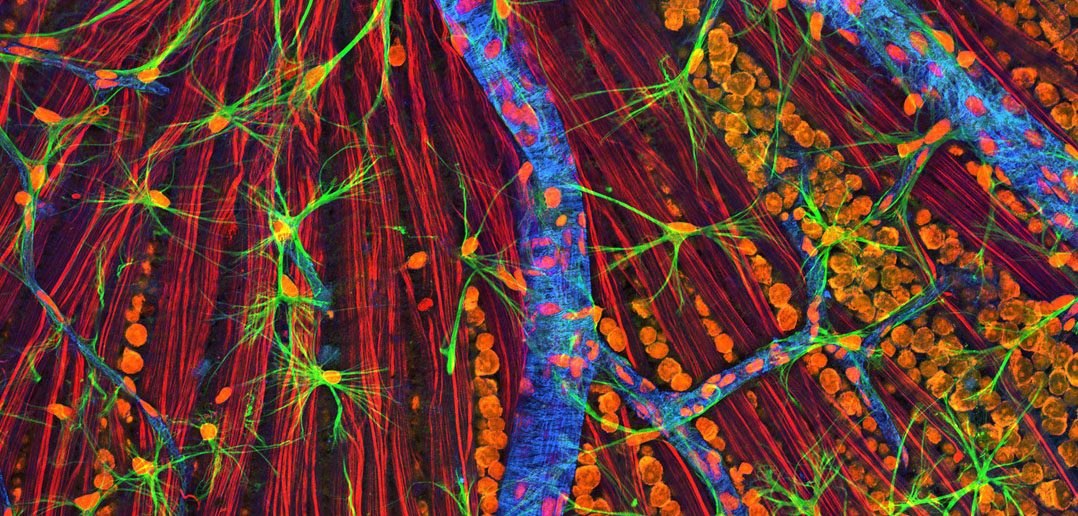
Researchers have discovered a molecular switch that regulates the reactivity of astrocytes, a type of brain cell, which can have neurotoxic or neuroprotective effects on the central nervous system. The study found that injured white matter astrocytes can differentiate into two distinct reactive populations, with neuroprotective astrocytes inhibiting microglial activation and promoting cell survival. By targeting this molecular switch, it may be possible to develop new treatments for conditions such as glaucoma and optic neuropathies.
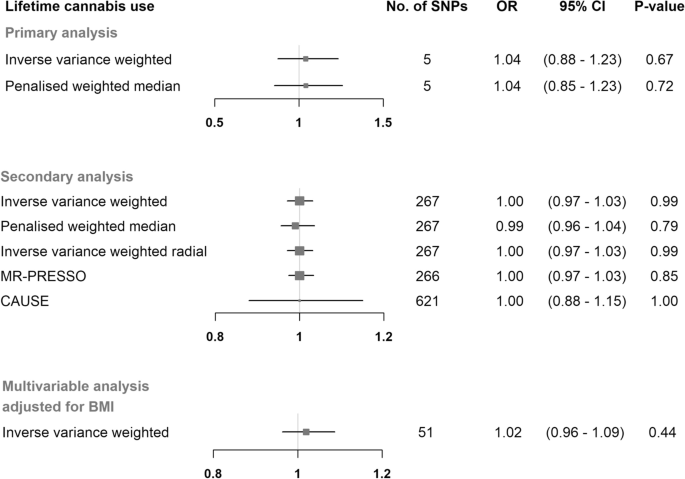
A Mendelian randomization study was conducted to assess the potential causal association between cannabis use and the risk of primary open-angle glaucoma (POAG), the most common subtype of glaucoma. The study utilized genetic variants as instrumental variables and analyzed summary statistics from genome-wide association studies on cannabis use and POAG. The results showed no evidence to support the hypothesis that cannabis use affects the development of POAG. However, the study had limitations, such as the inability to assess dose-dependent changes and the lack of investigation into other types of glaucoma. Further research is needed to confirm these findings.
Researchers at Harvard have created a comprehensive "cell atlas" of the human eye, identifying nearly 160 unique cell types and the genes expressed by each cell type. This groundbreaking atlas could revolutionize treatments for blinding diseases like glaucoma and macular degeneration by enabling highly targeted gene therapies. The study also offers insights into the evolution of human vision. The researchers analyzed 151,000 single cells across different eye structures, mapping the expression of over 180 genes associated with glaucoma. The atlas provides a blueprint for understanding which cell types express disease-associated genes and where they are expressed, informing both therapies for blindness and our understanding of vision's evolution.
Aging can lead to various vision problems, including presbyopia (age-related farsightedness), age-related macular degeneration (AMD), dry eyes, glaucoma, cataracts, and other changes in sight. These conditions can cause difficulties in seeing things up close, distinguishing colors, and peripheral vision loss. Regular eye exams, lifestyle adjustments, and treatments such as eyeglasses, surgery, and supplements can help manage and prevent further vision problems associated with aging.
A study conducted in Russia found a strong association between the level of retinal ganglion cell loss in patients with glaucoma and the severity of depression symptoms. Glaucoma, a group of eye conditions that harm the optic nerve, can lead to vision loss and blindness if left untreated. The study suggests that the progressive loss of retinal ganglion cells, which compromises eyesight quality, may affect non-visual processes related to light sensitivity and lead to mood disturbances. However, the study's limitations prevent establishing cause-and-effect relationships, and it remains unclear whether depression symptoms developed as glaucoma progressed or were present before the disease started.
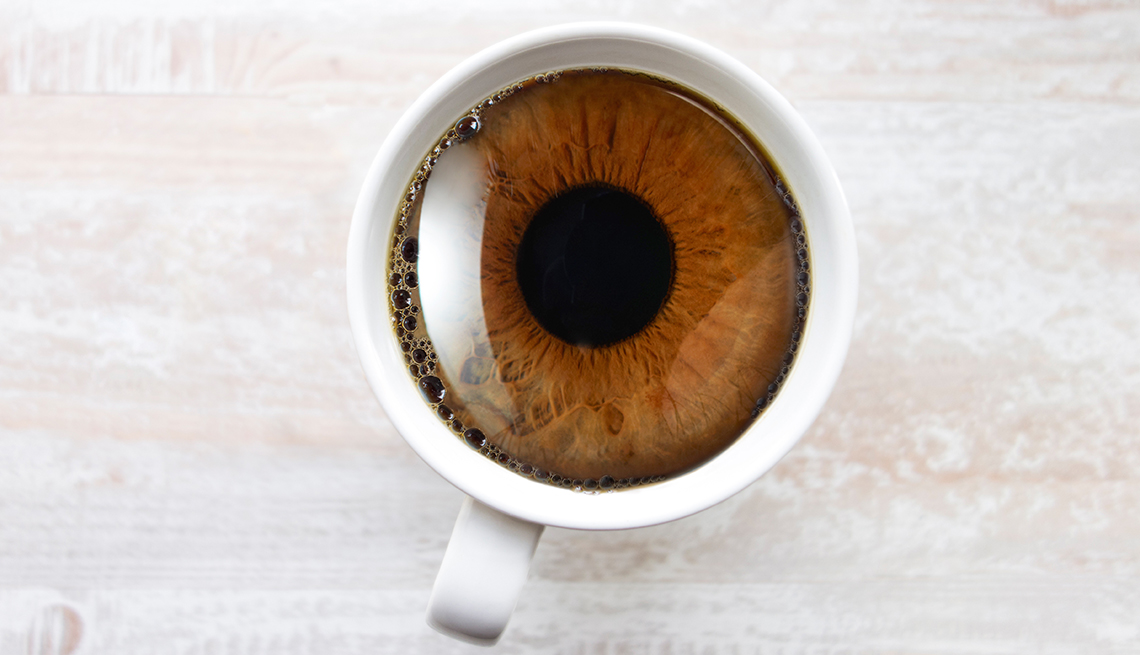
Moderate amounts of caffeine do not appear to increase the risk of eye disease for most people, but your actual risk depends on a variety of factors including how much caffeine you drink, if you already suffer from an eye problem or if you are predisposed to one. Caffeine may help with dry eye and cataracts, but may increase the risk of glaucoma for those who have a family history of the disease. Too much caffeine can worsen eyelid twitching, but reducing caffeine consumption and stress can help. Everything in moderation is key for eye health.