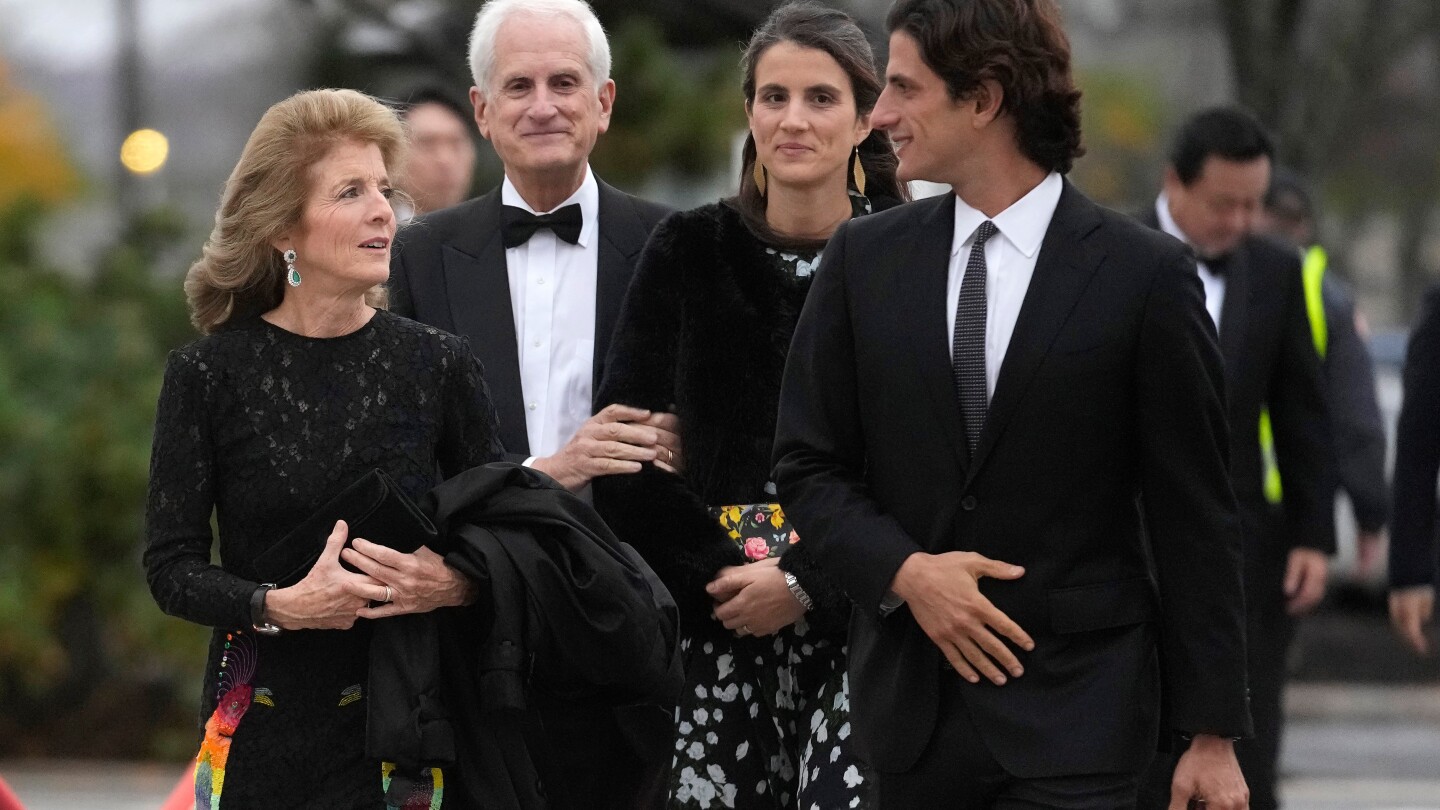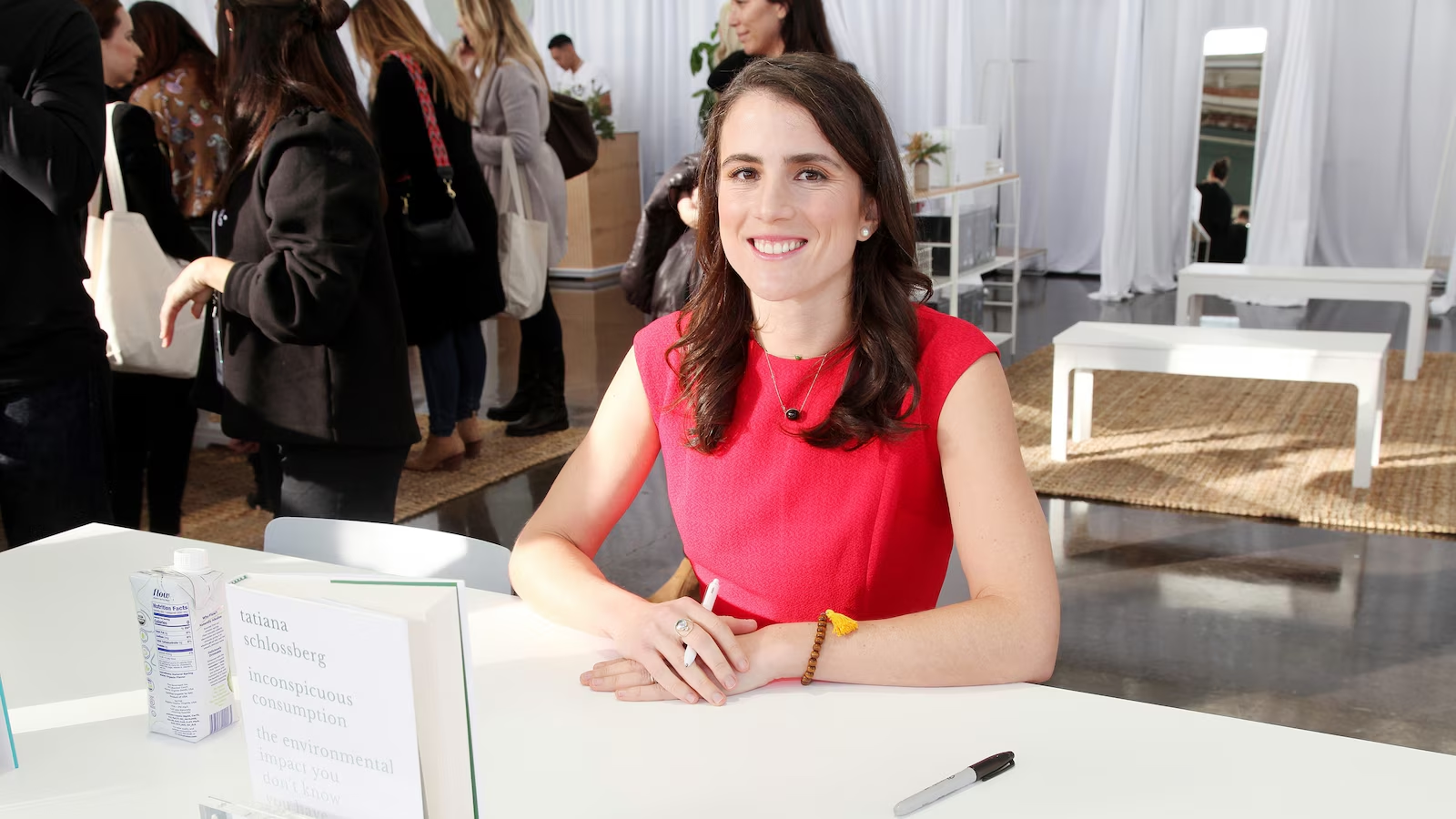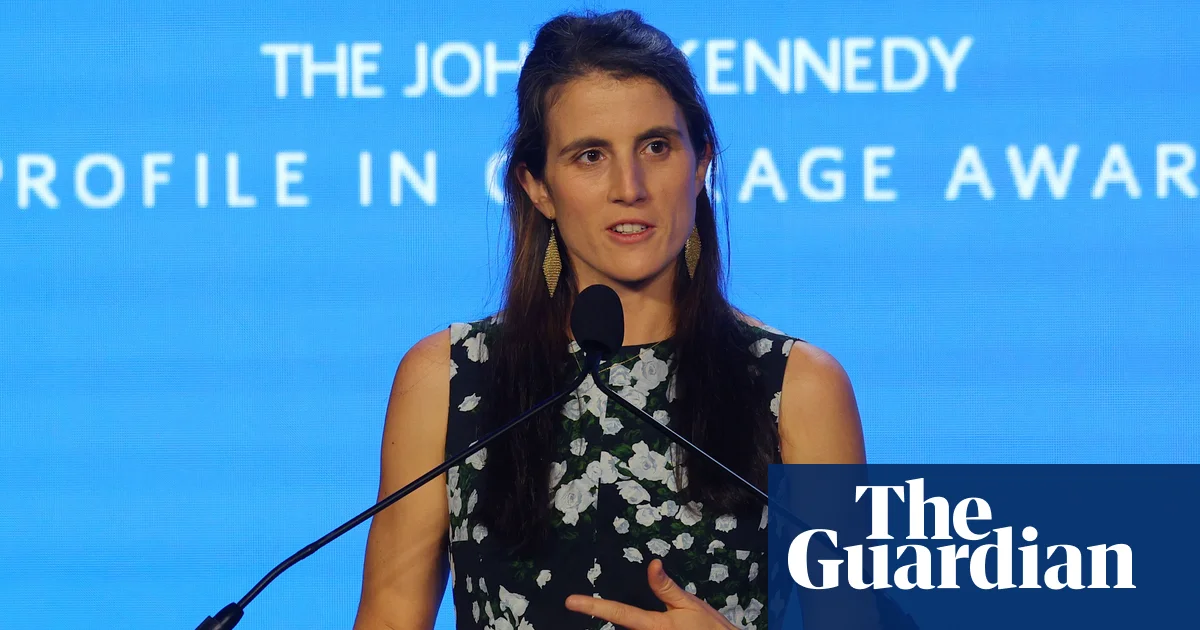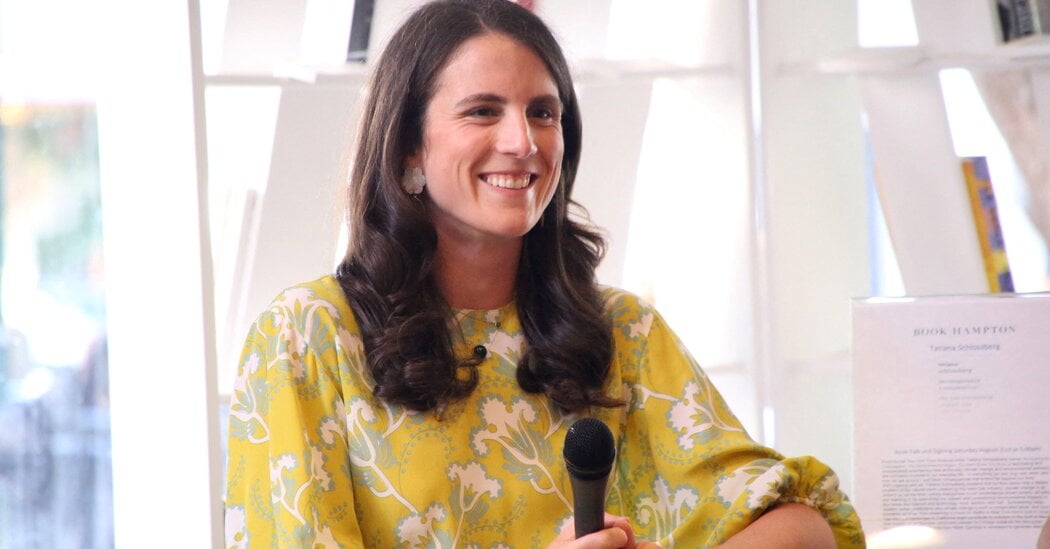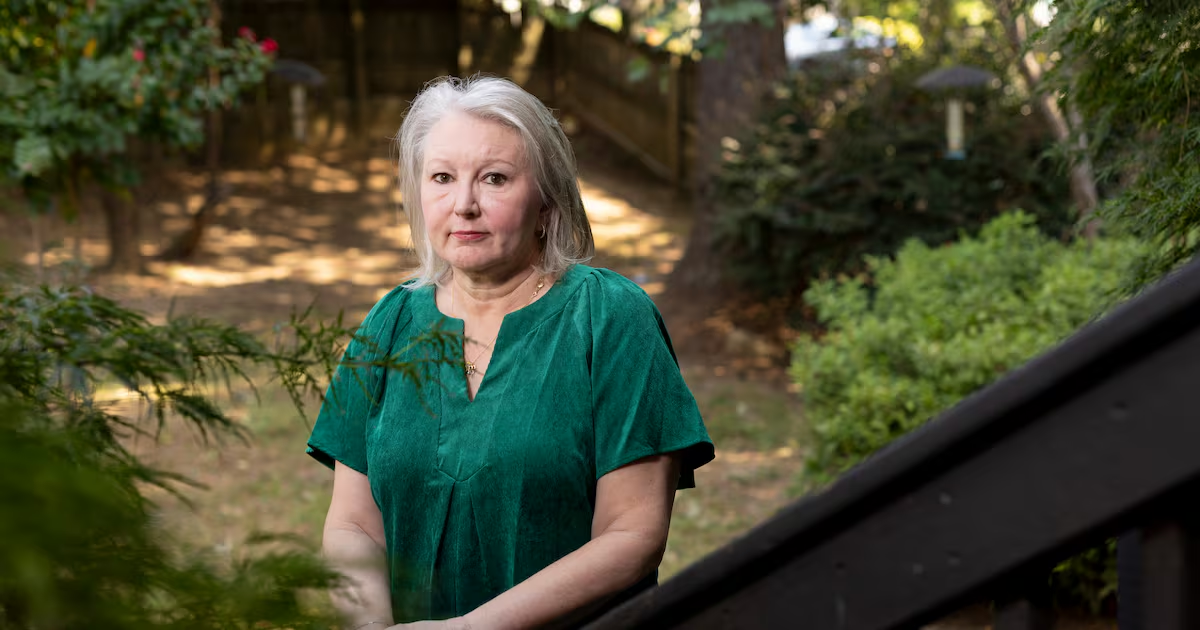
Tatiana Schlossberg, granddaughter of JFK and an environmental journalist, died at 35 after battling leukemia, leaving a legacy of environmental advocacy and family tragedy.
Tatiana Schlossberg, granddaughter of JFK and daughter of Caroline Kennedy, died at age 35 after battling a rare mutation of acute myeloid leukemia, which she publicly documented in an emotional essay about her fight and her hopes to live for her children.
Tatiana Schlossberg, granddaughter of JFK, died at age 35 from a rare form of leukemia, which she publicly discussed in an essay criticizing cuts to medical research funding and reflecting on her battle with the disease while leaving behind two young children.
Tatiana Schlossberg, a Kennedy family member and environmental journalist known for her candid essay on battling leukemia, died at age 35, with her death announced by the Kennedy Library Foundation.
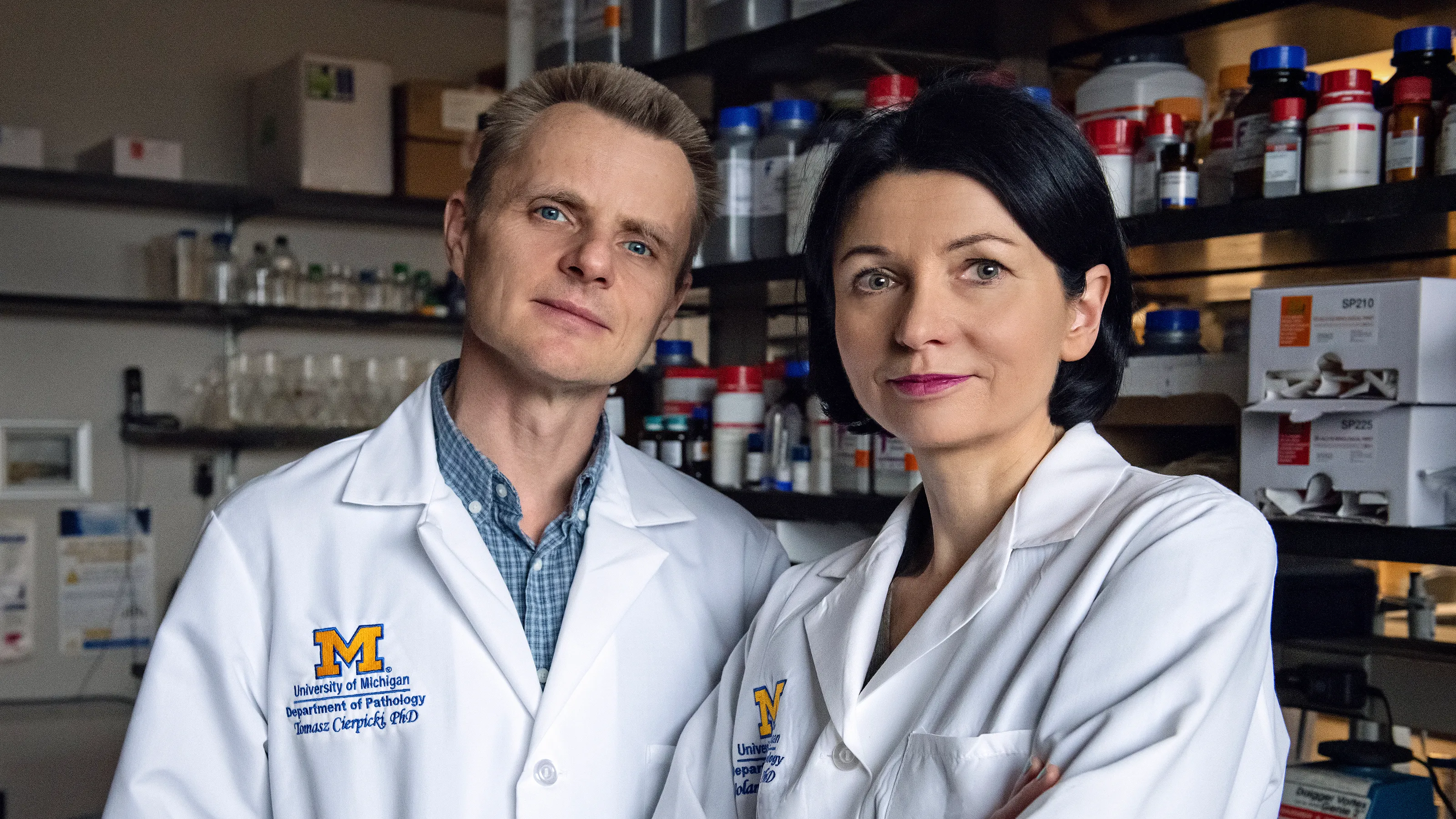
University of Michigan researchers have made a significant breakthrough in treating acute myeloid leukemia by advancing understanding of protein interactions that drive the disease, leading to improved care options for patients.
A newlywed couple faces a life-changing leukemia diagnosis, which tests their vows and reveals the depth of their love and commitment to each other and their family, transforming their understanding of marriage and partnership.
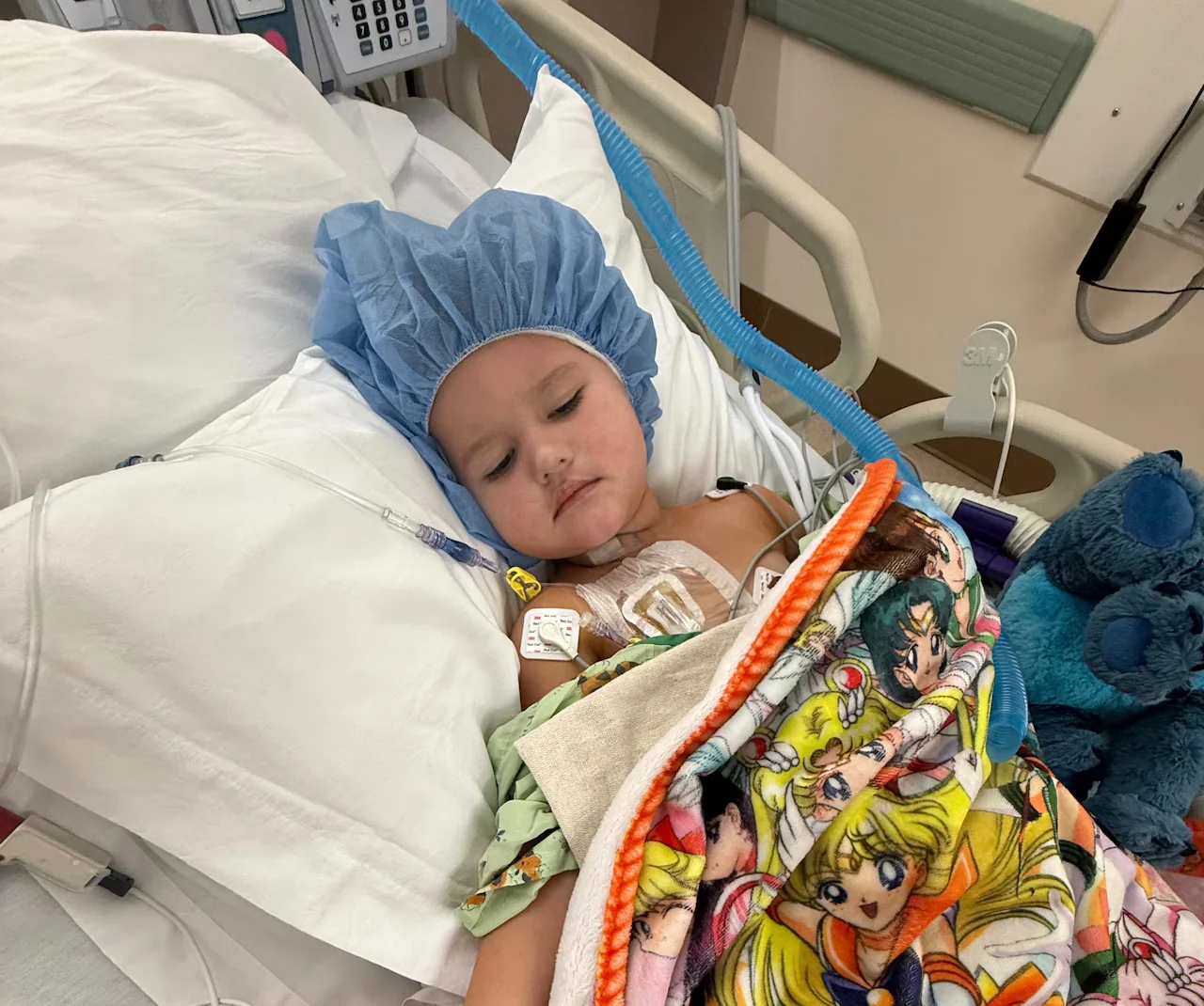
A 2-year-old girl from Staten Island, Lily Ashby, was diagnosed with leukemia on Halloween, prompting her family to start a GoFundMe to help cover treatment costs and support their long journey ahead, while they remain hopeful for her recovery and the arrival of a new sibling.
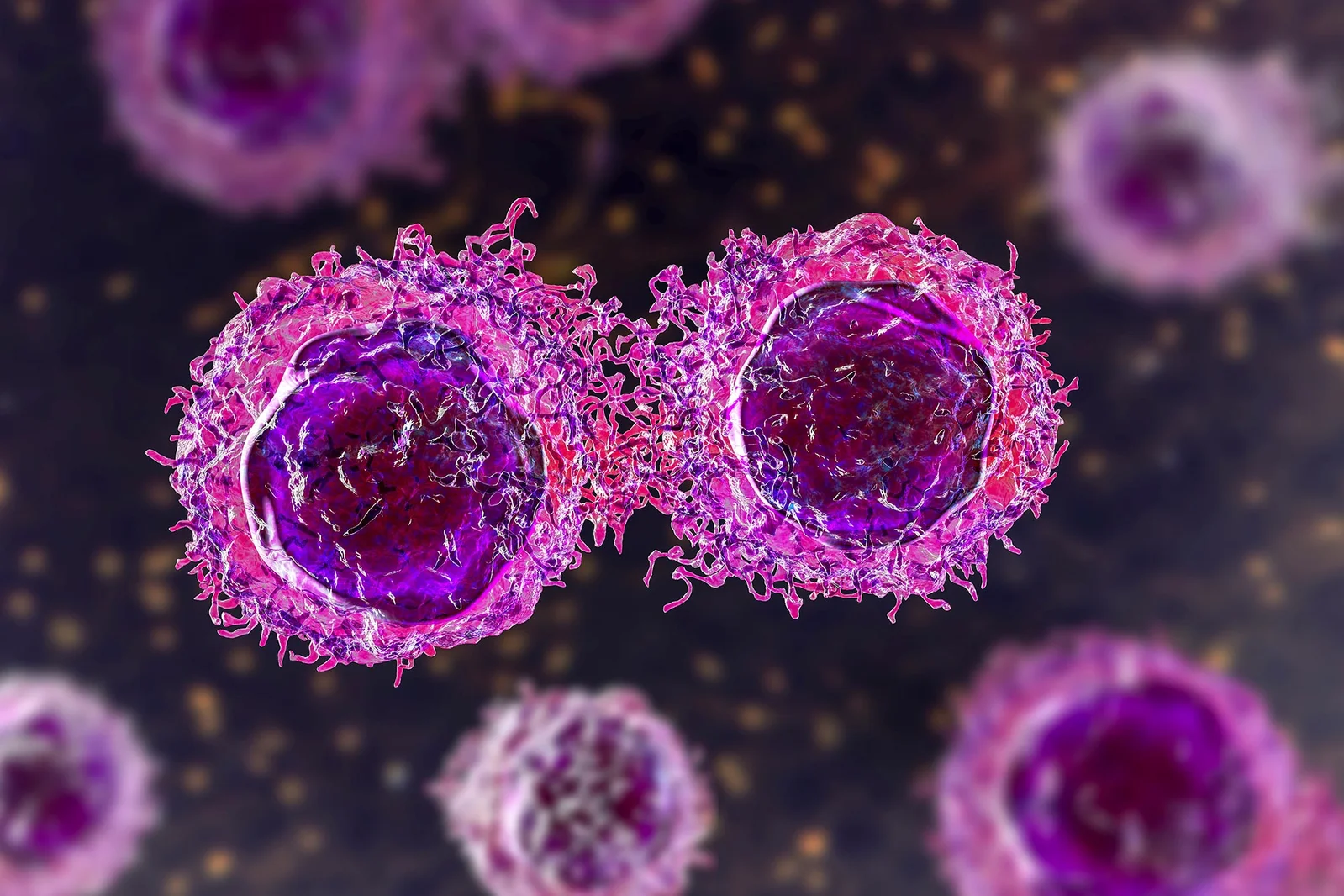
Researchers from Institut Pasteur and Inserm have developed a triple-drug therapy that reprograms how cancer cells die, activating the immune system to completely eliminate leukemia in preclinical models, offering a promising new approach for treating blood cancers.
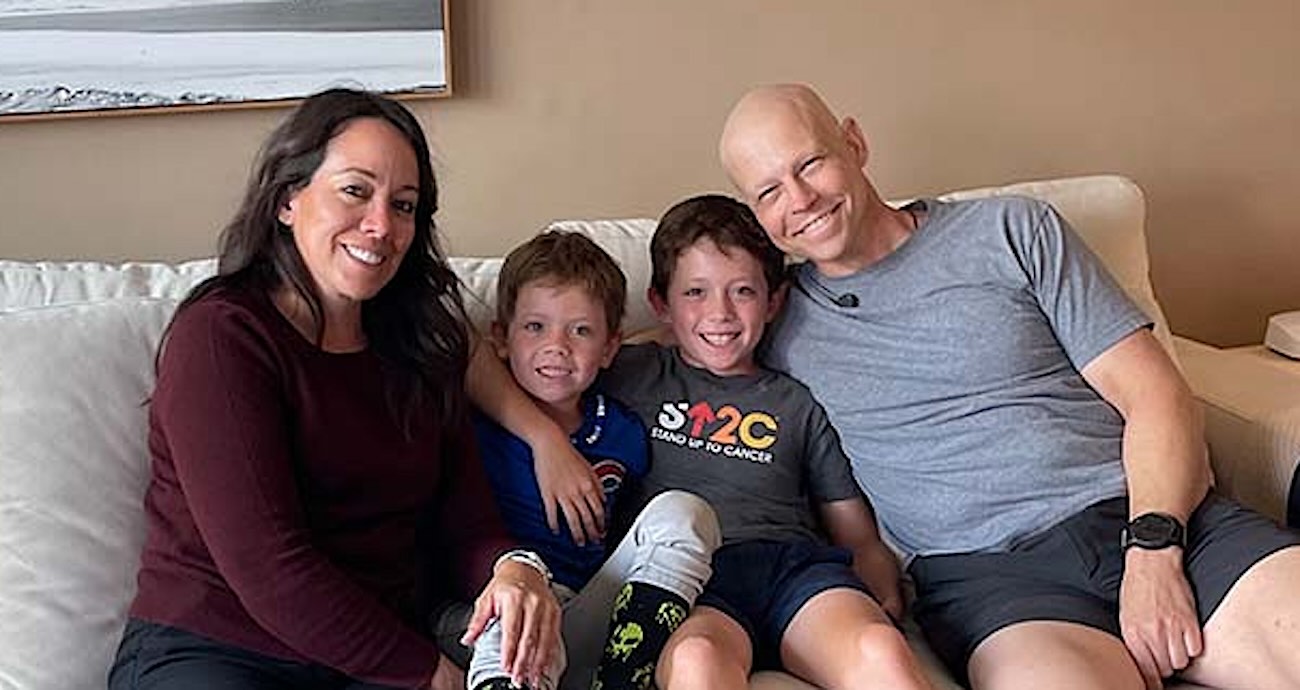
A 9-year-old boy, Stephen Mondek, became one of the world's youngest stem cell donors, saving his father from relapsed leukemia through a successful donation and transplant, highlighting a remarkable act of family heroism.
Anne Goyette, a leukemia patient in Georgia, faced delays and confusion in obtaining a COVID-19 booster amid policy changes under HHS Secretary Robert F. Kennedy Jr., highlighting broader chaos and uncertainty in vaccine policy and administration in the state and across the U.S.
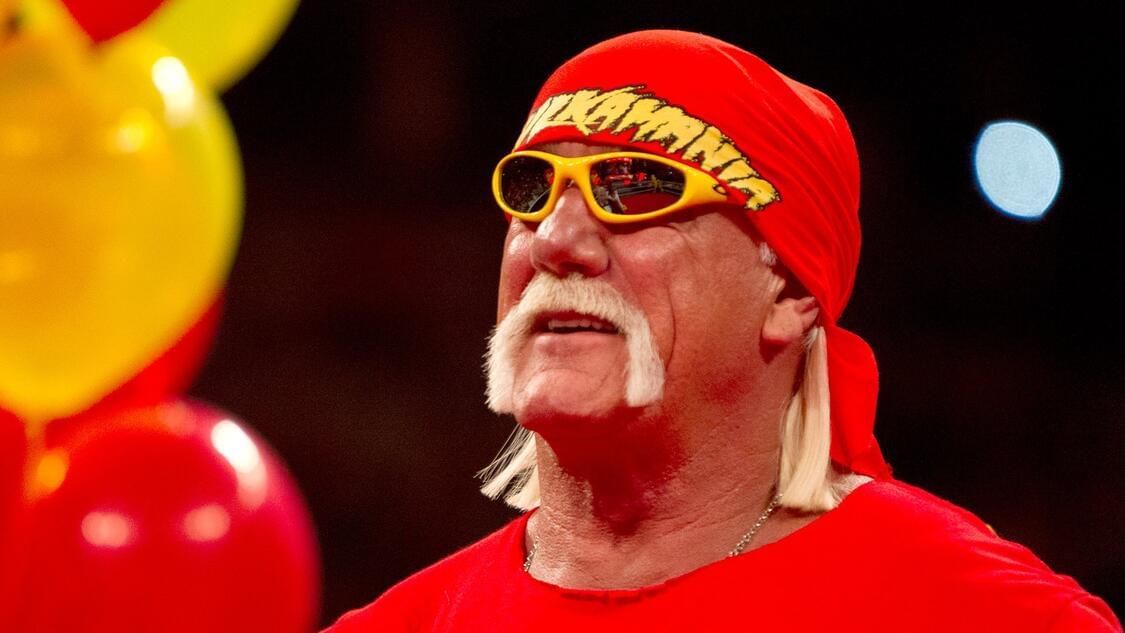
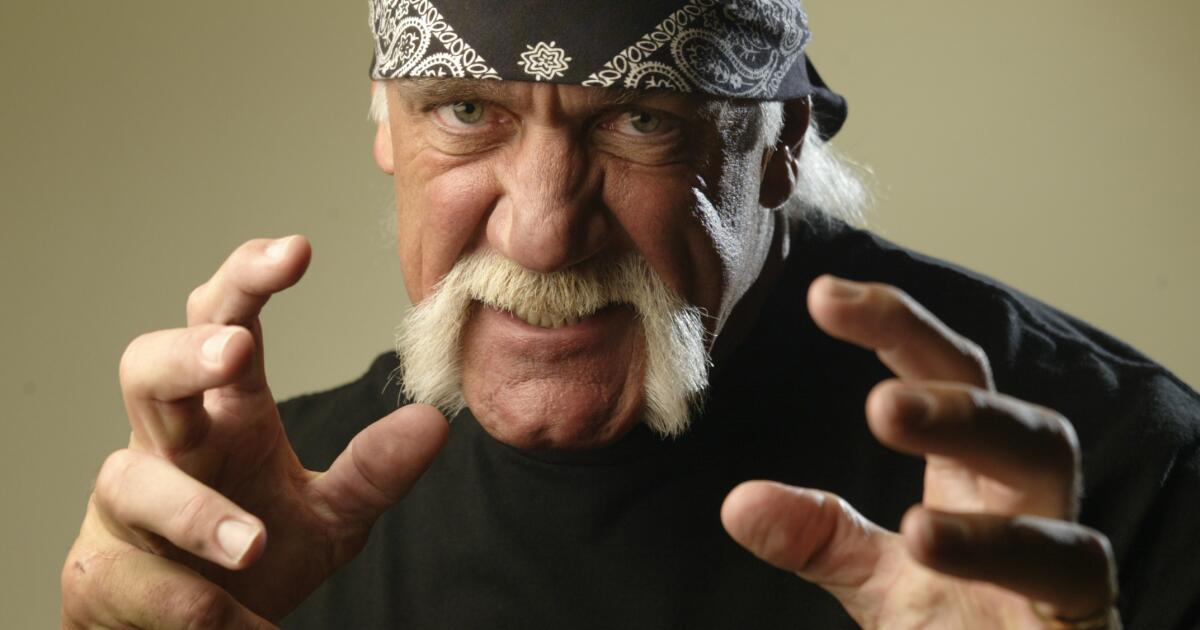
A controversial personality has claimed that Hulk Hogan was murdered, raising suspicions about his death and calling for an independent autopsy, amid doubts from Hogan's daughter about his cancer diagnosis and allegations of foul play.
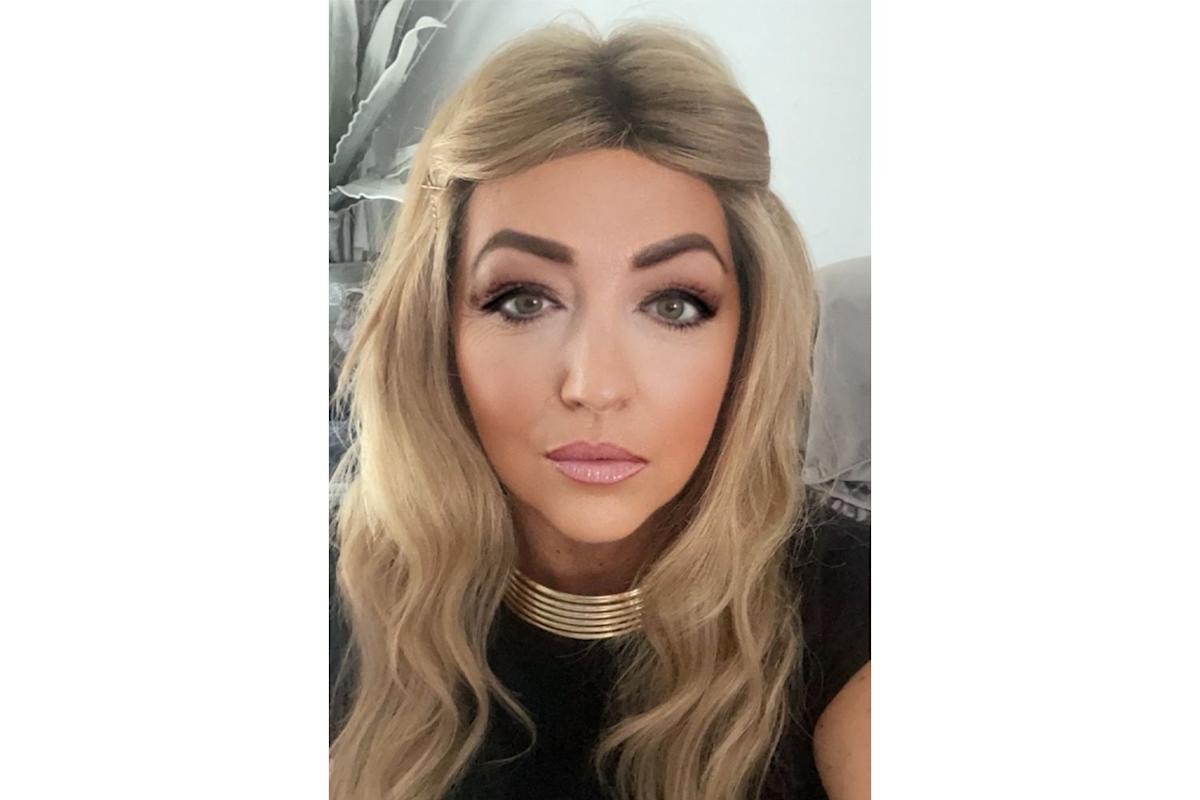
Sharon Smith, a healthy mother of two from Liverpool, was unexpectedly diagnosed with acute lymphoblastic leukemia after experiencing sudden chest pain, despite having no prior symptoms. She underwent chemotherapy, a stem cell transplant, and innovative CAR-T therapy, which ultimately proved successful, offering her hope for the future.
Hulk Hogan, the legendary pro wrestler and TV personality, died at age 71 from an acute myocardial infarction, with a history of atrial fibrillation and leukemia CLL. His death was confirmed by medical and police reports, and he was remembered fondly by family, fans, and public figures. Hogan's legacy spans wrestling, television, and political support, notably for President Trump.
Danika Hilmer, a new mother, was unexpectedly diagnosed with acute myeloid leukemia after experiencing abnormal bleeding post-delivery, which was initially mistaken for typical postpartum bleeding. Her diagnosis led to immediate treatment including chemotherapy and a stem cell transplant, highlighting the importance of blood tests in postpartum care. She later learned she also has breast cancer, emphasizing the need for regular health checkups. Her story underscores that cancer can develop silently and stresses the importance of preventative health care.
Recent research suggests that taurine, a common ingredient in energy drinks, may fuel leukemia progression by providing energy to cancer cells, raising concerns about the safety of high taurine consumption, especially in energy drinks combined with caffeine and sugar. While taurine is generally safe in moderate amounts from food, excessive intake through energy drinks could pose health risks, particularly for individuals with or at risk of blood cancers. Moderation and consultation with healthcare professionals are advised.