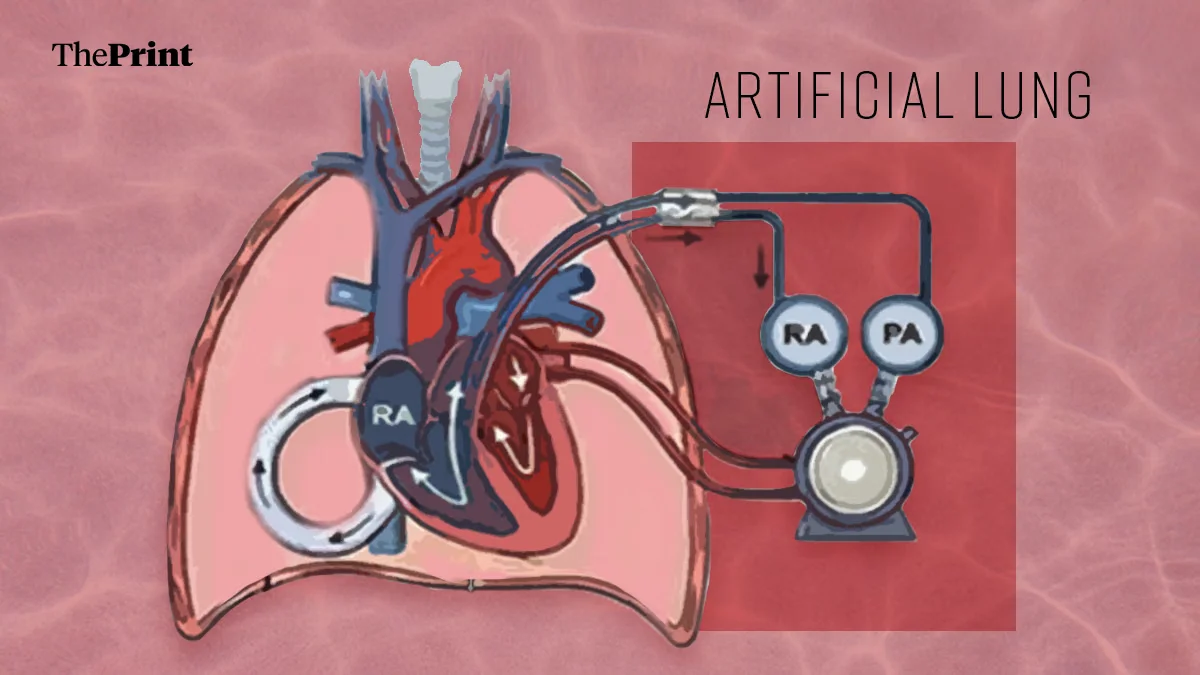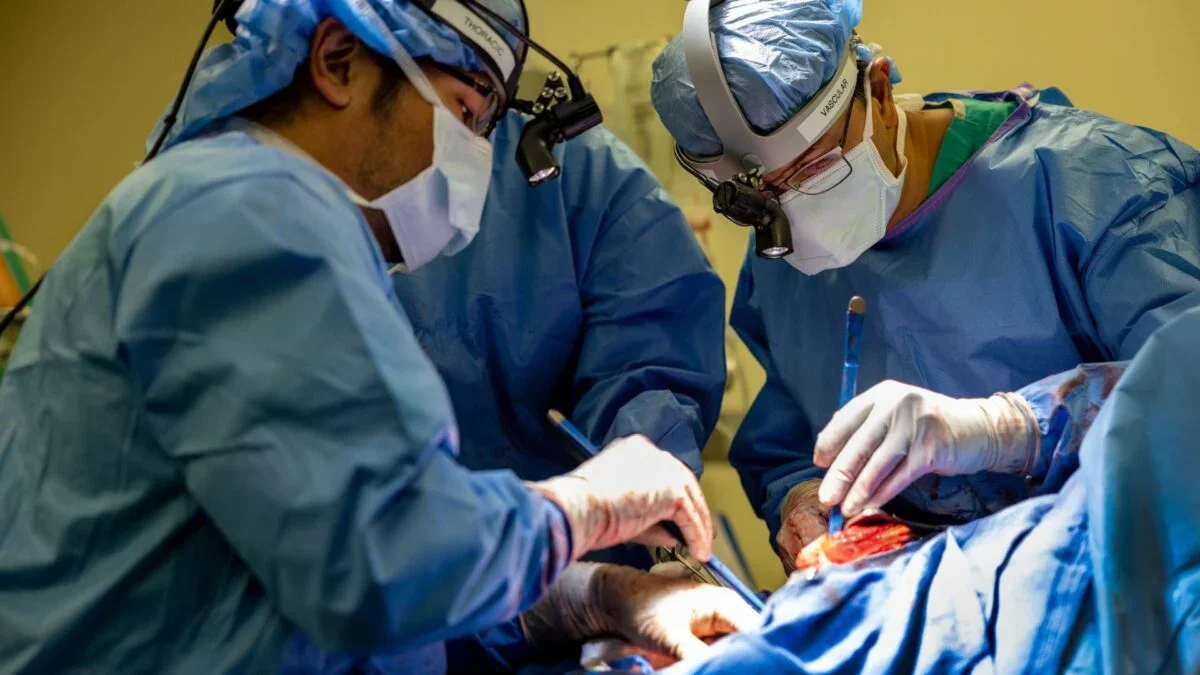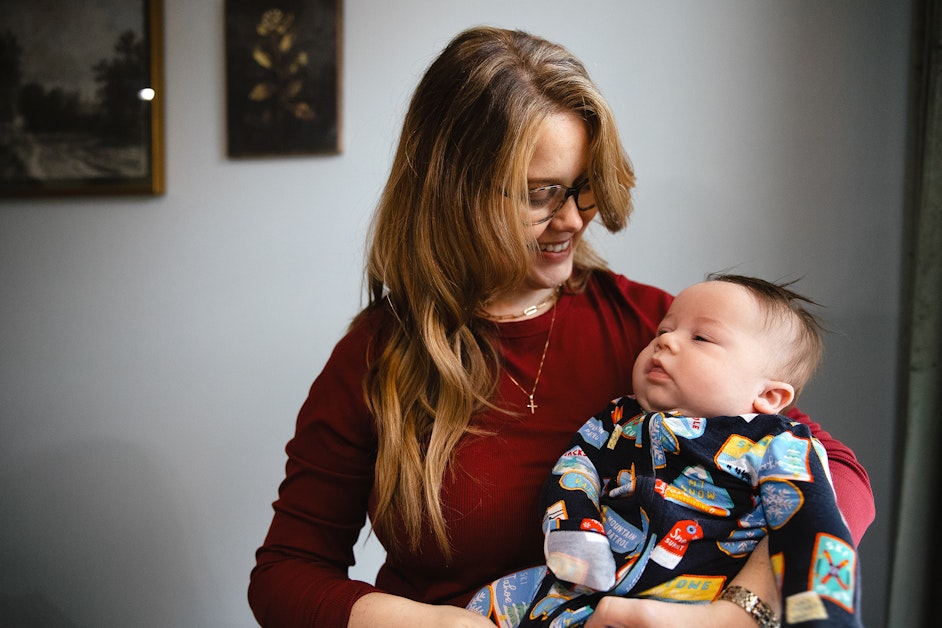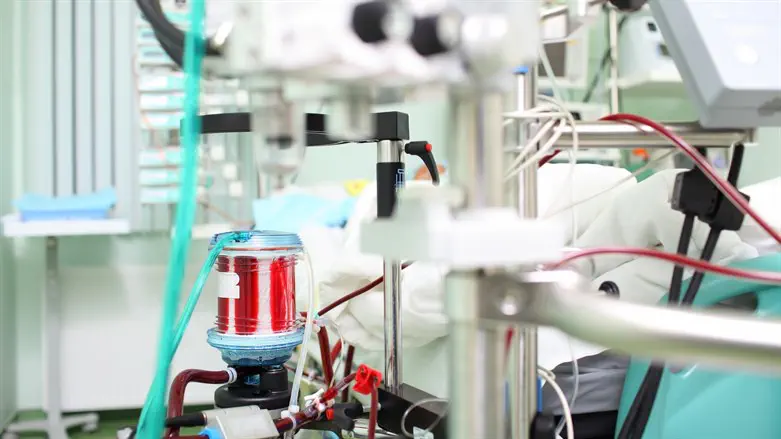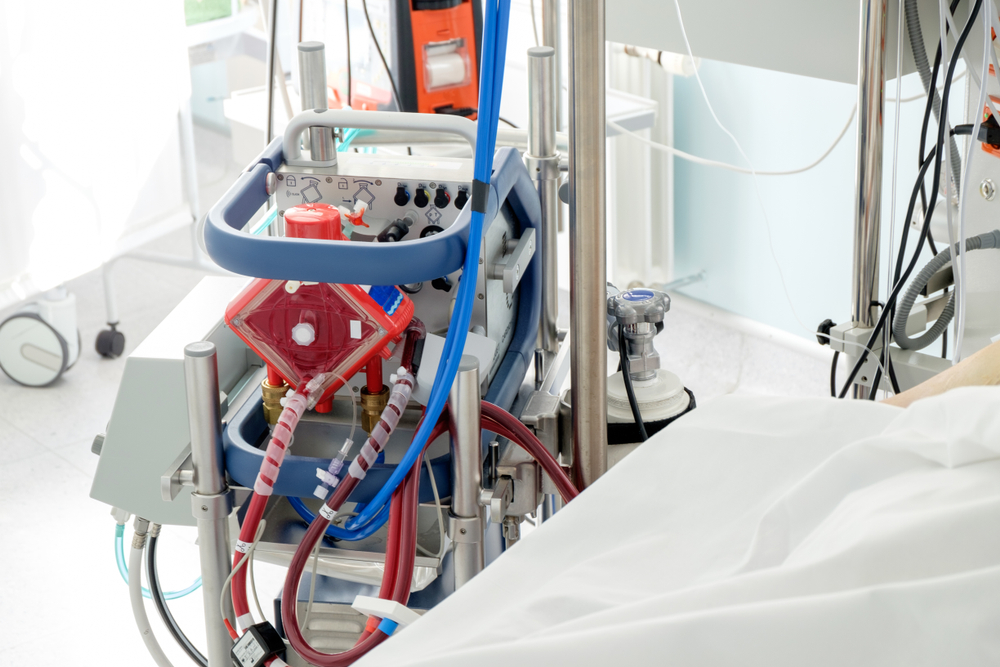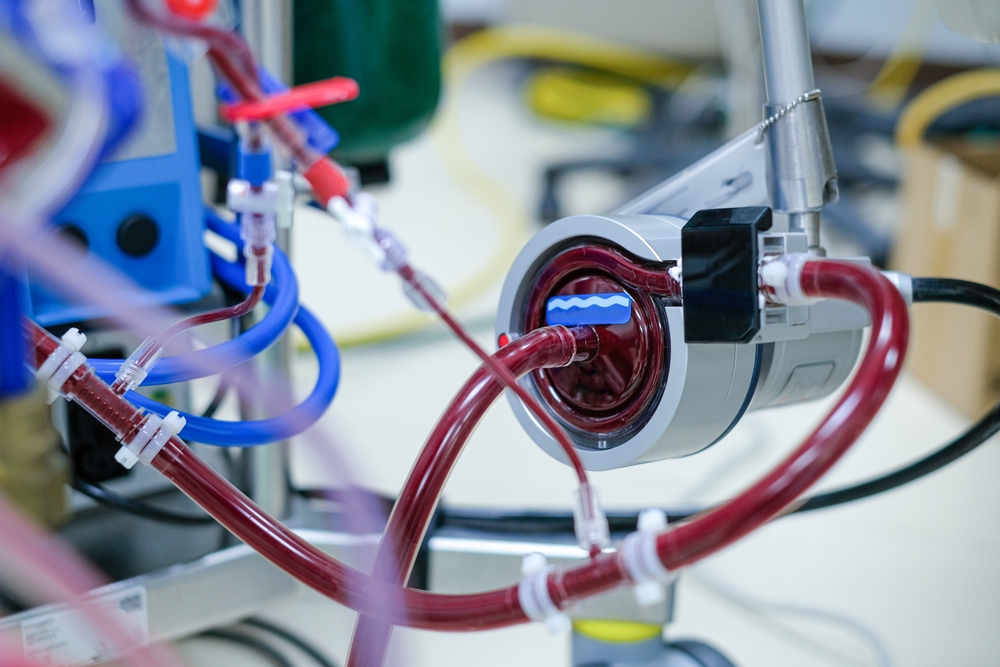
A 1970s-developed life-saving ECMO machine is experiencing renewed importance post-pandemic, helping patients like Kelli Gehrke and Ethan Noack survive severe heart and lung failures, with hospitals expanding their ECMO capabilities and teams to save more lives, despite high costs and recovery challenges.
Two children, one nearly one-year-old and one two-year-old, are in critical condition on ECMO machines due to measles at Hadassah Medical Center in Jerusalem. The younger child was vaccinated but not yet eligible for the measles vaccine, while the older child was unvaccinated. Health officials emphasize the importance of vaccination to prevent such severe cases amid a recent rise in serious measles infections.
Ben Askren received a successful double lung transplant after severe pneumonia and being on ECMO, marking a new chapter in his recovery, with gratitude expressed towards the donor and ongoing prayers from the MMA community.
A study funded by the National Institutes of Health suggests that the use of extracorporeal membrane oxygenation (ECMO) does not complicate treatment for severe respiratory failure in adults with obesity. The study found that adults with obesity who received ECMO for acute respiratory distress syndrome (ARDS) had lower mortality rates compared to patients without obesity who received ECMO. The findings support the use of ECMO as a potential lifesaving therapy for critically ill patients with obesity and ARDS.
Adults with severe respiratory illness who are women, have public insurance, and have fewer financial resources may be less likely to receive extracorporeal membrane oxygenation (ECMO), an advanced form of life support. A study found that men, people with private health insurance, and those from areas with higher median incomes were more likely to receive ECMO. The researchers found disparities even after controlling for access to ECMO, age, severity of illness, reasons for seeking care, regions where they sought care, and other health conditions.