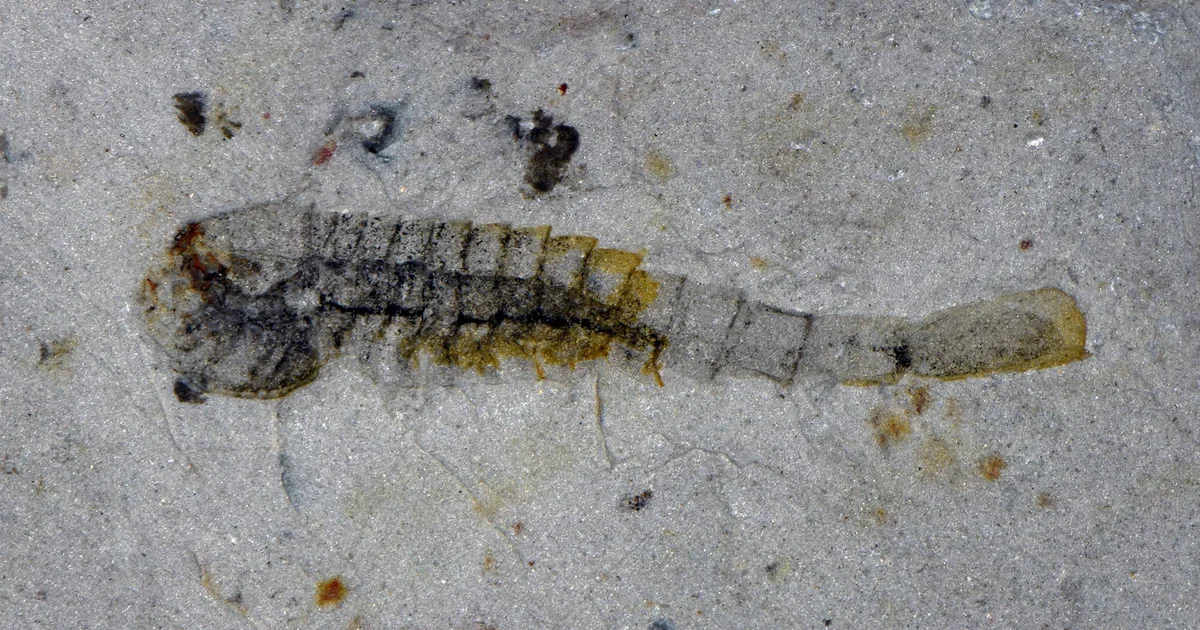
Researchers discovered a 506-million-year-old fossil named Mosura fentoni in Canada, revealing a three-eyed marine predator with unique anatomical features that shed light on early arthropod evolution and Cambrian marine life.
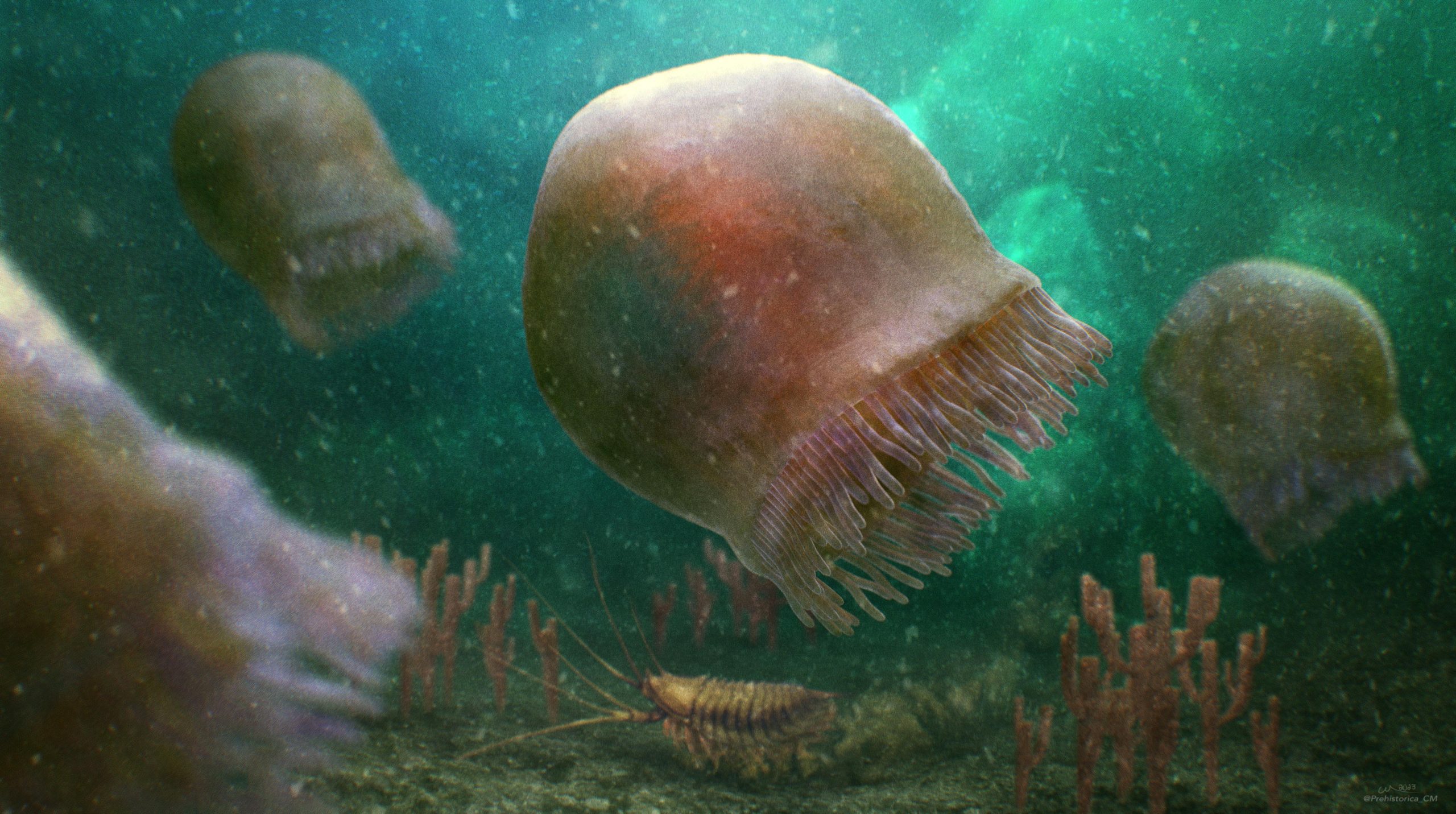
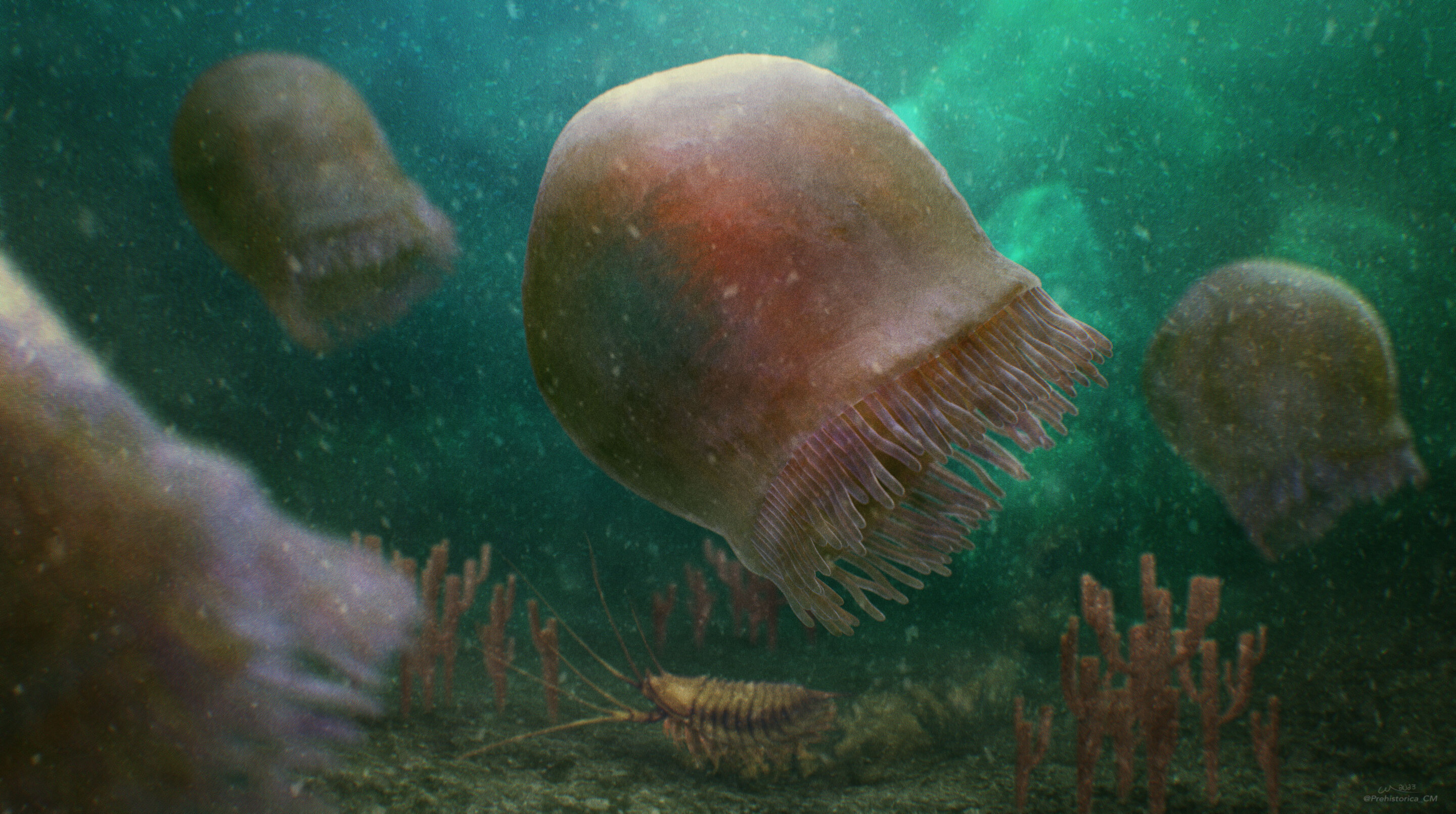
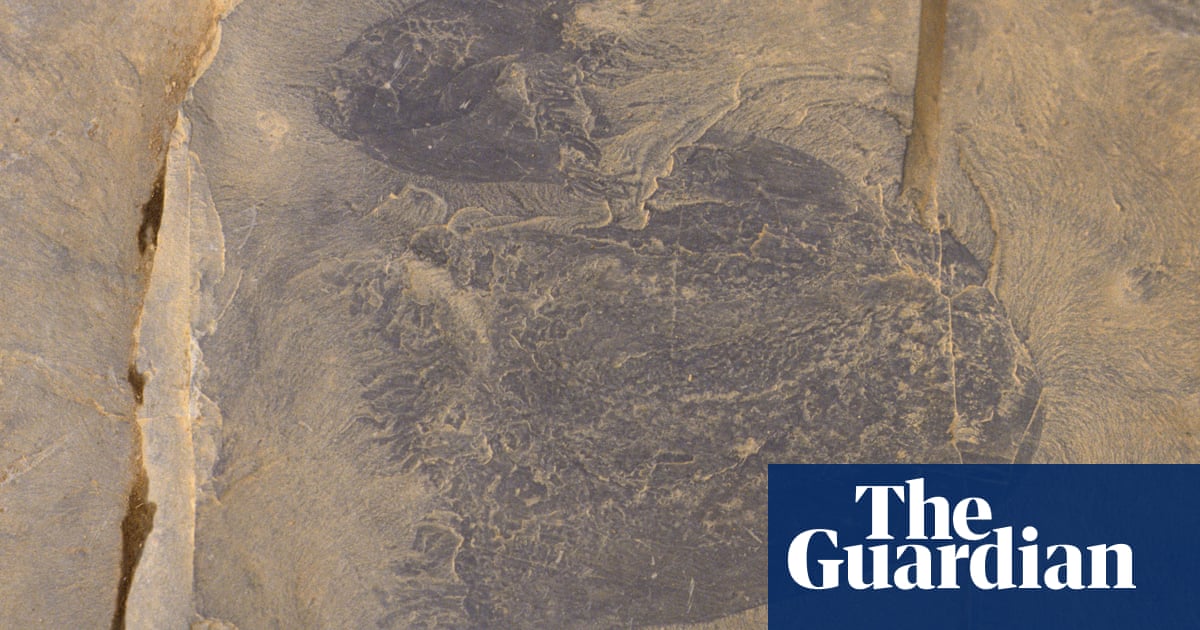
The Royal Ontario Museum has announced the discovery of the oldest known swimming jellyfish, Burgessomedusa phasmiformis, in the Burgess Shale. These 505-million-year-old fossils provide evidence that large, bell-shaped jellyfish had already evolved over half a billion years ago. The well-preserved specimens reveal details of their internal anatomy and tentacles, indicating that Burgessomedusa was capable of free-swimming and capturing sizable prey. This discovery sheds light on the complexity of the Cambrian food chain and adds to our understanding of the evolution of life on Earth.
Researchers at the Royal Ontario Museum have identified the oldest known species of swimming jellyfish, Burgessomedusa phasmiformis, in the fossil record. These well-preserved fossils from the Burgess Shale provide insights into the complex Cambrian food chain and demonstrate that large, swimming jellyfish with bell-shaped bodies existed over 500 million years ago. The discovery adds to our understanding of the evolution of life on Earth and highlights the remarkable preservation of delicate animals in the Burgess Shale.
The oldest species of swimming jellyfish, Burgessomedusa phasmiformis, has been discovered in 505 million-year-old fossils found at Burgess Shale in Canada. The well-preserved fossils provide insight into the evolutionary history of jellyfish, which have been difficult to study due to their delicate nature. The discovery suggests that the Cambrian food chain was more complex than previously thought, highlighting the diversity of life during that time period.
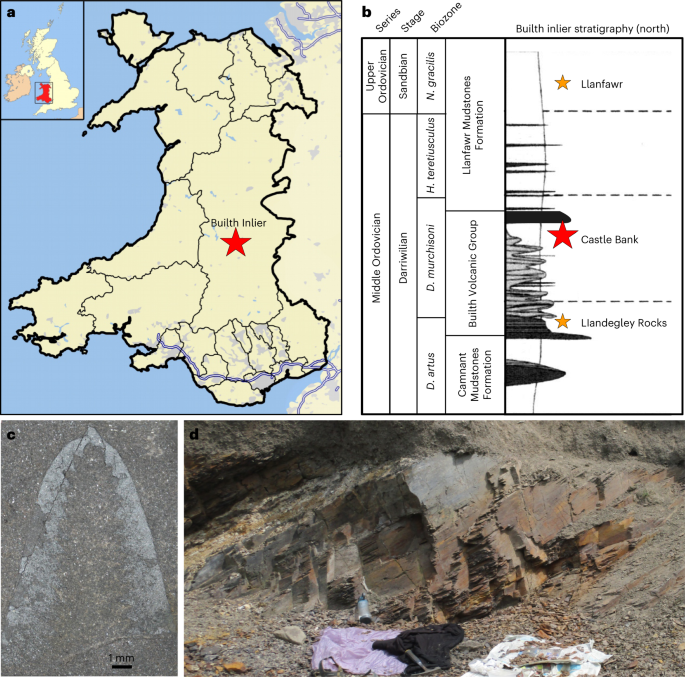
A new study reports the discovery of a Burgess Shale-type fossil fauna from Castle Bank, Wales, dating back to the Middle Ordovician period. The fossils are exceptionally well-preserved, including soft tissues, and provide insights into the diversity of marine life during this time period. The discovery adds to the growing list of Burgess Shale-type faunas found around the world and highlights the importance of preserving these unique fossil sites.