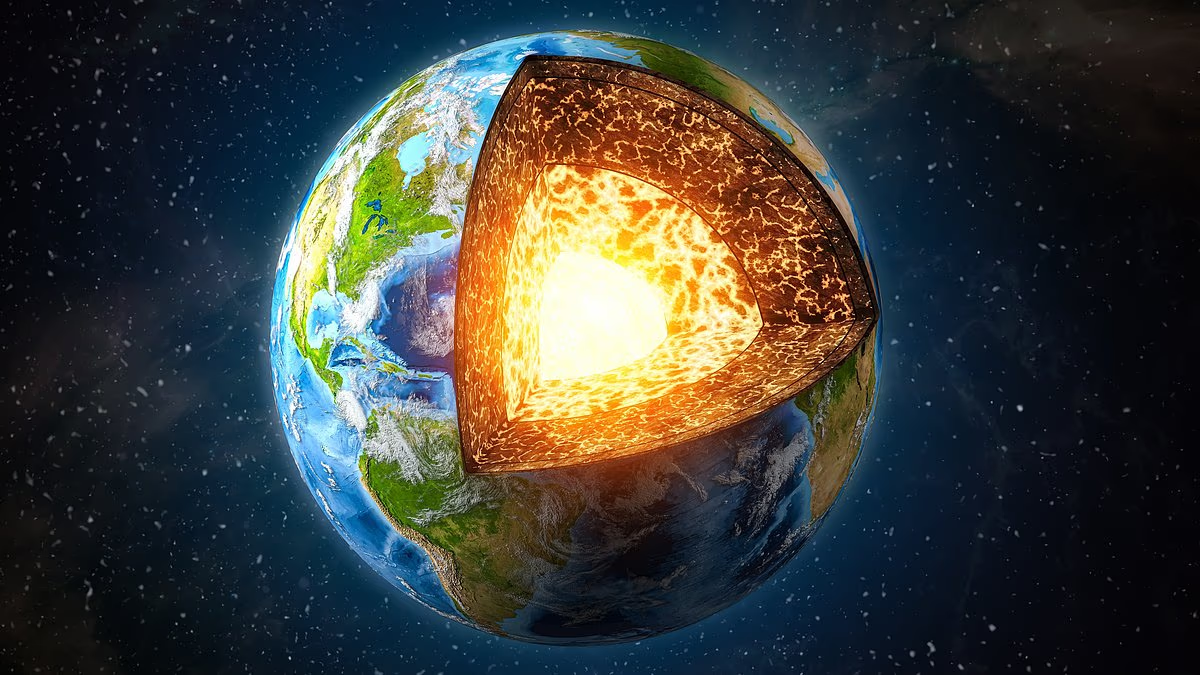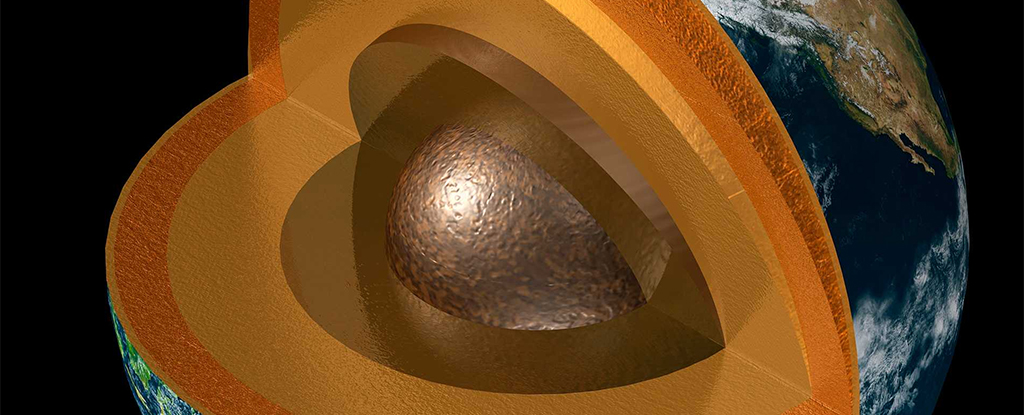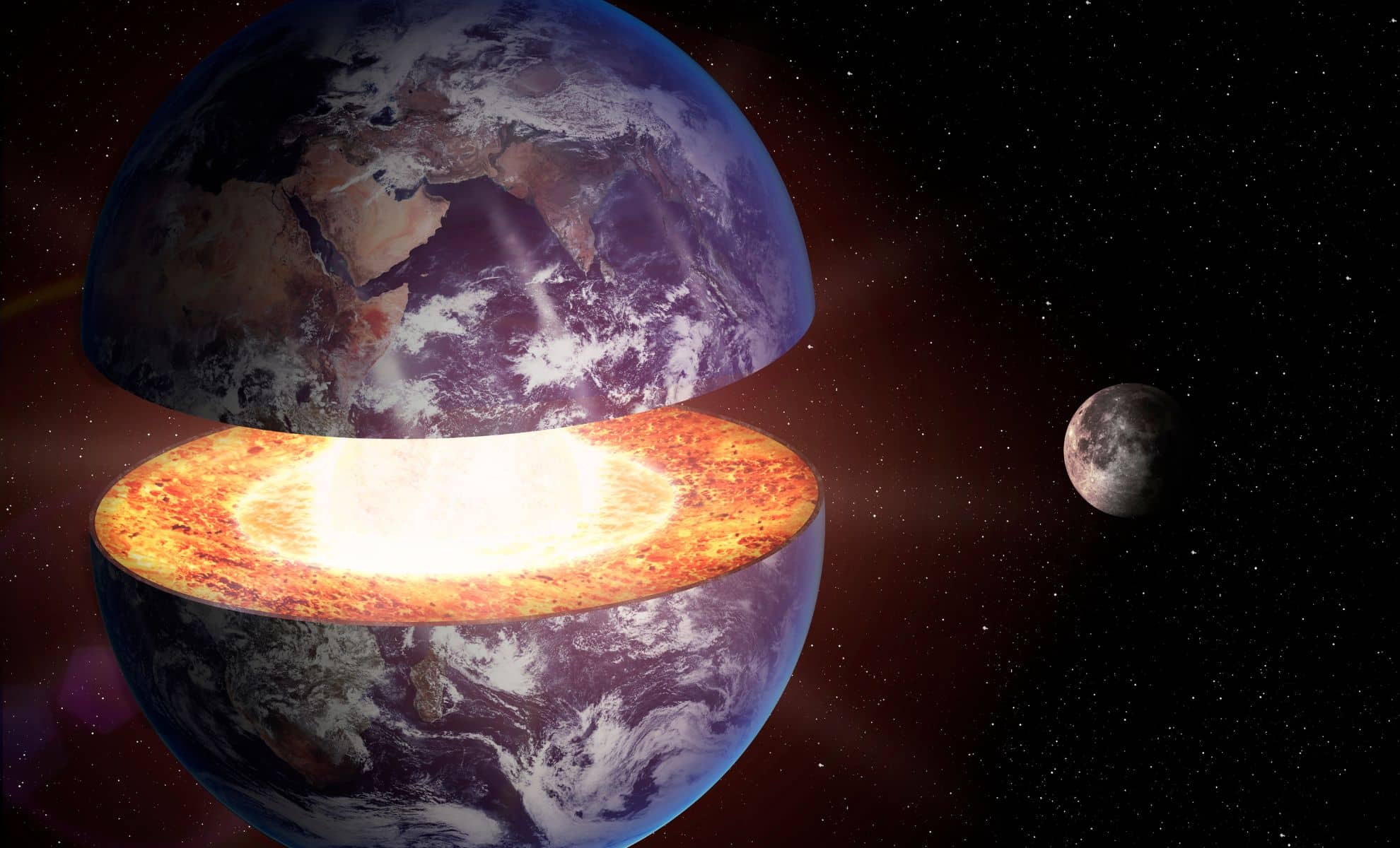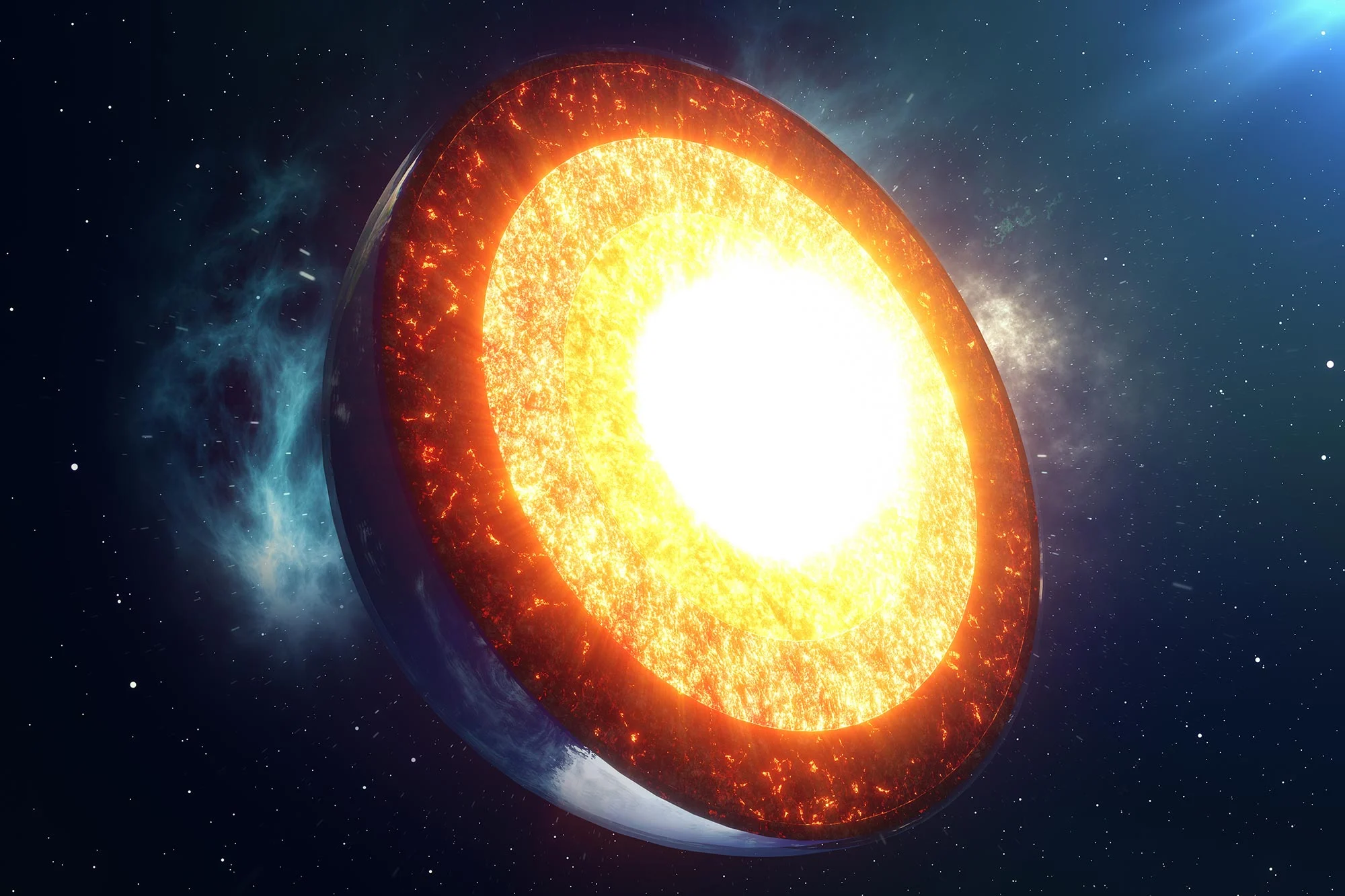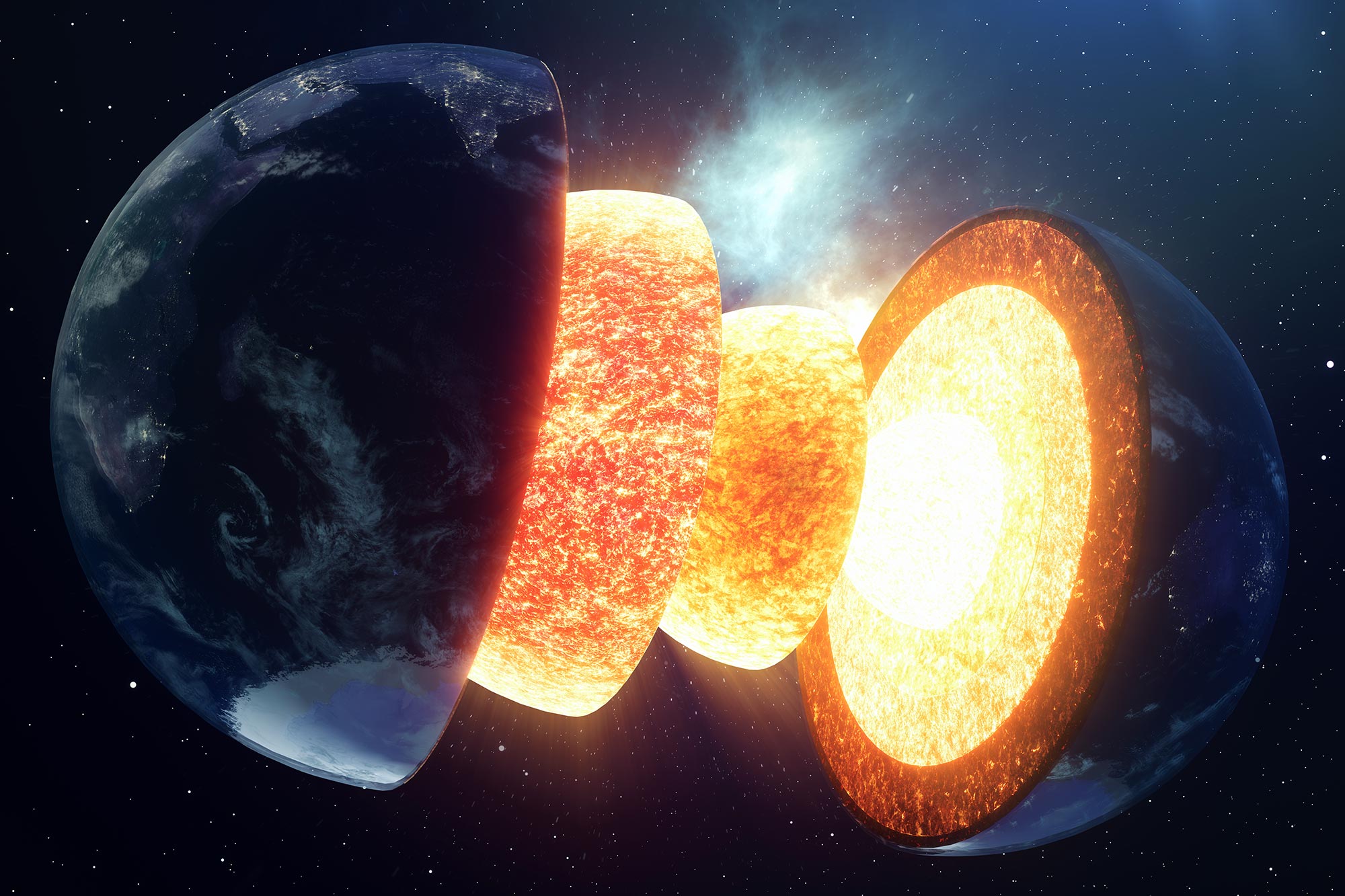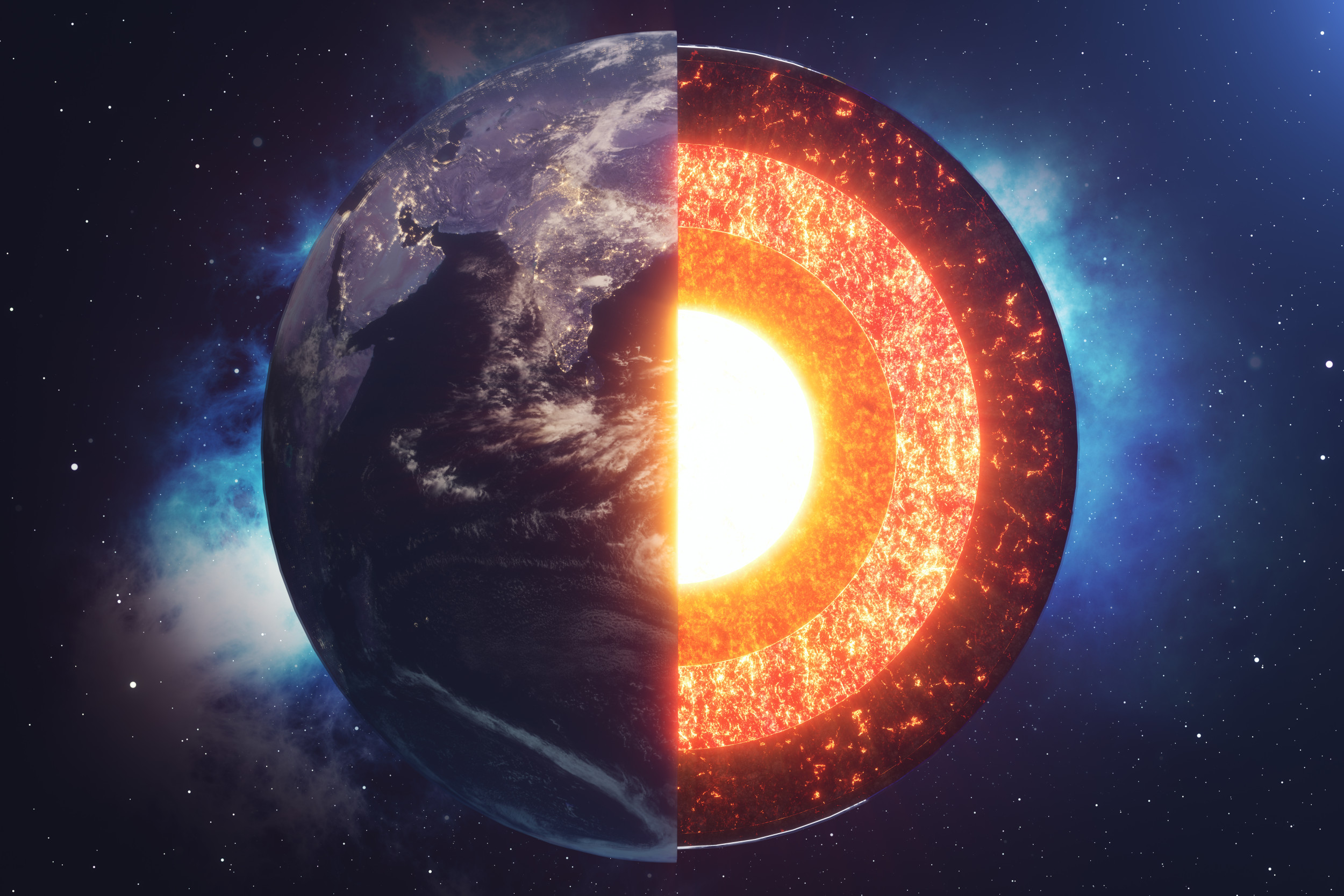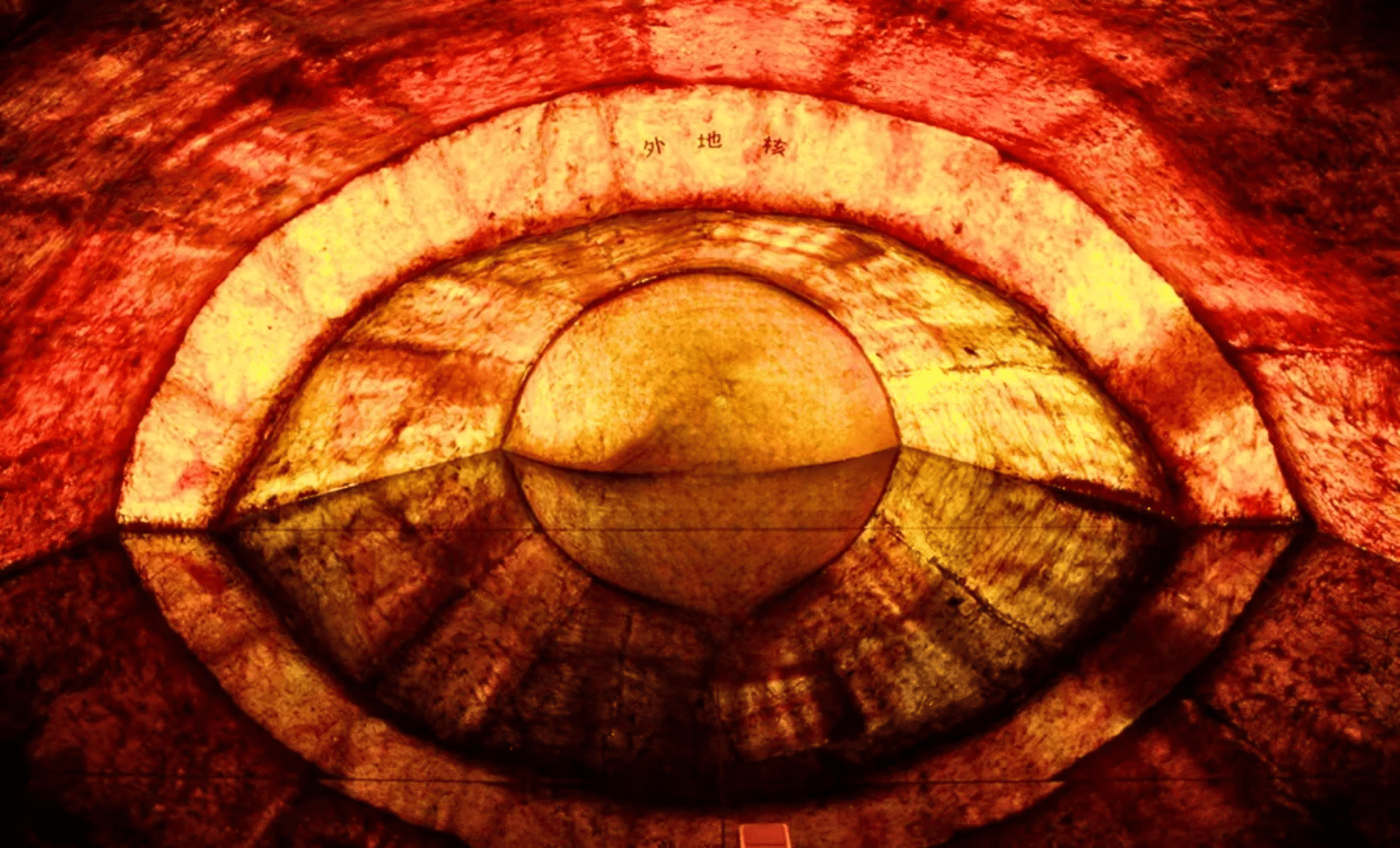
Scientists have discovered that the acceleration of seismic waves at the Earth's core-mantle boundary is caused by the alignment of post-perovskite crystals due to convective motions deep within the mantle, providing new insights into Earth's interior dynamics.
Scientists have discovered that the acceleration of seismic waves in Earth's D'' layer is caused by the alignment of post-perovskite crystals, which is driven by mantle convection, providing new insights into Earth's inner dynamics.
Scientists from ETH Zurich have discovered solid rock flowing deep within Earth's mantle, 1,700 miles beneath the surface, confirming that Earth's interior is in motion through convection currents, which may explain geological phenomena like earthquakes and volcanoes.
Scientists have experimentally confirmed that solid rock in the Earth's D'' layer flows due to convection, with crystal alignment affecting seismic wave speeds, providing new insights into Earth's deep interior dynamics.
Scientists at ETH Zurich have solved the long-standing mystery of the Earth's D” layer by discovering that solid rock flows slowly inside the mantle, aligning minerals like post-perovskite, which accelerates seismic waves and confirms mantle convection at extreme depths, revealing dynamic processes deep within Earth.
Scientists at ETH Zurich have confirmed that solid rock flows horizontally deep inside Earth, around 2700-3000 km beneath the surface, solving a 50-year-old mystery about the D” layer by demonstrating that mantle convection occurs in solid rock, not just liquid.
A new study suggests that Earth's mysterious D” layer near the core-mantle boundary may have formed from a magma ocean created by a massive impact in the planet's early days. This layer's unique composition and heterogeneity could be explained by the presence of iron-magnesium peroxide, formed from water in the magma ocean, which has a strong affinity for iron and contributes to the D” layer's distinct geophysical features.
New research suggests that the mysterious D" layer deep within Earth may have formed from an ancient magma ocean, influenced by water, which led to the creation of iron-magnesium peroxide. This iron-rich phase could explain the layer's unevenness and the presence of ultra-low velocity zones, providing insights into Earth's early history and internal structure.
Geoscientists have potentially solved the mystery of the D" layer, a molten rock layer deep within the Earth, suggesting it was formed by a collision with a Mars-sized planet billions of years ago. This impact created a magma ocean, where unique chemical reactions led to the formation of an iron-rich phase called iron-magnesium peroxide, explaining the layer's seismic heterogeneity and varying thickness.