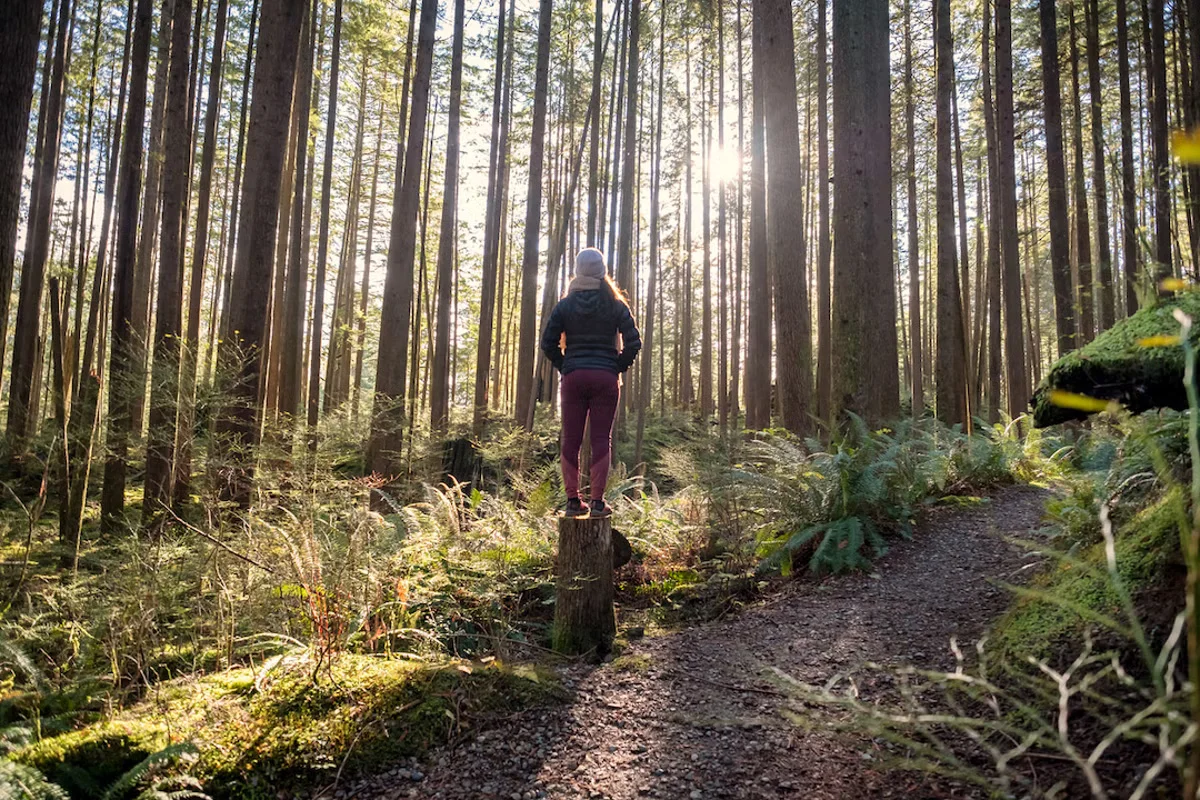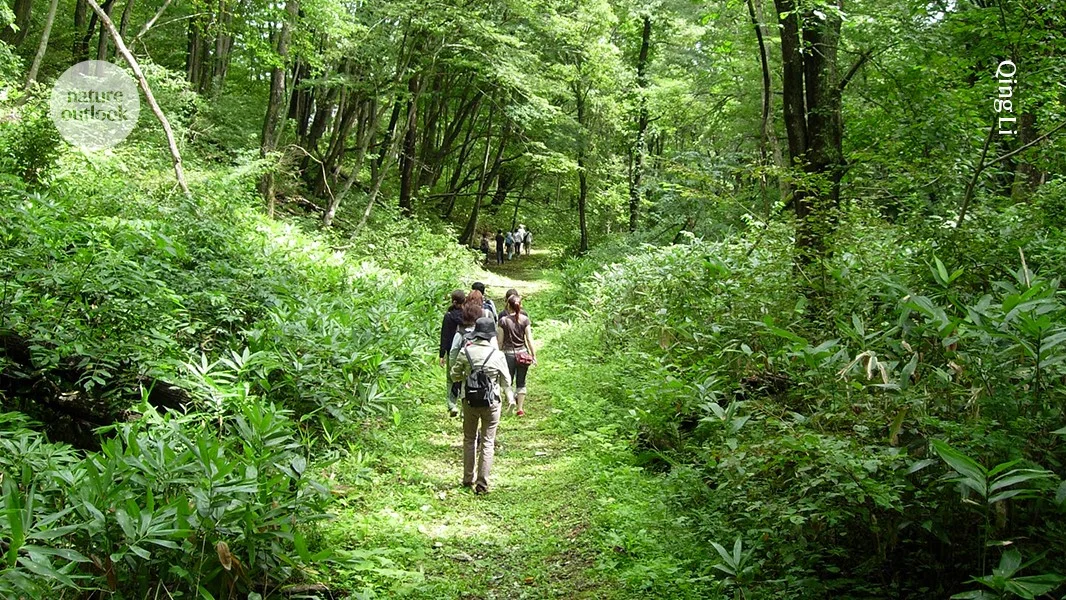
Forest bathing, or mindful walks in the woods, is an ancient practice that enhances mental and physical health by connecting with nature through all senses, reducing stress hormones, blood pressure, and improving mood, supported by scientific research and increasingly recommended by health authorities.
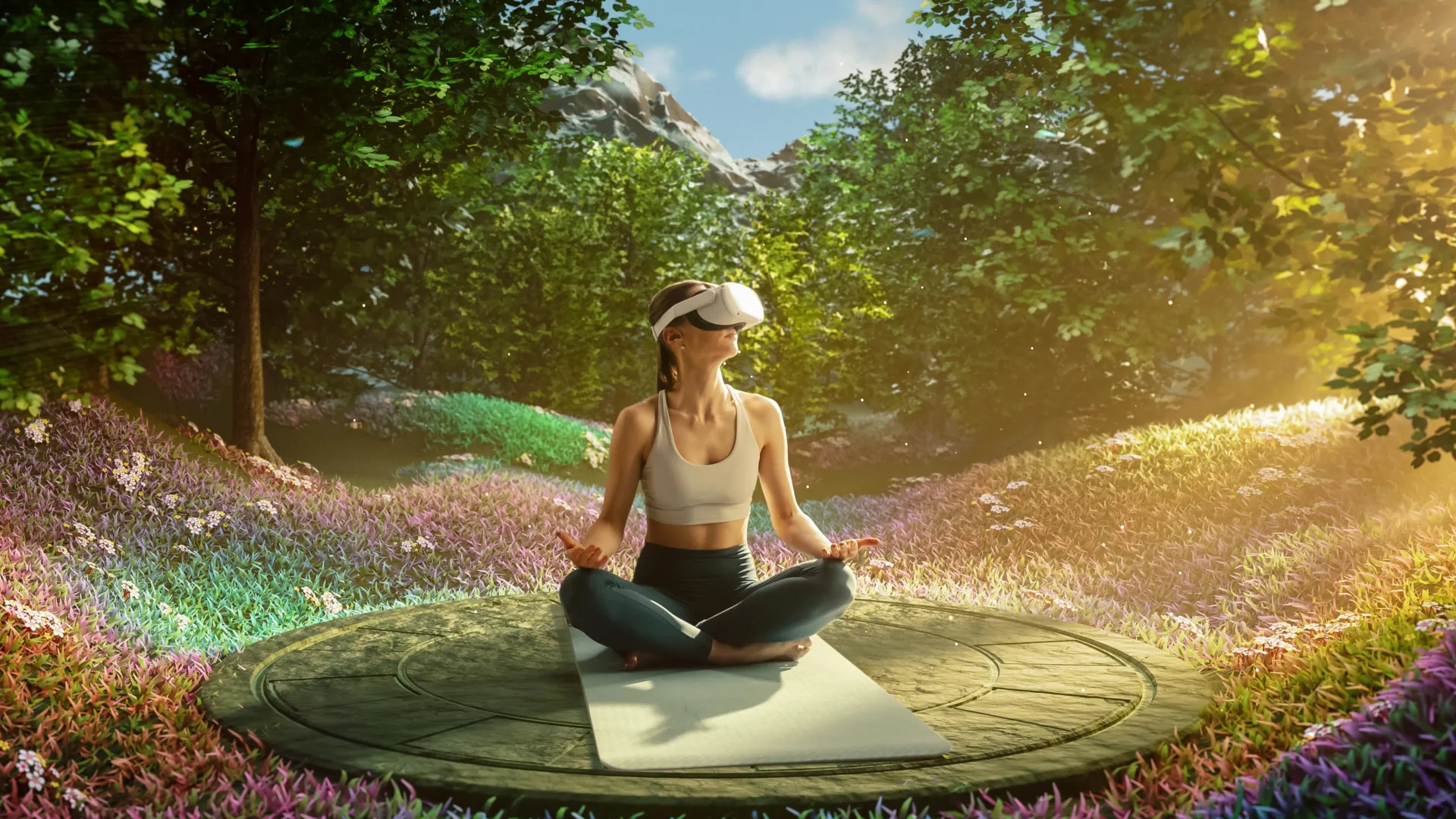
A study confirms that multisensory virtual reality experiences of forests, combining sight, sound, and scent, significantly improve mood and sense of connection to nature, with potential applications in clinical and urban settings. Further research is needed to generalize the findings.
Biologist Kathy Willis discusses the health benefits of nature immersion, as explored in her book "Good Nature." She highlights studies showing that exposure to natural environments can improve recovery rates and reduce stress, with physiological changes such as lower heart rates and enhanced immune responses. Willis suggests that incorporating nature into clinical settings could offer alternative treatments for various ailments. The book emphasizes the importance of specific natural elements, like the scent of pine forests, in promoting health, and encourages bringing more live plants into indoor spaces for similar benefits.
Forest bathing, a practice rooted in Japan known as shinrin-yoku, involves immersing oneself in nature to reduce stress and improve mental and physical health. Studies show that spending time in nature can lower anxiety, blood pressure, and stress hormones, while enhancing mood and immune function. Dr. Leana Wen suggests that even a short walk in a park can be beneficial, and emphasizes the importance of mindfulness during these activities. She also warns against using substances like alcohol and drugs for stress relief, recommending professional help if needed.