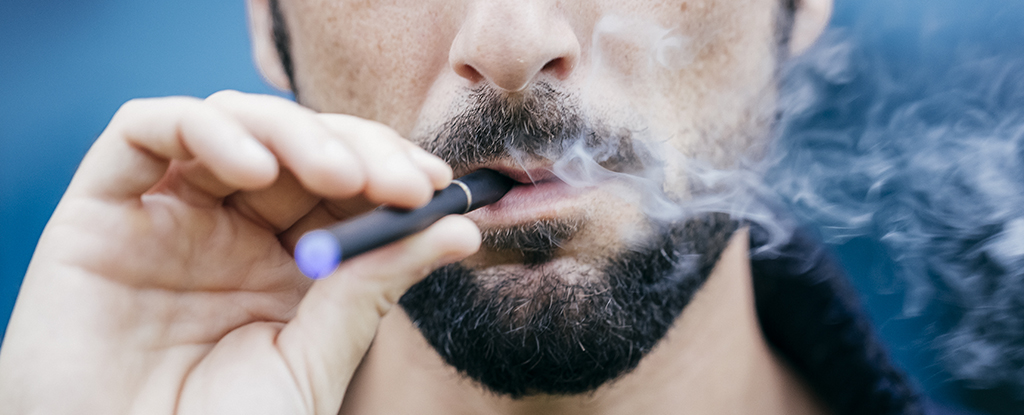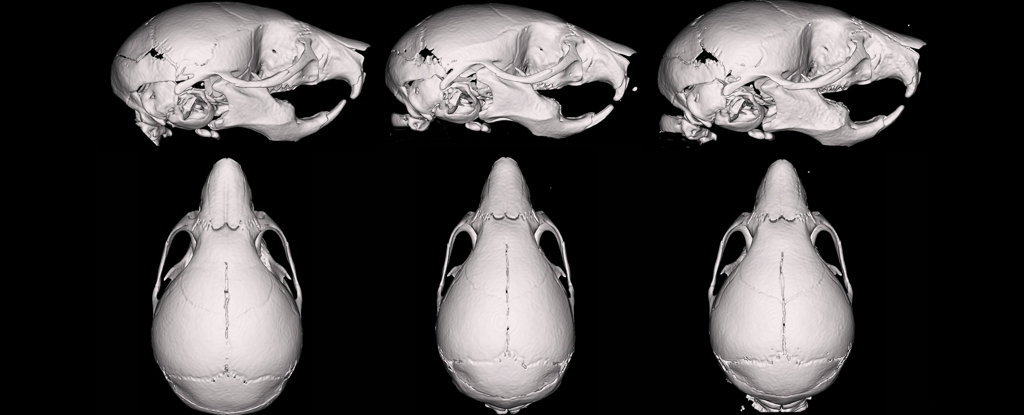
A study found that pregnant mice exposed to nicotine-free vape fluids made of propylene glycol and glycerol developed pups with smaller, narrower skulls, suggesting that even nicotine-free vaping may pose risks during pregnancy. The research highlights the need for further investigation into the safety of vape components, especially for pregnant individuals.

A study shows that certain flavored e-cigarette vapors, like vanilla and cherry, can activate reward centers in adolescent mice even without nicotine, raising concerns about their potential to promote addiction-like behaviors among teens.
A study from Anglia Ruskin University reveals that nicotine-free e-cigarettes can still cause oxidative stress, inflammation, and blood vessel breakdown in human lung tissue cells, similar to nicotine-containing e-cigarettes. The absence of nicotine doesn't necessarily make the vapes safer for lung tissue, as an abundance of the protein ARF6 in nicotine-free vapes is found to be responsible for lung tissue damage. The study highlights the need for further investigation into the potential development of lung injury from vaping, especially in relation to Acute Respiratory Distress Syndrome (ARDS). With concerns rising about the health consequences of vaping, particularly among young teenagers, research into its health impact is still in its early stages.