Nasal universal vaccine shows cross-protection against cold, flu, and COVID in mice
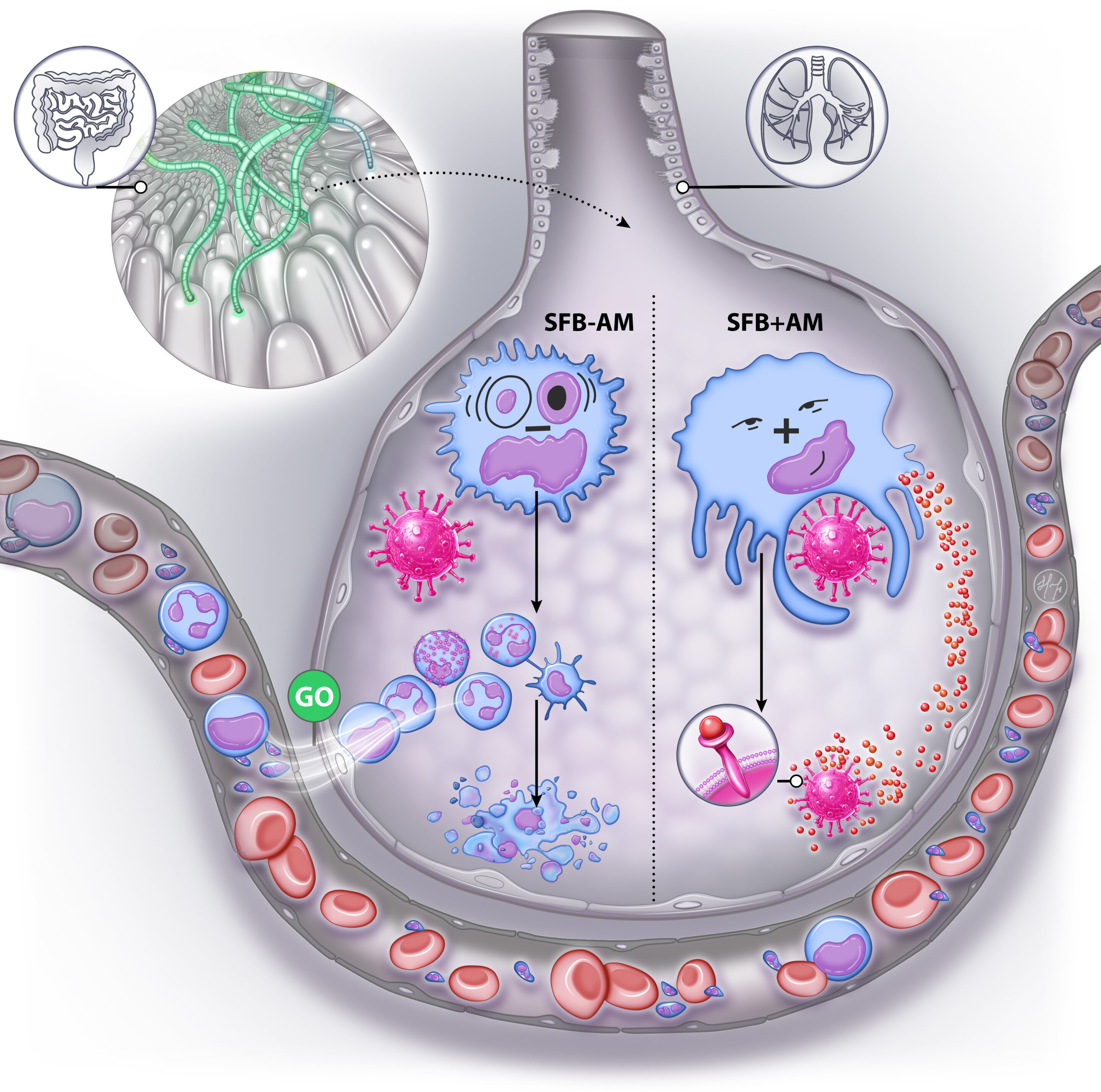
A nasal vaccine candidate that trains frontline lung immunity shows promise in mice for broad protection against multiple respiratory infections (cold viruses, flu, and COVID) by boosting alveolar macrophages and T cells rather than targeting a single pathogen; it may also dampen allergic reactions. Human safety and efficacy remain unproven, and the best-case path to a human-ready vaccine is five to seven years, with protection in mice lasting up to about three months and many unknowns, including effects in older adults and on DNA viruses.