Tag

Low Income Families

All articles tagged with #low income families

Trump Admin Freezes Child Care Funds Amid Immigration Crackdown and Viral Video Controversy

Originally Published 6 days ago — by Axios

Featured image for Trump Admin Freezes Child Care Funds Amid Immigration Crackdown and Viral Video Controversy
Source: Axios

The Trump administration is freezing $10 billion in aid for child care and low-income families in five states, including Colorado, citing alleged fraud, which threatens essential support programs for thousands of Colorado families amid political tensions.


Supreme Court Temporarily Halts Full SNAP Benefits Amid Political Debate

Originally Published 2 months ago — by The New York Times

Featured image for Supreme Court Temporarily Halts Full SNAP Benefits Amid Political Debate
Source: The New York Times

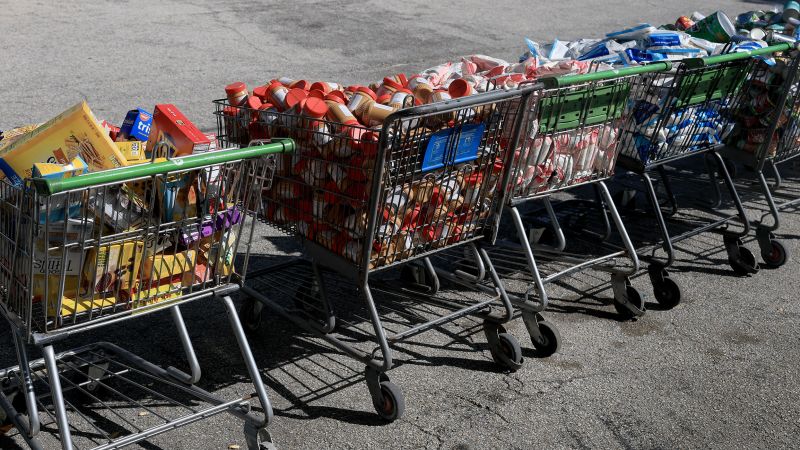
The Supreme Court's recent order has caused delays in SNAP benefits distribution across several states, leaving many low-income families uncertain about their food aid as the court allowed the Trump administration to withhold some funding, disrupting the largest anti-hunger program in the U.S.

Government shutdown endangers Head Start programs serving 65,000 children

Originally Published 2 months ago — by CBS News

Featured image for Government shutdown endangers Head Start programs serving 65,000 children
Source: CBS News

The US government shutdown is causing the closure of around 140 Head Start programs, affecting approximately 65,000 children and low-income families who rely on these services for education, health, and nutrition. The shutdown, now in its early days, is also impacting SNAP benefits and other community services, with political disagreements delaying efforts to reopen the government. The situation highlights the broader social and economic challenges faced by vulnerable populations during government impasses.

Potential Food Assistance Cuts Threaten Low-Income Families Amid Federal Shutdown

Originally Published 2 months ago — by CNN

Featured image for Potential Food Assistance Cuts Threaten Low-Income Families Amid Federal Shutdown
Source: CNN

The ongoing US government shutdown is causing nearly 42 million Americans, especially low-income families, to lose access to critical federal aid programs like SNAP, Head Start, and energy assistance, leading to increased hardship, food insecurity, and potential job losses among vulnerable populations.

States Suspend SNAP Benefits Amid Government Shutdown

Originally Published 2 months ago — by businessinsider.com

Featured image for States Suspend SNAP Benefits Amid Government Shutdown
Source: businessinsider.com

Several states may be unable to distribute November SNAP benefits due to the ongoing government shutdown, potentially leading to smaller or delayed food assistance for 42 million Americans relying on the program, with some states warning benefits won't be paid if the shutdown continues.

Challenges and Delays in COVID-19 Vaccination for Children

Originally Published 3 months ago — by CNN

Featured image for Challenges and Delays in COVID-19 Vaccination for Children
Source: CNN

Low-income families in the US face delays in accessing Covid-19 vaccines for children due to administrative and policy disruptions, despite the vaccines being recommended and available in other contexts, leaving vulnerable children and their caregivers at risk.

Rising Housing Costs Drive More Americans to Live in RVs

Originally Published 3 months ago — by NBC News

Featured image for Rising Housing Costs Drive More Americans to Live in RVs
Source: NBC News

As housing costs rise, more Americans, especially low-income families, are living full-time in RVs due to affordability issues, facing challenges like limited space, maintenance costs, and lack of traditional amenities, highlighting a growing housing crisis and the need for affordable housing solutions.

USDA to Eliminate School Lunch Fees for Low-Income Families by 2027

Originally Published 1 year ago — by CBS News

Featured image for USDA to Eliminate School Lunch Fees for Low-Income Families by 2027
Source: CBS News

The U.S. Department of Agriculture announced that starting in the 2027-2028 school year, students eligible for free or reduced-price school meals will no longer be charged processing fees, which can significantly increase costs for low-income families. This decision follows a Consumer Financial Protection Bureau report highlighting the financial burden these fees place on families, with some paying up to 60 cents per dollar in fees. The USDA aims to reduce costs for families earning under 185% of federal poverty guidelines and is working towards providing free healthy school meals for all children.

USDA Ends Online Fees for Low-Income School Meal Payments

Originally Published 1 year ago — by NBC News

Featured image for USDA Ends Online Fees for Low-Income School Meal Payments
Source: NBC News

The USDA has announced a new rule prohibiting schools from charging transaction fees on electronic deposits for low-income families' school lunch accounts, effective in the 2027-28 academic year. This policy aims to alleviate financial burdens on families eligible for free and reduced-price meals, whose incomes are 185% or less of the federal poverty level. The move has been praised by anti-hunger advocates and is seen as a step towards ensuring equitable access to school meals, with further efforts to eliminate such fees for all families.

"Brace for Soaring AC Costs Amid Record Summer Heat"

Originally Published 1 year ago — by USA TODAY

Featured image for "Brace for Soaring AC Costs Amid Record Summer Heat"
Source: USA TODAY

U.S. electricity bills are expected to rise by 7.9% this summer due to record-breaking heat, with low-income families being the hardest hit. The National Energy Assistance Directors Association (NEADA) and the Center for Energy Poverty and Climate (CEPC) report that average bills will increase from $661 to $719 from June through September. Factors include higher fuel prices, maintenance costs, and extreme weather. Reduced federal aid and lack of summer shut-off protections exacerbate the issue for vulnerable populations.

"Threat of Internet Subsidy Loss Looms for Low-Income Families"

Originally Published 1 year ago — by The New York Times

Featured image for "Threat of Internet Subsidy Loss Looms for Low-Income Families"
Source: The New York Times

The $14.2 billion Affordable Connectivity Program, aimed at making internet service more affordable for low-income households, is expected to run out of funding this spring, affecting over 23 million households. The program, part of the Biden administration’s initiative to connect every American to affordable, high-speed internet, provides discounts of up to $30 off monthly internet bills for eligible households. While there is bipartisan support to continue the subsidies, lawmakers have not passed an extension, and federal officials have already stopped accepting new applications and enrollments.

"14 GOP-led states reject federal summer food assistance, Louisiana program terminated"

Originally Published 1 year ago — by The Associated Press

Featured image for "14 GOP-led states reject federal summer food assistance, Louisiana program terminated"
Source: The Associated Press

14 GOP-led states, including Texas and Mississippi, have declined federal funding to provide summer nutrition assistance to low-income families, citing reasons such as philosophical objections to welfare programs and technical challenges. The Summer EBT program, which provides grocery assistance to families with children in free or reduced-price school lunch programs, is expected to cost $2.5 billion this year and help feed 21 million children. Despite concerns about existing summer meal programs, advocates argue that the EBT program could address child hunger and promote nutrition.

"Understanding the Potential Recipients of the Expanded Child Tax Credit"

Originally Published 1 year ago — by WOODTV.com

Featured image for "Understanding the Potential Recipients of the Expanded Child Tax Credit"
Source: WOODTV.com

The House has passed a bill to expand the child tax credit, with changes that would particularly benefit low-income families, potentially providing a tax cut for those earning less than $21,000 a year. The bill faces uncertainty in the Senate, with some Republicans expressing reluctance due to concerns about the credit being available to migrants. If passed, the bill could also enhance a tax credit for the construction or rehabilitation of rental housing targeted at lower-income households.