
14 GOP-led states, including Texas and Mississippi, have declined federal funding for the Summer EBT program, which provides grocery assistance to low-income families with school-age kids during the summer. Reasons for rejection range from philosophical objections to welfare programs to technical challenges. The impact affects millions of eligible children, and advocacy groups argue that existing summer nutrition programs do not reach most qualified children. Despite the rejections, some states may reconsider joining the program in the future.
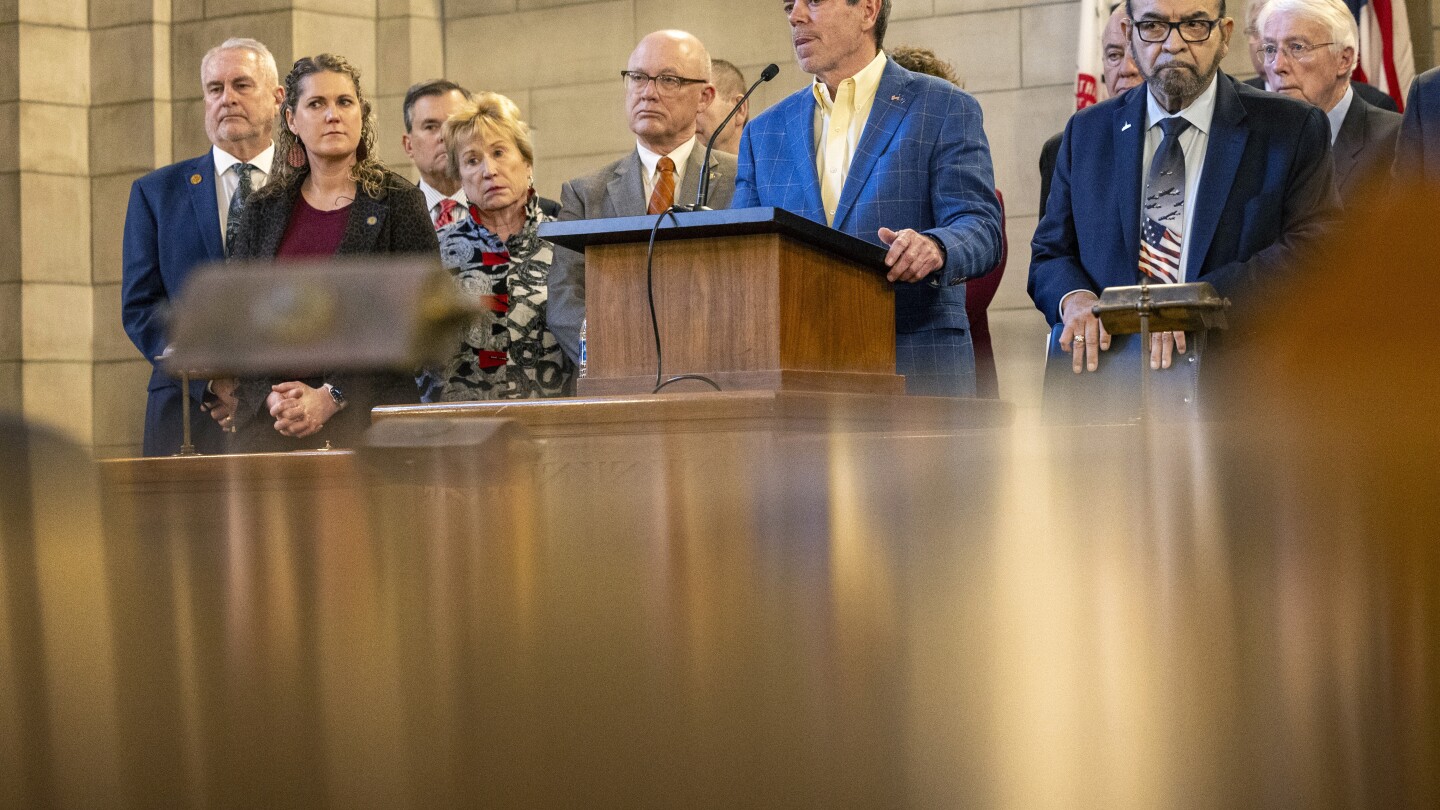
14 GOP-led states, including Texas and Mississippi, have declined federal funding to provide summer nutrition assistance to low-income families, citing reasons such as philosophical objections to welfare programs and technical challenges. The Summer EBT program, which provides grocery assistance to families with children in free or reduced-price school lunch programs, is expected to cost $2.5 billion this year and help feed 21 million children. Despite concerns about existing summer meal programs, advocates argue that the EBT program could address child hunger and promote nutrition.
Mississippi has rejected federal funds for the Summer Electronic Benefits Transfer (EBT) program, which aims to provide food assistance to children during the summer months. The program, made permanent starting in 2024, will benefit nearly 21 million children in the U.S. and its territories, but Mississippi, along with several other states, has opted out for this summer. Eligible families will receive $40 per month per child through the program, but Mississippi's rejection raises concerns about child hunger in the state.
The USDA has announced a new permanent federal program, Summer EBT, to provide food benefits to around 21 million children during the summer, but Mississippi is among the states that have opted out. The program will offer $40 per month per child on an EBT card for eligible families, and 35 states, five U.S. territories, and four tribes have opted in. Some states cited existing programs and feasibility issues as reasons for not participating, while the USDA expressed concern about the reach of the existing Summer Food Service Program.
The USDA expects nearly 21 million children to receive food benefits this summer through the newly permanent Summer Electronic Benefits Transfer program, which will provide $40 per month per child to eligible families. While 35 states, all five U.S. territories, and four tribes have opted in, some states cited existing programs and feasibility issues for not participating. The program aims to address child hunger during the summer months and supplement existing initiatives.
The Summer Electronic Benefit Transfer (EBT) program aims to reduce child hunger during the summer by providing $120 per eligible child to buy food, but not all states are participating. While 35 states and territories have signed up, some, including Nebraska and Iowa, have declined, citing the program as an outdated Covid-19 relief measure. The initiative, part of the federal government's efforts to address food insecurity, has shown positive results in reducing child hunger and supporting healthier food purchases.