
The article provides eight scientifically supported tips to lower cancer risk, including optimizing vitamin D levels, practicing intermittent fasting, adopting a low-carb diet, exposing oneself to cold therapy, cooking smarter, consuming anti-cancer foods, staying physically active, and maintaining a healthy lifestyle overall. While these strategies do not guarantee cancer prevention, they can significantly reduce the risk and improve overall health.
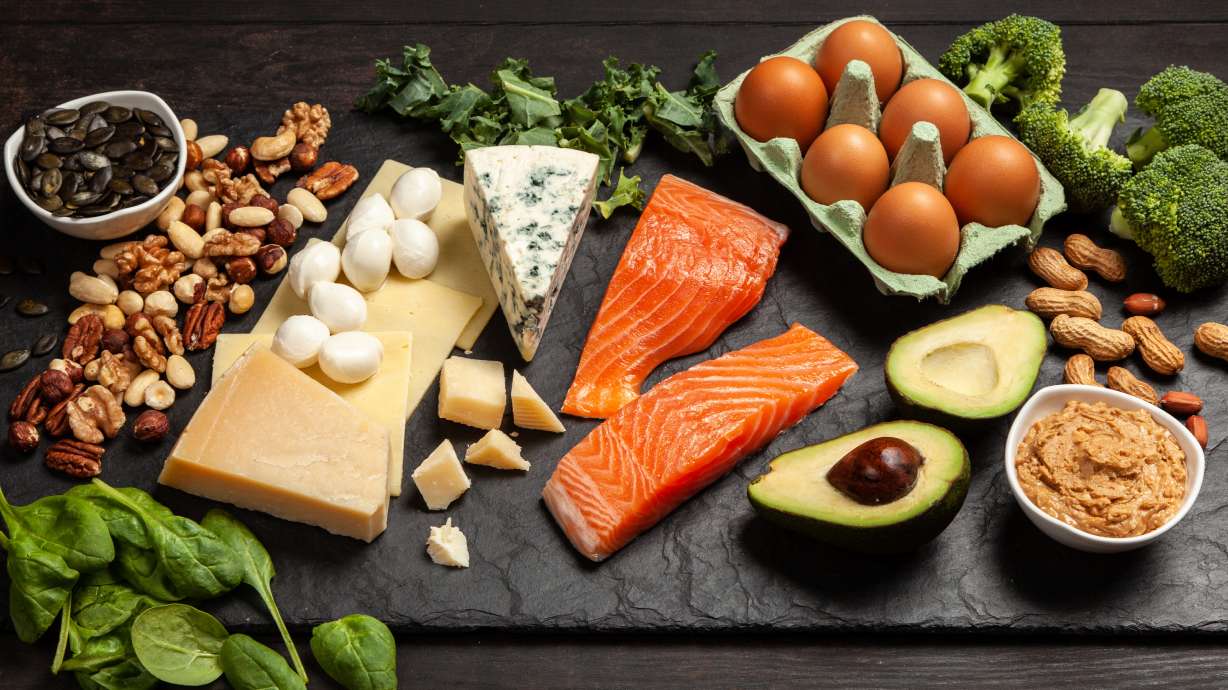
The article debunks common myths about low-carb diets, emphasizing that they can improve metabolic health, energy, and body composition when done correctly. It clarifies that low-carb doesn't mean no carbs, addresses concerns about athletic performance, and highlights the scientific backing and health benefits of low-carb eating, including the use of meal replacements like HLTH Code Complete Meal to make the diet more accessible and sustainable.
The article explains that cutting carbs drastically can backfire by causing nutritional deficiencies, low energy, and unsustainability. Instead, it advocates for a balanced approach that emphasizes choosing nutrient-dense, complex carbs like whole grains and fruits, while maintaining overall dietary flexibility and supporting gut health and energy levels.
Dr. Mehmet Oz and Dr. Michael Roizen discuss the benefits of a healthy keto diet for individuals with Type 2 diabetes, emphasizing the importance of avoiding red and processed meats and focusing on mono- and poly-unsaturated fats from sources like olive oil and fatty fish. They highlight that a low-carb diet can potentially help reduce medication dependency by encouraging insulin production. The article advises eliminating processed carbs and incorporating vegetables for fiber and nutrients.
A new study published in The Lancet Gastroenterology and Hepatology found that dietary changes, specifically low-carb and low FODMAP diets, can significantly reduce IBS symptoms more effectively than medications. The study involved 294 Swedish adults and showed that 76% of participants on the low FODMAP diet and 71% on the low-carb diet reported symptom relief, compared to 58% in the medication group. The findings suggest that dietary interventions may be a more cost-effective and simpler approach to managing IBS symptoms.
The American Diabetes Association (ADA) has been criticized for prioritizing insulin and pharmaceuticals over low-carb diets in the treatment of diabetes, despite evidence showing the effectiveness of low-carb diets in reversing the condition. Critics argue that the ADA's ties to pharmaceutical and food industries may influence its recommendations, leading to a lack of emphasis on diet-based approaches. The ADA's close relationship with industry has raised concerns about conflicts of interest and the organization's commitment to prioritizing the health of people with diabetes.
A new study suggests that low-carb dieters who focus on plant-based foods and healthy carbs and fats experience less long-term weight gain compared to those relying heavily on animal-based protein or refined carbs. Emphasizing whole grains, fruits, vegetables, and low-fat dairy products in a low-carb diet may be beneficial for weight management. Incorporating plant-based foods like avocados, nuts, seeds, tofu, and low-carb fruits can provide health benefits, but it's important to consult a healthcare provider before making significant dietary changes, especially for those with specific health conditions.
A food professional shares five important lessons learned after being diagnosed with type 2 diabetes, emphasizing that low-carb doesn't mean no-carb and the importance of finding balance and pleasure in eating. Cooking at home, reading labels carefully, and understanding unique dietary needs are crucial for managing the disease while still enjoying culinary delights. Deprivation is discouraged, and small portions of favorite foods are encouraged to maintain satisfaction and avoid overindulgence.
Science journalist Gary Taubes argues that insulin therapy for diabetes may be causing long-term complications such as heart disease and kidney failure, and suggests that minimizing insulin use and reducing carb intake could lead to better outcomes for patients, particularly those with type 2 diabetes. Taubes also challenges the traditional low-fat dietary advice and advocates for more research into alternative treatments, highlighting the differences between type 1 and type 2 diabetes. While his ideas are controversial in the scientific community, some patients have reported success with low-carb diets, prompting the call for further research into diabetes management.
Entering a state of ketosis is crucial for the success of the ketogenic diet, which involves consuming less than 50 grams of carbs per day and increasing fat intake. It typically takes two to four days to enter ketosis, but this can vary. Symptoms of ketosis include weight loss, bad breath, fatigue, and changes in bowel movements. To sustain ketosis, it's important to limit carb intake and be cautious about cheat days, as they can disrupt progress.
Sharon Shwartz, a 61-year-old nurse anesthetist, credits her 75-pound weight loss to a low-carb diet, walking routine, and the medication Mounjaro after being diagnosed with prediabetes. Despite struggling with weight due to thyroid surgery and medication, she found success with Mounjaro and a healthy diet, losing 75 pounds and undergoing skin removal surgery. Shwartz now enjoys a more active lifestyle and encourages others struggling with weight to seek help.
The low-glycemic diet emphasizes choosing low-glycemic foods over high-glycemic ones to stabilize blood sugar levels and improve health, while the low-carb diet limits carbohydrate intake to aid in weight loss and blood sugar management. Recent research suggests that the low-glycemic diet may offer more health benefits, including lowering blood sugar and cholesterol levels, compared to the low-carb diet. However, individual needs, medical history, and food preferences should be considered before implementing any diet, and consulting with a registered dietitian nutritionist is recommended.
Low-carb, high-protein diets have been linked to various health benefits. There are many protein-rich, low-carb foods to choose from, including eggs, canned salmon, cheddar cheese, whey protein, cottage cheese, turkey sticks, canned tuna, collagen peptides, tofu, hemp seeds, pumpkin seeds, chicken breast, peanuts, kefir, shrimp, Greek yogurt, edamame, ground turkey, organ meats, peanut butter, ricotta cheese, tempeh, plant-based protein powders, bone broth, and Parmesan cheese. Nutrition needs vary, so it's important to work with a healthcare provider to determine the right protein and carb intake for your specific needs.
The boiled egg diet is a weight-loss program that involves consuming boiled eggs for at least one meal each day. While it may lead to short-term weight loss due to its low-calorie and low-carb nature, experts warn that it is not sustainable or nutritionally balanced in the long term. The diet restricts various food groups and may result in nutritional deficiencies. Additionally, eggs are high in cholesterol and saturated fat, which may be concerning for those with cholesterol concerns. It is advisable to consult a doctor or registered dietitian for a healthier and more sustainable long-term diet plan.
Incorporating low-carb, high-fiber vegetables into a balanced diet can provide numerous health benefits, including improved blood sugar control, healthy digestion, reduced risk of cardiovascular disease, and support for weight management. Popular low-carb veggies such as cauliflower, broccoli, asparagus, purple cabbage, eggplants, kale, bell peppers, and mushrooms are packed with essential nutrients and fiber. By swapping out high-carb vegetables like potatoes, corn, and peas for these low-carb alternatives, individuals can increase their fiber intake while keeping blood sugar levels stable. Registered dietitians can provide personalized recommendations to meet individual nutrition needs.