Tag

Little Red Dots

All articles tagged with #little red dots

JWST Dots May Be Monster Population III Stars Near Collapse
science1 day ago

JWST Dots May Be Monster Population III Stars Near Collapse

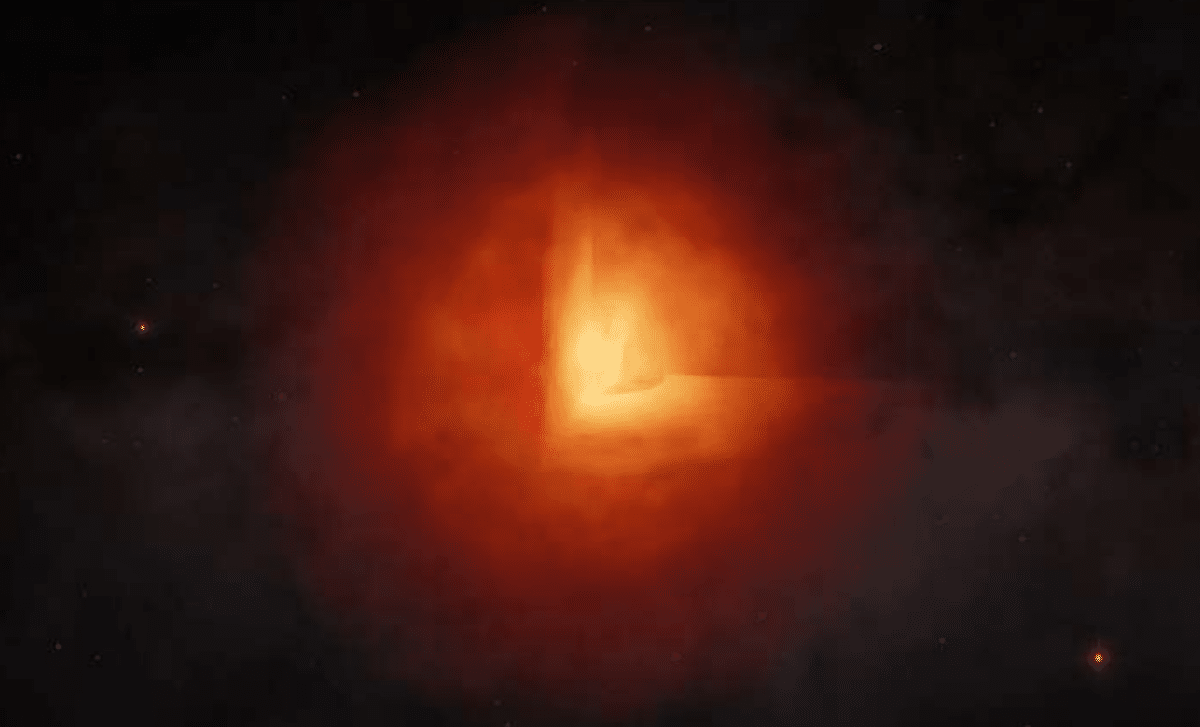
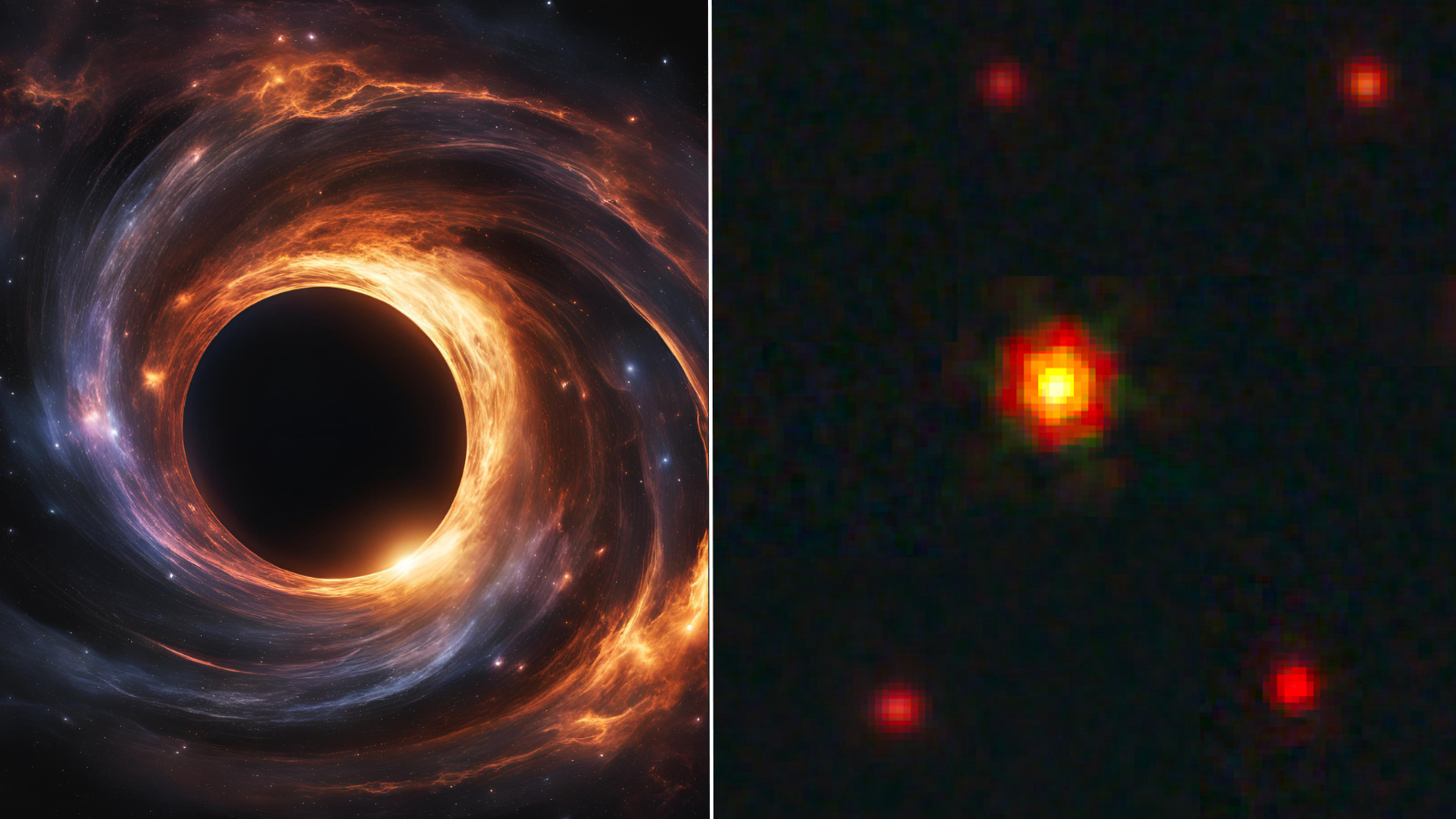
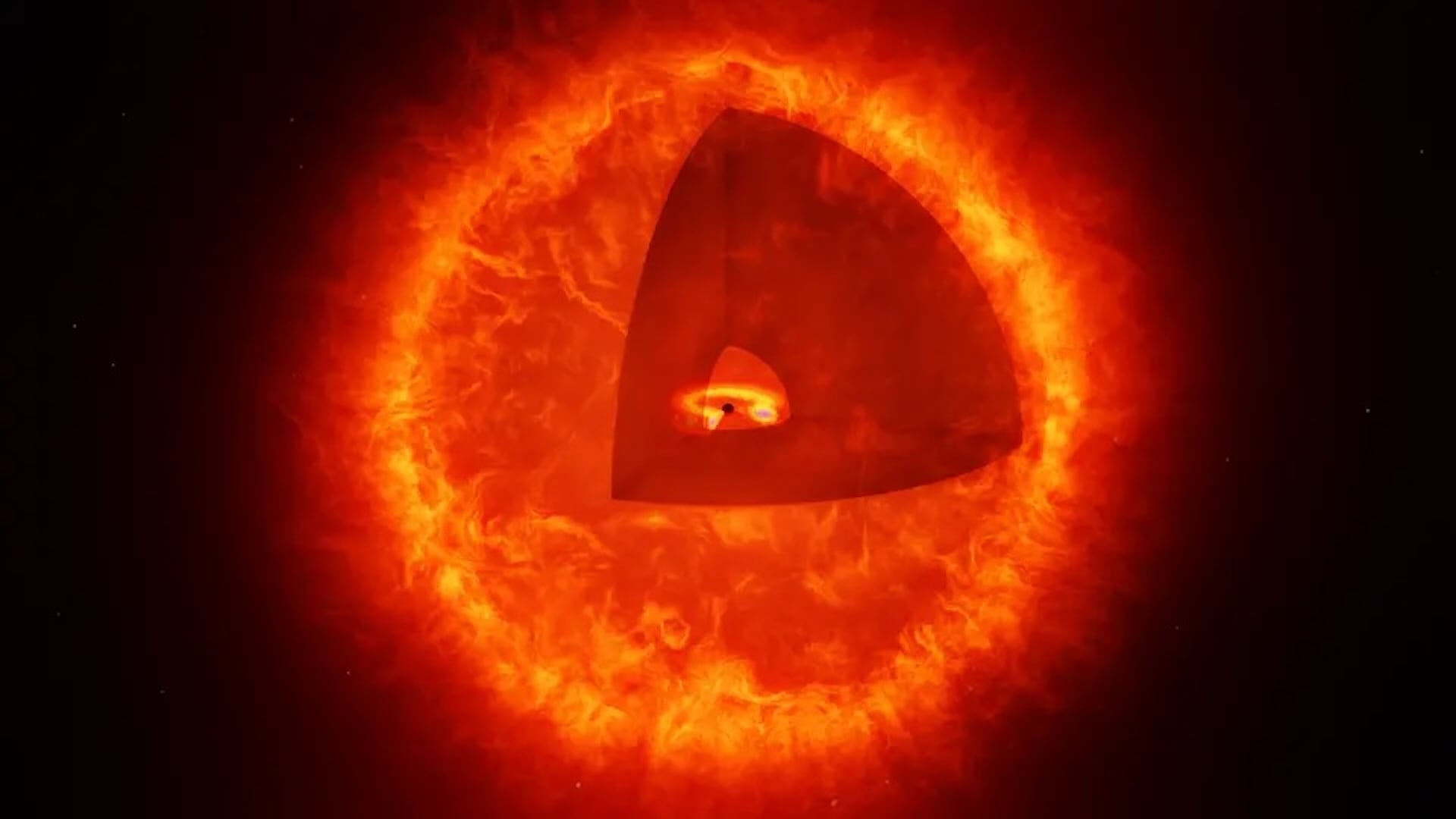
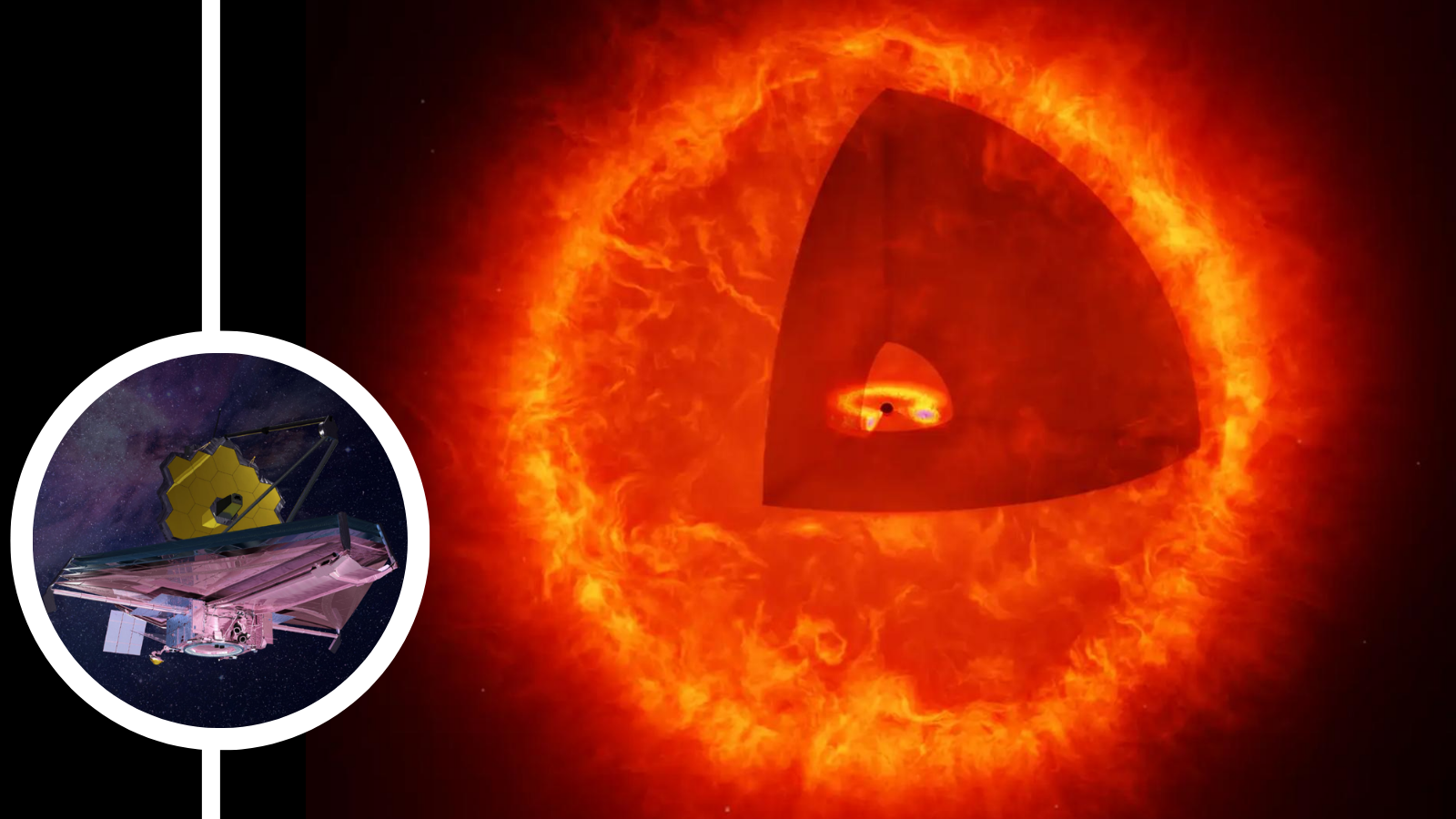
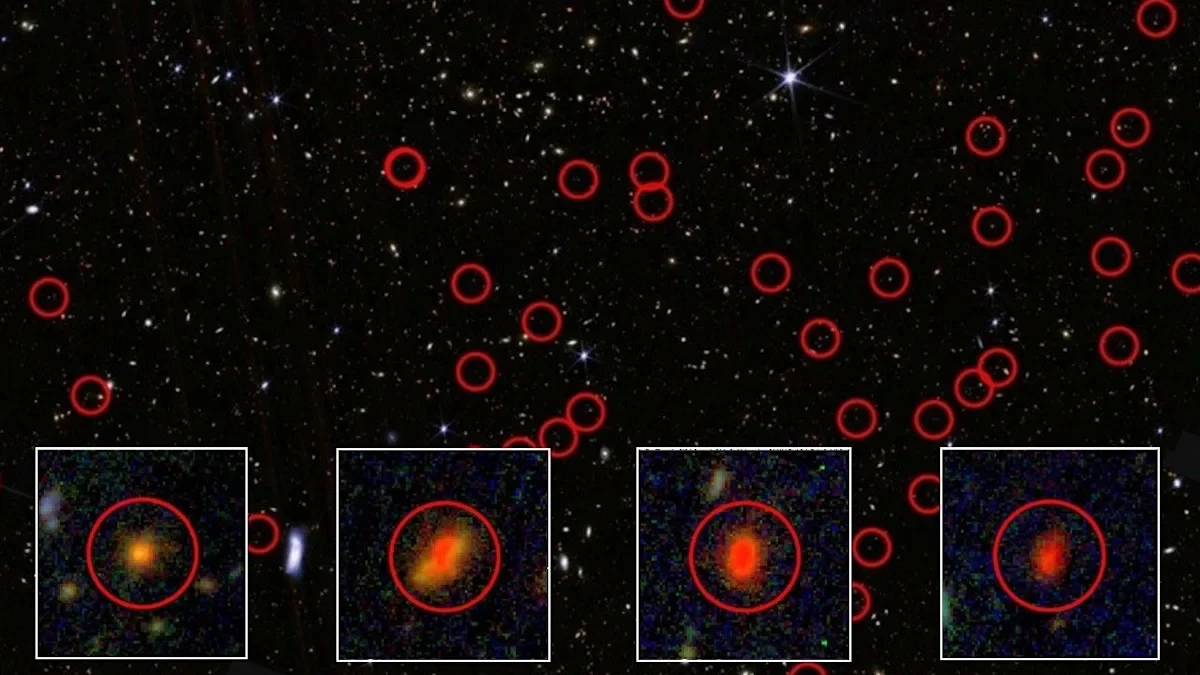
A new study proposes that JWST-detected “little red dots” are not black holes but supermassive Population III stars from the early universe that are in their final moments before collapsing into black holes. The models reproduce the objects’ extreme brightness and a distinctive V-shaped spectral dip, which may arise from the stars’ atmospheres and mass loss. Such monster stars would have very short lifetimes (tens of thousands to ~10,000 years for near-million-solar-mass stars), meaning only a narrow window to observe them; alternative explanations include direct-collapse black holes. Future X-ray checks and especially radio observations could decisively distinguish between the star and black hole scenarios.
Could JWST’s Tiny Dots Hint at the Universe’s First Monster Stars
science3 days ago

Could JWST’s Tiny Dots Hint at the Universe’s First Monster Stars

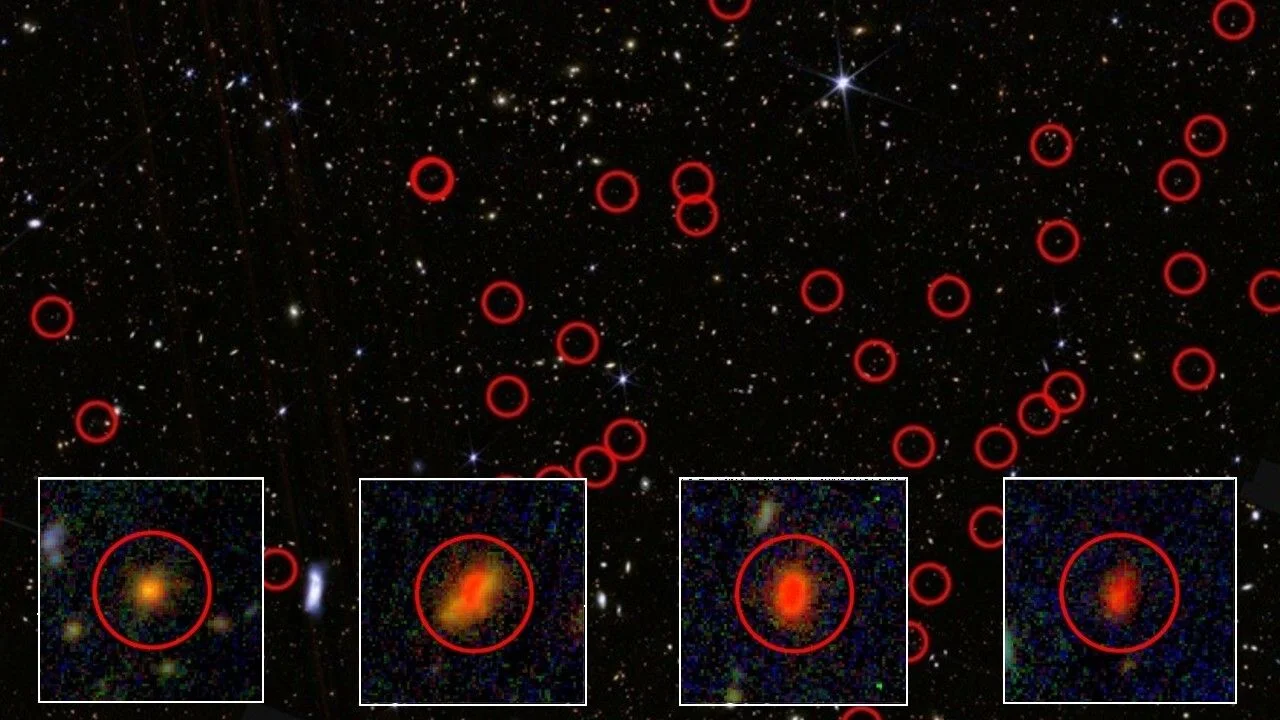
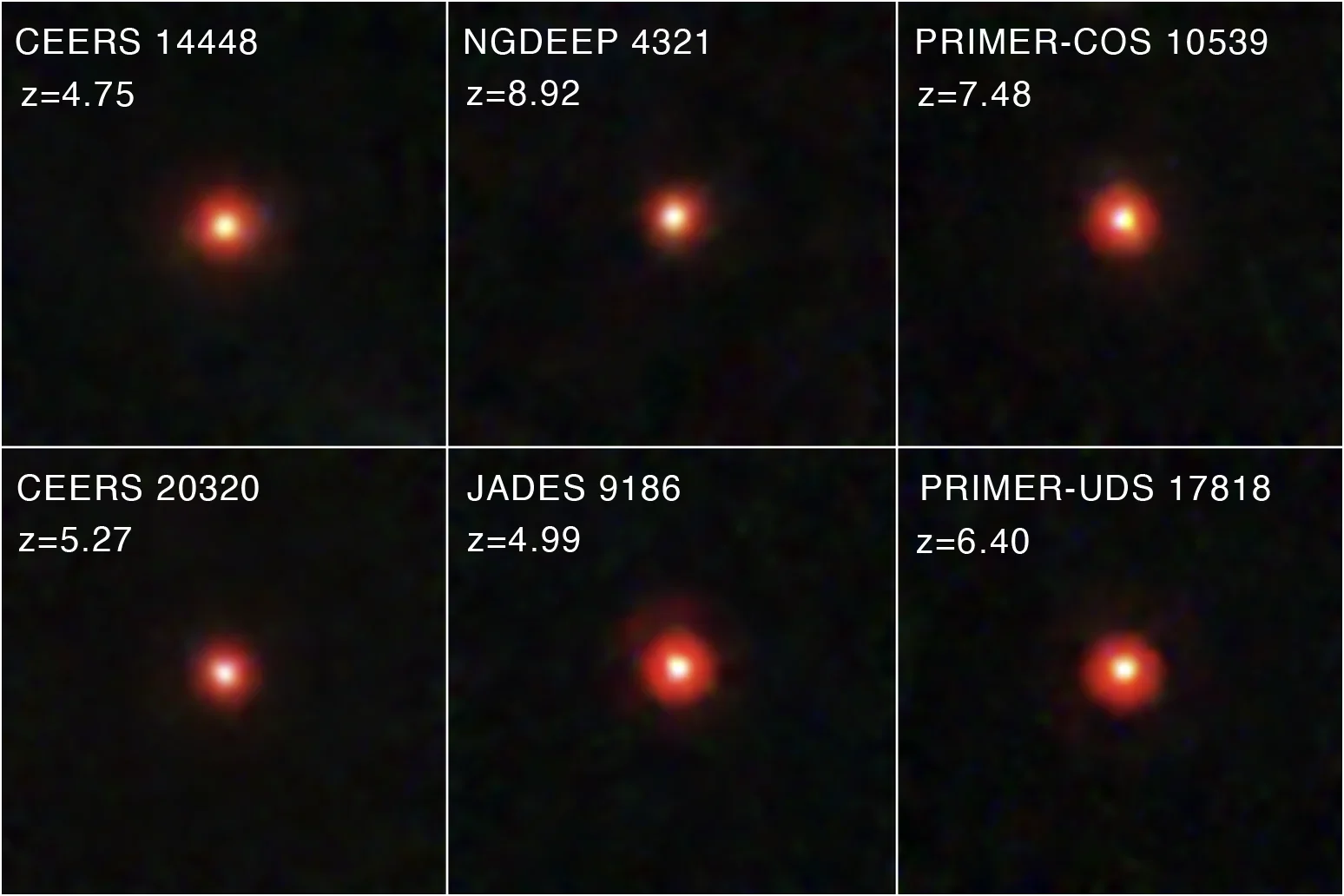
A study linked to the James Webb Space Telescope’s “little red dots” proposes they could be the first generation of supermassive stars (Population III) rather than powered black holes. The team modeled metal-free supermassive stars approaching a million solar masses and found their brightness and spectral features match two observed dots, MoM-BH*-1 and The Cliff, suggesting these stars might eventually collapse into the universe’s first supermassive black holes. If correct, these stars would live only a very short time (around 10,000 years at such masses), limiting how often we might see them; lack of X-ray signals could fit the star scenario, though accreting black holes remain an alternative. Future radio observations could decisively test the idea by detecting emission that would escape if black holes power the dots.

JWST Uncovers Direct-Collapse Black Hole Seeds Behind the Little Red Dots
science28 days ago

JWST Uncovers Direct-Collapse Black Hole Seeds Behind the Little Red Dots

The James Webb Space Telescope’s Little Red Dots are identified as accreting direct-collapse black holes formed directly from primordial gas in the early universe. Radiation–hydrodynamic simulations show these objects reproduce Webb’s observations—weak X-ray emission, metal and high-ionization lines, lack of star-formation features, compact sizes, and redshift evolution—solving the timing problem of how supermassive black holes could appear so early and signaling JWST is witnessing black hole seed formation.

JWST’s Tiny Red Dots Could Be Birthplaces of Early Giant Black Holes
science1 month ago

JWST’s Tiny Red Dots Could Be Birthplaces of Early Giant Black Holes

A study posits that the JWST‑identified Little Red Dots may be nurseries where direct-collapse black holes form, providing heavy black-hole seeds that could grow into supermassive black holes in the early universe; the idea relies on pristine, element-poor gas in the young cosmos and currently awaits higher‑resolution observations and more simulations for confirmation.

JWST's Little Red Dots May Harbor Direct-Collapse Black Hole Birthplaces
space1 month ago

JWST's Little Red Dots May Harbor Direct-Collapse Black Hole Birthplaces

Astronomers using the James Webb Space Telescope have identified compact, red-hued sources called Little Red Dots that could be nurseries for direct-collapse black holes forming from pristine gas in the early universe. If confirmed, this link could explain how supermassive black holes grew so rapidly after the Big Bang; however, observational confirmation requires higher‑resolution data and spectral coverage.

Webb’s Tiny Red Dots Might Be Early-Phase Supermassive Black Holes
astronomy1 month ago

Webb’s Tiny Red Dots Might Be Early-Phase Supermassive Black Holes

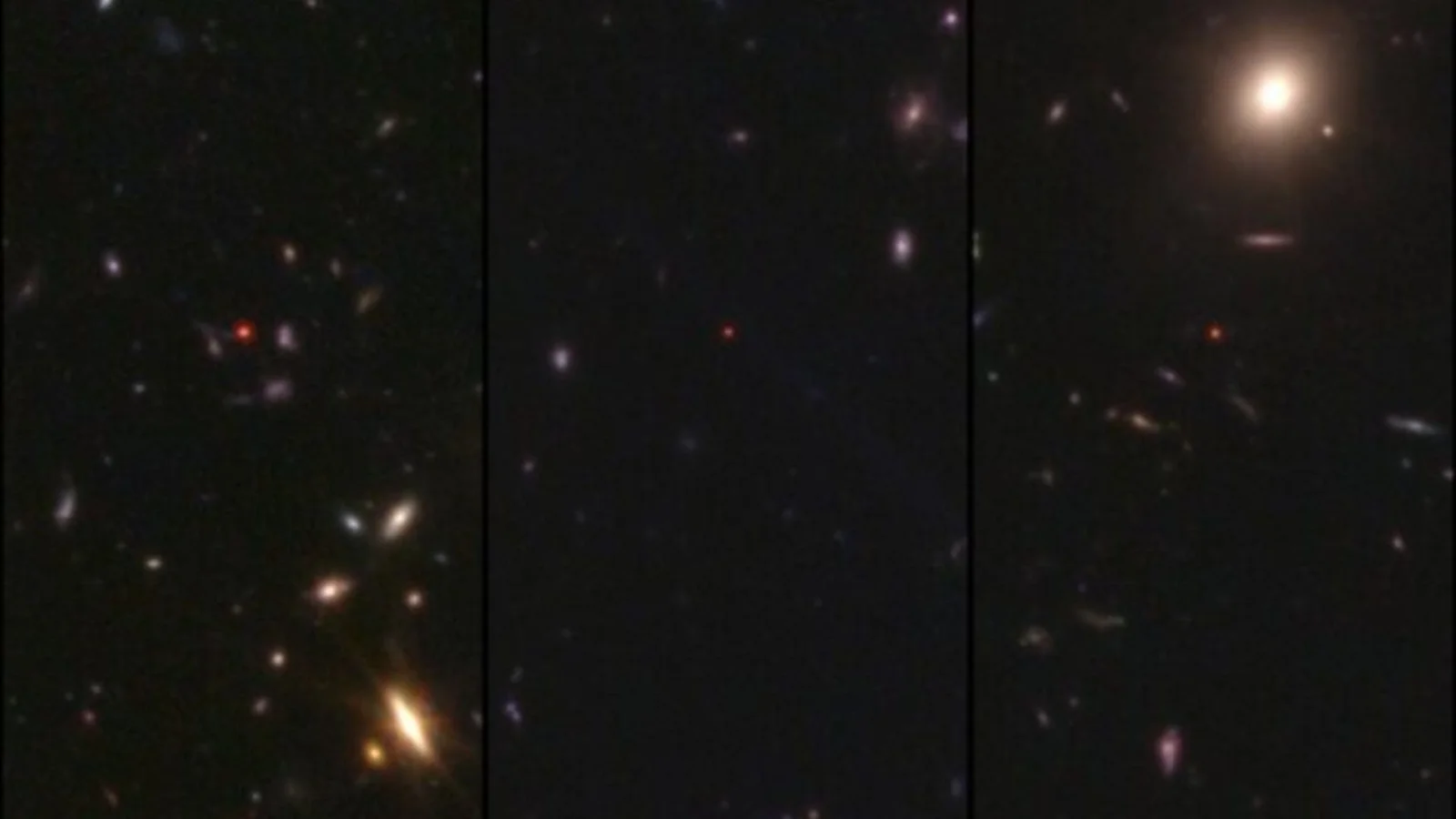
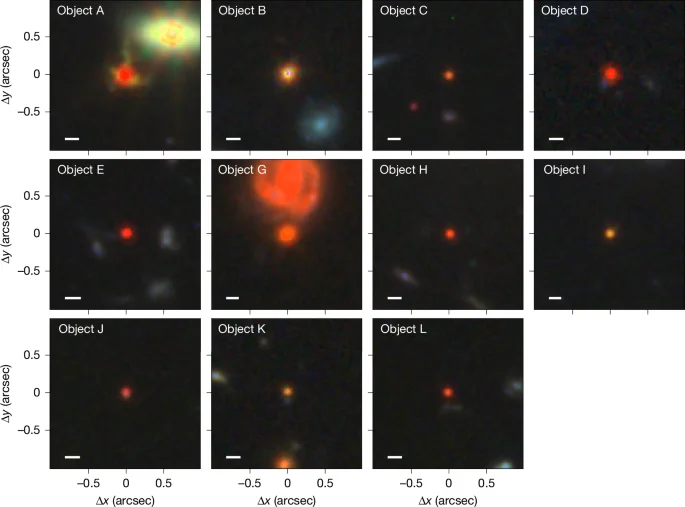
NASA’s James Webb Space Telescope studied 12 ancient galaxies and found that the mysterious “little red dots” are likely supermassive black holes in their youth, not star-rich galaxies. They are extremely luminous yet incredibly compact (more than 250 billion suns in brightness but less than a third of a light-year across), implying black holes roughly 100,000 to 10 million solar masses. Their absence of X-ray/radio emission is explained by surrounding dense gas cocoons that scatter light. If confirmed, these objects could shed light on how massive black holes form in the early universe; the study appears in Nature.

JWST uncovers newborn supermassive black holes hidden in dense ionized cocoons
science1 month ago

JWST uncovers newborn supermassive black holes hidden in dense ionized cocoons

JWST/NIRSpec spectra of a sample of broad-line galaxies at z~3.4–6.7 show Hα line profiles broadened primarily by electron scattering in a dense, Compton-thick ionized gas cocoon, rather than by Doppler motions. Exponential line shapes fit the data better than Gaussians, implying very high electron column densities and compact scattering regions, which leads to lower inferred black-hole masses (~10^5–10^7 solar masses) than previously estimated. The objects are likely accreting near the Eddington limit but exhibit unusually weak X-ray and radio emission due to reprocessing by the cocoon. These are candidate young SMBHs enshrouded in dense gas, offering insight into the early growth of black holes in the universe. The study also integrates SED modeling to estimate host properties and discusses potential biases in virial mass estimates for this population.

James Webb Telescope Uncovers New and Ancient Black Hole Phenomena
science5 months ago

James Webb Telescope Uncovers New and Ancient Black Hole Phenomena

Astronomers using the James Webb Space Telescope have potentially discovered a new class of cosmic object called a 'black hole star,' which could explain mysterious 'little red dots' observed in the early universe. These objects may be black holes feeding rapidly and surrounded by glowing gas, offering insights into black hole growth and galaxy evolution. Further observations are needed to confirm their nature.

New Insights into the Origin of Early Universe 'Little Red Dots'
science6 months ago

New Insights into the Origin of Early Universe 'Little Red Dots'

Astronomers using the James Webb Space Telescope have discovered mysterious tiny, bright galaxies called 'little red dots' from when the universe was just one billion years old. A new study suggests these objects formed in rare, slowly spinning dark matter halos, explaining their compact size, brightness, and timing, and offering insights into early galaxy and black hole formation.

Webb Telescope Uncovers Potential Black Hole Inside the Universe’s First Stars
science7 months ago

Webb Telescope Uncovers Potential Black Hole Inside the Universe’s First Stars

Astronomers using the James Webb Space Telescope have discovered tiny, luminous objects called 'little red dots' in the early universe that may be a new type of star powered by embedded black holes, potentially representing a phase in the formation of supermassive black holes. These objects challenge existing classifications and could provide insights into black hole growth and galaxy evolution.