Tag

Biological Clock

All articles tagged with #biological clock

health1 month ago

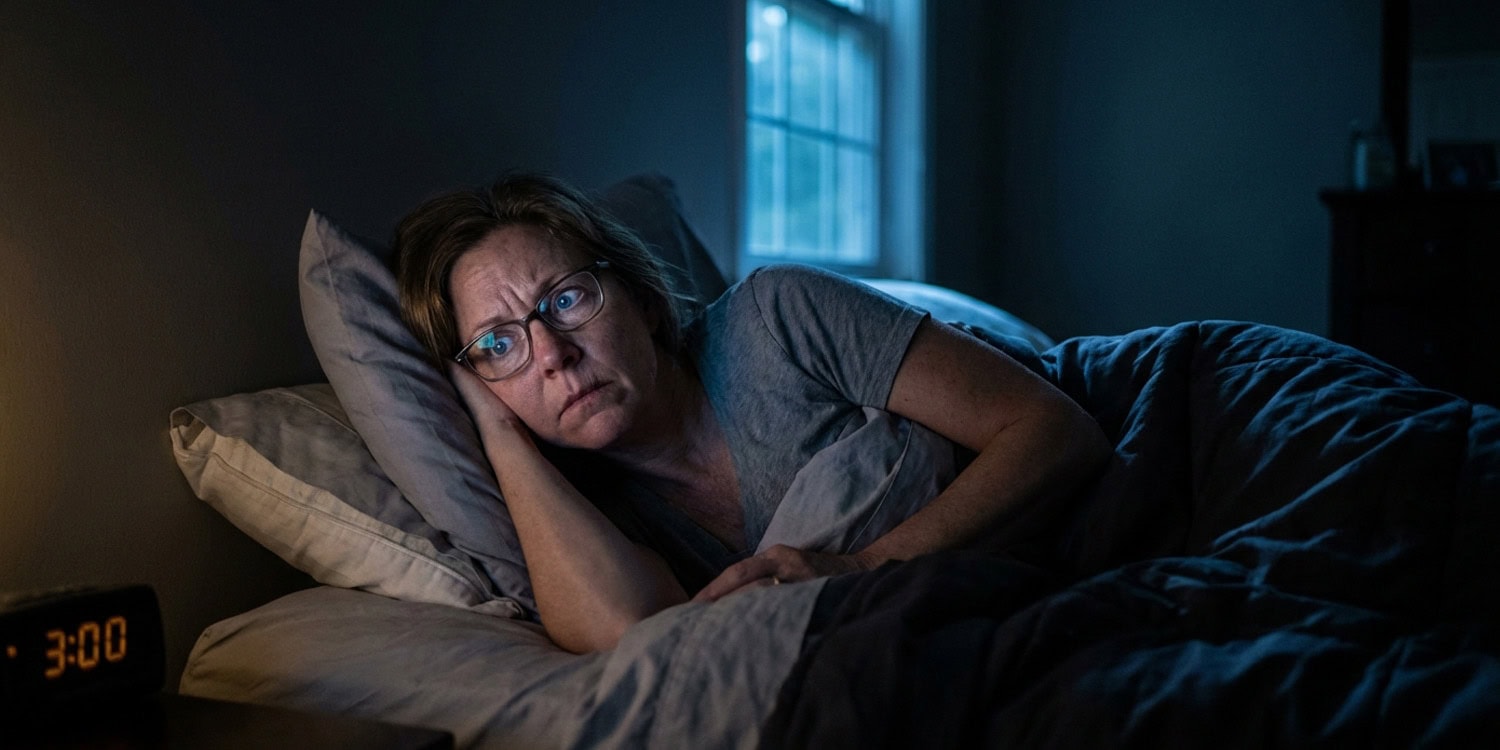
Unraveling the Insomnia Puzzle: How Circadian Disruption Keeps the Brain Awake

New research indicates that chronic insomnia may be caused by a disruption in the body's internal clock, leading to a flattened circadian rhythm of mental activity and delayed peak alertness, which keeps the brain in a heightened state of alertness at night. The study suggests that targeting the circadian system could offer new treatment avenues for insomnia.
health-and-medicine2 months ago

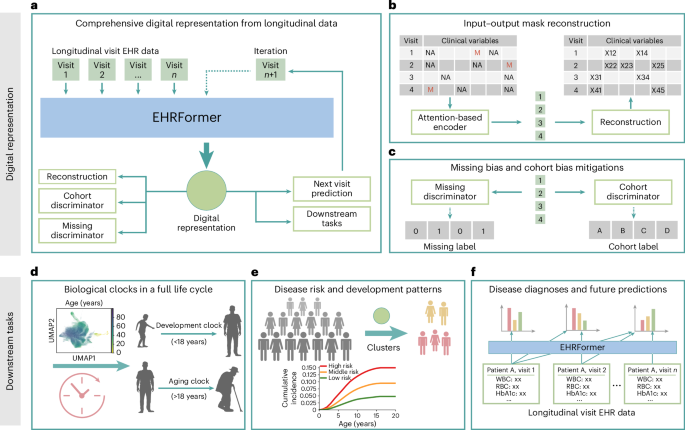
AI-Driven Biological Clock Predicts Health Outcomes and Diseases

This study introduces LifeClock, a comprehensive biological aging clock based on routine clinical data from electronic health records (EHRs), utilizing a transformer-based model called EHRFormer to predict biological age across the full human lifespan and assess its association with disease risks and survival outcomes, demonstrating high accuracy and potential for personalized medicine.

health-and-psychology4 months ago

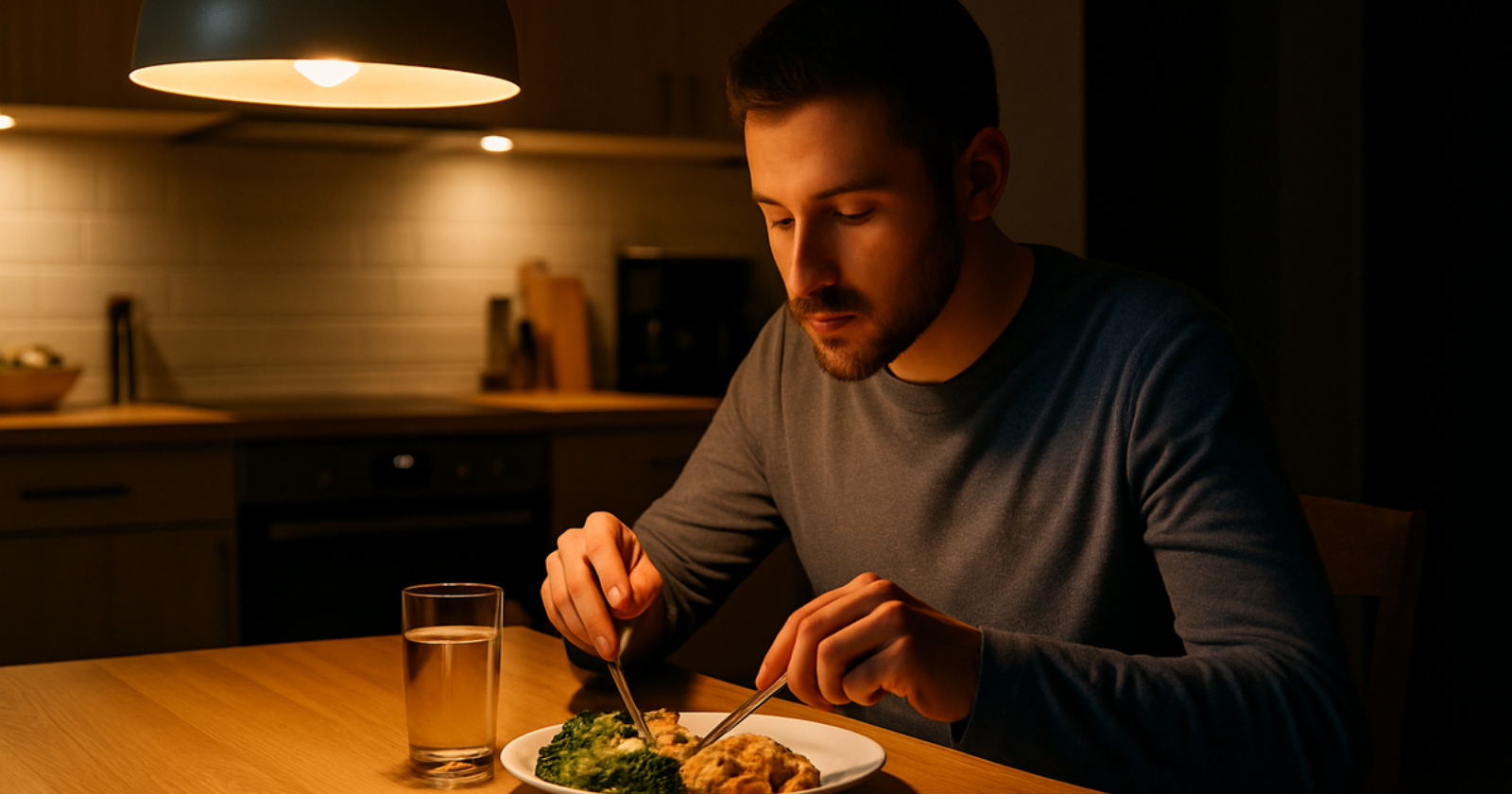
7 Surprising Traits of Night-Eating Dinners After 9 p.m.

People who eat dinner after 9 p.m. often do so due to their biological and social rhythms, not laziness, with traits like being night-owls, prioritizing deep work and social connections, and adapting to cultural norms. Recognizing these patterns can lead to more compassionate and effective approaches to late-night eating, emphasizing alignment with one's natural clock and environment.

health-and-wellness6 months ago

Tips to Reverse Your Biological Clock

While radical life extension remains unlikely, improving healthspan through regular exercise, a Mediterranean diet, avoiding harmful habits, and staying optimistic can significantly slow down the biological clock and enhance quality of life as we age. Ongoing research into drugs like metformin and rapamycin, as well as personalized therapies, offers hope for future breakthroughs in aging science.

health-and-wellness1 year ago

"The Truth About Women's Biological Clocks: Debunking Fertility Myths"

The average age at which women are having children has been steadily rising, with most women in Britain now having their first child at 32 or older. Despite societal pressure and the prevalence of stories about older celebrities having children, the reality is that fertility declines gradually from 30-35, then more rapidly from 35-40, and sharply after 40. While advancements in fertility testing and assisted reproduction techniques have improved, age remains the dominant factor in fertility. Women's decisions about when to have children are influenced by a complex interplay of societal and biological factors, and it's important to provide accurate information and support rather than stigmatizing language.

science-and-health2 years ago

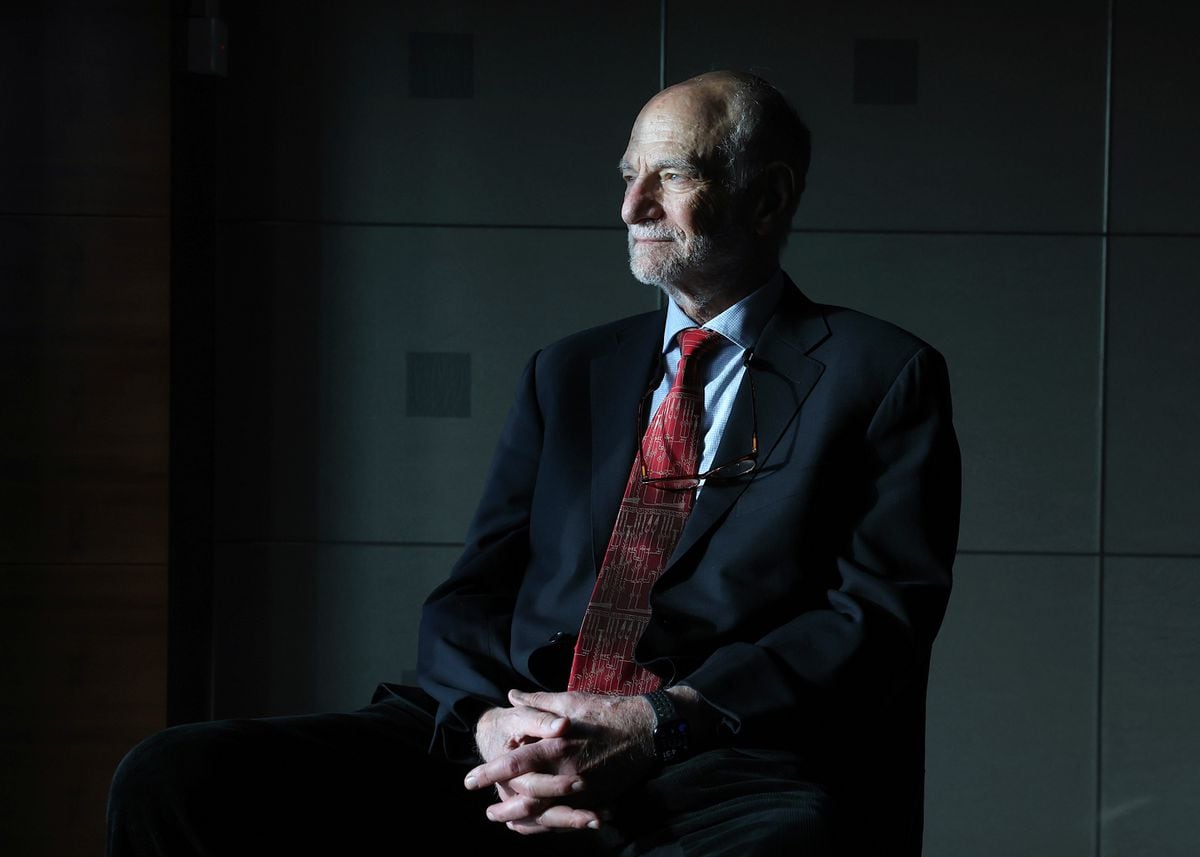
The Impact of Sunlight Deprivation on Health: Insights from Nobel Laureate Michael Rosbash

Michael Rosbash, Nobel Laureate in Medicine and chronobiologist, discusses the importance of circadian rhythms and the impact of light exposure on our health. He highlights that 70% of our genes are regulated by circadian rhythms, and lack of sunlight during the day is more detrimental than exposure to electric lighting at night. Rosbash emphasizes the need for public funding agencies to support basic research, as it forms the foundation for applied research. He also suggests that manipulating the molecular clock with drugs could potentially address chronodisruption associated with aging.

science2 years ago

Unifying the Genetic Basis of Aging and Age-Related Diseases

A study has found that DNA methylation age, a measure of biological aging, is consistent across various mammalian tissues. The researchers analyzed DNA methylation patterns in 128 different tissues from 63 mammalian species and found that the methylation age was highly correlated across tissues. This suggests that DNA methylation age may serve as a universal biological clock across mammalian species, providing insights into the aging process and potential interventions.

neuroscience2 years ago

The Impact of Light Sensitivity on Alzheimer's Progression

New research suggests that increased light sensitivity in Alzheimer's patients may contribute to "sundowning" and sleep disruptions, potentially accelerating the progression of the disease. Light therapy could be a valuable tool to manage erratic sleep patterns caused by altered circadian rhythms. Understanding the effects of Alzheimer's on the biological clock may also offer strategies for disease prevention, as poor sleep quality in adulthood is a risk factor for Alzheimer's. The study highlights the role of the retina in enhanced light sensitivity in Alzheimer's, providing a promising avenue for the development of new treatments and prevention methods.

health2 years ago

"Priyanka Chopra's Egg Freezing Journey: Finding Freedom and Overcoming Anxiety"

Actress Priyanka Chopra Jonas revealed on a podcast that she froze her eggs in her early 30s due to her career and not having met the right person to start a family with. She encourages her friends to consider the procedure as well, citing the reality of the biological clock. Chopra Jonas is now married and a mother, and she credits her husband Nick Jonas with teaching her to approach things from a calmer place.

health2 years ago

Apple Watch study shows majority of Americans not getting enough sleep

New research suggests that humans may need more sleep during the colder months. An analysis of people who participated in sleep studies found that people had more REM (rapid eye movement) sleep in the winter months. While the total sleep time in winter is about an hour longer than in summer, this result wasn't considered to be statistically significant. Yet researchers found that REM sleep, which is directly linked to the biological clock that's affected by the change of light, was 30 minutes longer in winter than in summer.