Tag

Hypertension

All articles tagged with #hypertension

Hilo cuff-free BP wristband detects hypertension, but cost and calibration hurdles dampen the win
technology18 minutes ago

Hilo cuff-free BP wristband detects hypertension, but cost and calibration hurdles dampen the win

ZDNET reviews Hilo, a wrist-worn, FDA-cleared blood pressure monitor that continuously tracks BP and can alert to hypertension. It’s accurate and durable but requires monthly cuff calibrations, costs about $80 per year after the first year for full app access, and data access is limited otherwise. Sleep tracking is weak, and the overall price undermines its appeal compared with cheaper cuffs or other wearables.
Hypertension’s Hidden Toll: What High Blood Pressure Does to Your Body
health-and-wellness1 day ago

Hypertension’s Hidden Toll: What High Blood Pressure Does to Your Body

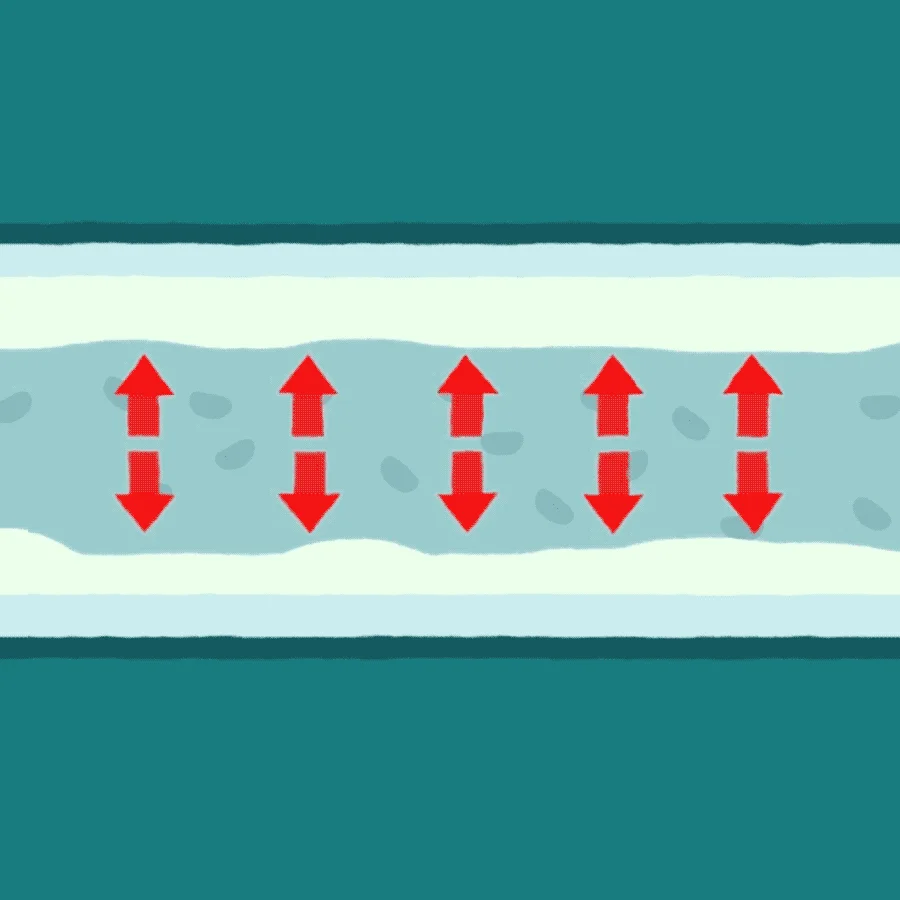
Hypertension affects about half of US adults and often has no obvious symptoms, yet it quietly raises the risk of heart disease, kidney disease, stroke and other organ damage. Regular blood pressure checks and effective treatment can dramatically reduce these risks, underscoring the condition’s status as a leading preventable cause of death.

Arm posture can swing blood pressure readings, study finds
lifestyle2 days ago

Arm posture can swing blood pressure readings, study finds

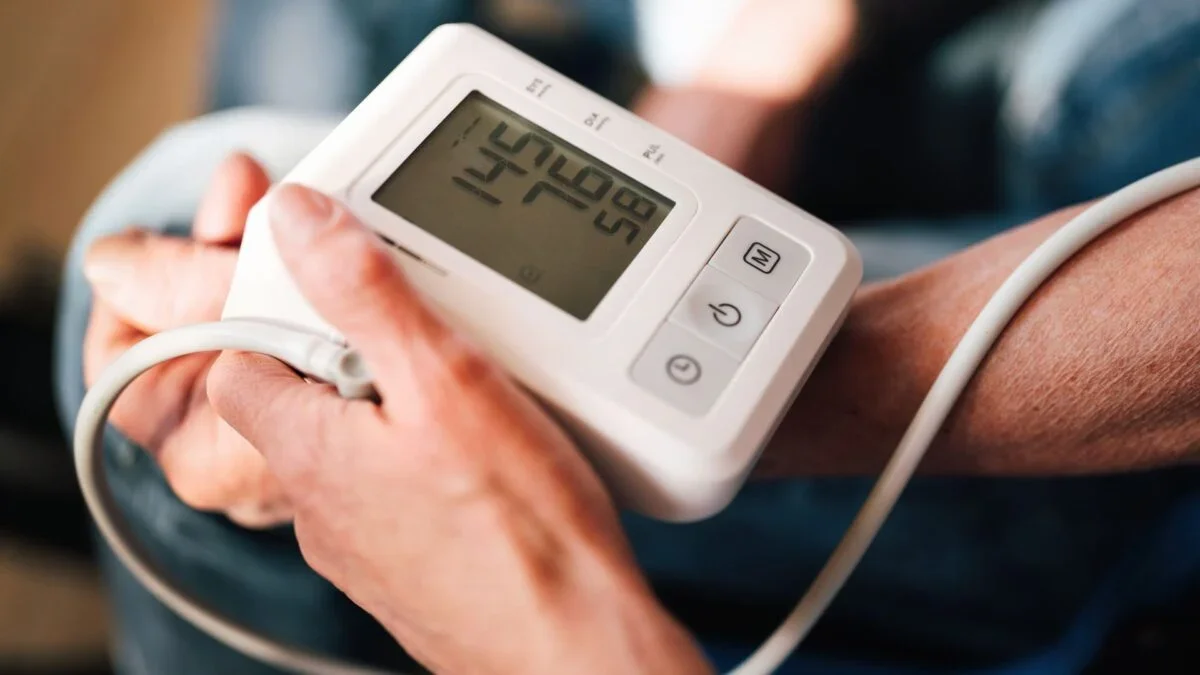
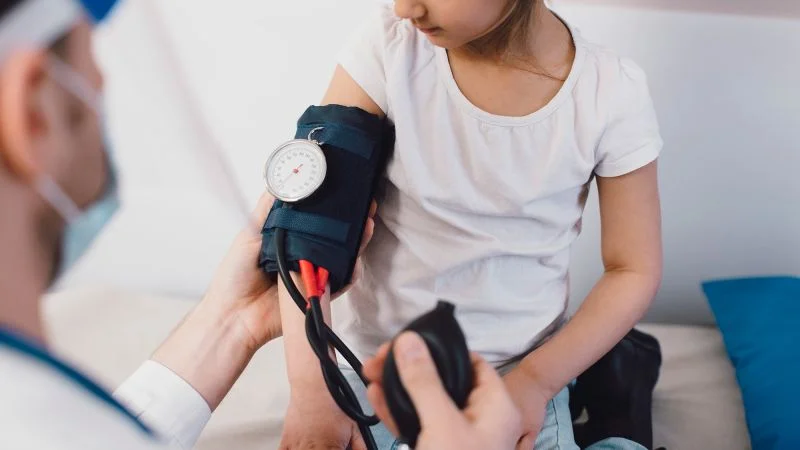
A Johns Hopkins study shows that subtle arm-position changes during BP testing—such as dangling or resting on a desk—can raise readings by several mmHg, potentially moving a diagnosis from “elevated” to “stage 2.” Desk-level arm support and alignment with heart height yield the most accurate results. The findings highlight the need for proper posture in clinics and at home, with guidelines from the American Heart Association and ongoing efforts to reduce misdiagnosis and unnecessary prescriptions.

AHA Warns 60% of US Women Could Have Heart Disease by 2050
health3 days ago

AHA Warns 60% of US Women Could Have Heart Disease by 2050

The American Heart Association projects that by 2050 up to about 60% of US women could have cardiovascular disease, driven by rising high blood pressure, obesity, and diabetes, with greater increases among younger women and women of color; while cholesterol levels may improve and prevention efforts could reduce the burden, the overall trend signals a cardiovascular health crisis for women that requires stronger prevention and policy actions.

Eat Your Way to Lower Blood Pressure: Foods Experts Recommend
health19 days ago

Eat Your Way to Lower Blood Pressure: Foods Experts Recommend

Cardiologists and dietitians say adopting a DASH-style, high-fruit/vegetable, high-fiber eating plan can help reduce blood pressure within about three months. Key foods to focus on include low-fat yogurt, berries, leafy greens, garlic, sweet potatoes, oatmeal, fatty fish like salmon, avocado, quinoa, broccoli, and unsalted pumpkin seeds, while limiting salt, alcohol, saturated fats, and processed foods. Combine these dietary choices with regular exercise, weight management, and, if prescribed, medications to manage hypertension.

Small Changes, Big Impact: Five Steps to Take Control of Your Blood Pressure
health25 days ago

Small Changes, Big Impact: Five Steps to Take Control of Your Blood Pressure

Nearly half of US adults have high blood pressure, a major modifiable risk factor for heart disease, stroke and possibly cognitive decline. The article lays out five practical steps: know your numbers by properly measuring BP at home (to catch white‑coat hypertension); understand personal risk from genetics, age and pregnancy; follow the DASH diet with potassium‑rich foods and lower sodium (ideally under 2,300 mg/day); get regular aerobic and isometric exercise to reduce pressure and stress; and, if needed, use medications to reach targets below 130/80, noting that lifestyle changes still improve outcomes beyond the BP number.

Coffee and blood pressure: small, temporary bumps, not a hypertension risk
health25 days ago

Coffee and blood pressure: small, temporary bumps, not a hypertension risk

Coffee can raise blood pressure briefly, especially in new drinkers or those with hypertension, as caffeine stimulates heart rate and constricts vessels. Blood caffeine peaks 30 minutes to 2 hours after a cup and has a 3–6 hour half-life. Studies typically report systolic BP rises of about 3–15 mmHg and diastolic rises of 4–13 mmHg, with individual responses varying by genetics, age, and habitual intake. Overall, coffee is not consistently linked to a higher hypertension risk, though very high BP patients should discuss intake with a doctor. Practical guidance: know your BP, limit caffeine to about four cups a day (or switch to decaf if needed), avoid caffeine before BP measurement, and consider reducing or timing intake if your BP is elevated.

Nearly Half of Americans Have Hypertension, Yet Most Are Untreated or Uncontrolled
health26 days ago

Nearly Half of Americans Have Hypertension, Yet Most Are Untreated or Uncontrolled

New NHANES data from 2021–2023 show 47% of Americans over 20 have hypertension, with 79% of those cases uncontrolled; among the uncontrolled, about 61% aren’t taking blood-pressure medications. Experts say many could reach the 130/80 target with medication and lifestyle changes, but awareness gaps and access issues hinder treatment, contributing to 664,470 deaths in 2023. The findings underscore the need for broader screening and better treatment uptake to improve cardiovascular health.

Apple Watch Hypertension Alerts Roll Out to Seven New Markets
technology1 month ago

Apple Watch Hypertension Alerts Roll Out to Seven New Markets

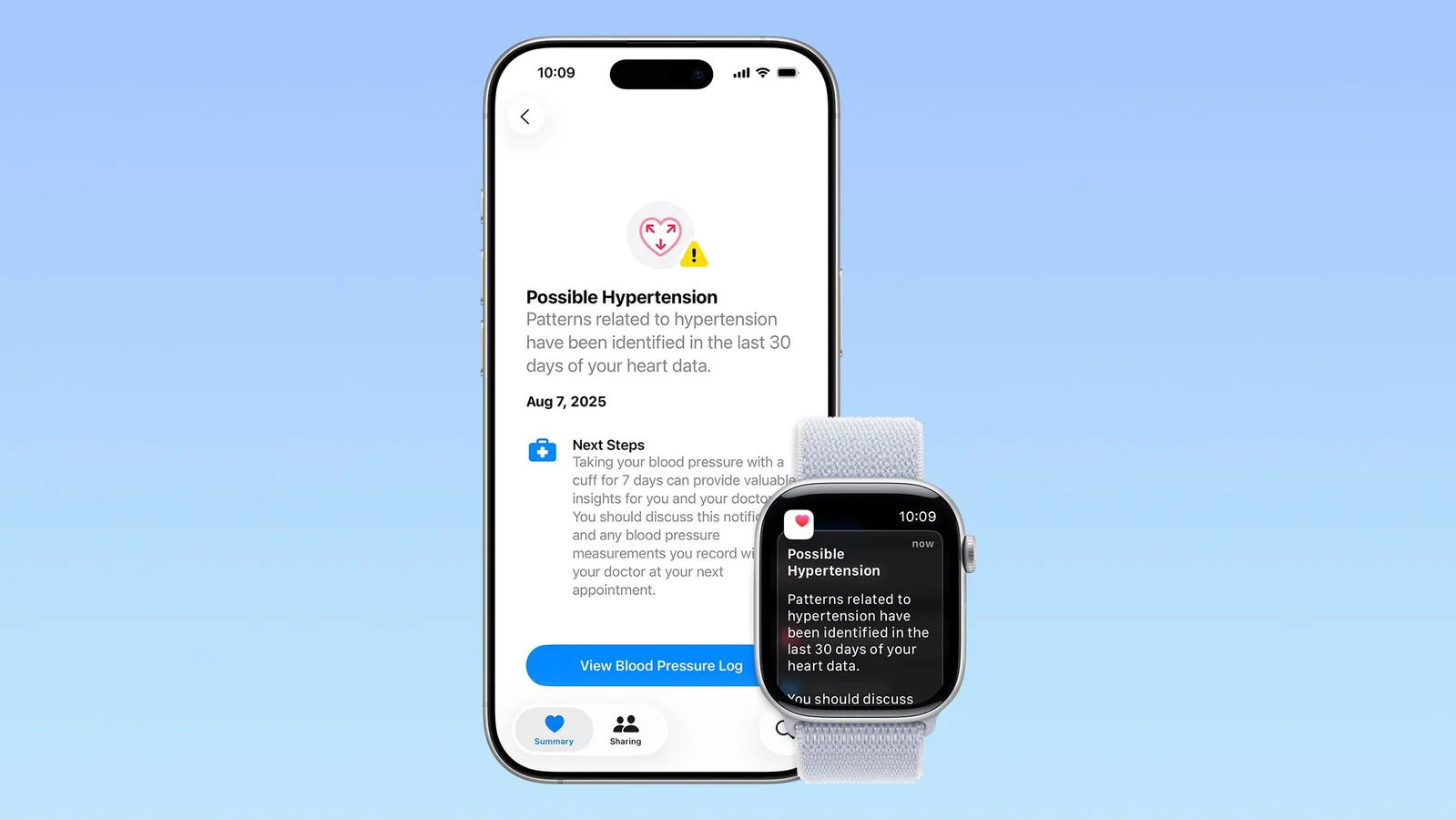
Apple expanded hypertension notifications to seven more countries (Australia, Malaysia, Colombia, Indonesia, South Korea, Brazil, and Turkey) for Apple Watch and iPhone users. The feature, introduced last year, uses watch sensors and algorithms to flag potential high blood pressure over a 30-day period and can prompt users to monitor more frequently with medical guidance. Available on Apple Watch Series 9+ and Ultra 2+ via the Health app, the rollout aims to help address the global burden of hypertension.

AHA study links CKM syndrome to silent cardiovascular risk in 90% of Americans
health1 month ago

AHA study links CKM syndrome to silent cardiovascular risk in 90% of Americans

A American Heart Association report shows momentous progress in reducing heart attacks and strokes, but introduces the cardiovascular-kidney-metabolic (CKM) syndrome and finds that nearly 90% of U.S. adults have at least one CKM risk component. Stroke deaths rose among younger adults (25–34) and older adults (85+), signaling lingering and interlinked risks from heart, kidney, and metabolic conditions. Experts urge reinforced prevention through Life’s Essential 8—focusing on diet, activity, not smoking, sleep, weight, lipids, glucose, and blood pressure—to curb future disease, including rises in youth obesity and hypertension.

Staying Highly Active in Young Adulthood Cuts Hypertension Risk in Midlife
health1 month ago

Staying Highly Active in Young Adulthood Cuts Hypertension Risk in Midlife

A US study of 5,100+ adults over three decades finds that maintaining higher physical activity in young adulthood—about 5 hours weekly, double the current minimum—substantially lowers midlife hypertension risk, particularly if activity persists to age 60, while racial disparities show Black participants face steeper declines and higher hypertension, signaling the role of social factors and the need for early-life interventions.

Health Ministry Recalls Blood Pressure Medication
health2 months ago

Health Ministry Recalls Blood Pressure Medication

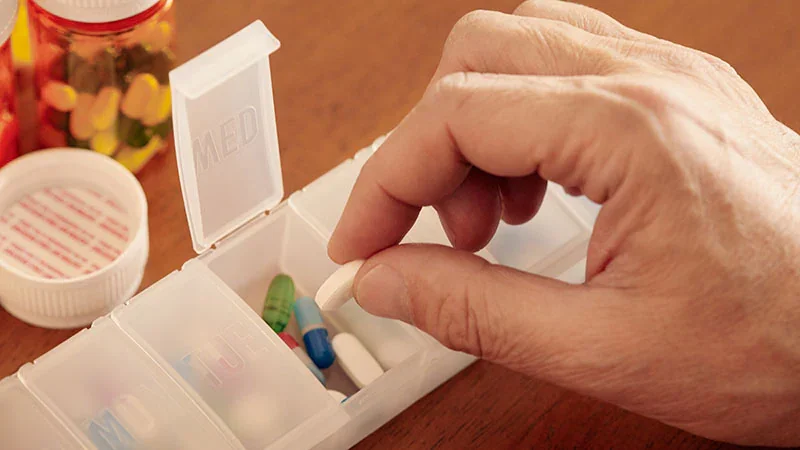
The Trinidad and Tobago Ministry of Health has voluntarily recalled specific lots of bisoprolol fumarate and hydrochlorothiazide tablets after routine testing found trace amounts of ezetimibe, a cholesterol medication, indicating potential cross-contamination. The recall affects over 11,000 bottles, and consumers are advised to stop using the affected products and return them, while consulting healthcare providers if needed. The FDA classifies this as a low-risk (Class III) recall.