Tag

Clinical Practice

All articles tagged with #clinical practice

health3 months ago

DSM Disorders Fade in Psychiatric Symptom Clusters (2024)

Recent research suggests that psychiatric disorders identified by the DSM may not correspond to distinct, biologically valid categories, highlighting the limitations of symptom-based clustering and the importance of clinical judgment and understanding individual patient experiences. The article discusses the potential for more nuanced, data-driven approaches to psychiatric diagnosis, emphasizing the need for better diagnostic tools and recognition of the spectrum of mental health conditions.

health2 years ago

"Assessing the Impact of a Nationwide Diabetes Prevention Programme: A Quasi-Experimental Evaluation"

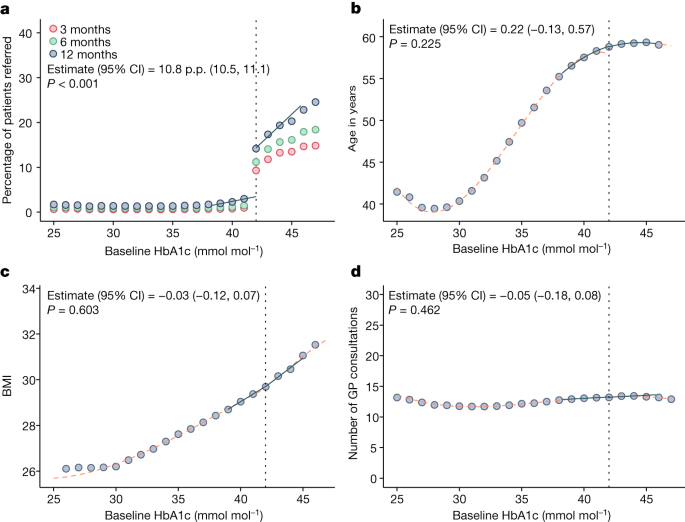
A quasi-experimental evaluation of the English National Health Service (NHS) Diabetes Prevention Programme (DPP) found that the program was associated with a reduction in the incidence of type 2 diabetes in England. The study analyzed data from over 1.7 million individuals and compared the incidence of diabetes between those who participated in the DPP and a control group. The results showed that the DPP was associated with a 26% reduction in the incidence of diabetes over a three-year period. The findings highlight the effectiveness of lifestyle interventions in primary care settings for preventing type 2 diabetes.

health2 years ago

"Dementia risks: Deprescribing, hormone therapy, and acid reflux drugs under scrutiny"

A study led by researchers at the Beth Israel Deaconess Medical Center reveals that efforts to deprescribe medications for dementia patients are failing, as there is an increase in overall medication use following a dementia diagnosis. Despite the importance of simplifying medication regimens and reducing adverse drug events, deprescribing guidelines and efforts are not effectively implemented. The study highlights a potential gap in clinical practice and raises concerns about the increased use of central nervous system-active medications, which can adversely affect cognitive function. The findings suggest missed opportunities to reduce burdensome polypharmacy and deprescribe medications with high safety risks or limited likelihood of benefit.

health2 years ago

Optimal Revascularization Approach for Elderly MI Patients: Complete is Key

The FIRE trial presented at the European Society of Cardiology Congress 2023 showed that complete revascularization, as opposed to treating only the culprit lesion, reduced the risk of cardiovascular events, including death and myocardial infarction, in elderly patients aged 75 and older presenting with either STEMI or NSTEMI. The trial demonstrated that complete revascularization guided by functional testing was safe and beneficial in this population, challenging the current practice of treating only the culprit lesion. The results highlight the need to consider complete revascularization in older patients with multivessel disease and may lead to a shift in clinical practice towards a more comprehensive approach.

health2 years ago

Enhancing the Effectiveness of the Morning-After Pill: Combining it with Another Drug

A study published in The Lancet has found that taking a painkilling tablet alongside the morning-after pill significantly reduces the risk of pregnancy compared to relying on emergency contraception alone. The combination of the anti-inflammatory drug piroxicam and the morning-after pill levonorgestrel prevented 95% of pregnancies, while levonorgestrel alone only prevented 63%. Experts suggest that governments and health services should consider offering both drugs routinely to women seeking to prevent pregnancy after unprotected sex. However, the study's findings may not apply universally, as the participants were predominantly Asian and had a lower body mass index.

health2 years ago

The Limitations of BMI in Assessing Metabolic Health

The American Medical Association (AMA) has adopted a new policy calling on doctors to deemphasize the role of body mass index (BMI) in clinical practice, signaling a significant shift in how clinicians regard BMI as a measure of general health. While BMI has been widely used to define obesity, research has shown that it does not directly measure body fat for an individual and cannot provide precise information about fat distribution in the body. The AMA recommends alternative measures such as body adiposity index and waist circumference, but evidence for using these measurements to improve health outcomes is lacking. Further research is needed to identify the best ways to assess the health risks of elevated body weight.

health2 years ago

New Morning-After Pill for STIs to Combat Rising Rates in the US

A new study published in The New England Journal of Medicine has shown that a single dose of the antibiotic doxycycline taken within 72 hours of having sex without a condom can reduce the risk of contracting chlamydia, gonorrhea, or syphilis by two-thirds. The pill, known as doxyPEP, has been studied for a decade and has been taken covertly for years. While the results are promising, the study was conducted only among gay and bisexual men, along with transgender women and nonbinary people assigned male at birth, and the possibility of antibiotic resistance has been raised. The CDC is expected to weigh in on the use of doxyPEP by the end of the summer.

health2 years ago

Mediterranean Diet Reduces Cardiovascular Risk and Mortality.

A Mediterranean diet, rich in whole grains, vegetables, fruits, legumes, nuts, and extra virgin olive oil, can reduce a woman’s risk of cardiovascular disease and death by nearly 25%, according to the first-ever pooled data analysis published in the journal Heart. The study emphasizes the importance of understanding the sex-specific effects of the Mediterranean diet on cardiovascular disease and mortality. The findings prompt the researchers to call for more sex-specific research to guide clinical practice in heart health.