Tag

Ground Based Telescopes

All articles tagged with #ground based telescopes

science3 months ago

Vera Rubin Observatory: Revolutionizing Earth-Based Astronomy in 2025

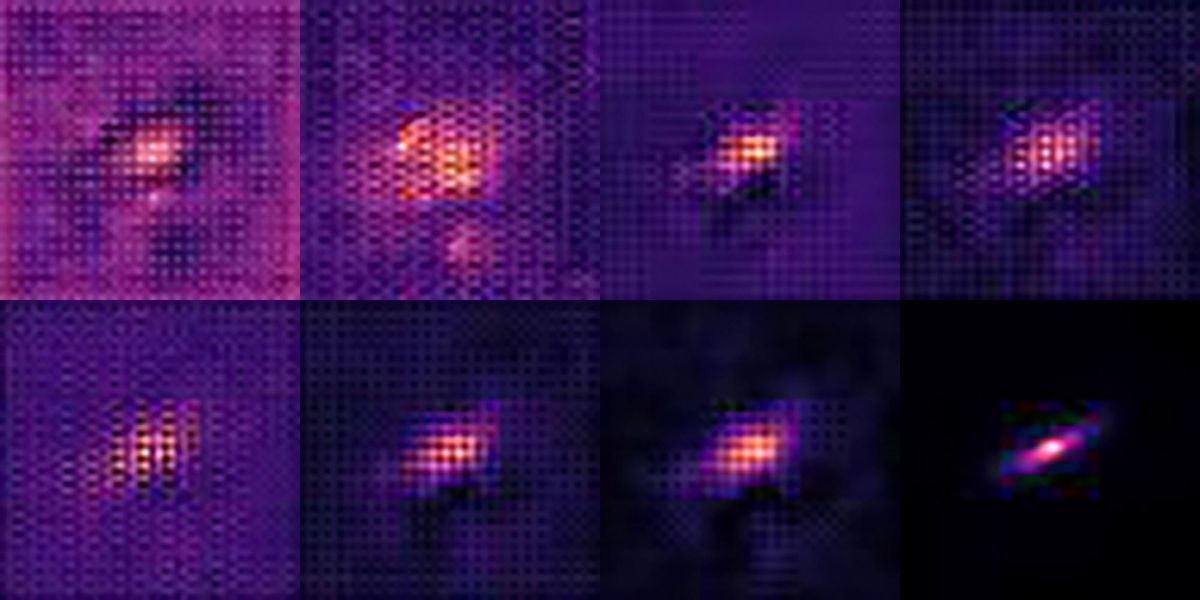
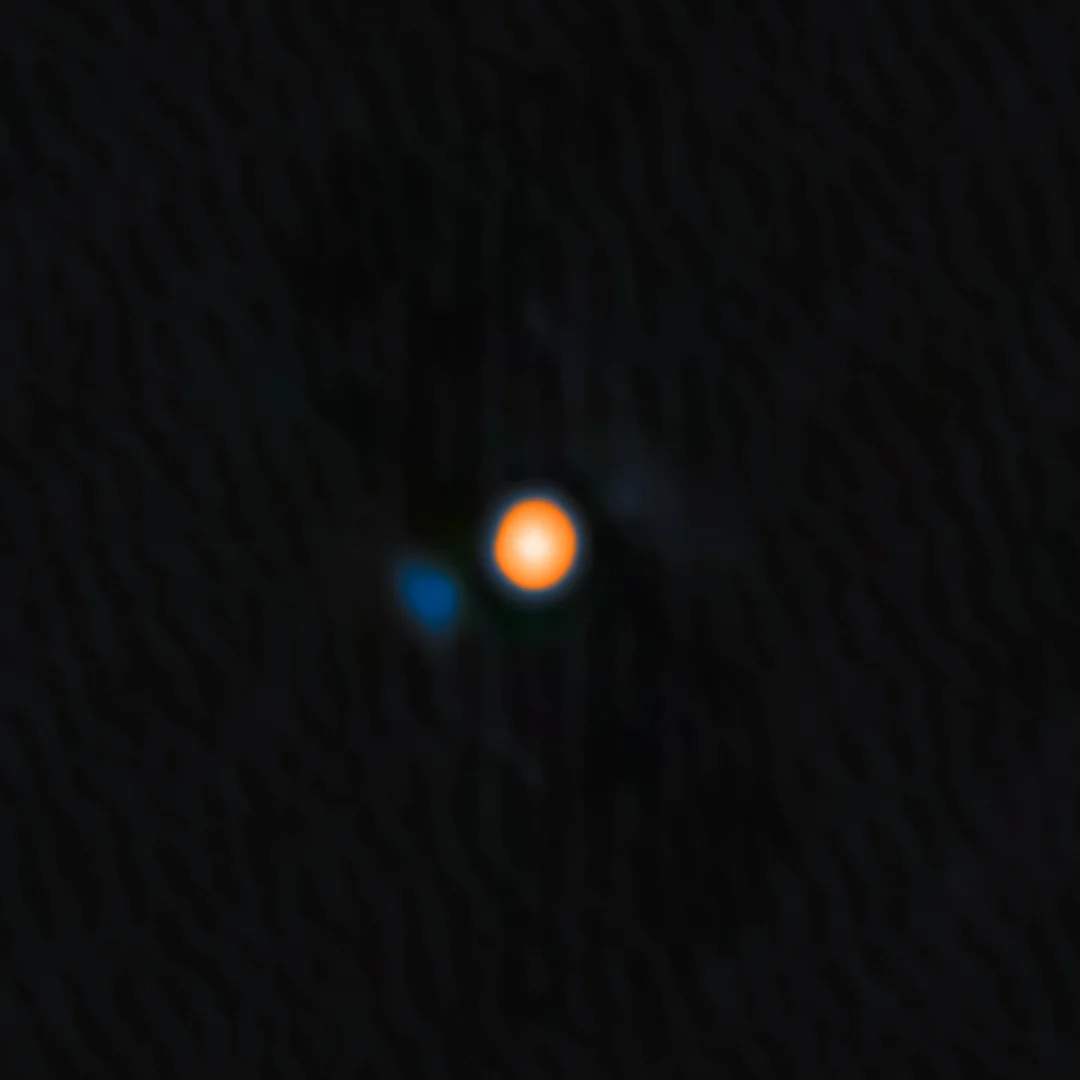
Researchers at Johns Hopkins have developed a new mathematical algorithm called ImageMM that significantly improves the clarity of images captured by ground-based telescopes by effectively correcting atmospheric distortions, potentially rivaling space telescopes in image quality while maintaining the ability to survey large areas of the sky.
science5 months ago

Global Light Pollution Threatens Astronomical Observations

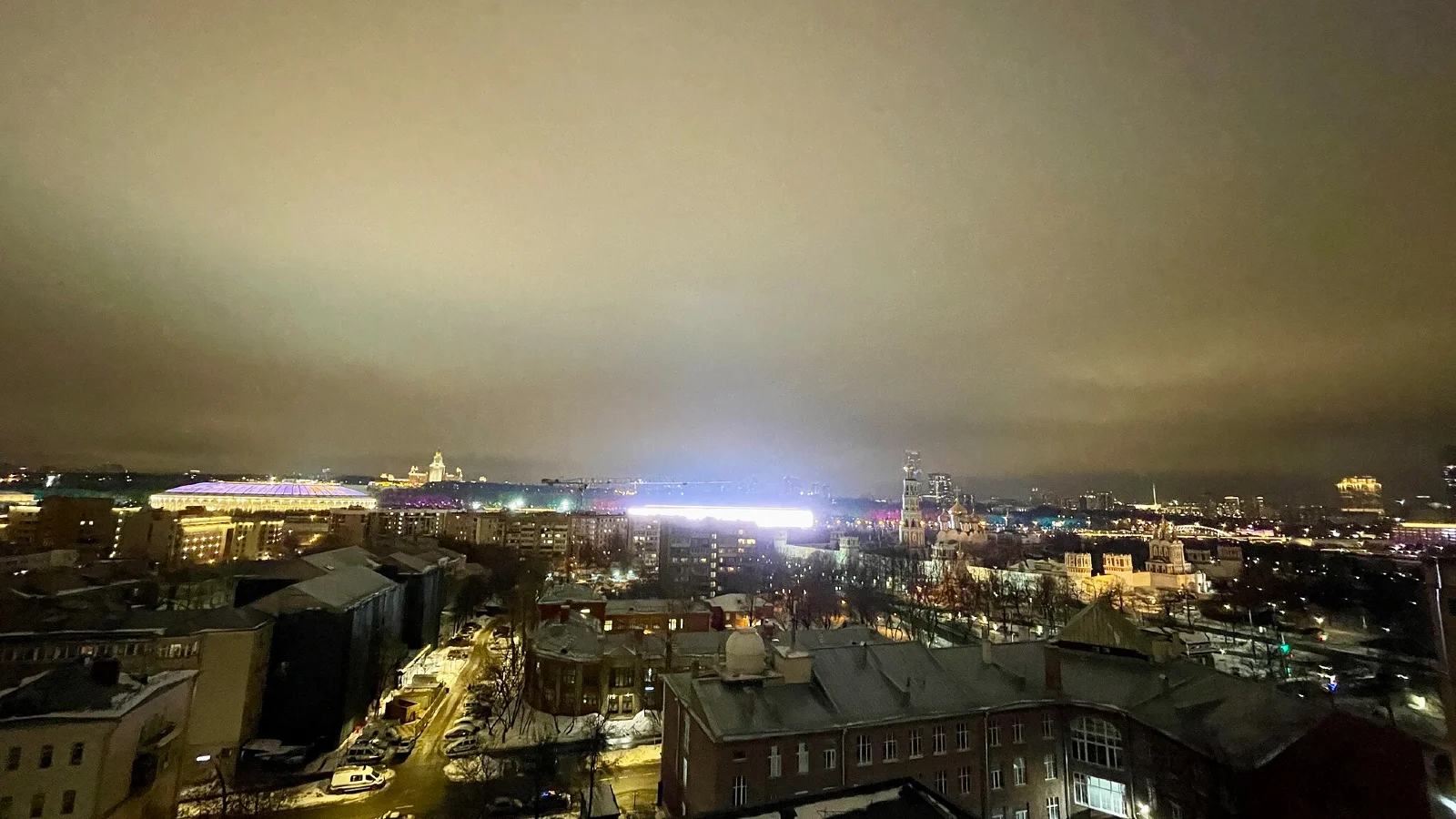
Light pollution from urban areas, especially due to LED lighting, is increasingly impacting ground-based astronomical observatories worldwide, making it harder for astronomers to study faint celestial objects. Despite the shift to energy-efficient LEDs, overall light emissions have risen, encroaching on remote observatory sites and threatening the ability to observe the universe's faintest phenomena. Efforts are underway to protect dark skies and mitigate the effects of urban expansion and industrial activities.

science7 months ago

Ground Telescopes Capture First Light from the Universe's Dawn

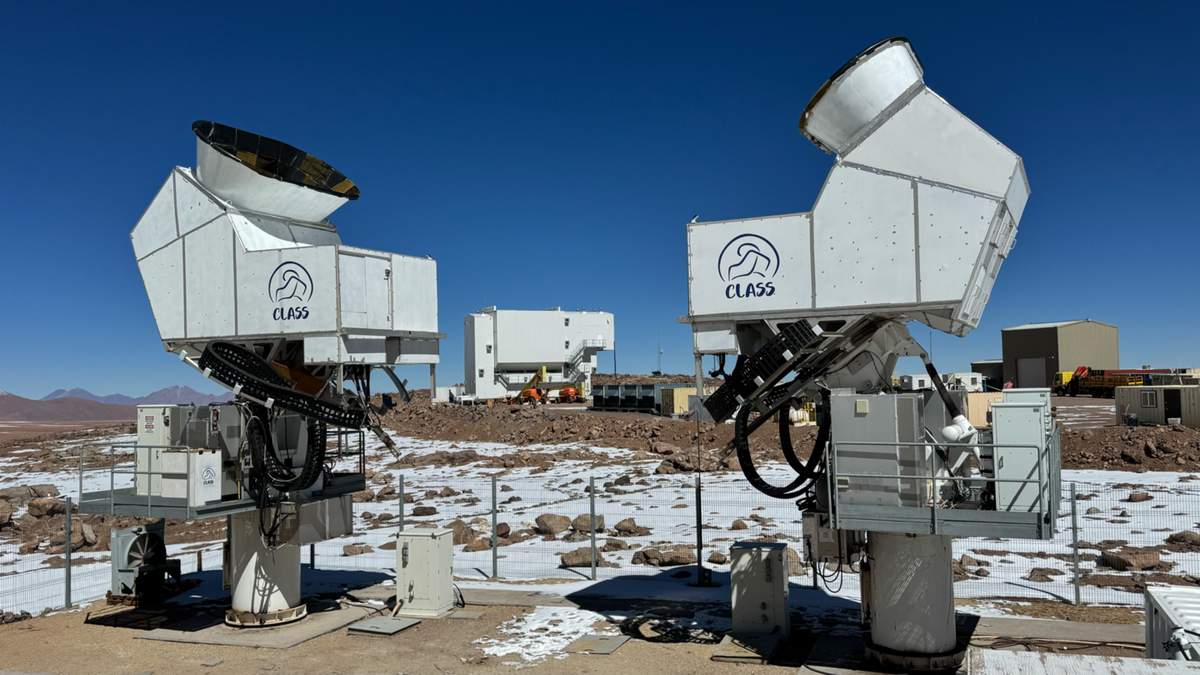
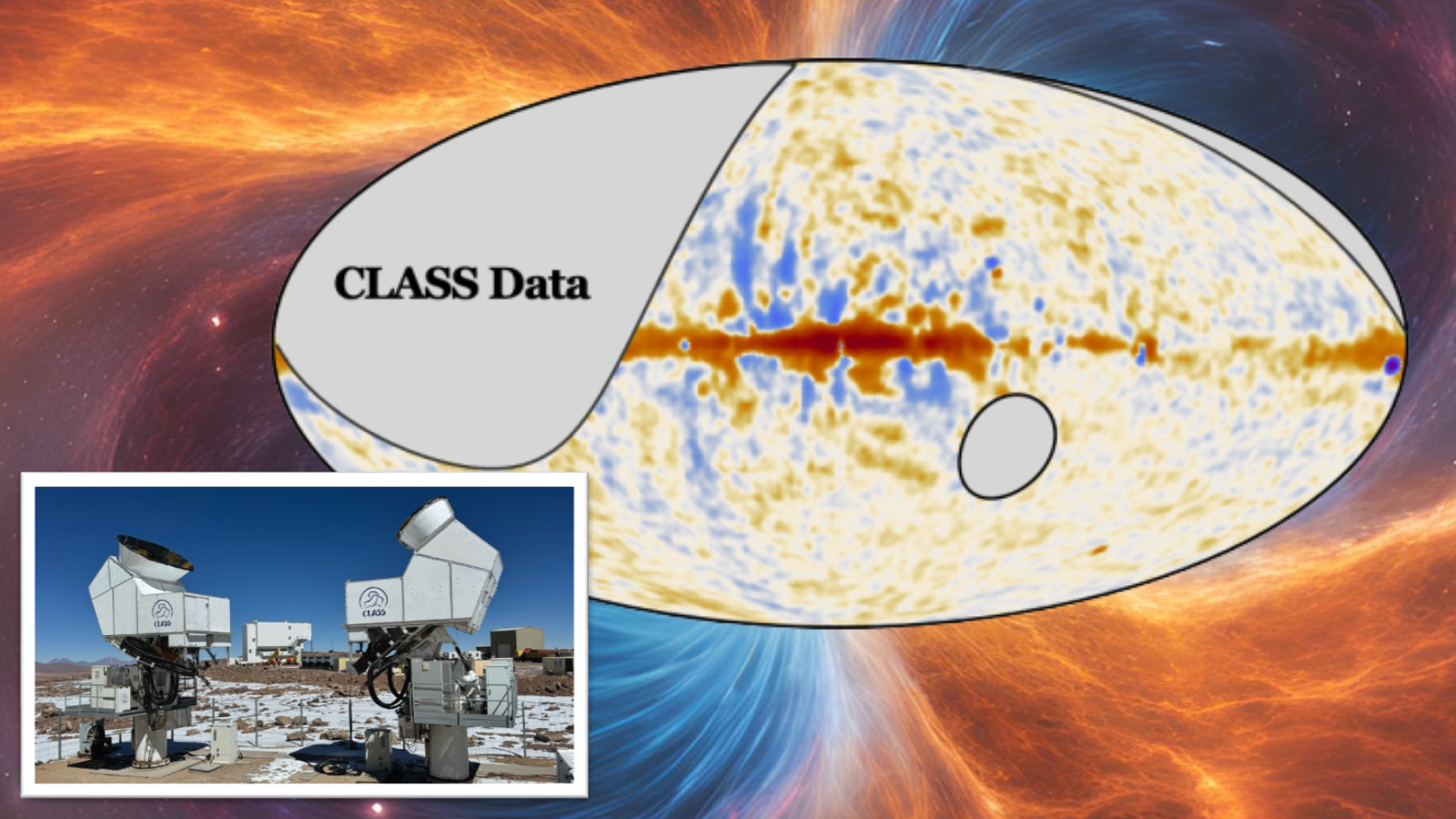
Astronomers using the CLASS telescopes in Chile have for the first time observed signals from the universe's first stars, shedding light on the Cosmic Dawn approximately 800 million years after the Big Bang by detecting faint polarized microwave signals from the cosmic microwave background, which helps understand the universe's early evolution.

astronomy1 year ago

"Adapting to Earth's Atmosphere: Ground-Based Astronomers' Techniques"

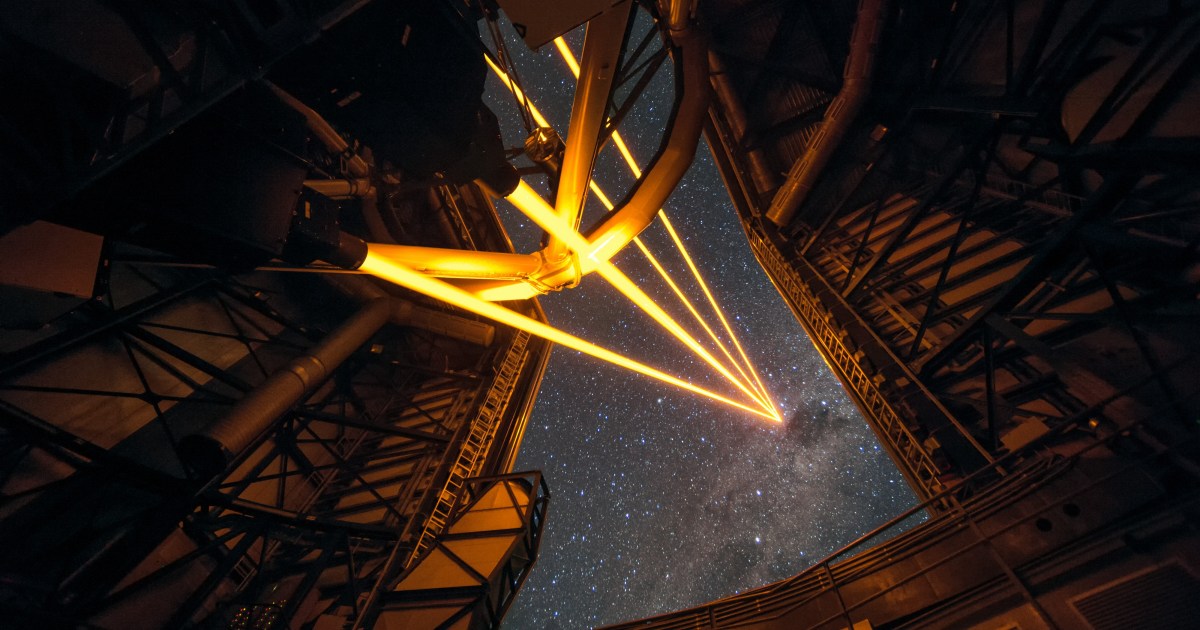
Ground-based astronomers are overcoming Earth's atmosphere by using large, powerful telescopes placed in optimal locations and employing adaptive optics. Adaptive optics systems compensate for atmospheric distortion by creating artificial guide stars and using deformable mirrors to un-distort incoming light. This technology has allowed ground-based telescopes to outperform space-based telescopes in imaging quality, making ground-based astronomy a cost-effective and superior option for high-quality astronomical imaging.

astronomy1 year ago

"NSF Approves Funding for One Giant U.S. Telescope, Threatening Future of Another"

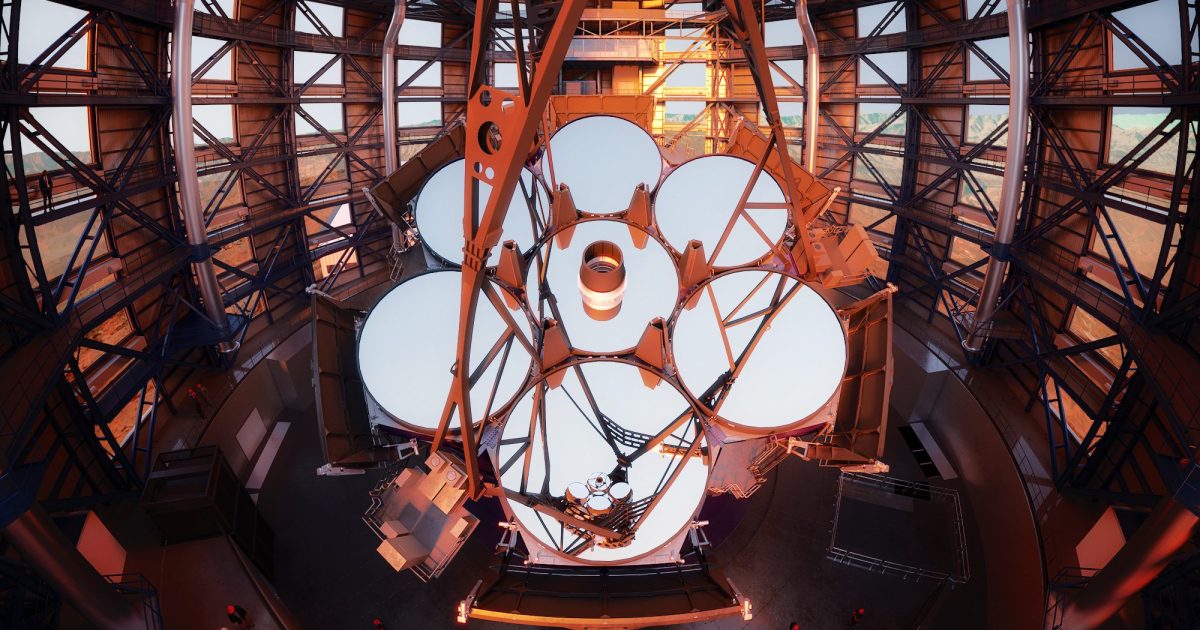
The future of US astronomy has been compromised as the National Science Foundation has decided to only contribute to the construction of one extremely large telescope instead of two, despite the recommendations of the National Academies of Sciences in the Astro2020 decadal report. Ground-based telescopes are crucial for various reasons, including their versatility, maintenance, and upgradeability. The decision to limit funding for ground-based facilities could hinder the US's leadership in astronomy and astrophysics, and impact the nation's ability to make groundbreaking discoveries about the Universe.

astronomy1 year ago

"Astronomers Create 'Artificial Star' in Hawaii for Space Photo of the Week"

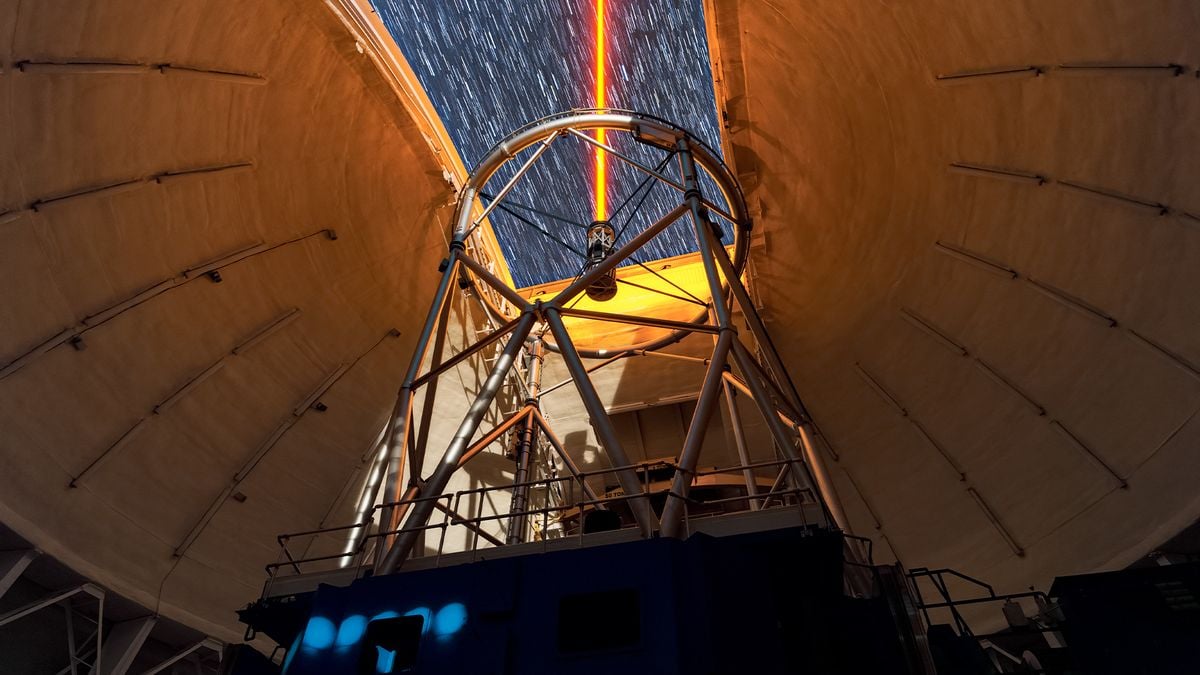
Astronomers at the Gemini North telescope in Hawaii are using adaptive optics and a yellow laser to create an "artificial star" in the Earth's atmosphere, allowing the telescope to correct for the distortions caused by atmospheric turbulence. This technology enables ground-based telescopes to achieve resolutions comparable to space-based telescopes like the Hubble and James Webb Space Telescope, potentially leading to higher-resolution images of stars, planets, and galaxies, as well as the direct imaging of exoplanets.

astronomy2 years ago

Astronomers Outsmart Starlink to Protect Hubble Observations

Astronomers have developed a new tool to identify and remove satellite trails in Hubble images using a mathematical "trick" called Radon Transform. The tool identifies where the bad pixels are and the extent to which they affect the image and then calls them out. The software tool sums up all the light along every possible straight path across a given HST image, making it "pop out" in the transformed image. This approach works even for those that are very faint in the original image. Ground-based telescopes will also need to work out similar mathematical workarounds to fix images after the fact.

astronomy2 years ago

AI software enhances ground-based telescope images.

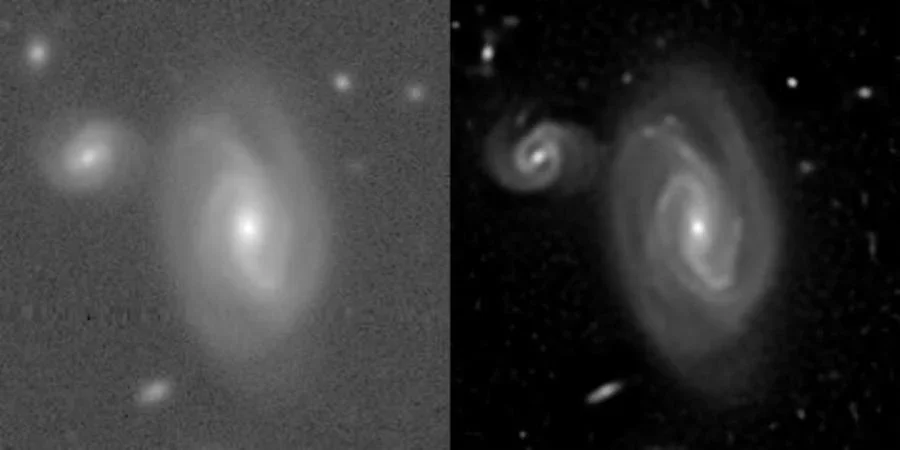
Emma Alexander of Northwestern University and Tianao Li of Tsinghua University have developed new AI-powered software that can sharpen images taken by ground-based telescopes. The software is more accurate than classic methods and more modern methods of blur removal. The team used images taken by the Hubble Space Telescope to train the deep-learning AI and have made the software code open-source, allowing anyone to adapt it to different observatories.