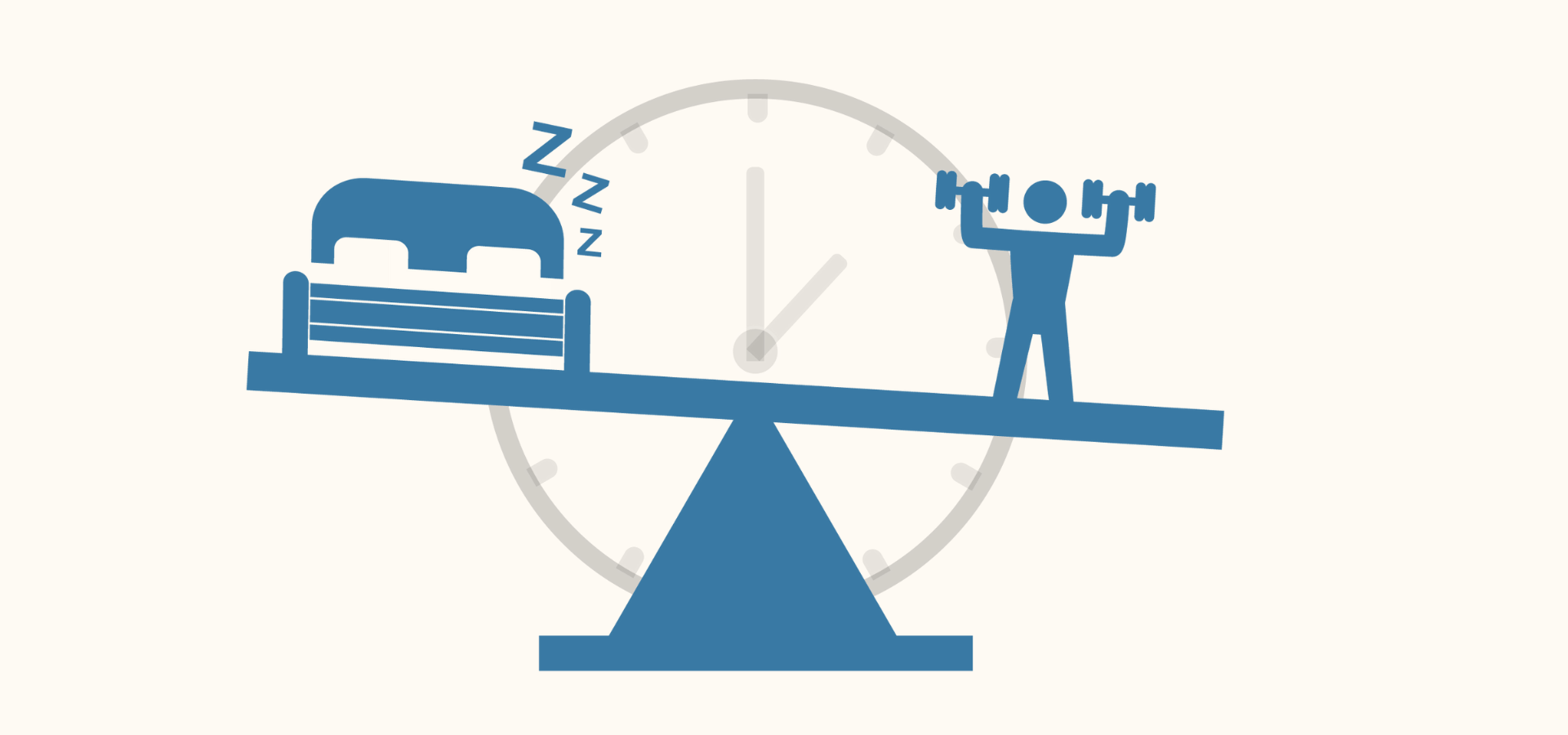
Exercising before bed can affect sleep depending on the intensity and regularity of the activity; gentle exercise later in the day is generally better for sleep, and maintaining a consistent exercise schedule helps regulate your internal clock for better rest.
Recent research and sleep experts emphasize the importance of aligning your bedtime with your natural chronotype, daily schedule, and training needs to optimize athletic performance and overall health. Calculating your ideal bedtime involves considering your wake time, sleep duration, recovery demands, and sleep quality, with adjustments based on personal experience and lifestyle factors.
Research indicates that going to bed earlier may promote increased physical activity the next day, with findings based on large-scale data from wearable fitness trackers suggesting a close link between sleep timing and activity levels, which could inform future health guidelines.
A study analyzing data from nearly 20,000 people suggests that going to bed earlier may lead to increased physical activity the next day, highlighting the potential health benefits of adjusting evening routines to promote earlier sleep times.
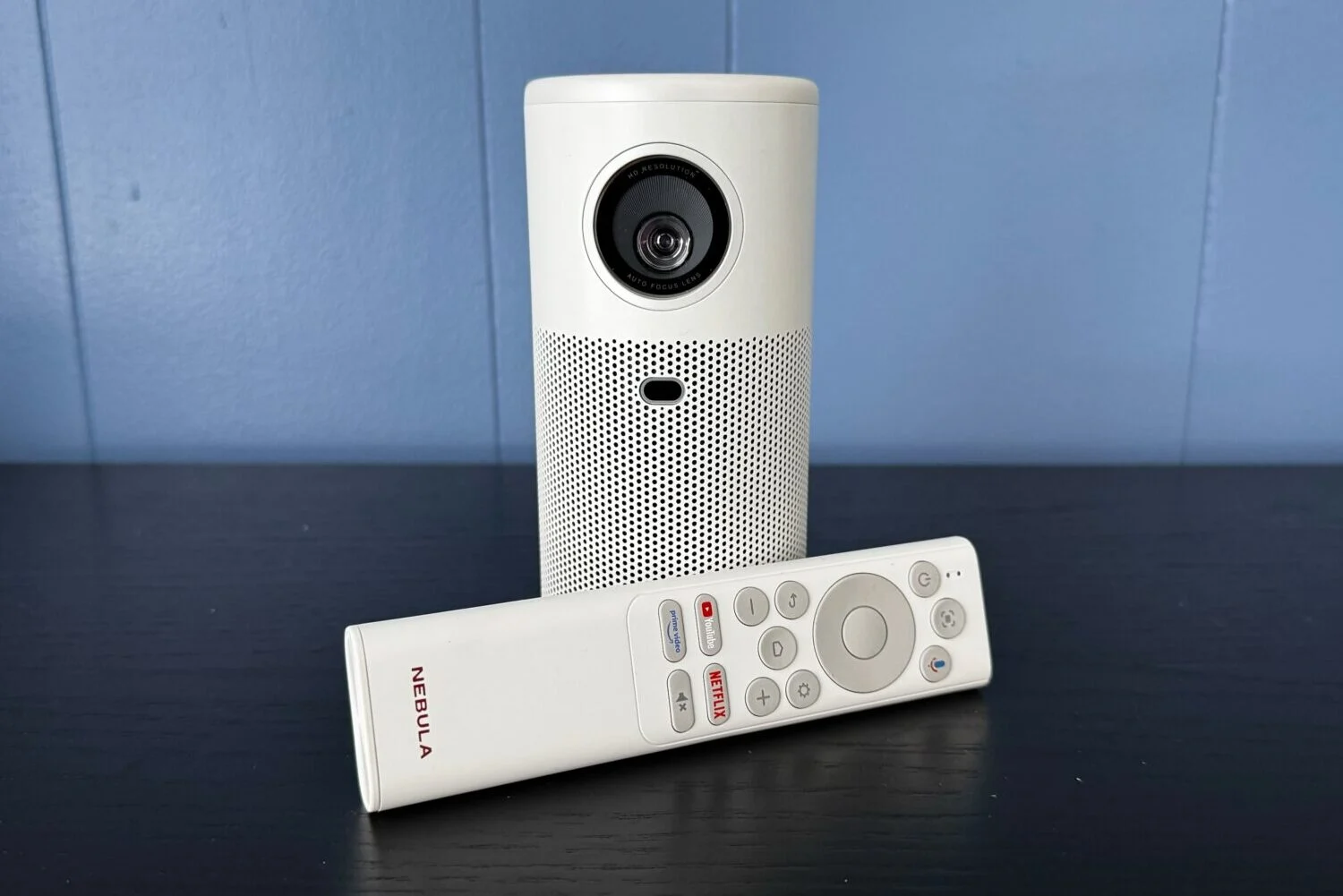
The Anker Nebula Capsule Air, a portable projector the size of a soda can, has become a bedtime game-changer for a parent struggling with a toddler's FOMO. Priced at $400, it offers access to streaming apps like PBS, making it ideal for children's shows. Despite its 150 ANSI lumens, it performs well in dark settings, providing a sharp 1280 x 720 resolution. With a battery life of nearly two hours, it's perfect for vacations or camping. While not as bright as larger projectors, its portability and ease of use make it a favorite gadget.
Instagram has introduced a "nighttime nudge" feature for teens, reminding them to take a break from the app after 10 p.m. to prioritize sleep. Experts suggest that adults could benefit from a similar feature, as excessive social media use at bedtime can lead to adverse sleep and mood outcomes. While these reminders may help, the best option for both teens and adults is to keep phones out of the bedroom entirely to promote better sleep habits.
A mother seeks advice on her mother-in-law's persistent offers to help with bedtime, a woman grapples with the decision to have biological children due to her family's mental health history, a wife struggles with managing social engagements while supporting her husband's mental health, and a mother worries about her son's future behavior due to his height.
Swapping sides of the bed each night is the correct way to sleep alongside another person, according to a columnist. Side sleeping is the best position for back pain, reducing snoring, pregnancy, and canoodling. Sleeping on the same side can cause problems with shoulders and hips, so alternating sides helps distribute weight evenly. It also prevents making the same indentations on the mattress every night. Simplifying bedside items and learning to sleep without dependencies like sleep masks and white noise machines can make the transition easier. However, some exceptions, like adjustable mattresses and CPAP machines, may require different approaches.