Tag

Inner Ear

All articles tagged with #inner ear

science7 months ago

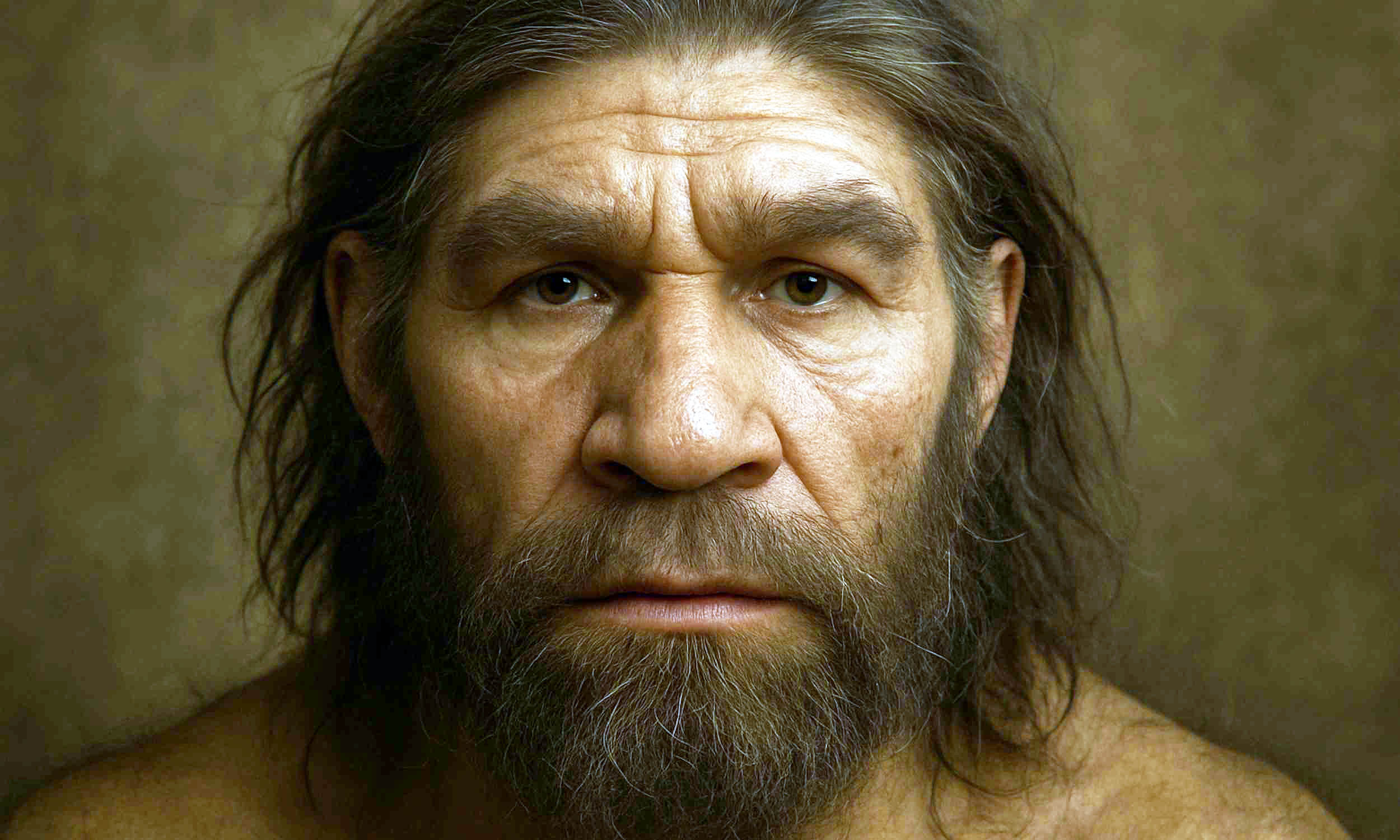
Neanderthal Inner Ears Uncover Evolutionary Catastrophe

Recent research suggests that Neanderthals experienced a single major population bottleneck during their evolution, challenging previous beliefs of multiple diversity drops. Analysis of inner ear structures indicates that the significant decline in morphological diversity occurred later in their history, likely due to climatic upheavals, rather than at their origin. These findings highlight the complex, layered nature of human evolution, involving migrations, local extinctions, and interbreeding, and emphasize the importance of integrating fossil and genetic data for a comprehensive understanding.

science1 year ago

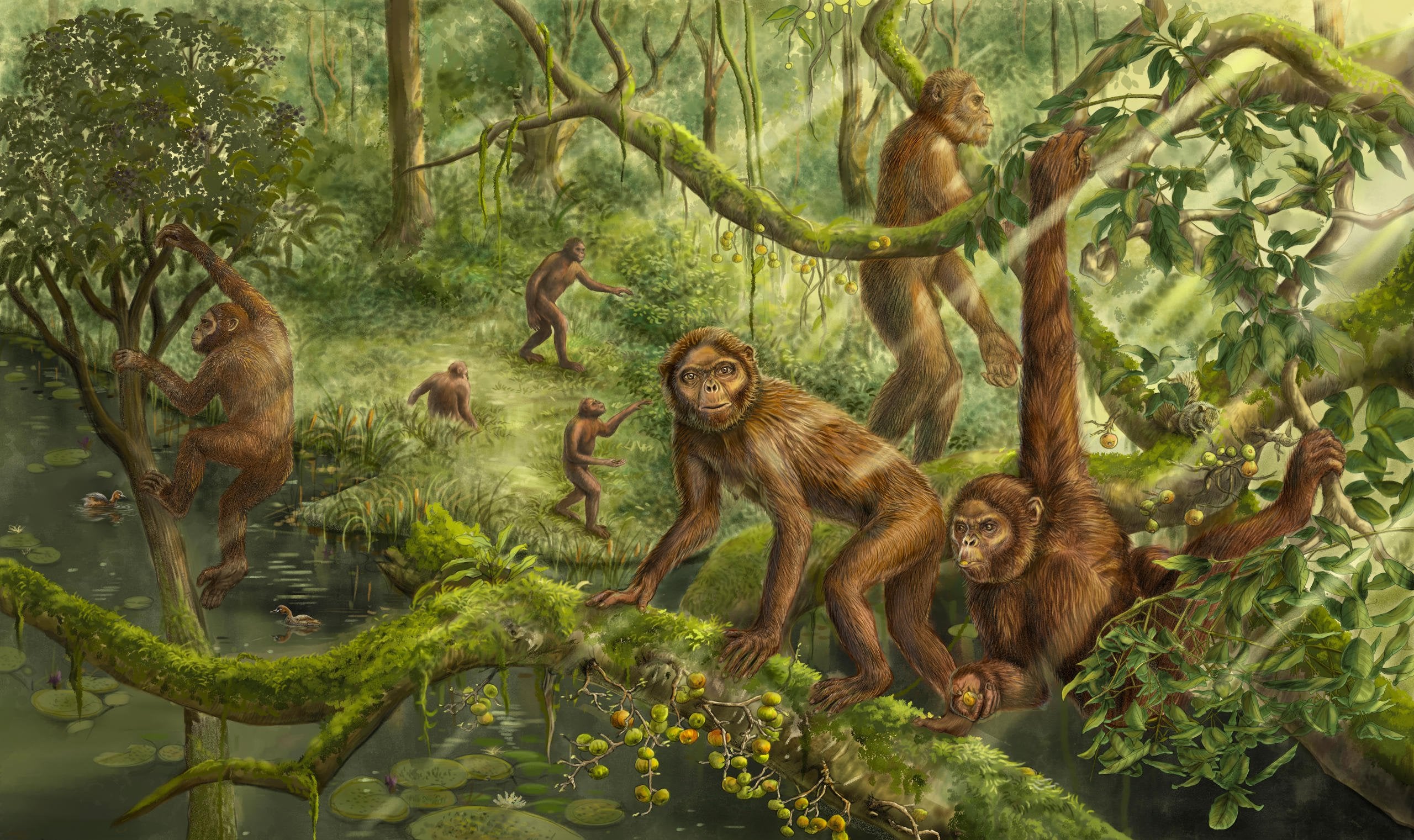
Unearthing the Evolution of Human Bipedalism through Fossil Ape's Inner Ear

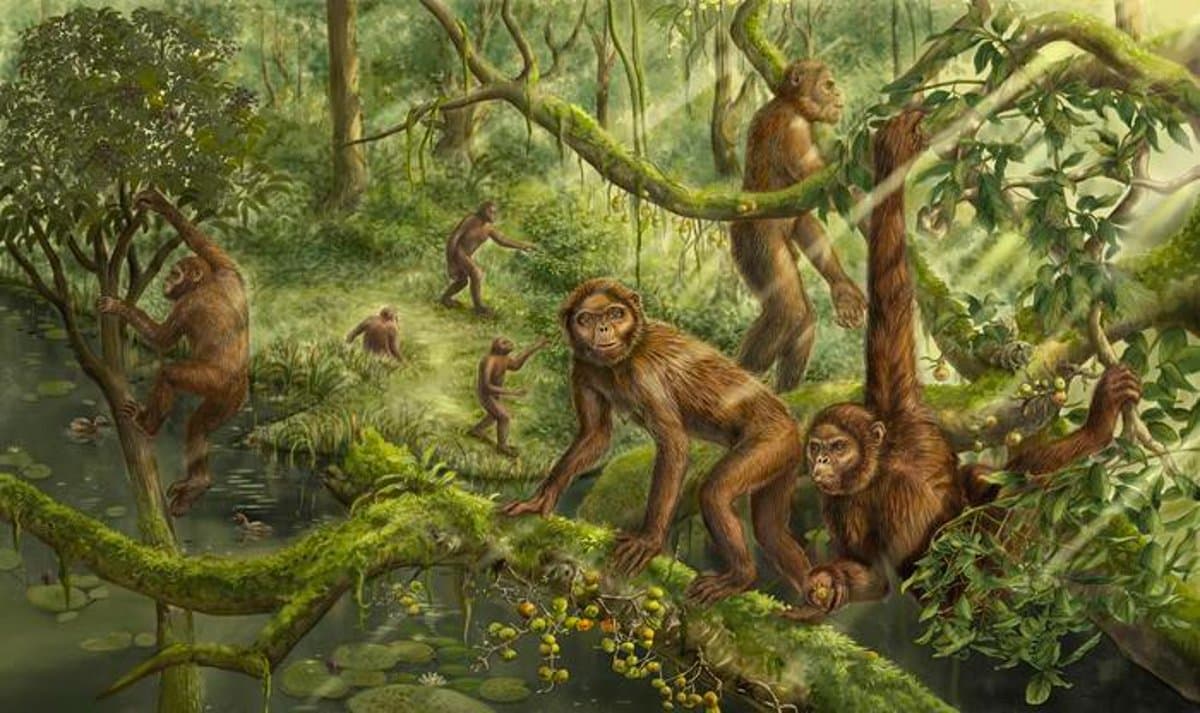
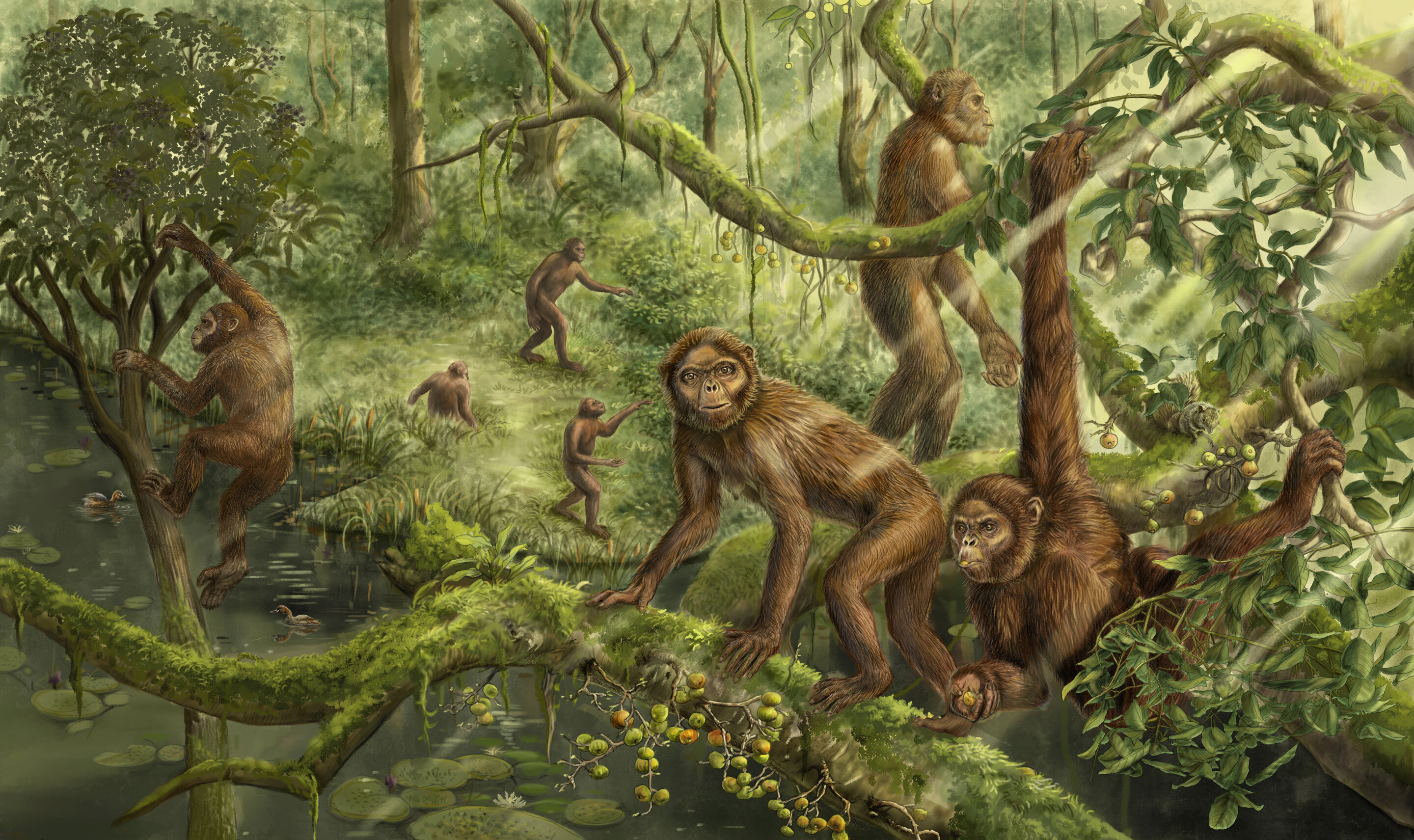
Recent research on the fossil ape Lufengpithecus's inner ear structures provides new insights into the evolutionary steps towards human bipedalism, revealing the significant roles of the inner ear and climate change in this evolutionary journey. The study suggests a three-step evolution of human bipedalism and highlights the importance of analyzing the bony inner ear region using modern imaging technologies to understand extinct mammals' locomotion. The findings also propose that climate change may have played a crucial role in promoting the locomotor diversification of apes and humans.

science1 year ago

"Unveiling the Evolution of Bipedalism: Clues from an Ancient Ape's Inner Ear"

A new study of the inner ear of a 6-million-year-old ape, Lufengpithecus, suggests that the evolution of human bipedalism was a three-step process bridging the gap between tree swinging and walking on solid ground. By digitally scanning the fossils and comparing the inner ear structure to living and extinct apes, researchers were able to piece together a clearer picture of how early human ancestors began to walk, indicating a gradual emergence of bipedalism from a mix of movements. This finding sheds light on the transition from four-limbed scramble to two-legged amble, providing insight into the evolution of human locomotion.

science1 year ago

"Unveiling the Evolution of Human Bipedalism: Clues from Ancient Ape Skulls"

A recent study using 3D CT scans of the 6-million-year-old ape, Lufengpithecus, reveals a connection between its semicircular canals and locomotor behavior, suggesting a three-step evolution of human bipedalism from ancestral arboreal and terrestrial movements. The research indicates that early apes, including human ancestors, shared locomotion methods that were precursors to bipedalism, marking a significant advancement in understanding the locomotive evolution of humans and apes.

paleontology1 year ago

"Uncovering Human Upright Walking Evolution Through Ancient Ape's Inner Ear"

A study on the 6-million-year-old fossil ape, Lufengpithecus, sheds light on the evolution of human movement by analyzing its bony inner ear region using CT-scanning. The research suggests a three-step evolution of human bipedalism, indicating that the last common ancestor of apes and humans had a locomotor repertoire similar to Lufengpithecus, involving climbing, clambering, forelimb suspension, arboreal bipedalism, and terrestrial quadrupedalism. The study also proposes that climate change may have played a role in promoting the locomotor diversification of apes and humans.

health2 years ago

Jeff Gianola's Journey: Living with Meniere's Disease

KOIN 6 News anchor Jeff Gianola reveals his personal struggle with Meniere's disease, a progressive condition that causes profound hearing loss and affects balance. After visiting Tucker Maxon School, which supports hearing-impaired children, Gianola finds inspiration and hope in witnessing how the school positively impacts the lives of its students and their parents.

health2 years ago

Supplementing Sound: Combatting Age-Related Hearing Loss

Age-related hearing loss may be linked to a decrease in cholesterol in the inner ear, specifically affecting the outer hair cells (OHCs) responsible for amplifying sounds. Researchers found that phytosterol supplements, which are similar to cholesterol, can compensate for the lost cholesterol and prevent sensory dysfunction in mice. If applicable to humans, over-the-counter phytosterol supplements could potentially offer a solution to combat age-related hearing loss. Further research is needed to determine the effects on older mouse models and humans.

health2 years ago

"Promising Stem Cell Breakthroughs Offer Hope for Reversing Hearing Loss"

Two new studies conducted by stem cell scientists at the University of Southern California have shed light on the potential for regenerative hearing treatments that could cure deafness. The research focuses on understanding the process of gene silencing in the inner ear and how it can be reversed to regenerate sensory hearing cells. The studies identify key genes, Sox4 and Sox11, that play a role in the development of sensory hearing cells and suggest that manipulating these genes could promote the recovery of sensory hearing cells in the mature inner ear. The findings offer hope for future treatments to reverse hearing loss.

medical-science2 years ago

Revolutionary Discovery: A New Path to Cure Deafness

Researchers have discovered a new pathway into the inner ear, known as the cochlear aqueduct, which allows for the delivery of drugs directly to the cochlea. By utilizing the natural flow of fluids in the brain, scientists successfully restored hearing in deaf mice by delivering a gene therapy through this pathway. The findings suggest that cerebrospinal fluid transport could be a potential route for gene therapy to restore hearing in humans, offering hope for the millions of people worldwide who suffer from hearing loss.

health2 years ago

Revolutionary Gene Therapy Opens New Path for Restoring Hearing

Researchers have discovered a new method to deliver gene therapy into the inner ear by utilizing the natural flow of cerebrospinal fluid through a little understood passage called the cochlear aqueduct. By injecting an adeno-associated virus into the cerebrospinal fluid, the researchers were able to deliver a gene therapy that repaired inner ear hair cells and restored hearing in adult deaf mice. This breakthrough could pave the way for future gene therapies to restore hearing in humans with genetic-mediated hearing loss.

health2 years ago

Surviving Vertigo: A Personal Account.

Katy Vine shares her first-person account of suffering from vestibular neuritis, an inflammation of the inner ear's vestibular nerve, which caused vertigo and bizarre spiritual experiences. Despite the incapacitating symptoms, Vine surprisingly felt a sense of bliss and even had recurring visits from deceased loved ones. The cause of these experiences remains unexplained by medical professionals.

health2 years ago

New Breakthroughs in Regenerating Hearing and Repairing DNA Damage in Neurons

Scientists from Harvard Medical School have developed a drug cocktail that can regenerate hair cells in the inner ear of mice, which could lead to a treatment for hearing loss in humans. The researchers used newly developed chemical compounds to activate genetic pathways that allow for the growth of hair cells in the inner ear. By delivering the drug cocktail directly into the inner ear of adult mice, they were able to regenerate new hair cells that appear to be fully functional. Before testing on humans, the researchers plan to test the treatment on larger animals.