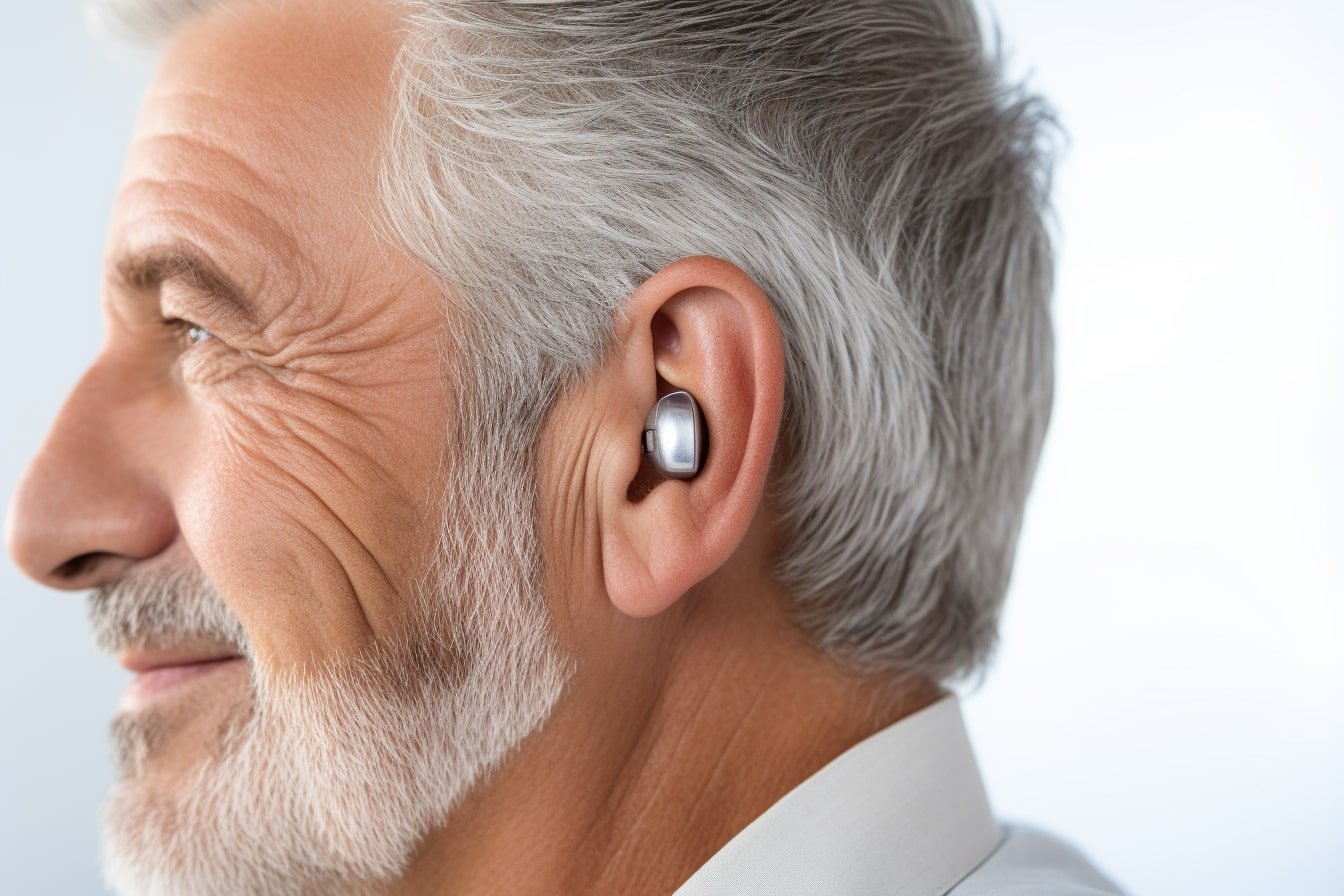
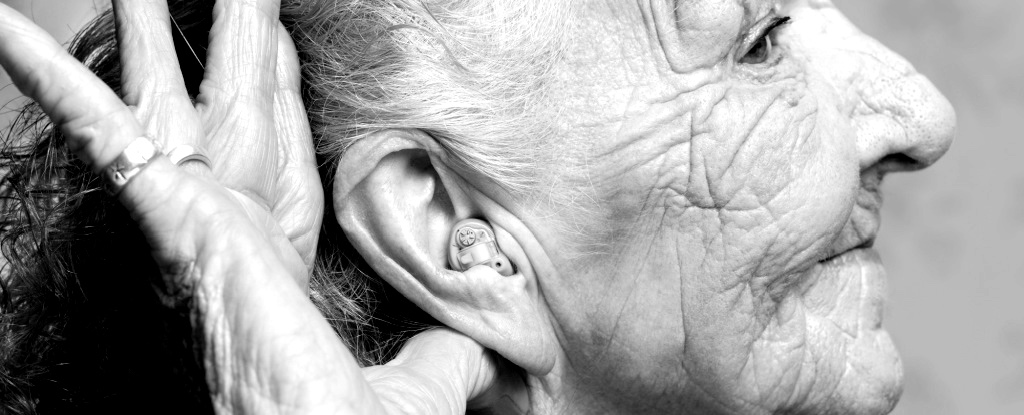
Research indicates that using hearing aids before age 70 can reduce the risk of dementia by 61%, highlighting the importance of addressing age-related hearing loss to maintain cognitive health as we age.
An online hearing test developed by UK-based educational organization eChalk plays increasingly higher-frequency sounds to determine the age of a person's ears. Participants are asked to stop the test when they can no longer hear the sound, revealing their ears' age. While hearing experts consider it a "good party trick," it can also serve as a useful tool for identifying individuals experiencing a decline in their hearing. The test measures hearing in hertz (Hz) and suggests that by age 20, most people can only hear sounds below 18,000 Hz, and by age 50, sounds below 12,000 Hz. However, audiologists caution that these tests lack the sensitivity and specificity to provide a comprehensive diagnosis of hearing loss. Age-related hearing loss, known as presbycusis, typically affects high-pitched sounds first and is more common among older adults.
This week in neuroscience, researchers have made significant discoveries, including a new framework for analyzing stochastic oscillations, the finding that symbols are more memorable than words, the complete neural mapping of the C. elegans worm, the potential use of phytosterol supplements to combat age-related hearing loss, and the development of a brain-computer interface that allows a paralyzed woman to communicate via a digital avatar. These breakthroughs have the potential to revolutionize our understanding of various phenomena and improve the lives of individuals with neurological conditions.
Age-related hearing loss may be linked to a decrease in cholesterol in the inner ear, specifically affecting the outer hair cells (OHCs) responsible for amplifying sounds. Researchers found that phytosterol supplements, which are similar to cholesterol, can compensate for the lost cholesterol and prevent sensory dysfunction in mice. If applicable to humans, over-the-counter phytosterol supplements could potentially offer a solution to combat age-related hearing loss. Further research is needed to determine the effects on older mouse models and humans.
A landmark clinical trial involving nearly 980 participants has found that wearing hearing aids may slow the rate of cognitive decline by almost 50% in older adults, particularly those at higher risk of dementia. The trial, the first large randomized study of its kind, revealed that hearing aids reduced cognitive decline in at-risk adults over a three-year period. The results suggest that treating age-related hearing loss could be a powerful tool in protecting cognitive function and potentially delaying a dementia diagnosis. However, further trials are needed to determine if the protective effect of hearing aids on cognition extends to other at-risk groups and populations.