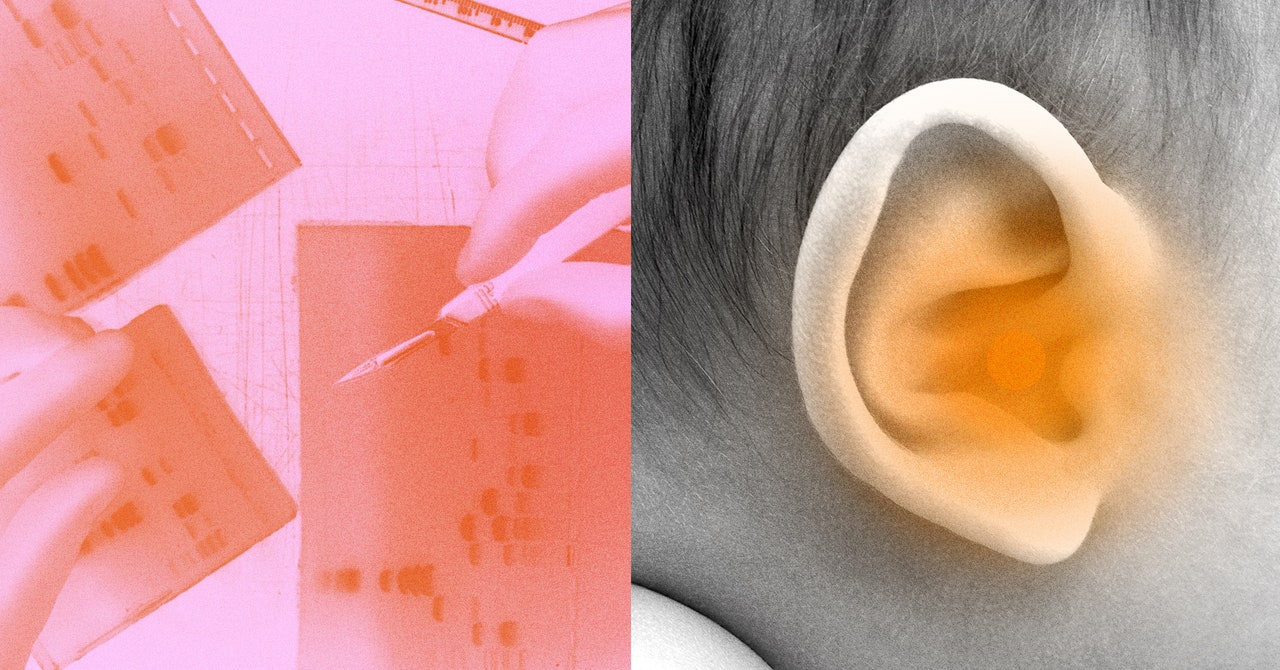
Researchers analyzed Beethoven's hair DNA, revealing he likely died from hepatitis B and uncovering a paternal lineage discrepancy, but the cause of his deafness and gastrointestinal issues remains unknown, challenging previous theories and raising new questions about his health and history.

A kitten named Puddles, initially thought to be deaf by veterinarians due to her reactions, was later found to have a traumatic brain injury that caused her unique quirks. Despite her challenges, she is a loving and entertaining pet, and her story has resonated with many neurodivergent individuals. Her owner, Wren Yoder, shares her journey on Instagram, highlighting the love and resilience of Puddles.
A new gene therapy using a modified virus has successfully restored hearing in teens and adults with OTOF-related congenital deafness, showing promising results especially in children aged 5-8, with significant safety and efficacy observed over a 12-month period.
A new gene therapy using a synthetic virus has successfully restored hearing in children, teenagers, and adults with a genetic form of deafness caused by OTOF mutations, showing significant improvements within six months and with no serious side effects, offering hope for broader treatments in the future.
Doctors successfully reversed deafness in five children using gene therapy for DFNB9. Ozempic and Wegovy show potential benefits for kidney disease patients. Florida allows C-sections outside hospitals, sparking debate. Women face more dental health issues than men. Travelers are advised to check the legality of their medications abroad.
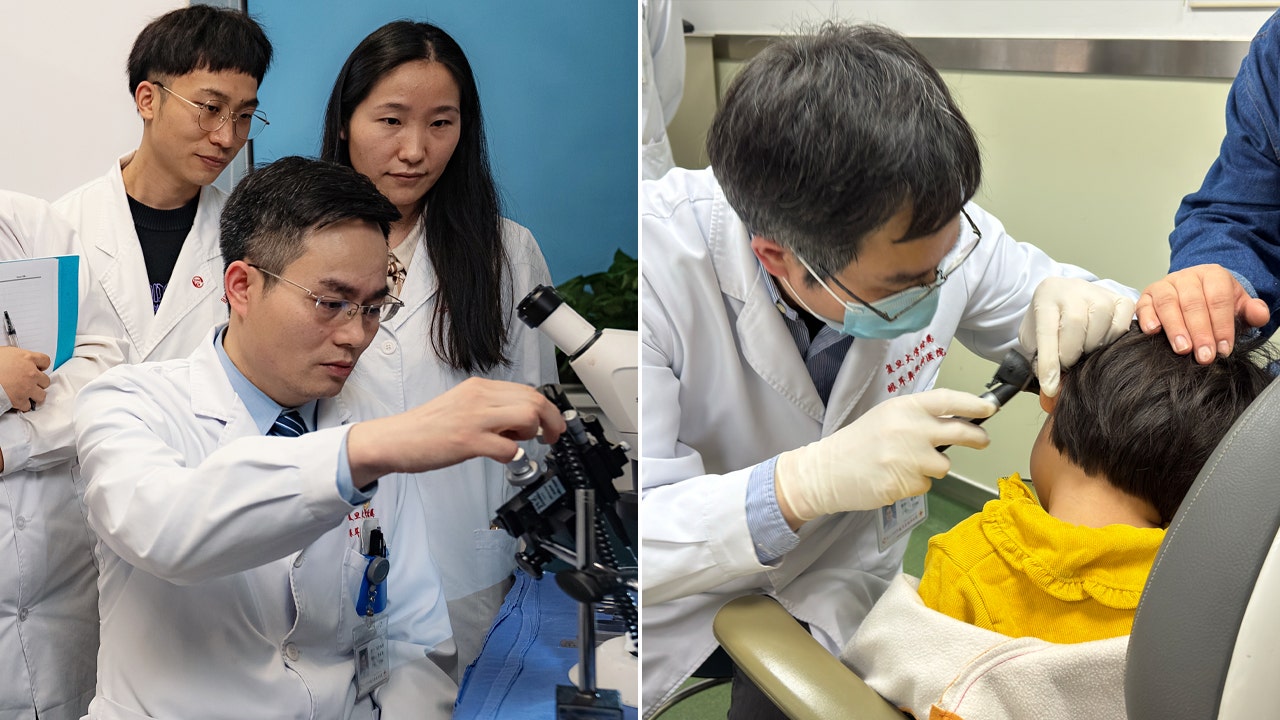
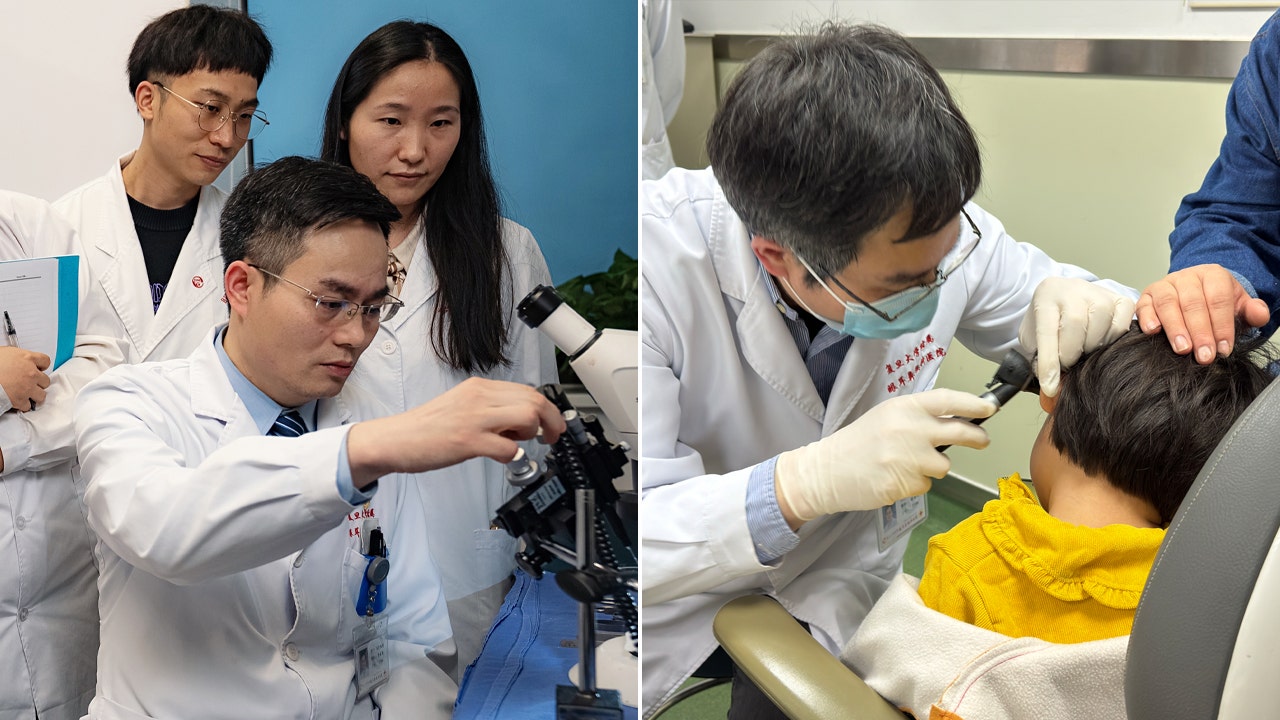
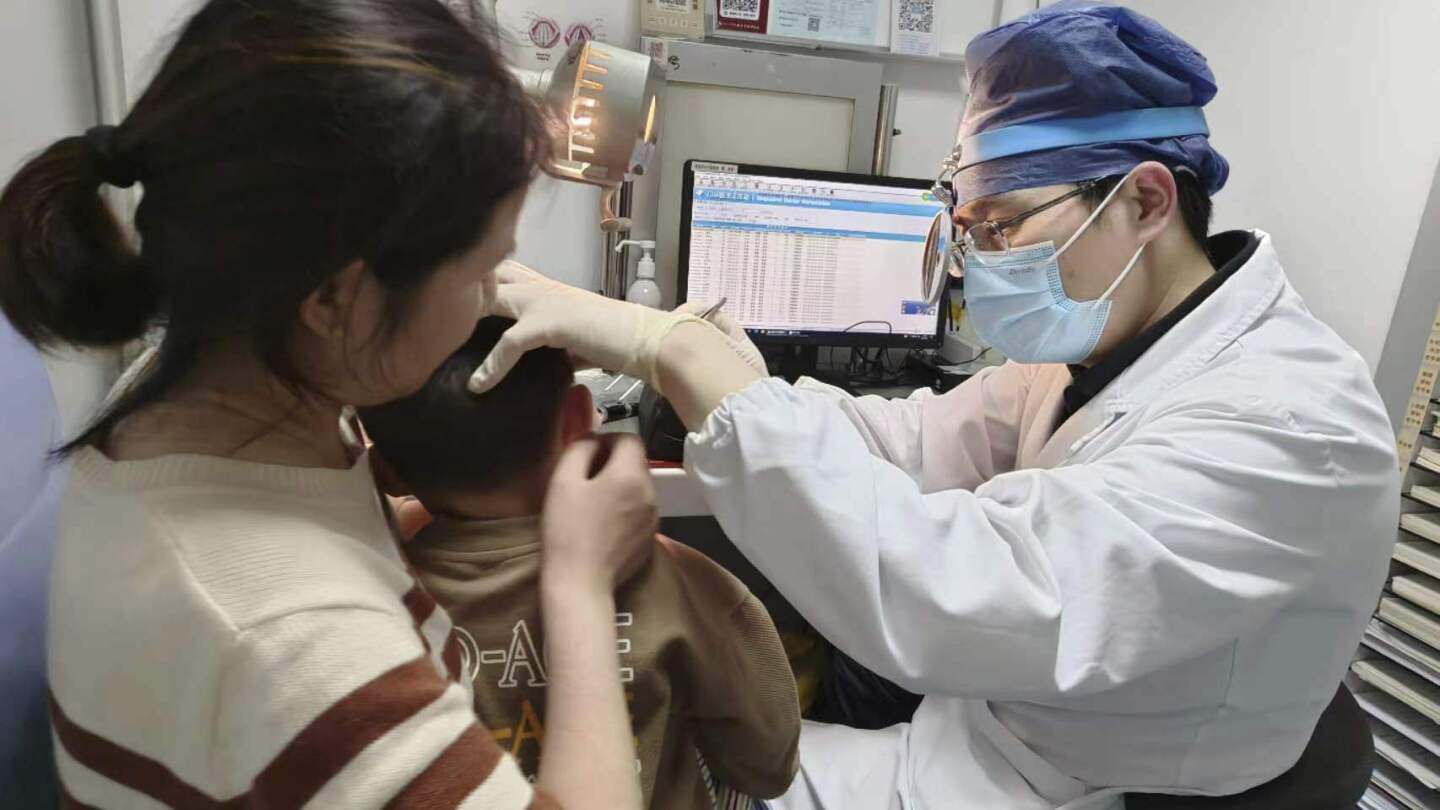
A gene therapy trial has successfully restored hearing in both ears for five children born deaf due to genetic mutations. Conducted by doctors at Fudan University in Shanghai and co-led by Massachusetts Eye and Ear, the therapy uses an inactive virus to deliver working copies of the Otof gene to the inner ear. The children, aged between one and 11, showed significant improvements in hearing and speech recognition within weeks. The trial's success raises hopes for broader applications of gene therapy in treating various forms of deafness.
A groundbreaking gene therapy has enabled five children born with total deafness to regain hearing, marking the first successful application of such therapy in both ears. Conducted by Mass Eye and Ear in Boston and the Eye & ENT Hospital of Fudan University in Shanghai, the trial showed significant improvements in hearing and speech perception. The therapy involves injecting the human OTOF gene into the inner ear, addressing hereditary deafness caused by OTOF gene mutations. Researchers plan to seek FDA approval and expand the treatment to older patients and other types of deafness.
Gene therapies are showing promise in enabling hearing for congenitally deaf children, with companies like Regeneron and Eli Lilly backing research. However, the technology currently benefits only a small percentage of the deaf population and raises ethical questions as not all deaf individuals desire a "cure."
David Vance, a cancer survivor, and Andrew Johnston both suffer from pain hyperacusis, a rare hearing disorder causing extreme sensitivity to noise. Vance's condition was exacerbated by chemotherapy and radiation treatments, while Johnston's was triggered by exposure to loud noise at a football game. Vance lives an isolated life, wearing ear plugs and muffs when leaving the house, while Johnston underwent experimental brain surgery in an attempt to deafen himself. Both men face daily excruciating pain and limited treatment options for their condition.
Experimental gene therapy has successfully restored hearing in children with inherited deafness, with studies in China and the US showing significant improvements in hearing ability. The therapy targets a rare condition caused by mutations in a gene responsible for an inner ear protein, and has so far shown positive results in most cases. While some ethical concerns have been raised, researchers believe this breakthrough demonstrates the potential of gene therapy in treating hereditary deafness and could eventually help many more children with different types of deafness caused by genes.
Six children with hereditary deafness in China have regained their hearing after receiving a gene therapy trial, with five of them now able to hear after being born with a mutation in a gene that makes a protein needed for hearing called otoferlin. The treatment involves injecting a working version of the otoferlin gene into the inner ear, allowing the cells to produce the necessary protein. While the therapy did not restore "normal" hearing, the children went from not hearing anything to perceiving sounds at a conversational level. Researchers are hopeful that the therapy will provide a natural sense of hearing and plan to expand the trial to more patients to assess the long-term outcomes.
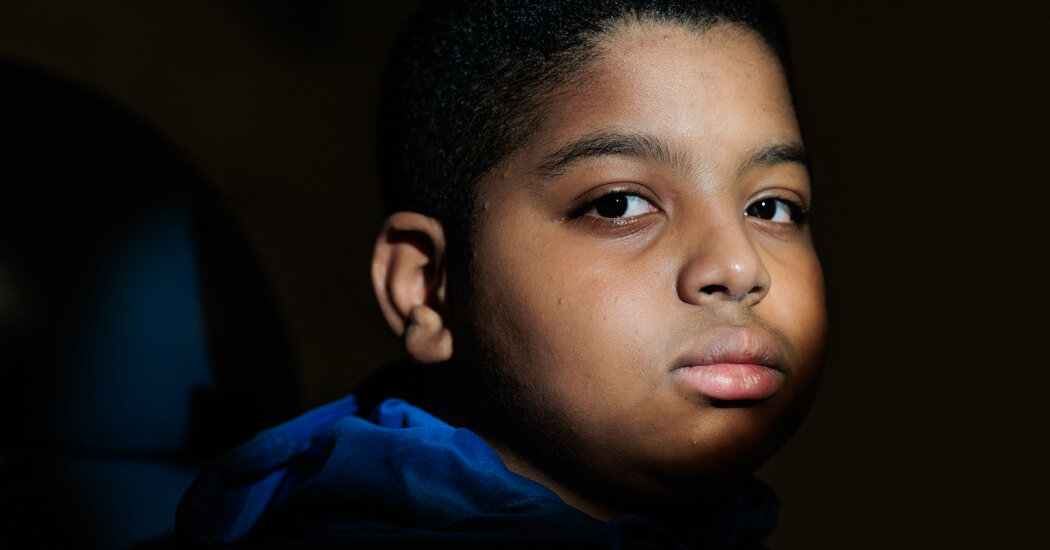
Aissam Dam, an 11-year-old boy born deaf, became the first person in the U.S. to receive gene therapy for congenital deafness at the Children’s Hospital of Philadelphia. The treatment, targeting a rare form of deafness caused by a mutation in the otoferlin gene, was successful, allowing Aissam to hear for the first time. This breakthrough offers hope for children with similar conditions and marks a significant advancement in gene therapy for hearing loss.
White cats are relatively rare, making up about 5% of the feline population. Their white coat is due to a lack of pigment, and they often have blue eyes and an increased chance of deafness. These genetic traits have fascinated biologists for years.
The first-ever gene therapy trial to cure a form of deafness has begun, offering hope for a revolution in the treatment of hearing loss. The trial aims to transform the treatment of auditory neuropathy, a condition caused by disrupted nerve impulses from the inner ear to the brain. Up to 18 children from the UK, Spain, and the US will be monitored for five years to assess the improvement in their hearing. The therapy involves delivering a working copy of the faulty OTOF gene using a modified virus. If successful, this gene therapy could provide a transformative opportunity for those with auditory neuropathy.
The world's first clinical trial for a gene therapy to cure a form of deafness has begun. The trial aims to restore hearing in patients with a specific genetic mutation that causes profound deafness. The therapy involves injecting a harmless virus carrying a corrected version of the faulty gene into the inner ear. If successful, this groundbreaking treatment could offer hope to millions of people worldwide suffering from genetic hearing loss.