Tag

Indigenous Peoples

All articles tagged with #indigenous peoples

The Threats Facing Uncontacted Amazon Tribes and Their Future

Originally Published 2 months ago — by The Guardian

Featured image for The Threats Facing Uncontacted Amazon Tribes and Their Future
Source: The Guardian

A report by Survival International highlights the critical threats faced by 196 uncontacted Indigenous groups across South America, mainly in Brazil and Peru, due to industrial activities, illegal logging, mining, and political policies that weaken protections. These groups are at risk of extinction within a decade, and recent legal and political developments threaten their territories further, despite international and national efforts to protect them. The article calls for stronger action to defend these vulnerable populations and their lands amid ongoing environmental and political challenges.

Controversy and Legacy of Columbus Day and Indigenous Peoples' Day

Originally Published 3 months ago — by Letters from an American | Heather Cox Richardson

Featured image for Controversy and Legacy of Columbus Day and Indigenous Peoples' Day
Source: Letters from an American | Heather Cox Richardson

The article discusses President Trump's proclamation of Columbus Day, emphasizing a nationalist and Christian-centric view of Columbus's legacy, while criticizing modern reinterpretations of history that highlight the negative impacts of European colonization on Indigenous peoples. It highlights the historical origins of Columbus Day, its association with immigrant communities, and the importance of honest historical analysis over political distortion.

Latin America saw 120 land and environmental defenders killed or disappeared in 2022

Originally Published 3 months ago — by AP News

Featured image for Latin America saw 120 land and environmental defenders killed or disappeared in 2022
Source: AP News

A Global Witness report reveals that at least 146 land and environmental defenders were killed or went missing in 2024, with over 80% of cases in Latin America, especially in Colombia, Guatemala, and Mexico, highlighting ongoing violence linked to resource conflicts and land disputes, disproportionately affecting Indigenous communities.

Indigenous Peoples' Day: Navigating Sovereignty and AI Challenges

Originally Published 5 months ago — by Vatican News

Featured image for Indigenous Peoples' Day: Navigating Sovereignty and AI Challenges
Source: Vatican News

The article highlights the importance of respecting the rights of indigenous peoples, particularly those in voluntary isolation like the Mashco Piro in Peru, emphasizing their role in biodiversity preservation and the threats they face from extractive industries, illegal encroachment, and digital age voyeurism, advocating for stronger protections and respect for their right to remain unseen.

Unpacking the Myths and Realities of Thanksgiving's Origins

Originally Published 1 year ago — by CounterPunch

Featured image for Unpacking the Myths and Realities of Thanksgiving's Origins
Source: CounterPunch

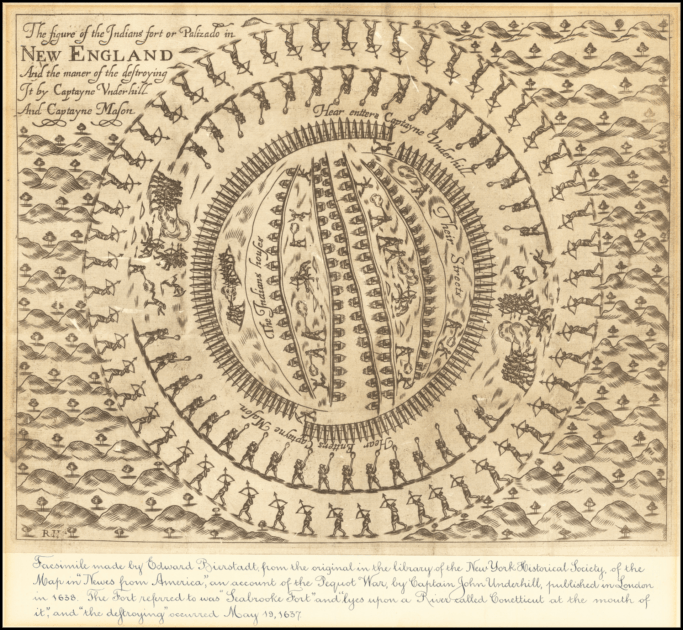
The article critiques the traditional narrative of Thanksgiving, highlighting its colonial origins and the violent history of European settlers' interactions with Indigenous peoples, such as the Pequot Massacre. It argues that the holiday's portrayal as a harmonious event between Pilgrims and Native Americans whitewashes the reality of genocide and land dispossession faced by Indigenous communities. The authors emphasize the ongoing impact of these historical injustices on Native populations and call for a more honest acknowledgment of history.

"Uncovering the Origins of North America's Blackfoot Confederacy"

Originally Published 1 year ago — by Phys.org

Featured image for "Uncovering the Origins of North America's Blackfoot Confederacy"
Source: Phys.org

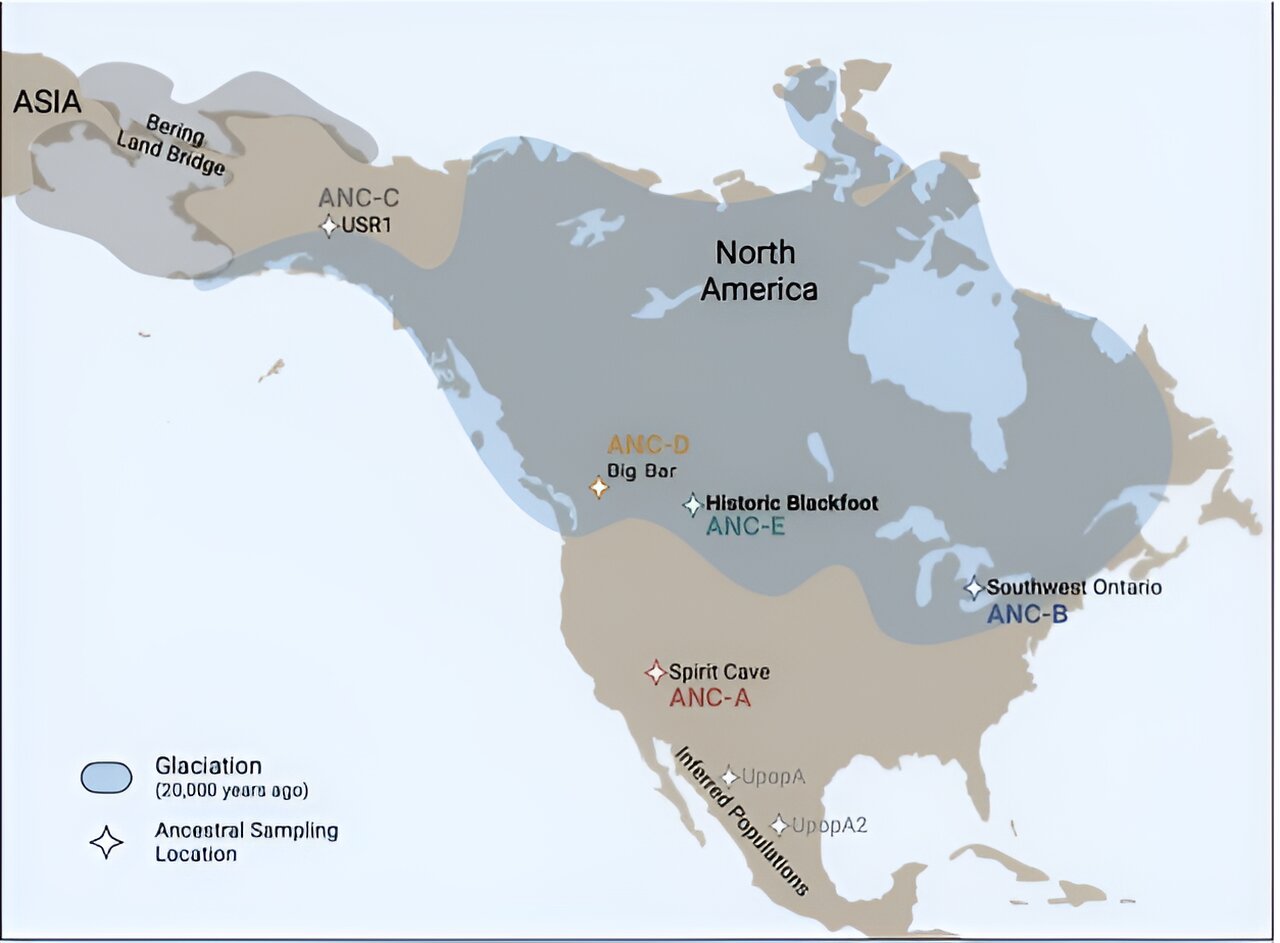
A genetic study tracing the lineage of North America's native Blackfoot Confederacy, published in Science Advances, found that modern Blackfoot people are descendants of a lineage dating back approximately 18,000 years, supporting their historical presence in North America. The research also provides evidence of a major lineage split among people who migrated to North America 18,000 years ago, giving rise to present-day Indigenous people in North, Central, and South America, bolstering the Blackfoot Confederacy's claims to ancestral land.

"Prince Harry Faces Pressure Over Alleged Human Rights Abuses in African Parks"

Originally Published 1 year ago — by Daily Mail

Featured image for "Prince Harry Faces Pressure Over Alleged Human Rights Abuses in African Parks"
Source: Daily Mail

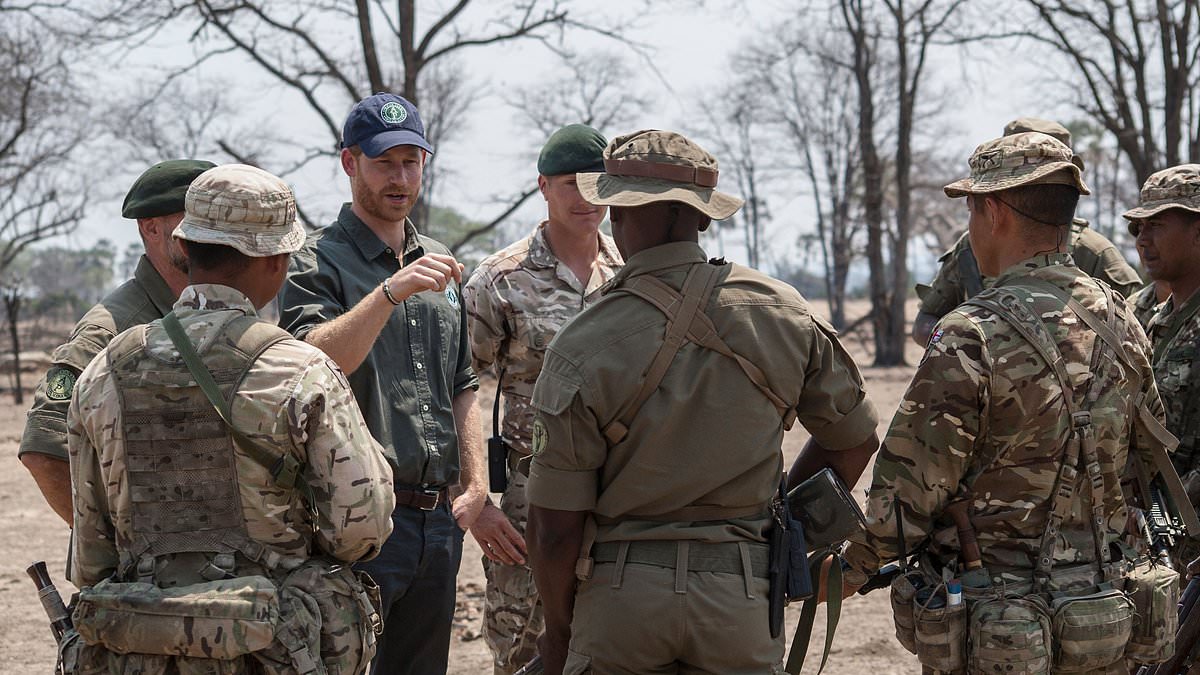
Prince Harry was reportedly warned about alleged human rights abuses, including rapes and torture, committed by rangers employed by African Parks, a conservation charity in Africa, months before he joined its board of directors. The allegations involve the mistreatment of the Baka, an indigenous group, in the Republic of Congo. Survival International, an organization fighting for indigenous rights, sent a letter to Harry and Meghan Markle detailing the atrocities and urging them to intervene. The charity has been accused of widespread rights violations against the Baka people, prompting calls for Prince Harry to distance himself from the organization. African Parks has denied the allegations and stated that it has a "zero-tolerance" policy for any form of abuse.

Calls for Prince Harry to Resign from African Parks Charity Amid Abuse Allegations

Originally Published 1 year ago — by Daily Mail

Featured image for Calls for Prince Harry to Resign from African Parks Charity Amid Abuse Allegations
Source: Daily Mail

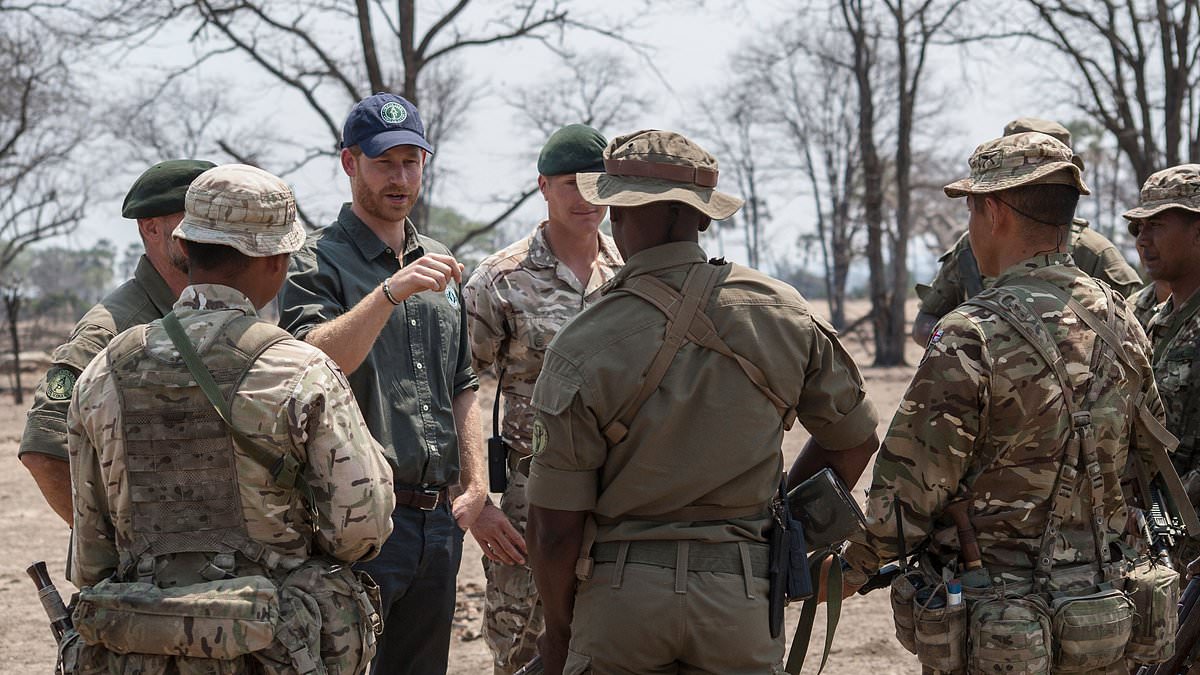
Prince Harry is facing calls to resign from his role in African Parks, a conservation charity accused of human rights abuses against the indigenous Baka people in Africa. The charity, funded by the EU, US government, and wealthy philanthropists, including a Swiss billionaire, has been accused of brutalizing the Baka people and enforcing theft of their rainforest. Survival International has launched a campaign urging the prince and donors to sever ties with the charity, while Prince Harry's foundation has escalated the serious allegations to the appropriate authorities. African Parks has launched an investigation into the allegations and claims to have a "zero-tolerance" policy for any form of abuse.

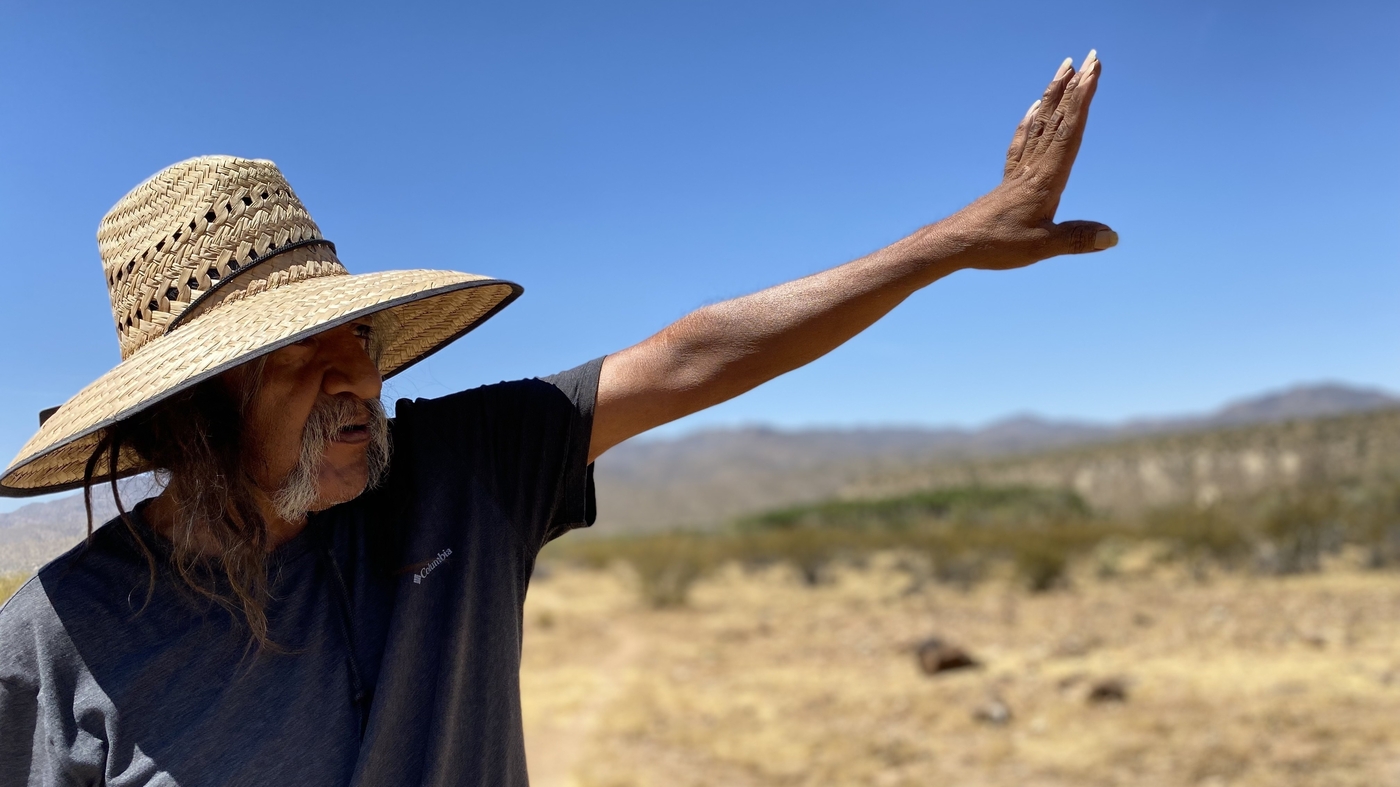
"Indigenous Lands at the Center of the Electrification Metals Boom"

Originally Published 1 year ago — by NPR

Featured image for "Indigenous Lands at the Center of the Electrification Metals Boom"
Source: NPR

The soaring demand for minerals like lithium, cobalt, copper, and nickel for green energy components has led to an increase in mining projects on or near Indigenous lands, raising concerns about potential environmental and cultural impacts. Indigenous groups are advocating for equitable decision-making power and the implementation of "Free, Prior and Informed Consent" by mining companies, while also pressuring car companies to raise standards for their supply chains. The need for global solidarity among Indigenous groups facing increased mining for energy transition metals is emphasized as the world transitions away from fossil fuels.

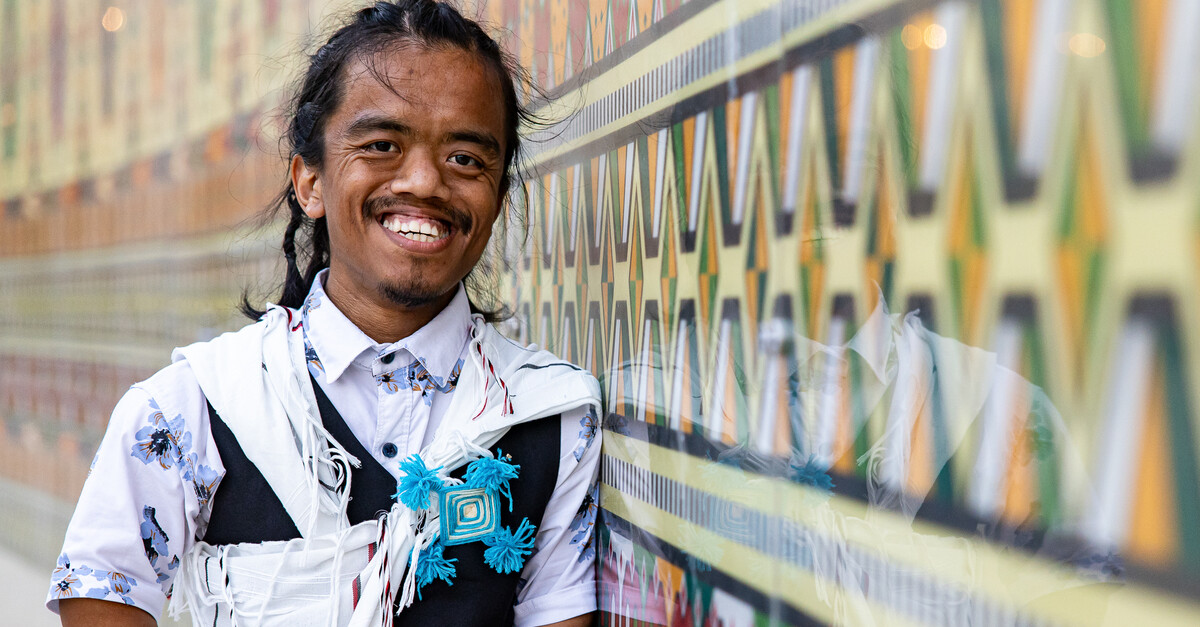
Inclusive Climate Action: Empowering People with Disabilities and Advancing Social Justice

Originally Published 2 years ago — by Wisconsin Public Radio

Featured image for Inclusive Climate Action: Empowering People with Disabilities and Advancing Social Justice
Source: Wisconsin Public Radio

Umesh Balal, a 28-year-old disability rights activist from Nepal, is advocating for the inclusion of disability rights in the climate change agenda at the COP28 conference in Dubai. Balal, who has dwarfism, is dedicated to ensuring that marginalized voices, including those of people with disabilities and indigenous peoples, are heard in discussions about climate change. He is campaigning for disaster preparedness among disabled people and highlighting the lack of inclusion and engagement for the disabled community in climate discussions. Balal aims to empower more disabled people and raise awareness about the intersection of disability rights and climate issues.

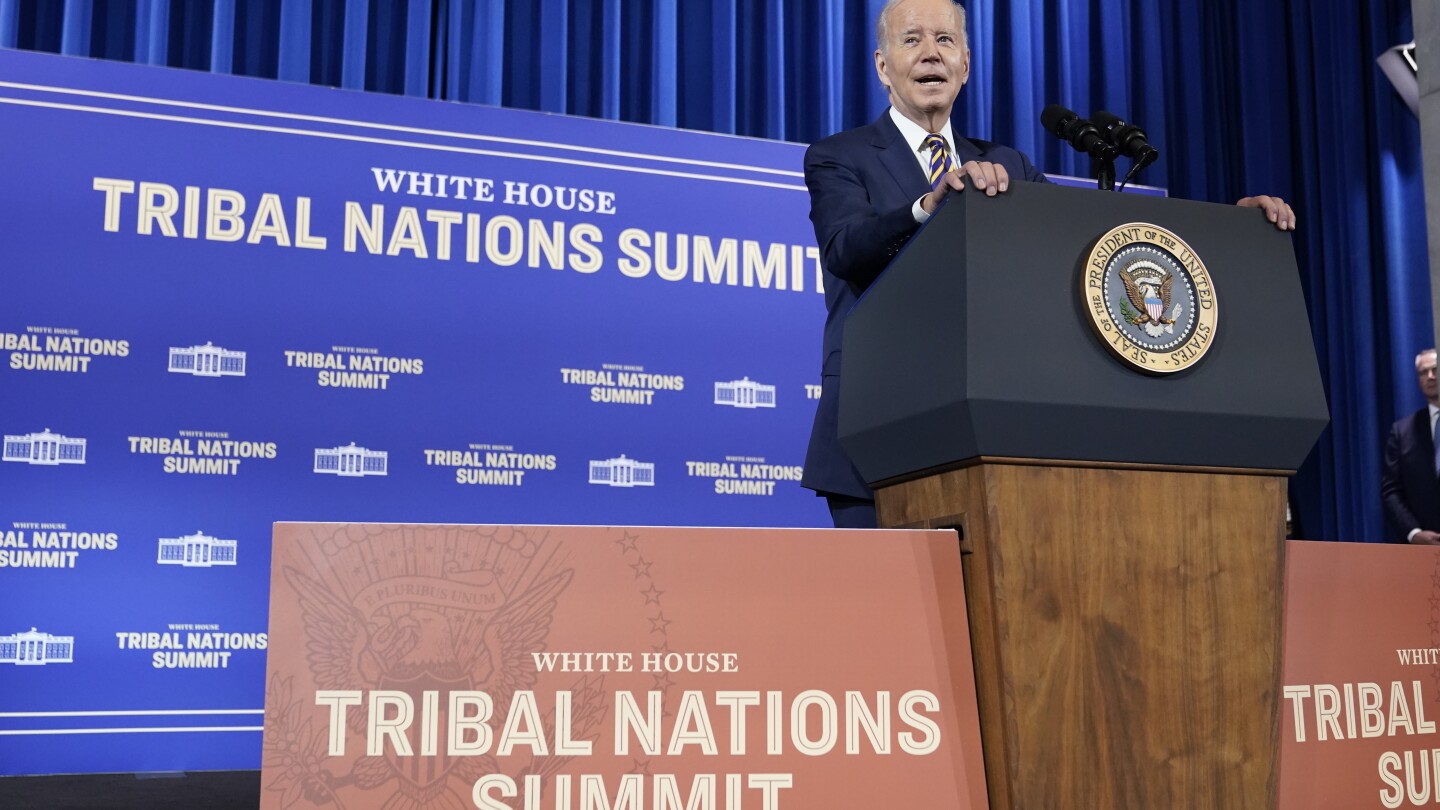
Biden and Harris prioritize healing, co-stewardship, and indigenous rights at Tribal Nations Summit

Originally Published 2 years ago — by The Associated Press

Featured image for Biden and Harris prioritize healing, co-stewardship, and indigenous rights at Tribal Nations Summit
Source: The Associated Press

President Joe Biden signed an executive order at a tribal summit, aiming to make it easier for Indigenous peoples to access federal funding and have more autonomy over its use. He also expressed support for the Haudenosaunee Confederacy to compete under its own flag in the 2028 Olympics. Biden acknowledged the historical wrongs committed against Native Americans and emphasized the importance of tribal sovereignty. The order establishes a clearinghouse for tribes to access grants and grants them more authority over spending. The administration also announced agreements allowing tribes to manage federal lands and a study on Native American history. However, some leaders expressed concerns about the consultation process and the need for early engagement in decision-making.

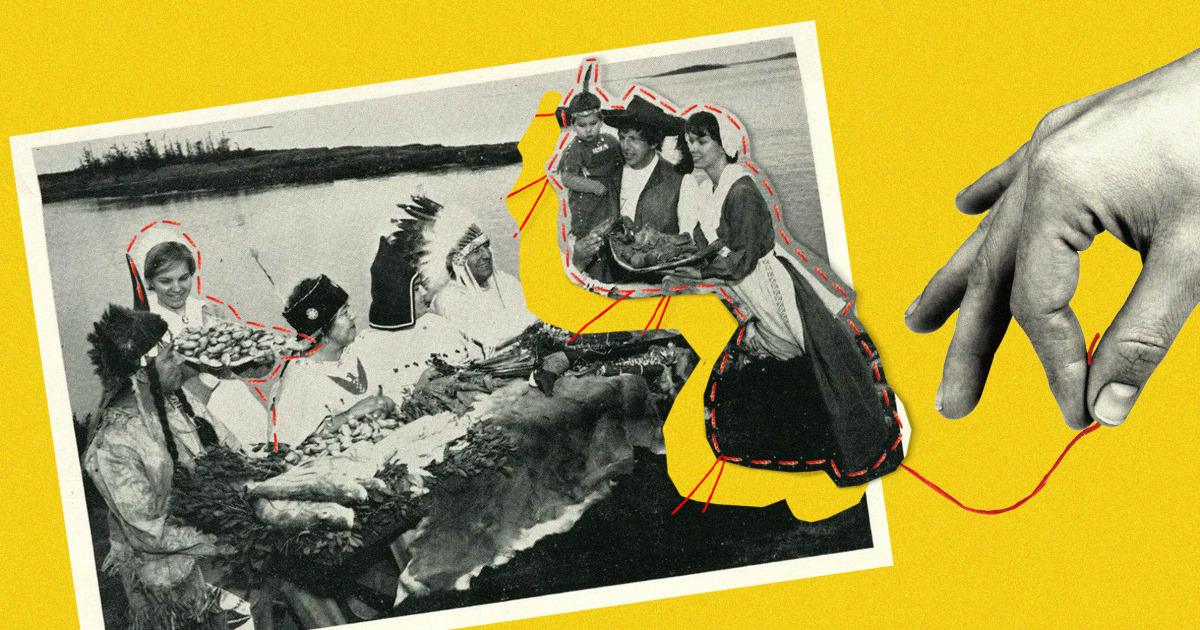
Thanksgiving's Complex Legacy in Maine

Originally Published 2 years ago — by NBC News

Featured image for Thanksgiving's Complex Legacy in Maine
Source: NBC News

Maine, one of the places that claims to have hosted the First Thanksgiving, is rejecting the label and striving to include Indigenous voices and a more accurate portrayal of Native peoples' history in its events. Other places, such as Plymouth, Virginia, Texas, and Florida, also lay claim to hosting the First Thanksgiving, each with their own historical events. The national American holiday of Thanksgiving emerged during the Civil War and was influenced by a movement led by Sarah Josepha Hale. Maine's previous claim to Thanksgiving supremacy in 1964 was denounced as historically inaccurate, and today there is no monument or mention of Thanksgiving at the site of the Popham Colony.

"Astronomers Call for Removal of 'Violent Colonialist' Magellan from Night Sky"

Originally Published 2 years ago — by The Guardian

Featured image for "Astronomers Call for Removal of 'Violent Colonialist' Magellan from Night Sky"
Source: The Guardian

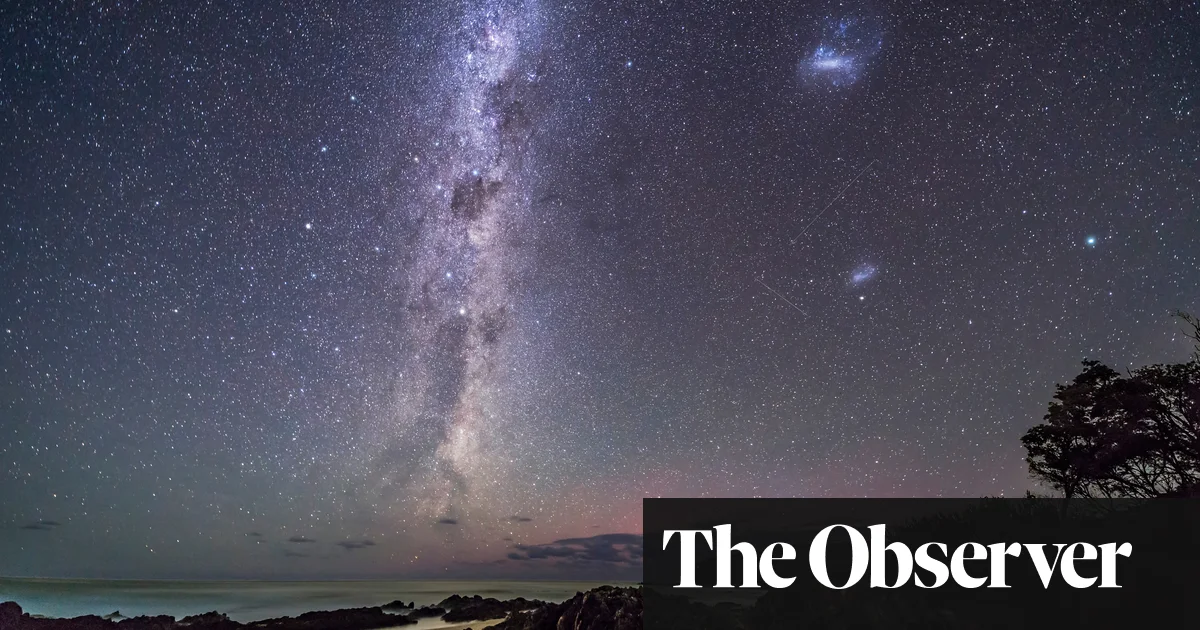
Astronomers are calling for the renaming of the Large and Small Magellanic Clouds, two satellite galaxies of the Milky Way, due to the violent colonialist legacy of Ferdinand Magellan, the 16th-century explorer they are currently named after. Magellan's actions, including murder and enslavement, have led astronomers to argue that his name should no longer be associated with these celestial objects. Indigenous peoples had their own names for the clouds, and it was not until the late 19th century that they were named after Magellan. This call for change reflects a broader movement to rename scientific objects and species with objectionable names.

Australia Rejects Indigenous Voice to Parliament in Historic Referendum

Originally Published 2 years ago — by The Washington Post

Featured image for Australia Rejects Indigenous Voice to Parliament in Historic Referendum
Source: The Washington Post

Australians voted against a constitutional amendment that would have recognized Indigenous peoples and provided them with an advisory body to Parliament. The defeat was a blow to Aboriginal and Torres Strait Islander peoples, who saw the referendum as an opportunity to address Australia's colonial and racist past. The opposition successfully stirred fears over the proposal's consequences, leading to its defeat. Prime Minister Anthony Albanese acknowledged the role of misinformation and vowed to continue efforts to improve the lives of Indigenous Australians. Referendums in Australia require a "double majority" and the result was out of reach within 90 minutes of the first polls closing. Indigenous people have lived in Australia for thousands of years but have not been recognized with a treaty.