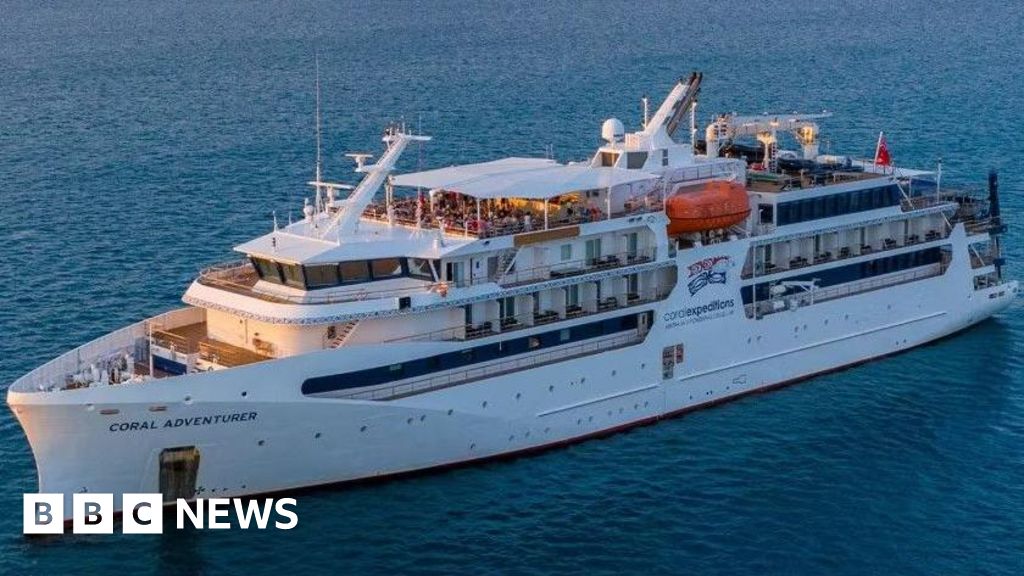
An elderly woman, Suzanne Rees, died after being left behind on Lizard Island during a cruise in the Great Barrier Reef, prompting investigations by Australian authorities into the incident and the cruise company's handling of the situation.
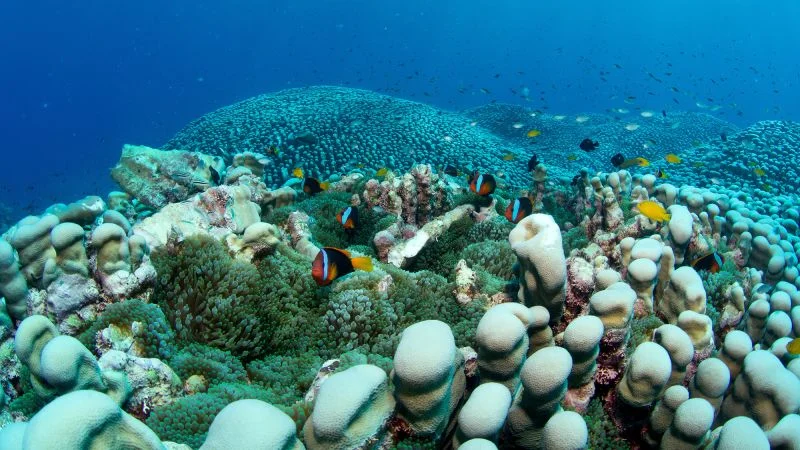
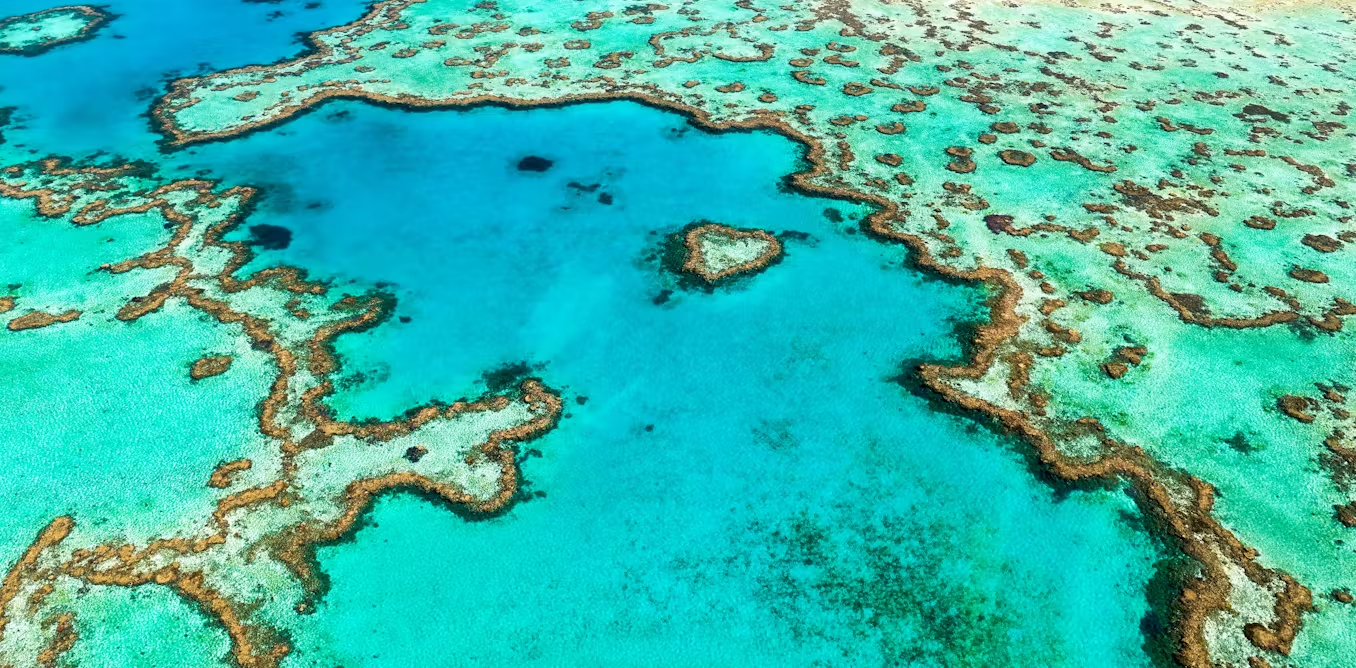
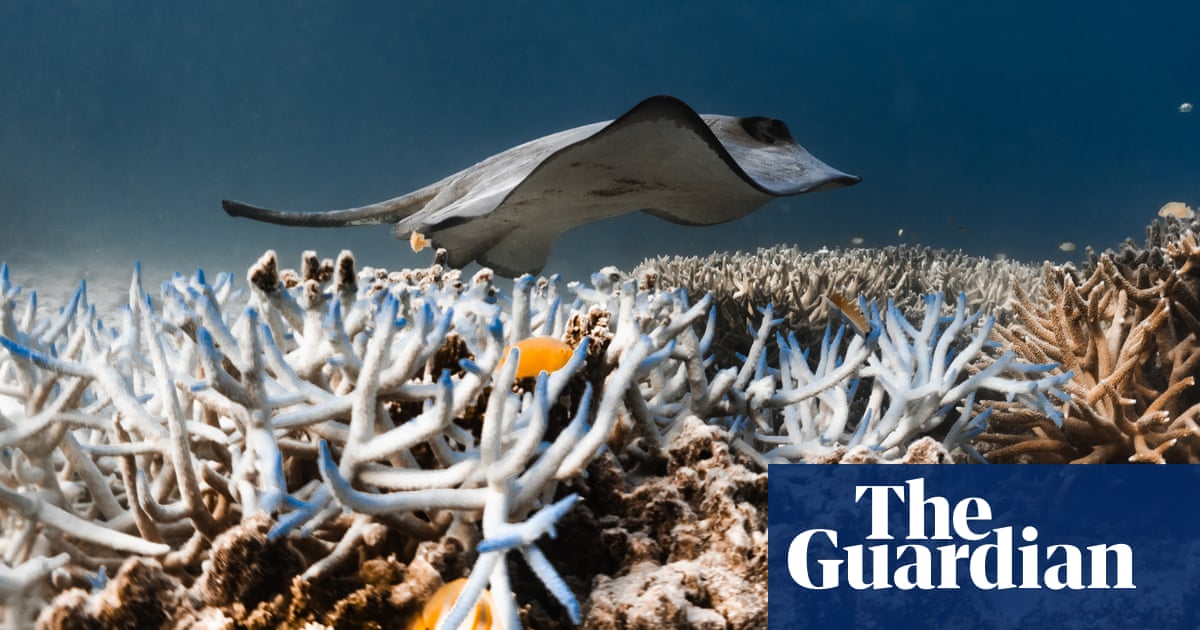
The Great Barrier Reef is experiencing its worst coral decline on record due to unprecedented heat stress and bleaching events driven primarily by climate change, with natural factors like cyclones and starfish outbreaks also contributing. Recovery may take years, and experts warn that without urgent climate action, the reef could face irreversible damage, similar to other global coral reefs.
The Great Barrier Reef experienced its largest annual decline in live coral since the 1980s due to severe bleaching events in 2024, driven by rising ocean temperatures and climate change, with scientists warning that increasing frequency of such events threatens the reef's recovery and survival.
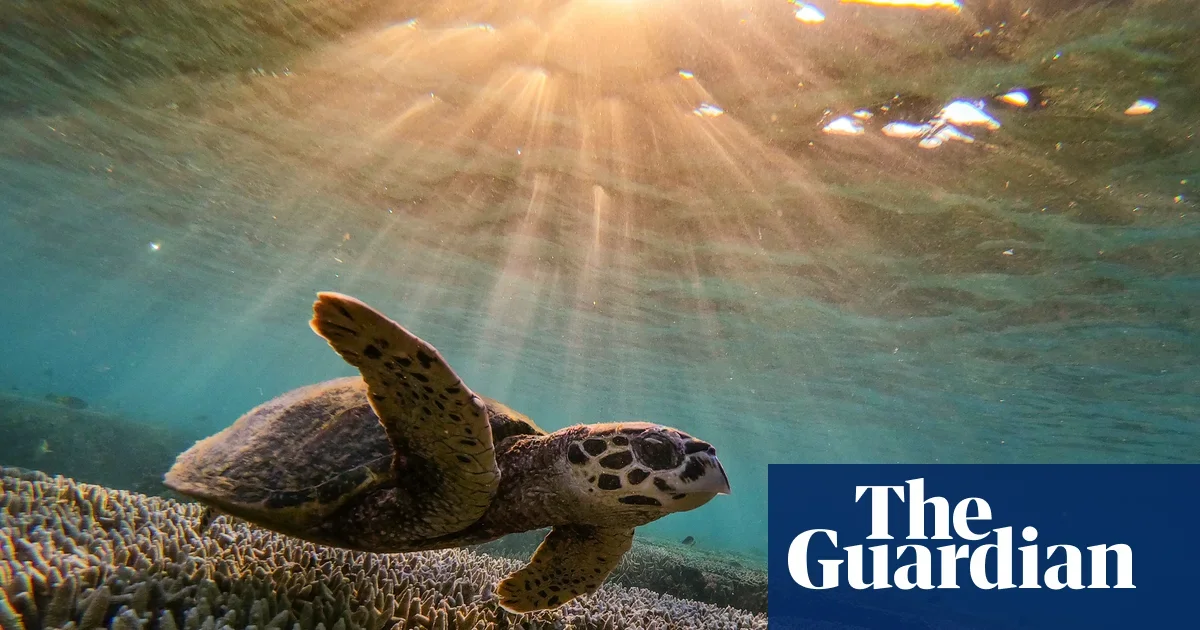
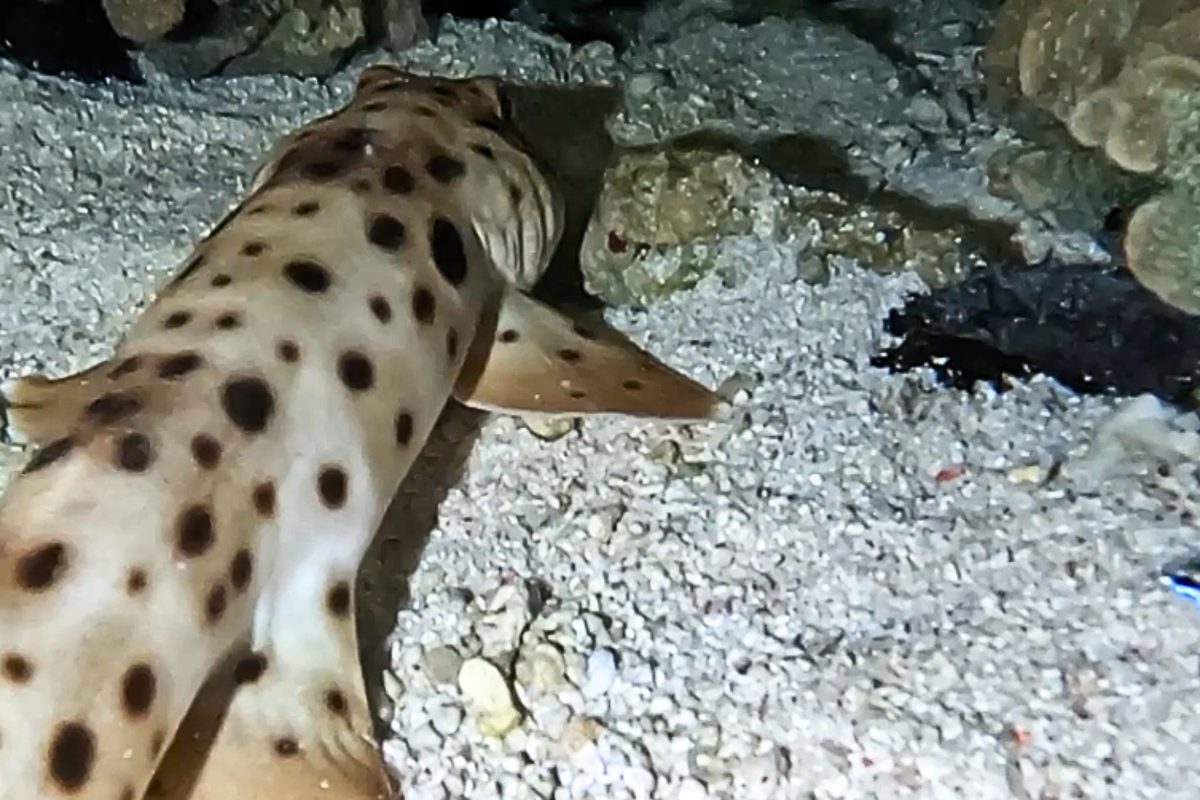
A juvenile epaulette shark was observed walking along the seabed of the Great Barrier Reef using its fins, showcasing its unique ability to move across land and rocks to find food, thanks to specialized organs and adaptations, as captured by marine biologist Jacinta Shackleton.
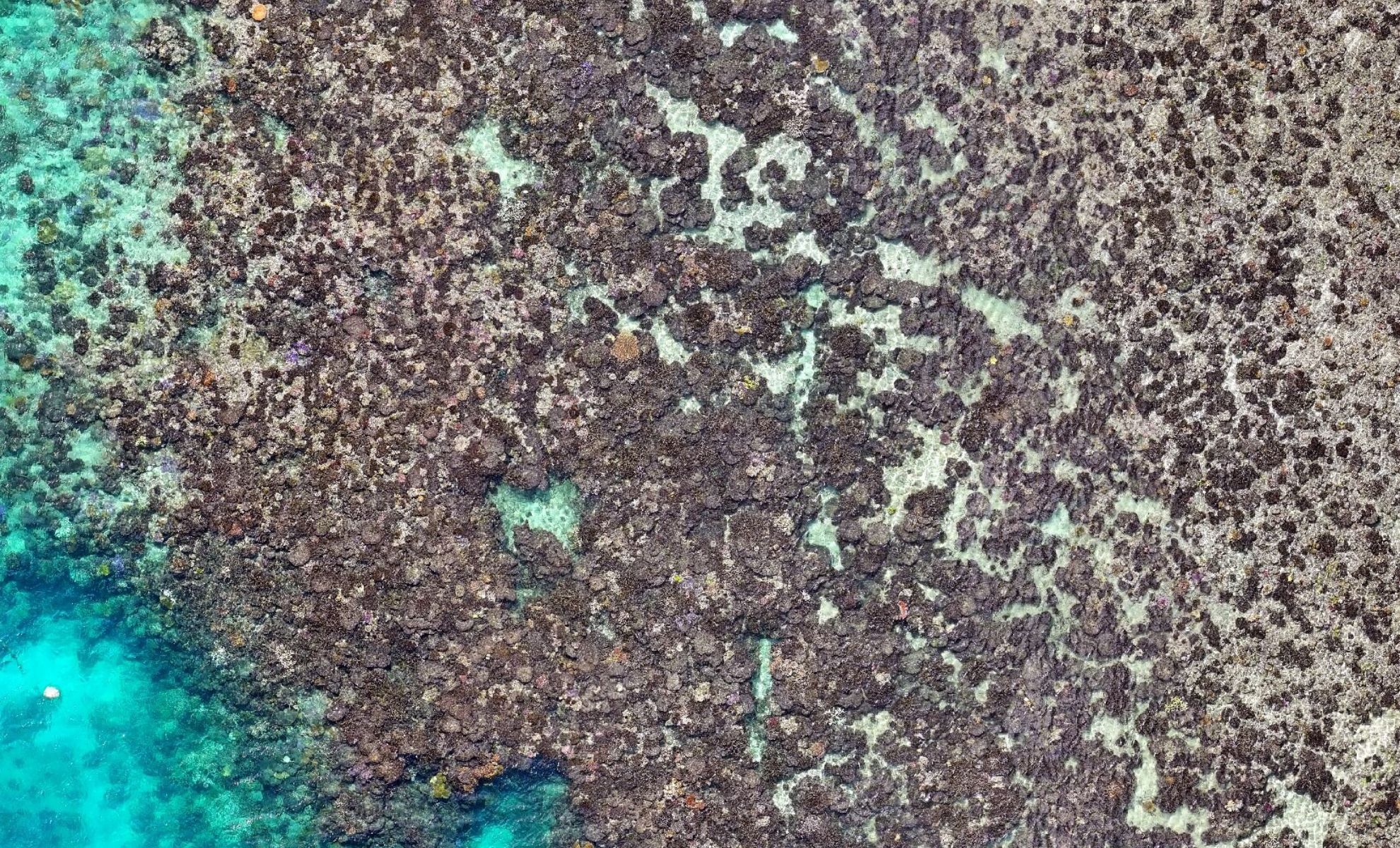
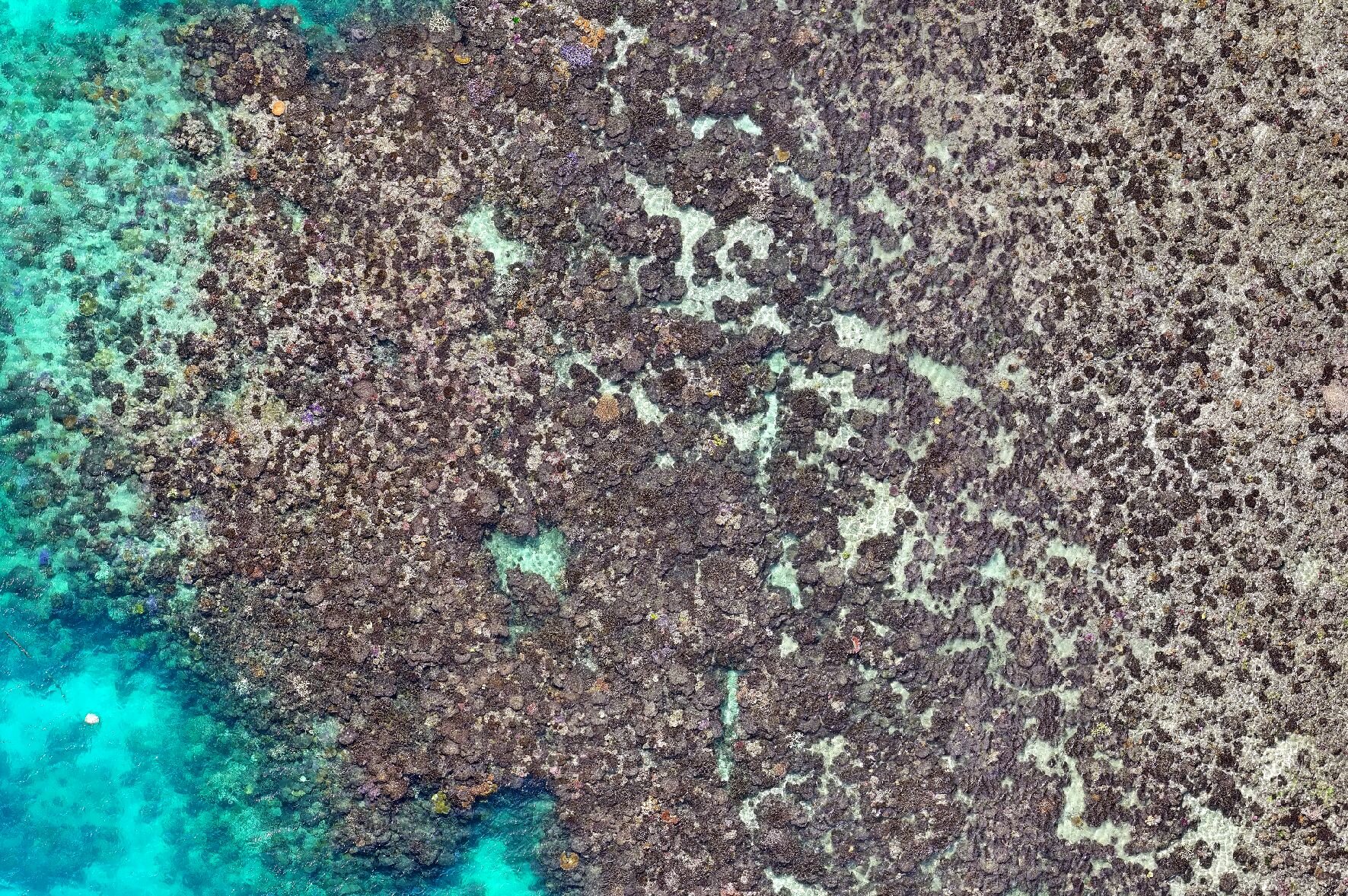
A 2025 study using drone imagery revealed up to 92% coral mortality at Lizard Island during the 2024 bleaching event, highlighting severe damage to the Great Barrier Reef and emphasizing the urgent need for climate action to protect marine ecosystems.
Drone footage and a recent study reveal an unprecedented 92% coral mortality rate at Lizard Island on the Great Barrier Reef following the 2024 bleaching event, highlighting the severe impact of climate change on coral ecosystems and the urgent need for action.
A recent study using drone imagery revealed a 92% coral mortality rate at Lizard Island on the Great Barrier Reef following the 2024 bleaching event, marking one of the highest global coral death rates and highlighting the urgent need for climate action to protect these vulnerable ecosystems.
Research on ancient coral fossils from the Great Barrier Reef shows that the reef survived rapid sea level rises around 11,000 years ago, demonstrating resilience, but modern reefs face additional stresses from climate change that threaten their survival. The study suggests that while reefs can adapt to past environmental changes, current human-induced stresses may limit their ability to cope with future sea level rises, emphasizing the need for conservation efforts.
The Great Barrier Reef has suffered significant coral loss due to extreme heat, cyclones, and flooding, with some areas losing over a third of their coral cover. The Australian Institute of Marine Science reports that climate change-driven heat stress is the primary cause, exacerbated by cyclones and freshwater flooding. The mass bleaching event is part of a global trend linked to rising ocean temperatures from fossil fuel emissions. Conservationists warn that the reef's resilience is nearing its limits, urging significant emissions reductions and a halt to new fossil fuel projects.
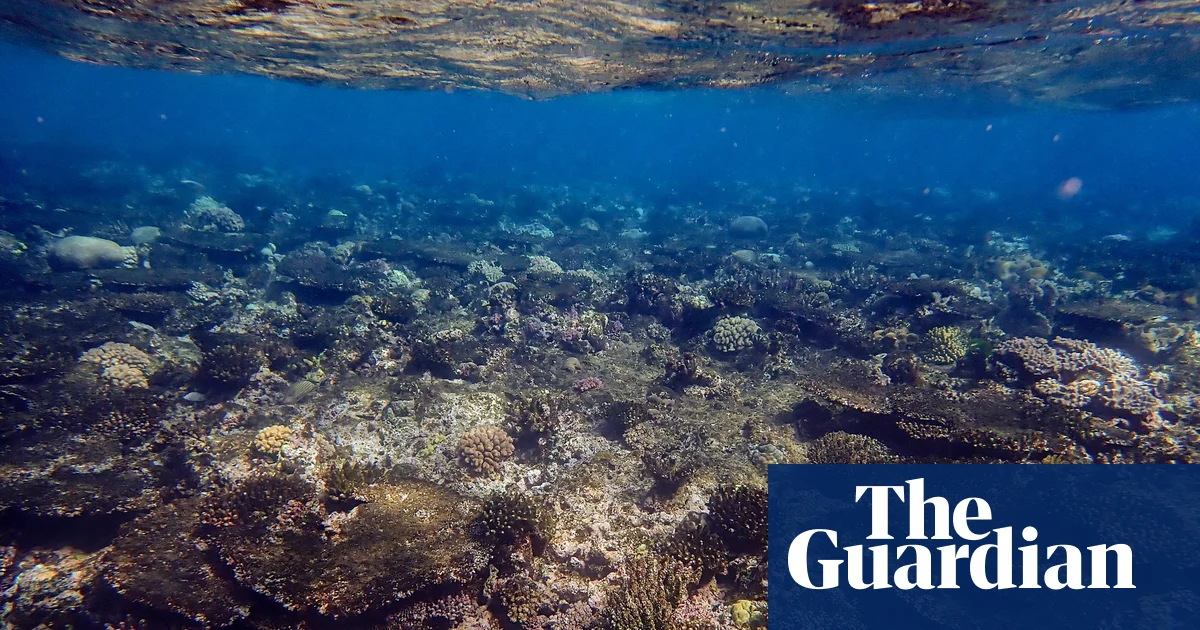
The Great Barrier Reef is experiencing its most severe mass coral bleaching event on record, with footage showing damage up to 18 meters below the surface. Aerial surveys revealed that more than half of the individual reefs have high or very high levels of bleaching, and some are experiencing extreme bleaching. Marine biologists are deeply concerned, as the impact has been extensive and some coral is starting to die. The escalating damage underscores the urgent need for rapid action to reduce greenhouse gas emissions and protect the reef from further loss.
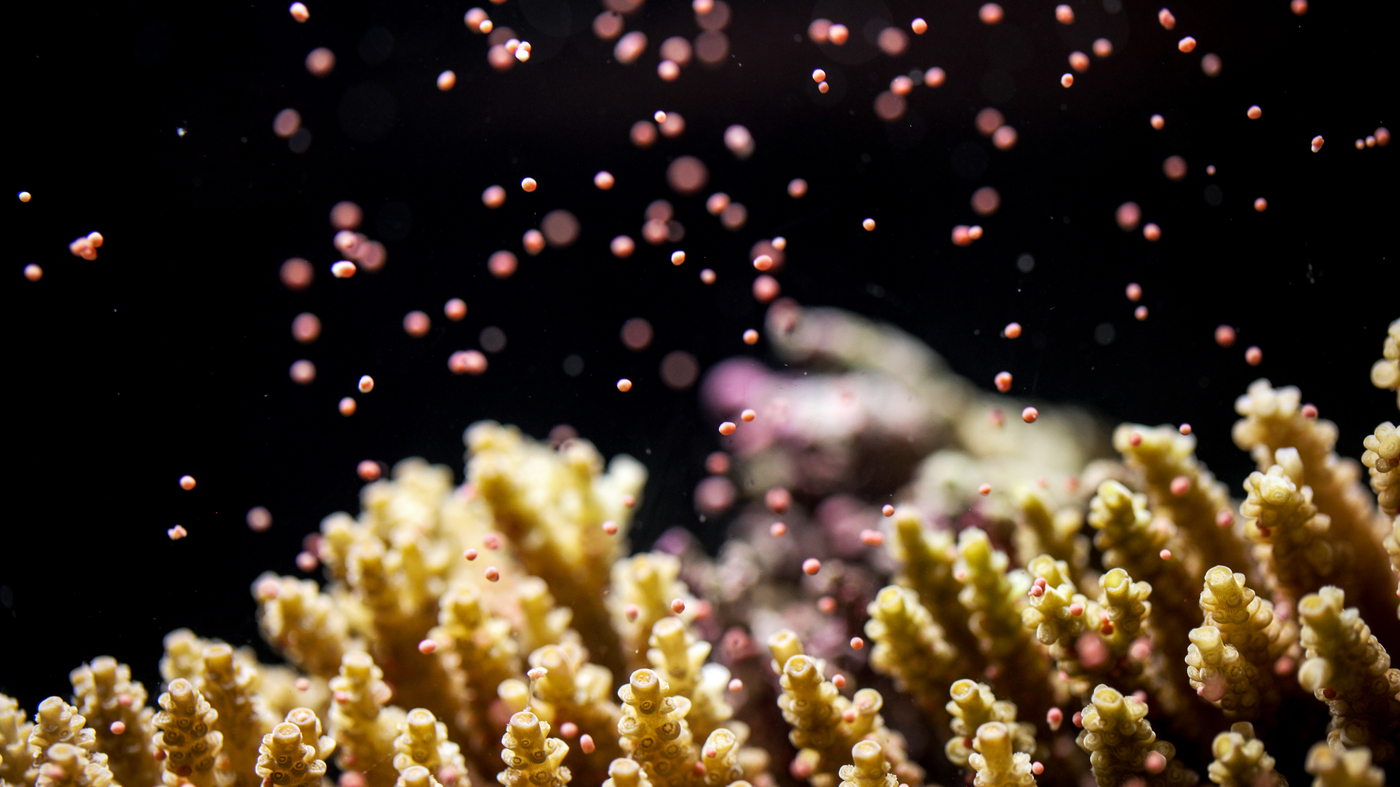
Scientists in Australia are breeding "super corals" in an effort to help the Great Barrier Reef withstand the effects of climate change. By selectively breeding corals that can tolerate extreme heat better, they hope to buy time for the reefs to adapt. However, many coral biologists caution that breeding "super corals" is not a long-term solution and emphasize the urgent need to address climate change by reducing greenhouse gas emissions.
Tour guides at the Great Barrier Reef are facing the emotional toll of explaining the mass coral bleaching event to tourists, as the reef experiences its fifth such event in eight years due to global heating. The tourism industry, a major contributor to Australia's economy, is struggling to balance the need to inform visitors about the threats to the reef with the desire to maintain tourism. Guides are being trained to communicate the health of the reef and its threats, while also dealing with their own ecological grief. Despite the challenges, tourists are open to learning about climate change and are eager to know how they can help.
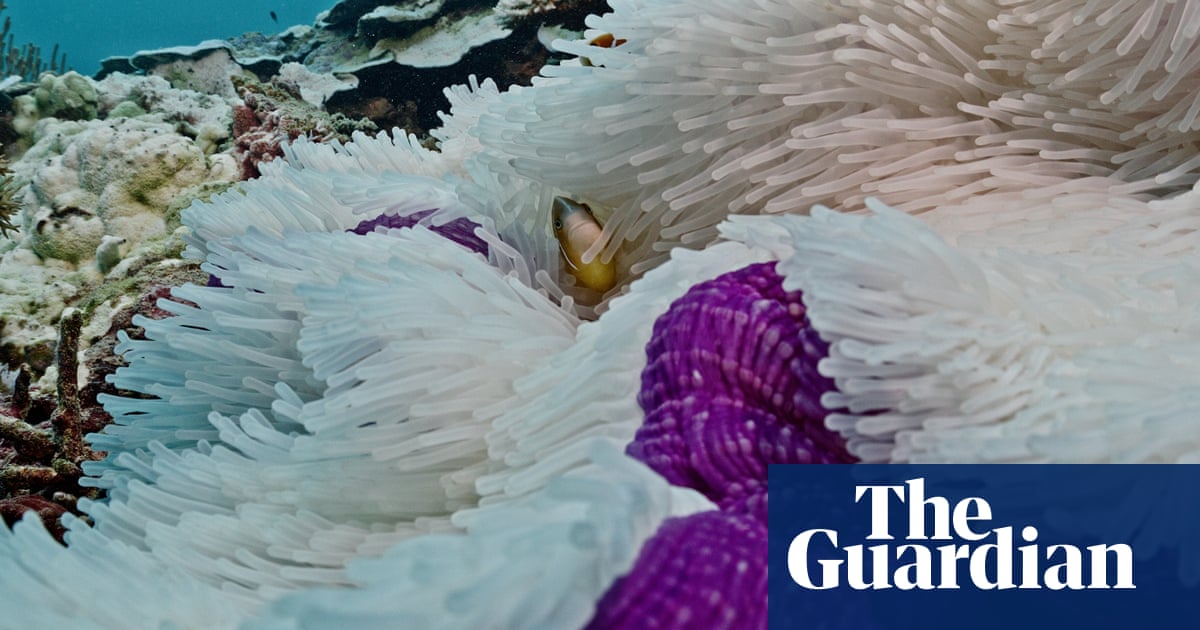
Australia's Great Barrier Reef is experiencing its fifth mass coral bleaching event since 2016, attributed to heat stress and climate change. The bleaching, caused by abnormal ocean conditions, makes corals more susceptible to disease. Scientists are conducting aerial surveys to assess the severity and potential impacts of the event, emphasizing the need for global emissions reduction and local management to protect the reef from climate change.
Australia's Great Barrier Reef has been hit by a major coral bleaching event, likely caused by heat stress built up over the summer, with damage being "widespread" in at least two-thirds of the areas surveyed. The bleaching, a result of elevated sea surface temperatures primarily driven by climate change, poses a significant threat to the reef's survival and the marine life it supports. The United Nations' proposal to put the Great Barrier Reef on an endangered list has been lobbied against by Australia, as it could impact tourism and the economy.
Australia's Great Barrier Reef is experiencing its seventh mass bleaching event, attributed to soaring ocean temperatures caused by the global climate crisis and amplified by El Niño. The reef, home to over 1,500 species of fish and 411 species of hard corals, is facing widespread coral bleaching, posing a significant threat to its ecosystem and the livelihoods of those dependent on reef tourism. The Australian government is under pressure to take more decisive action to address climate change and reduce emissions to protect the reef's future.