Tag

Ice Cores

All articles tagged with #ice cores

science-and-environment1 year ago

"Antarctic Ice Reveals Mass Death of 56 Million People Through Trapped Gas"

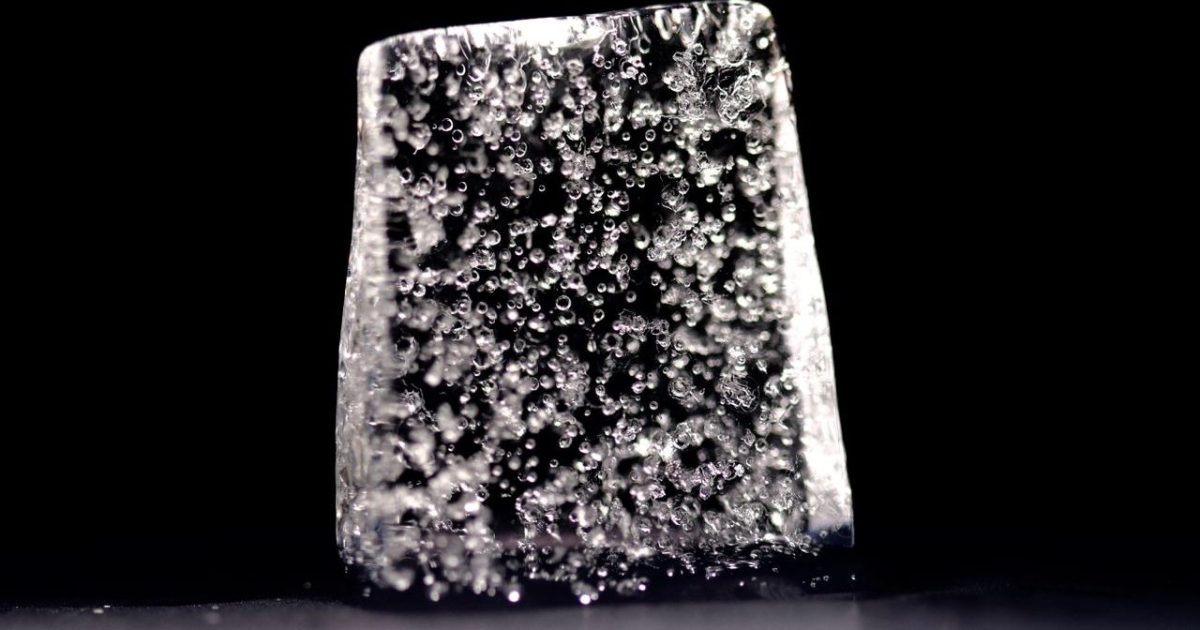
Scientists have extracted data from Antarctic ice cores dating back 800,000 years, revealing insights into past climate, volcanic eruptions, and human activities. A recent study using ice cores showed the impact of European colonization on Indigenous populations, with the deaths of 56 million people leading to increased forest growth and reduced carbon dioxide levels. This demonstrates the significant influence of human actions on the Earth's atmosphere, highlighting the lasting effects of historical events on the planet.

earth-and-environment1 year ago

"Polar Ice Records: Tracing Climate and Human Impact from Little Ice Age"

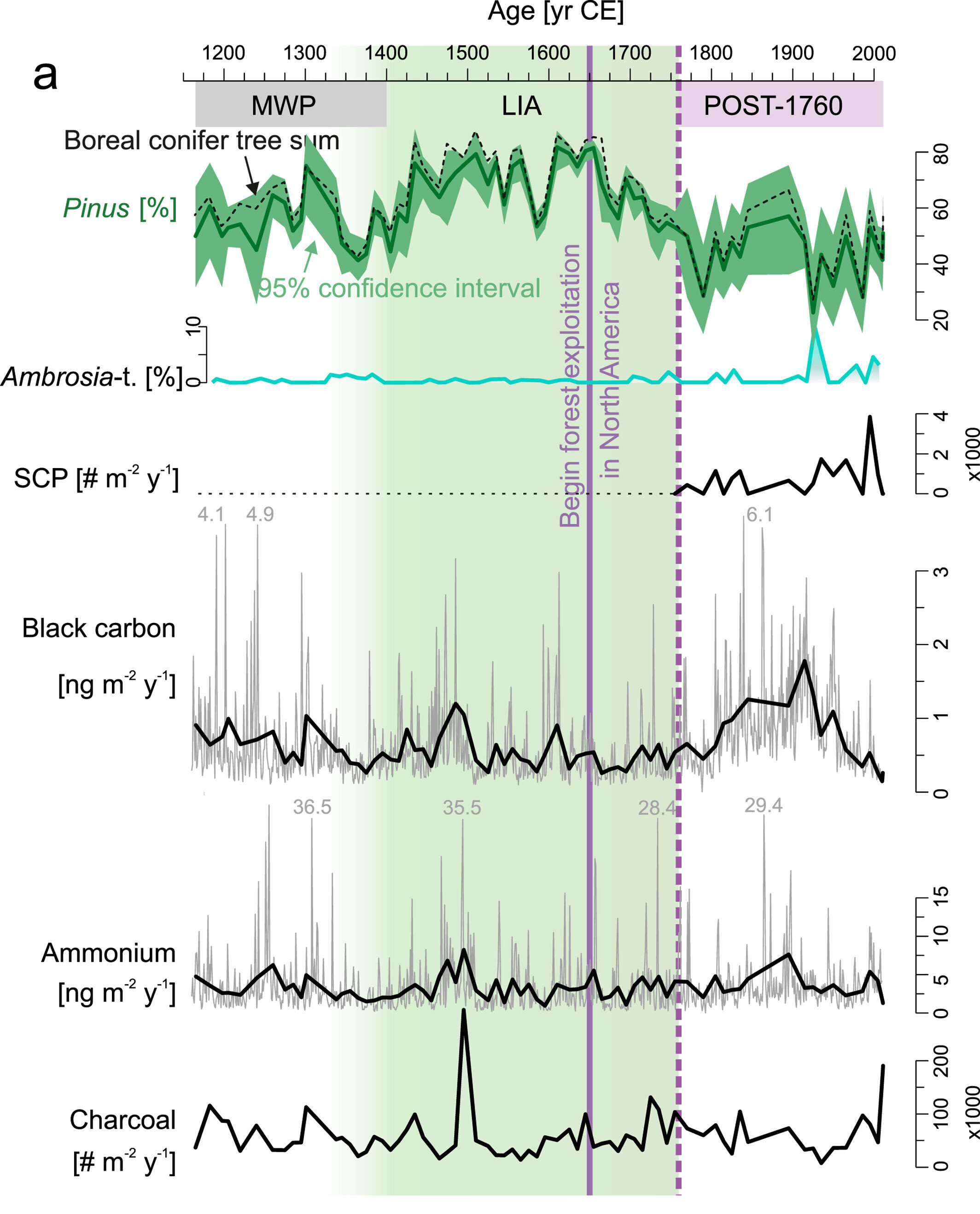
A new study has used an 850-year pollen record from Greenland to investigate the impact of climate and human activity on boreal ecosystems, particularly in high-latitude regions. The research reveals changes in pollen composition coinciding with the transition from the Medieval Warm Period to the Little Ice Age, indicating the influence of both climate and human exploitation of forests. The findings suggest that human impact, such as logging and forest exploitation, had a significant effect on the landscape, outweighing the impact of climate change. As Arctic ecosystems continue to be rapidly altered by climate change, the study highlights the complex interplay between climate and human activity in shaping the environment.

environmental-science2 years ago

"Assessing 2,000 Years of Toxic Heavy Metal Pollution in the Southern Hemisphere"

Researchers have conducted the first assessment of toxic heavy metal pollution in the Southern Hemisphere over the past 2,000 years using ice cores from Antarctica. The study reveals that lead and other toxic heavy metals associated with mining activities have been polluting the region since the 13th century, with significant increases coinciding with the establishment of urban communities and Spanish Colonial mining and metallurgy. The research provides insight into the historical impacts of human activity on the environment and demonstrates the potential of ice cores as a time capsule for understanding Earth's history.

climate-science2 years ago

"Colorado Freezer Reaches Capacity with Ancient Ice Samples Dating Back 4.5 Million Years"

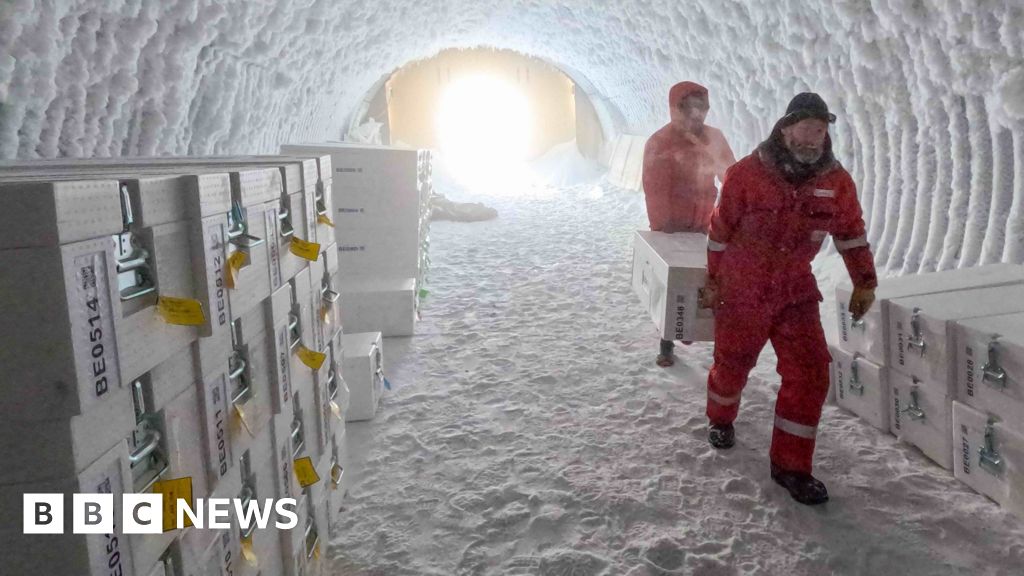
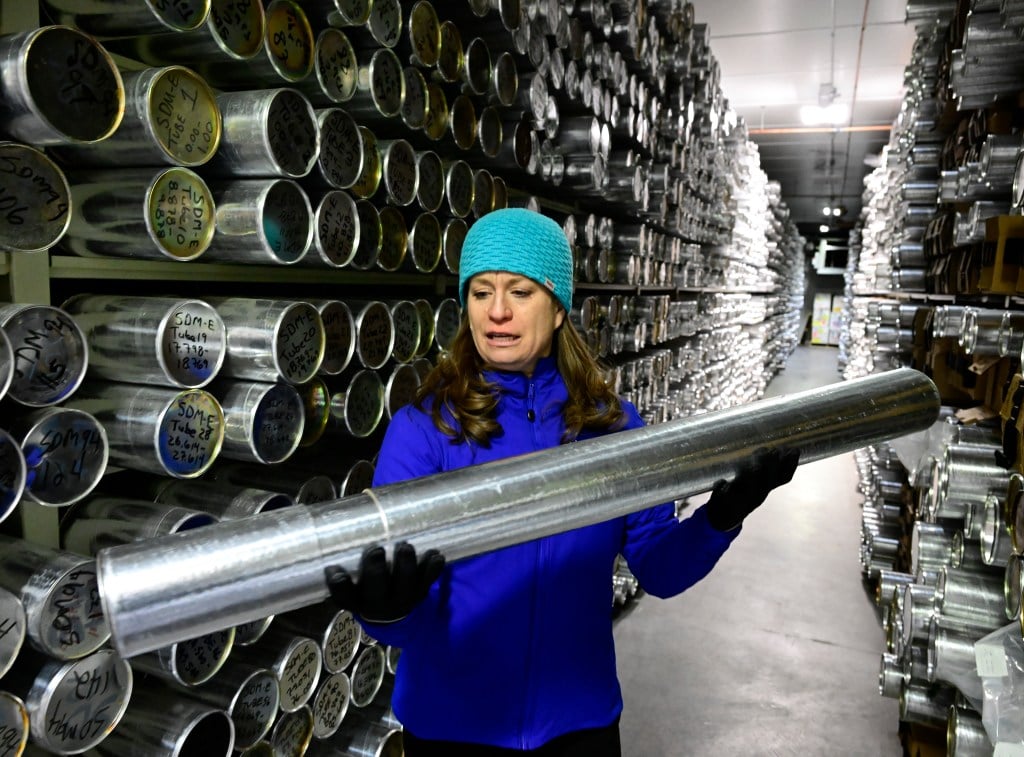
The United States' largest ice repository, located in a minus-40-degree vault in Colorado, is running out of space to store ice samples up to 4.5 million years old. These ice cores are crucial for understanding climate history and the impact of human activities on the environment. However, the outdated freezer is full, and a replacement won't be available for another two years. As a result, the curator of the Ice Core Facility is forced to decide which ice cores to keep and what to do with the surplus. Scientists are racing to collect more ice to fill in the gaps in climate history, but the cost is high. The ice cores provide valuable insights into past climate patterns and help researchers better understand the current changes happening on Earth.

earth-science2 years ago

Ancient New Zealand eruption sent volcanic glass 3000 miles to Antarctica

Scientists have discovered ancient volcanic debris from New Zealand's Taupō eruption 1,800 years ago in West Antarctica, providing evidence to pinpoint the exact timing of the eruption. The eruption, one of the most violent in the last 5,000 years, had previously been a subject of debate. The discovery of seven geochemically unique volcanic glass shards in ice cores confirms the eruption occurred in late summer/early autumn in the year 232. The shards, dispersed by wind, traveled over 3,000 miles to Antarctica, highlighting the power of the eruption. The findings also revealed glass from a much earlier eruption of the same volcano, providing a "double fingerprint" confirming the source.

environment2 years ago

"Preserving Antarctica's Climate History: Scientist Safeguards Melting Glaciers"

Rebecca Pyne, the coordinator and caretaker at the National Ice Core Research Facility in New Zealand, discusses the importance of ice cores in understanding past climate. The facility houses over 2,300 meters of ice cores, with the longest sample dating back 83,000 years. Pyne highlights the significance of studying Antarctic ice retreat and sea-level rise due to climate change. She also mentions the urgency in preserving ice cores from New Zealand glaciers, which are disappearing rapidly. Pyne, inspired by her geologist parents, hopes to visit Antarctica again in the future.

science2 years ago

Discovering the World's Most Unique Library

The Niels Bohr Institute at the University of Copenhagen in Denmark stores some 40,000 segments of ice cores, long cylinders of ice from polar regions that preserve the history of past climate. Ice cores serve as important historical records for scientists interested in how our planet’s climate has changed, whether in the distant past or more recently. The study of deep ice cores from the Arctic and Antarctica, like the ones stored in Copenhagen, has helped demonstrate how human activity, rather than natural cycles, is causing climate change today.

climate-science2 years ago

Understanding the Bipolar Impact of Heinrich Climate Variability.

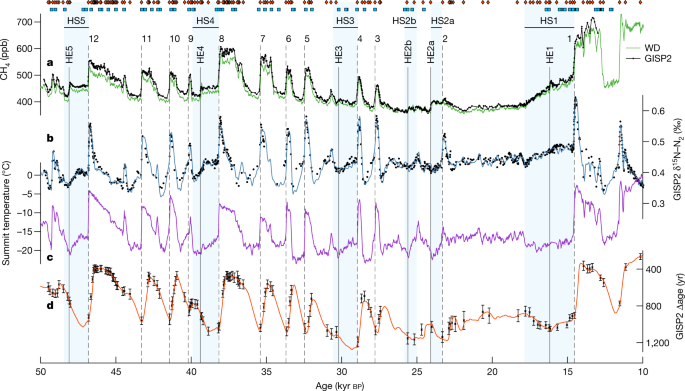
A new study suggests that Heinrich-type climate variability, characterized by massive detritus layers in the North Atlantic, may have a bipolar impact and phasing, affecting both hemispheres simultaneously. The study analyzed ice core records from Greenland and Antarctica and found evidence of synchronized warming and cooling events during Heinrich stadials. The findings challenge the traditional view of the bipolar seesaw, which suggests that climate changes in one hemisphere are offset by opposite changes in the other hemisphere.

climate-science2 years ago

Last ice age's massive iceberg discharges had no impact on Greenland.

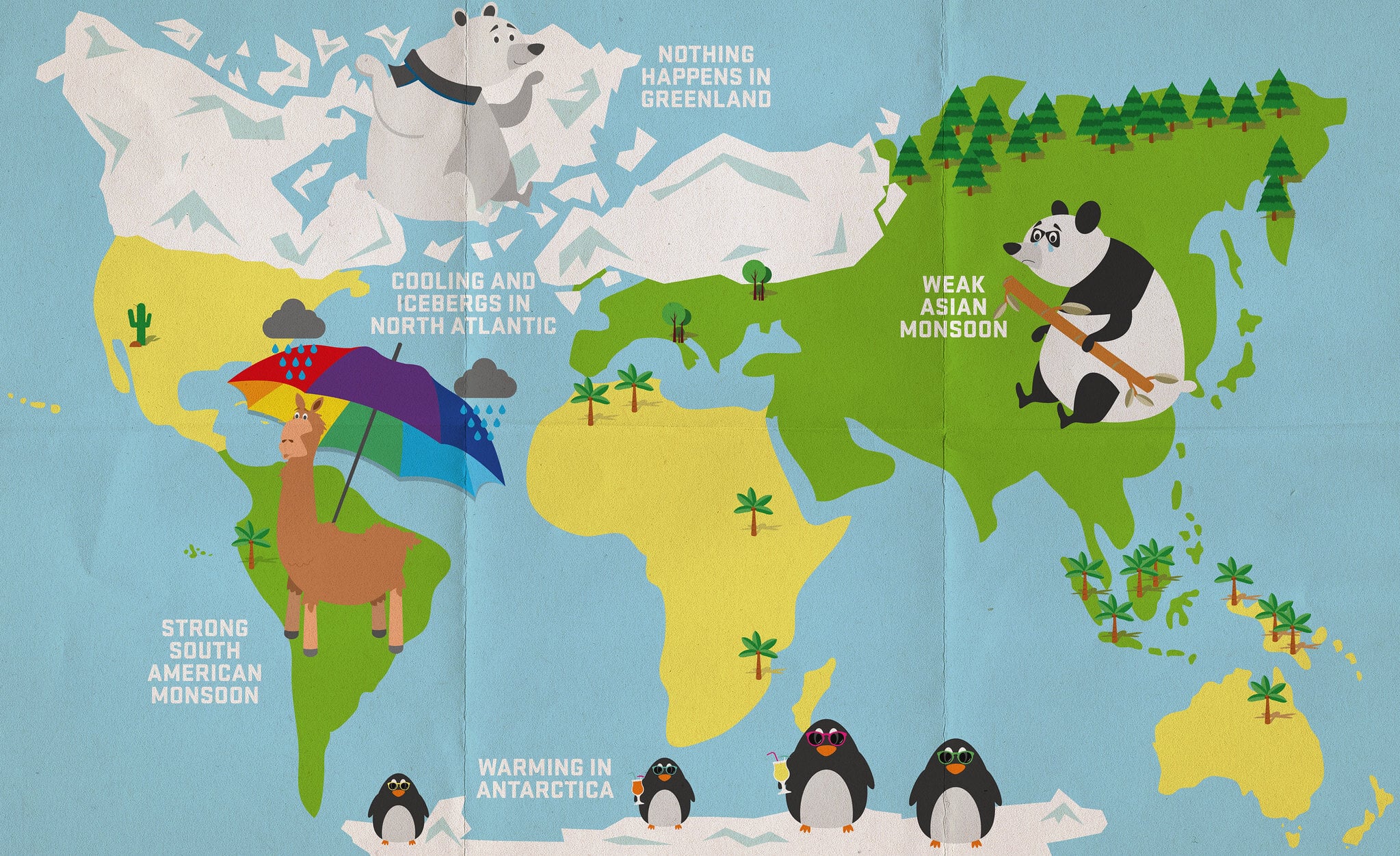
Heinrich Events, massive iceberg discharges during the last ice age, had no impact on nearby Greenland, according to a new study from Oregon State University researchers. Instead, these events caused rapid warming in Antarctica, at the other end of the globe. The finding challenges the current understanding of global climate dynamics during these massive events and raises new questions for researchers. The ultimate goal is to better understand how the climate system is connected and how the components all interact.