A new analysis of Martian surface features reveals that dark, finger-like stripes are caused by dry dust avalanches driven by wind and impacts, not water, reshaping our understanding of Mars' surface processes and climate.
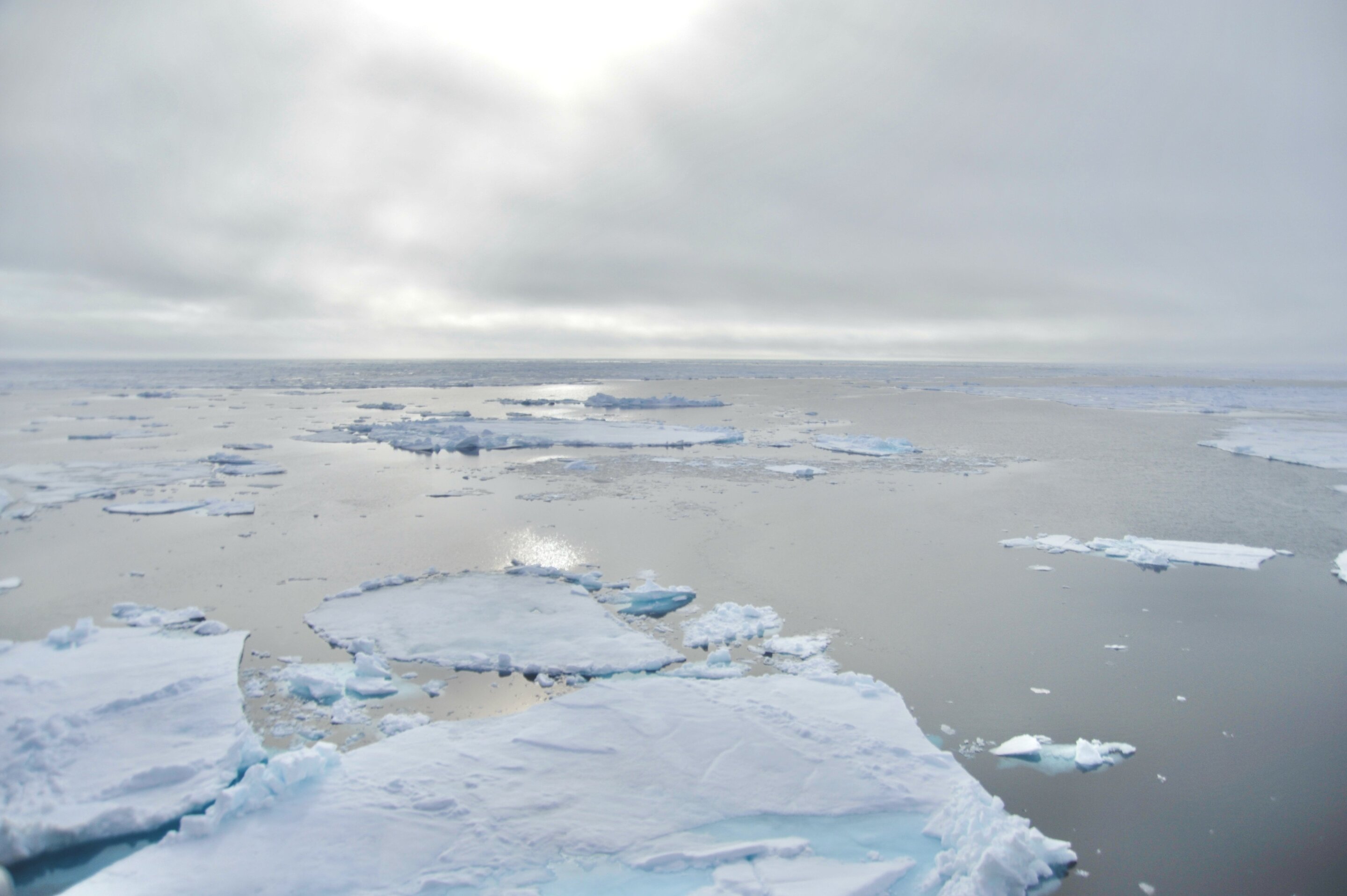
Analysis of microfossil content in sediment cores suggests that the Arctic Ocean was seasonally ice-free during the Last Interglacial period, between 129,000 and 115,000 years ago. Researchers found evidence of a subpolar species expanding far into the Arctic Ocean, indicating the absence of summer sea ice. This finding is concerning as it suggests that even a small increase in global temperatures, comparable to the targets of the Paris Agreement, could lead to a significant rise in sea levels. Further research is needed to understand the conditions of the Last Interglacial and its implications for the current climate crisis.
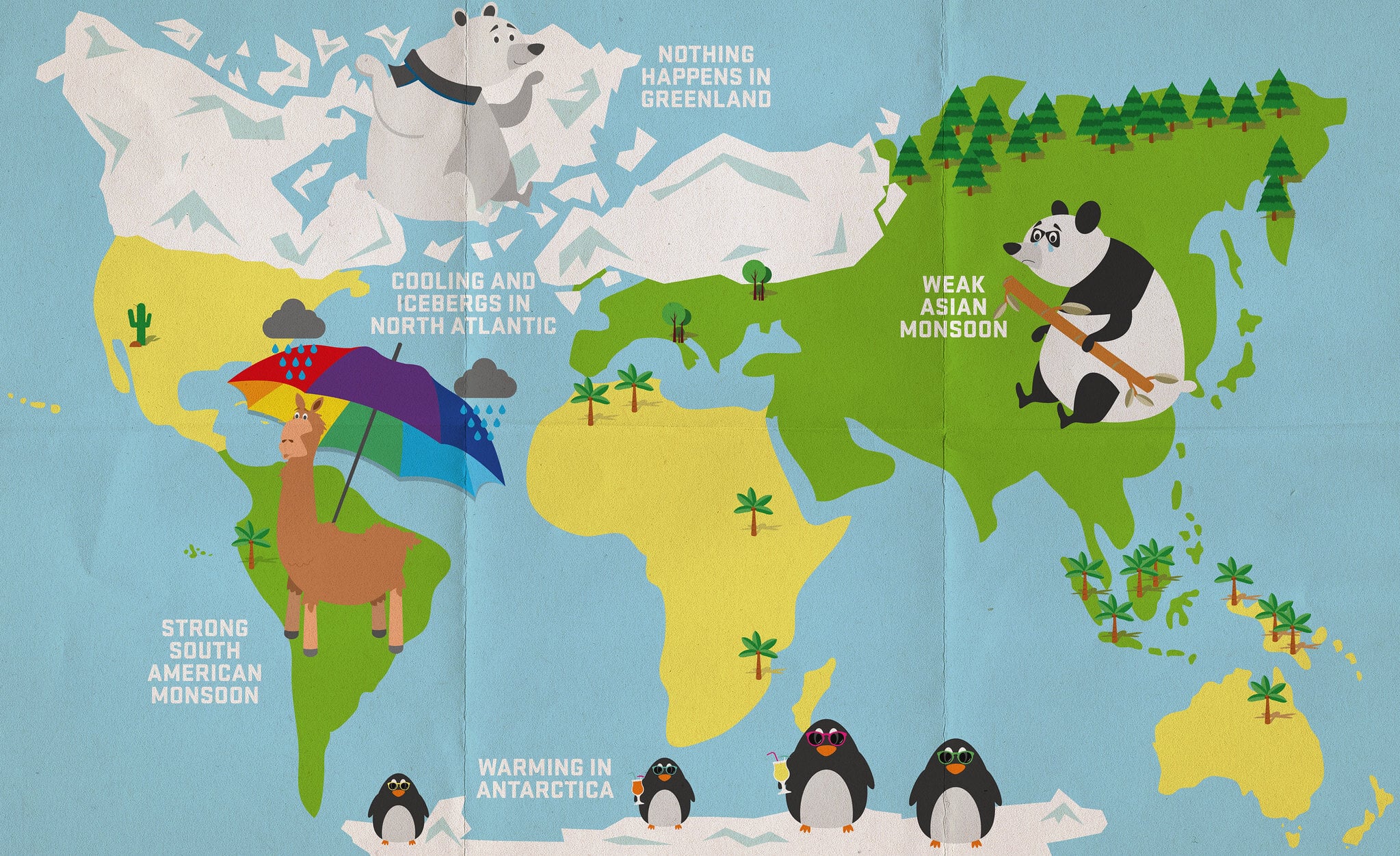
Heinrich Events, massive iceberg discharges during the last ice age, had no impact on nearby Greenland, according to a new study from Oregon State University researchers. Instead, these events caused rapid warming in Antarctica, at the other end of the globe. The finding challenges the current understanding of global climate dynamics during these massive events and raises new questions for researchers. The ultimate goal is to better understand how the climate system is connected and how the components all interact.