
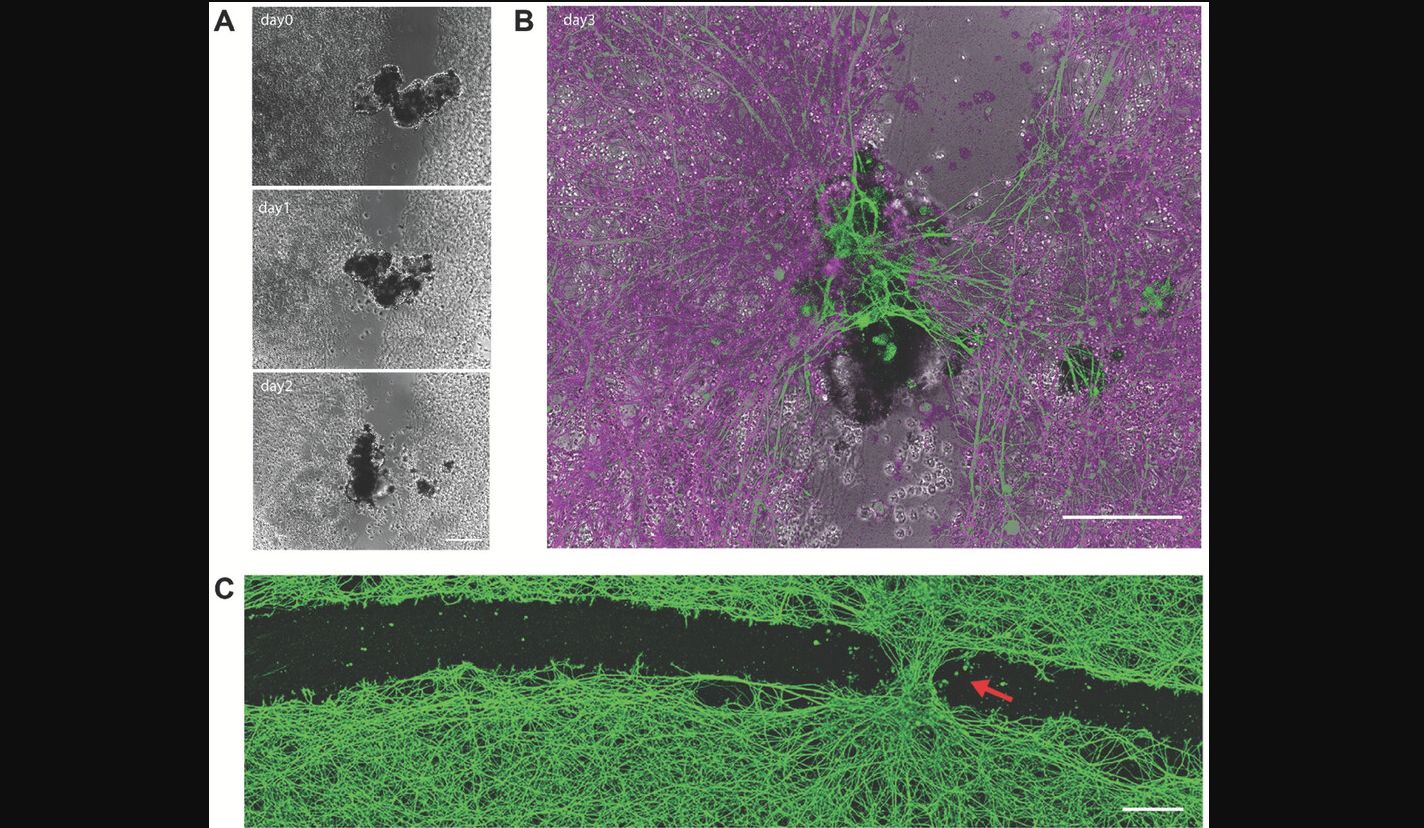
Scientists have discovered that adult human epithelial cells recovered from the trachea, when cultured in a specific environment, can form motile spheroids called anthrobots. These anthrobots have the ability to move using outward-facing cilia and can be used to bridge gaps in damaged neural tissue, promoting neural regeneration. This research offers exciting possibilities for repairing neural damage and assembling biological robots from our own cells.
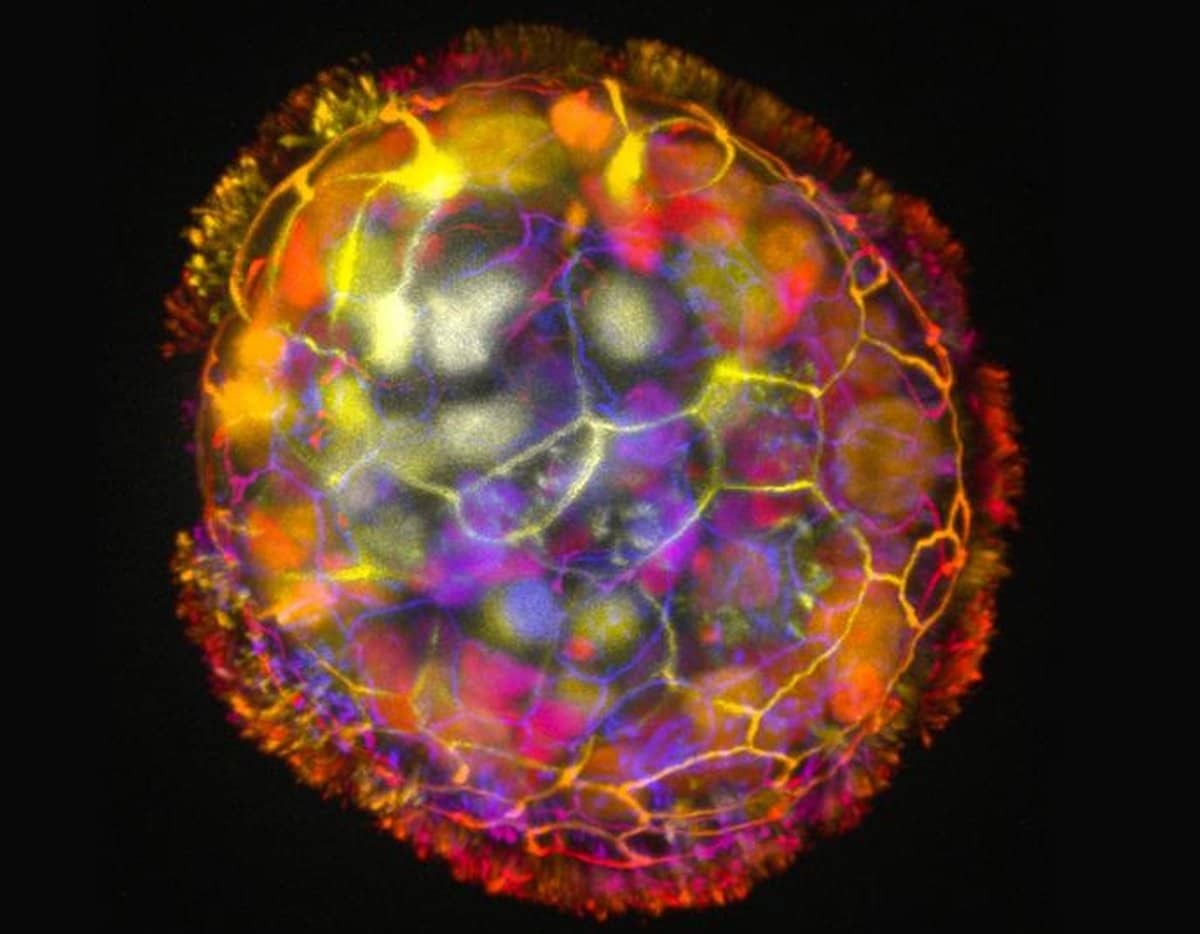
Researchers at Tufts University and Harvard University's Wyss Institute have developed microscopic biological robots called Anthrobots, made from human tracheal cells, that can move across surfaces and promote the growth of neurons in damaged areas. These self-assembling multicellular robots, ranging in size from a hair-width to the point of a sharpened pencil, have shown remarkable healing effects in lab conditions. Unlike previous Xenobot research, Anthrobots can be created from adult human cells without genetic modification, making them a potential patient-specific therapeutic tool in regenerative medicine. The researchers envision using Anthrobots for treating various diseases and injuries.