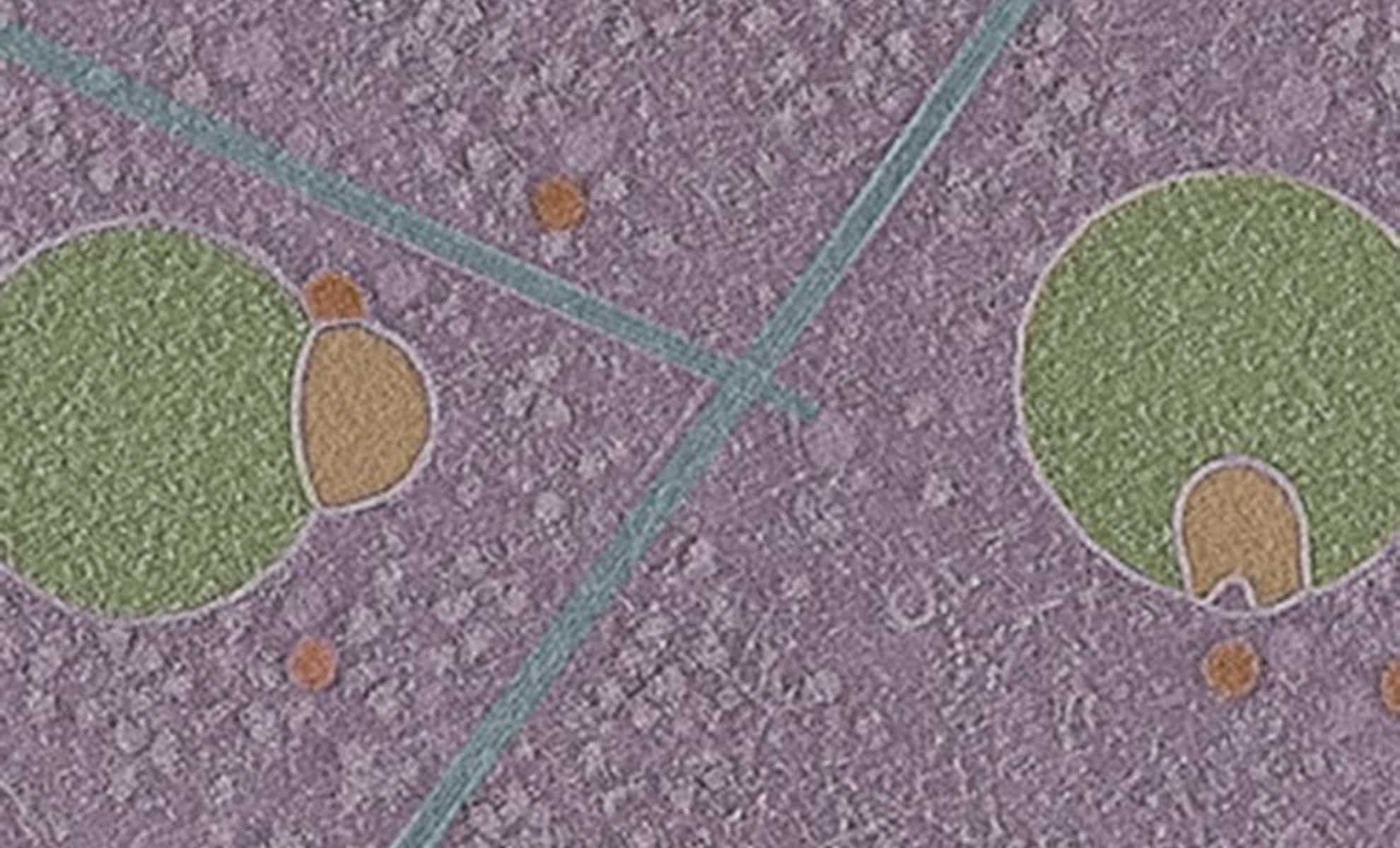
Scientists have discovered a new organelle called the hemifusome inside human cells, which acts as a cellular recycling center involved in cargo processing and vesicle formation. Using advanced cryo-electron tomography, researchers observed this fleeting structure, opening new avenues for understanding and potentially treating genetic diseases related to cellular cargo management.
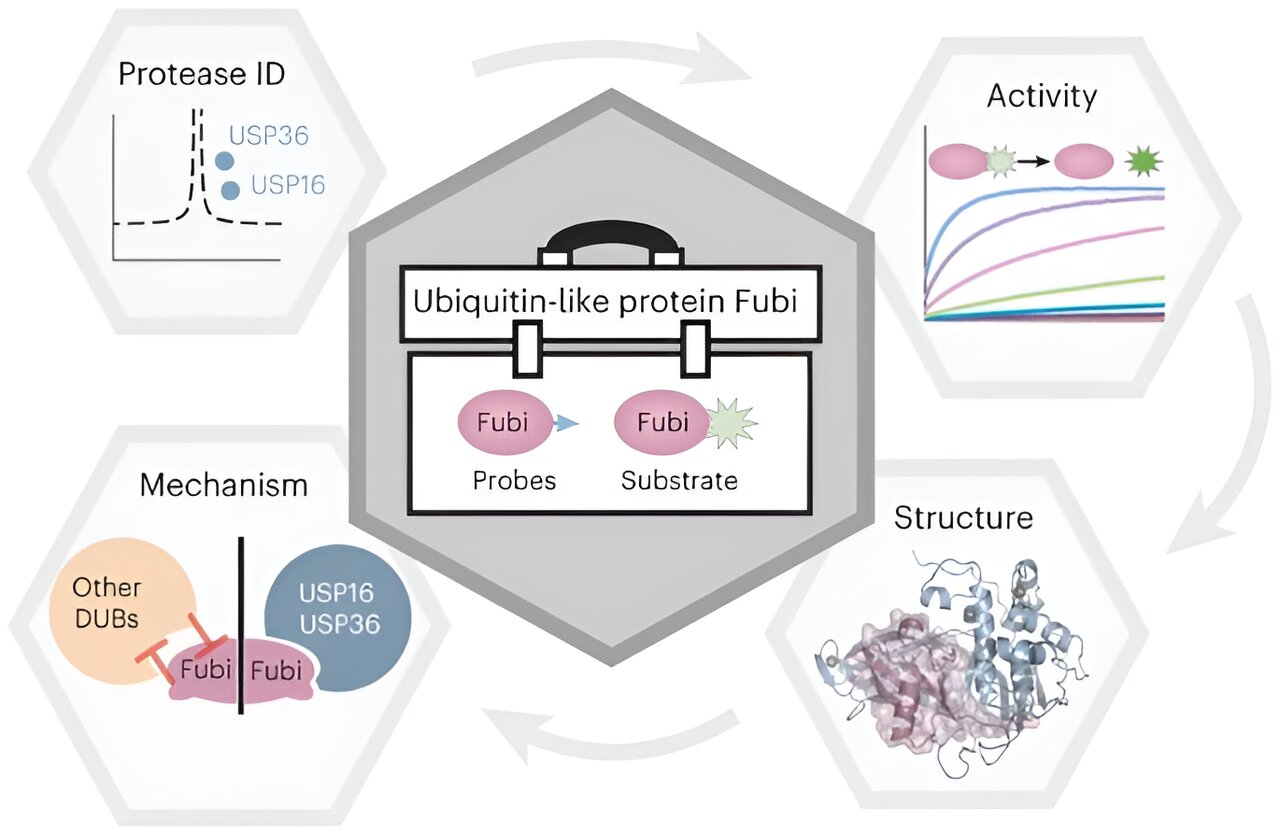
Scientists have discovered that two deubiquitinating enzymes, USP16 and USP36, can also act as proteases for the ubiquitin-like protein Fubi, providing molecular insights into this dual activity. The researchers characterized how these enzymes facilitate the Fubi-controlled maturation of a key protein in the ribosome, the cell's protein factory. This discovery expands our understanding of the mechanisms regulating cellular processes and provides new insights into the role of Fubi in immune signaling. The findings pave the way for better understanding the cellular role of Fubi as a post-translational modification.
Researchers have developed an intelligent model system to understand the complex functioning of ion channels, focusing on the inwardly rectifying potassium channel Kir2. The model allowed scientists to track conductance changes and visualize the gating of individual subunits, offering insights into these essential cellular pathways. The findings have significant implications for the development of treatments for cardiovascular diseases.
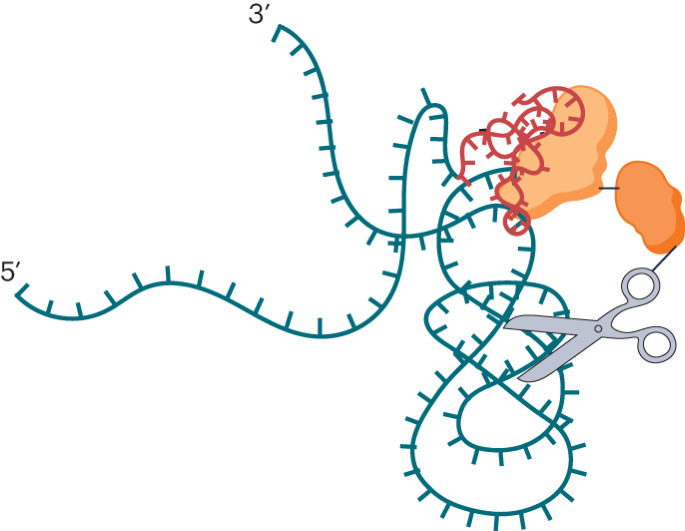
A recent study published in Nature Chemical Biology explores the mechanisms and importance of RNA degradation in cellular processes. The researchers highlight the role of RNA degradation in regulating gene expression and maintaining cellular homeostasis. Understanding the processes involved in RNA degradation could provide insights into genetic regulation and potential therapeutic targets for various diseases.