Tag

Biostasis

All articles tagged with #biostasis

science1 year ago

"Human Cells Enhanced with Tardigrade Proteins Show Potential for Slowing Aging and Surviving Outer Space"

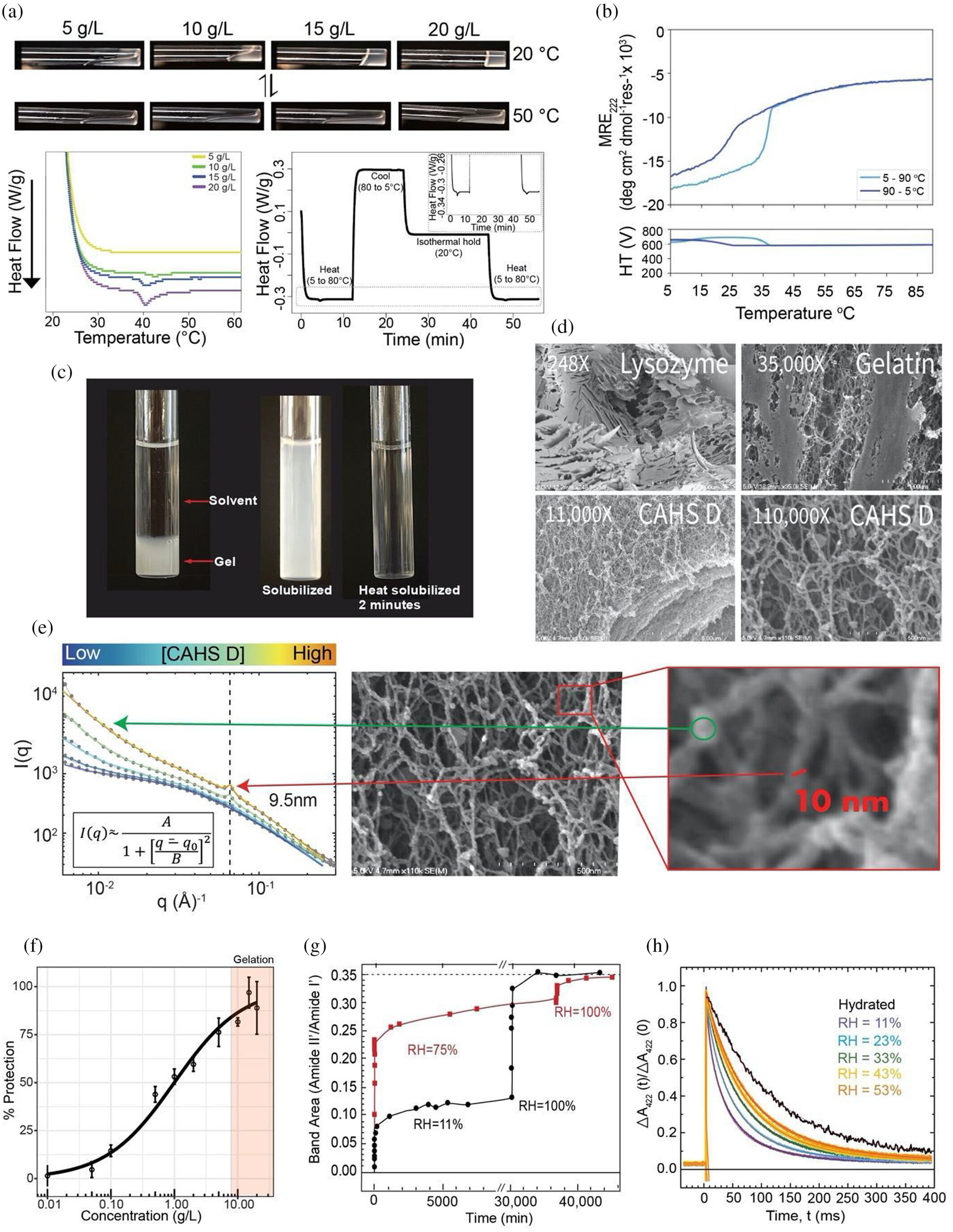
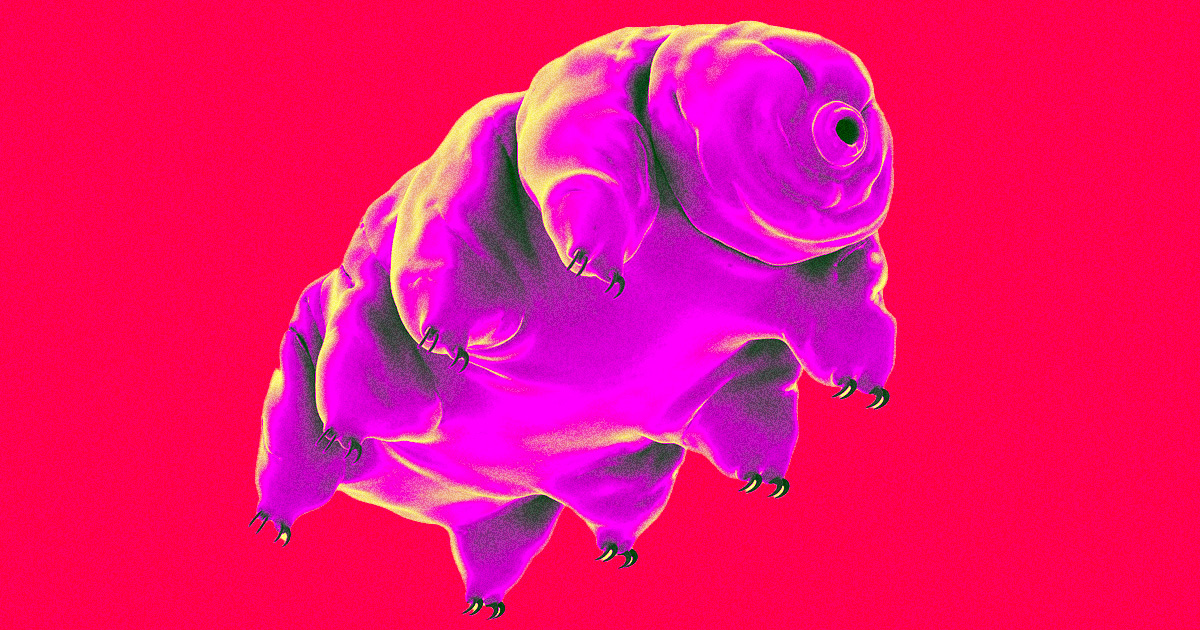
Scientists have discovered that proteins from the almost-microscopic creature known as the tardigrade, which can survive the harsh conditions of outer space, may hold the key to slowing aging in humans. By introducing a tardigrade protein called CAHS D to lab-grown human kidney cells, researchers found that it resulted in a gel-like consistency, mimicking the tardigrade's ability to enter a state of suspended animation known as biostasis. This discovery could potentially lead to insights on how to help humans better withstand stress and harsh conditions, offering a pathway to survival in challenging environments.
science-and-technology1 year ago

"Tardigrade Proteins: A Breakthrough in Slowing Human Aging and Metabolism"

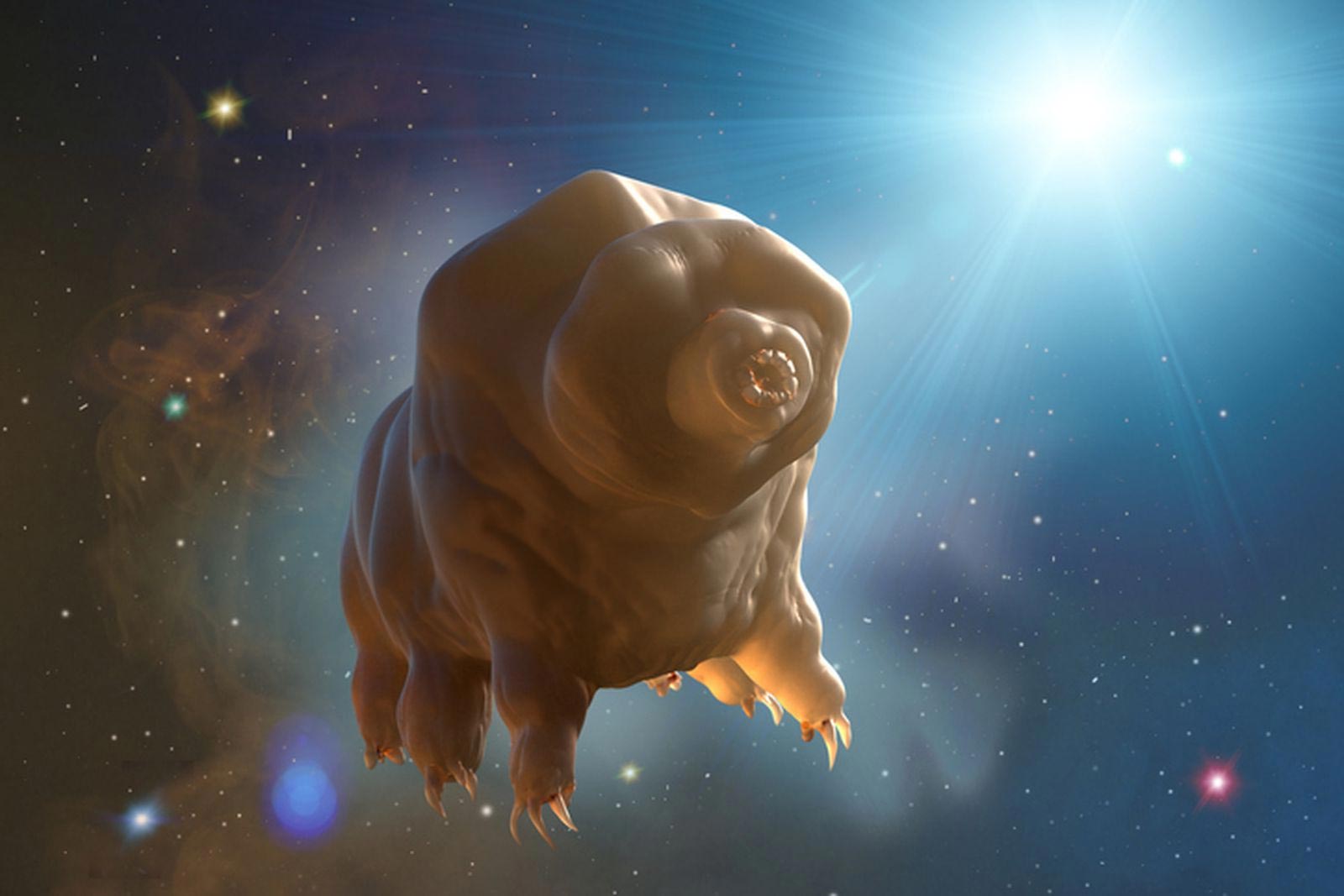
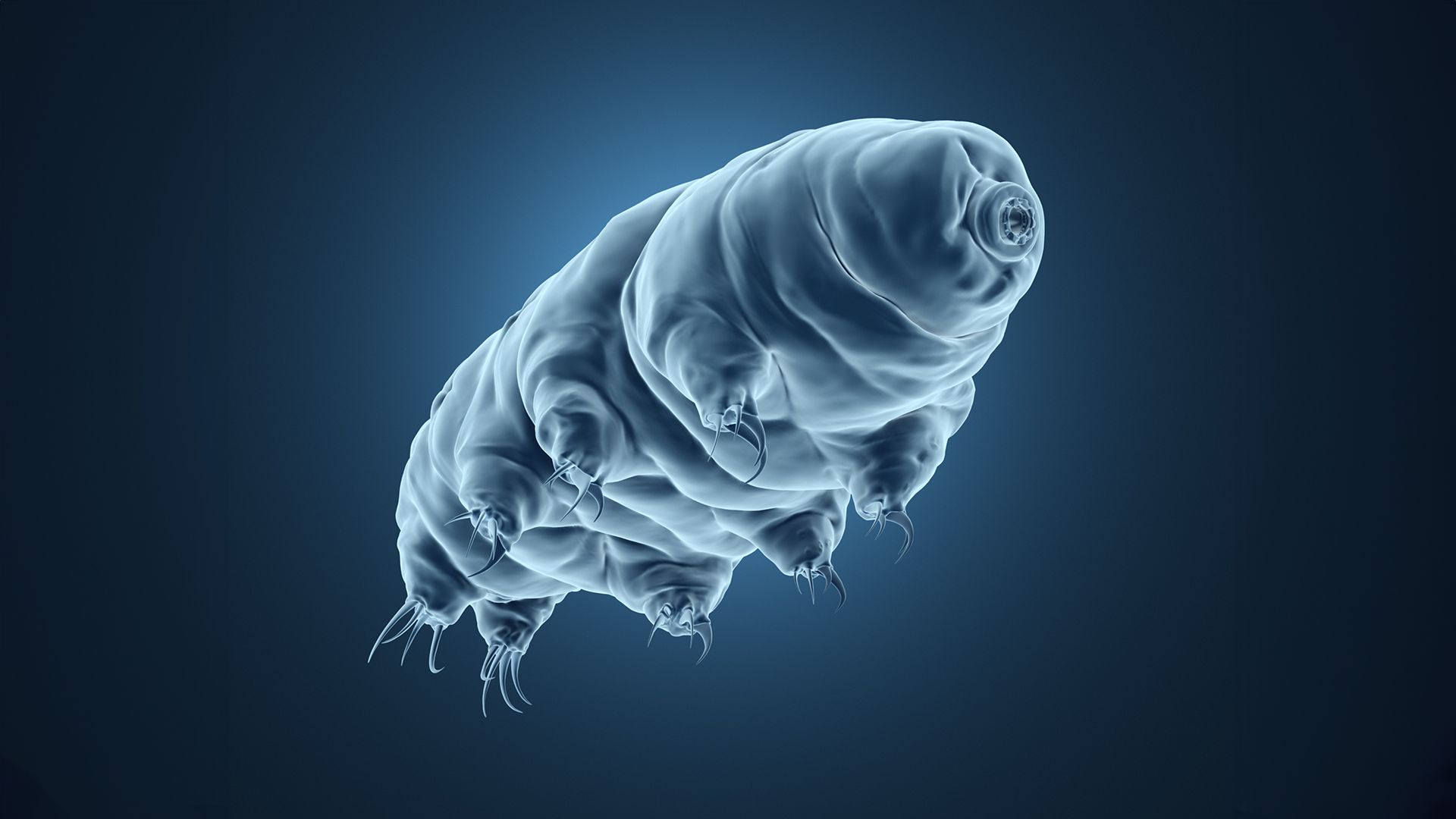
Proteins from tardigrades, known for surviving extreme conditions, have been found to slow molecular processes in human cells, offering potential applications in aging research and cell storage. This discovery could lead to the development of new technologies to improve human health, treat diseases, and enhance the storage of cell-based therapies. The research, led by the University of Wyoming, sheds light on the mechanisms used by tardigrades to survive extreme conditions and demonstrates the potential of tardigrade proteins in inducing biostasis in human cells. The study, published in Protein Science, provides insights into how these proteins could be used to slow aging and stabilize cell-based therapies without the need for refrigeration.

science1 year ago

"Tardigrade Proteins Slow Human Aging and Metabolism, Study Finds"

Scientists have discovered that proteins found in tardigrades, also known as water bears, can slow down metabolism in human cells, potentially offering a key ingredient in slowing the aging process. The study, published in the journal Protein Science, found that these proteins can induce a state of suspended animation, known as biostasis, in human cells, making them more resistant to stresses. This finding could lead to the development of technologies to slow aging, enhance storage of cell-based therapies, and provide lifesaving treatments in areas without refrigeration.

science-and-technology1 year ago

"Introducing Tardigrade Proteins: Slowing Human Cell Metabolism"

Scientists from the University of Wyoming have discovered that expressing key tardigrade proteins in human cells can slow metabolism, providing insights into how these resilient organisms survive extreme conditions. The study focused on a protein called CAHS D, which transforms into a gel-like state under stress, protecting molecules and preventing drying. Introducing these proteins into human cells can induce biostasis, making the cells more resistant to stresses and potentially offering avenues for slowing aging and enhancing cell storage. Further research is underway to harness these abilities for applications such as organ transplants and stabilizing blood products.

science1 year ago

"Tardigrade Proteins Slow Human Cell Metabolism: Potential Anti-Aging Elixir?"

Scientists studying tardigrades have discovered that the proteins responsible for the creatures' ability to enter a state of suspended animation, called biostasis, could potentially be used to slow down human aging. By introducing tardigrade proteins to human cells in a lab, researchers found that the cells slowed down and entered a hibernation-like state, similar to the tardigrades. This discovery could lead to the development of technologies aimed at inducing biostasis in cells and organisms to slow aging and enhance storage and stability. Additionally, it could expand access to lifesaving drugs by allowing for the shipment of temperature-sensitive medicines without refrigeration.

science1 year ago

"Introducing Tardigrade Proteins Slows Human Cell Metabolism, Researchers Find"

University of Wyoming researchers have discovered that proteins from tardigrades, also known as water bears, can slow down molecular processes in human cells, potentially leading to advancements in technologies aimed at slowing the aging process and enhancing the storage of human cells. The study, published in the journal Protein Science, sheds light on the mechanisms used by tardigrades to enter and exit suspended animation when faced with environmental stress, offering potential applications in life-saving treatments and cell-based therapies. The research also demonstrates that the process is reversible, providing an avenue for pursuing technologies centered on inducing biostasis in cells and organisms to slow aging and improve stability.