
"12,000-Year-Old Well-Preserved Human Brains Challenge Soft Tissue Decay Assumptions"
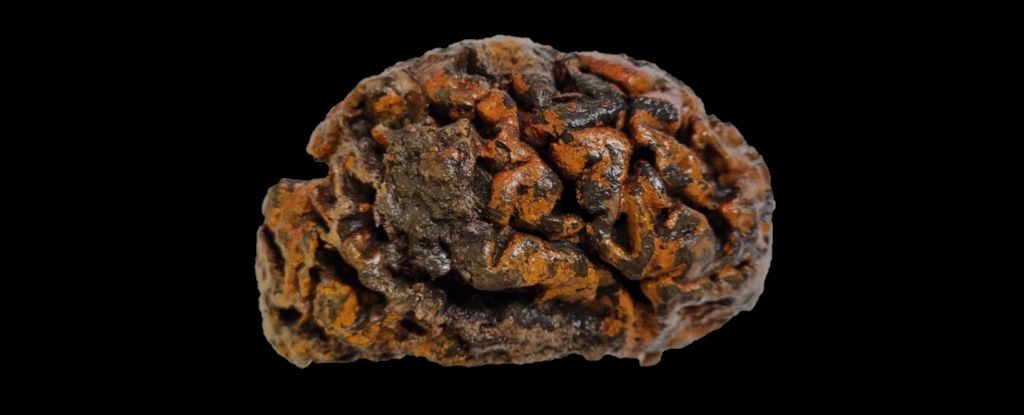
A new study led by scientists from the University of Oxford has identified over 4,400 preserved human brains dating back as far as 12,000 years ago, challenging the assumption that the human brain is among the first organs to decay after death. The brains were found in various environments and were the only soft tissue structure that survived in otherwise completely skeletonized remains. The researchers believe there may be a specific soft tissue preservation mechanism for the central nervous system, possibly involving an interaction between brain molecules and the environment. This discovery represents an archive that could provide new insights into ancient cognition, major neurological disorders, and the evolution of nervous tissues and their functions.
- 12000-Year-Old Preserved Human Brains Defy Soft Tissue Decay Assumptions ScienceAlert
- Human brains have been mysteriously preserved for thousands of years New Scientist
- New archive of ancient human brains challenges misconceptions of soft tissue preservation Phys.org
- Human brains found at archaeological sites are surprisingly well-preserved Science News Magazine
- Preserved Human Brains From 12,000 Years Ago Among Thousands in New Archive Newsweek
Reading Insights
0
0
4 min
vs 5 min read
86%
851 → 115 words
Want the full story? Read the original article
Read on ScienceAlert