Tag

Alcoholconsumption

All articles tagged with #alcoholconsumption

Beware of 'Holiday Heart': The Festive Drinking Risk to Your Heart
health1 year ago

Beware of 'Holiday Heart': The Festive Drinking Risk to Your Heart

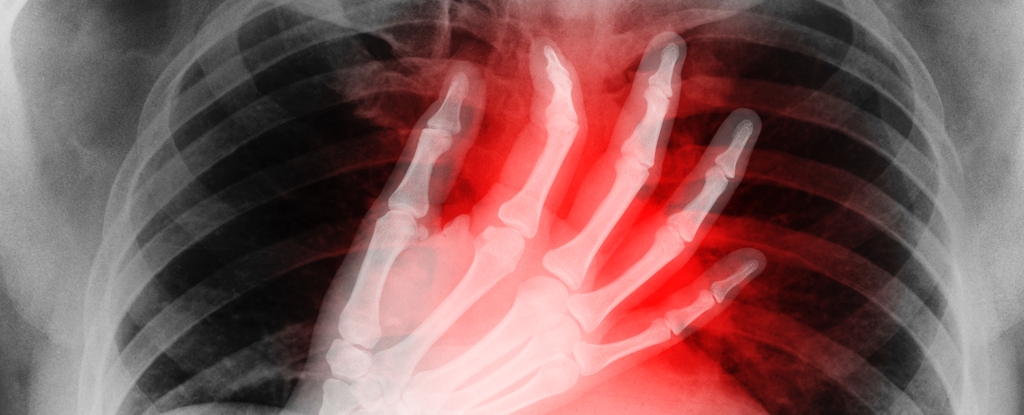
"Holiday heart" is a condition characterized by an irregular heartbeat triggered by excessive alcohol consumption, often seen during festive seasons. Known medically as alcohol-induced atrial arrhythmia, it can cause symptoms like heart flutters, dizziness, and shortness of breath. While most recover with early treatment and reduced alcohol intake, untreated cases can lead to atrial fibrillation, increasing the risk of stroke and heart attack. Prevention includes moderating alcohol intake, staying hydrated, and maintaining a healthy lifestyle.


Weight Loss Drugs Like Ozempic May Curb Alcohol Consumption
health1 year ago

Weight Loss Drugs Like Ozempic May Curb Alcohol Consumption

A study published in JAMA Network Open suggests that weight-loss drugs like Wegovy and Mounjaro, which are GLP-1 medications, may help reduce alcohol consumption. The study surveyed around 14,000 WeightWatchers members, with 45% of those who drank alcohol reporting reduced consumption after starting these medications. This aligns with previous findings that GLP-1 drugs, such as Ozempic, could aid in curbing addictions. While the study indicates a potential link, further research is needed to establish a causal relationship between GLP-1 drugs and reduced addictive behaviors.

Finger Lengths Linked to Prenatal Predisposition for Alcohol Preference
health1 year ago

Finger Lengths Linked to Prenatal Predisposition for Alcohol Preference

A study suggests that the relative lengths of the 2nd (index) and 4th (ring) fingers, indicative of prenatal testosterone exposure, may be linked to alcohol consumption patterns, with a stronger correlation observed in men. This research, conducted by Swansea University, highlights how prenatal hormone exposure could influence drinking behaviors, potentially aiding in understanding and addressing alcohol-related issues.

Unveiling the Impact of Beer on Diet Quality
health1 year ago

Unveiling the Impact of Beer on Diet Quality

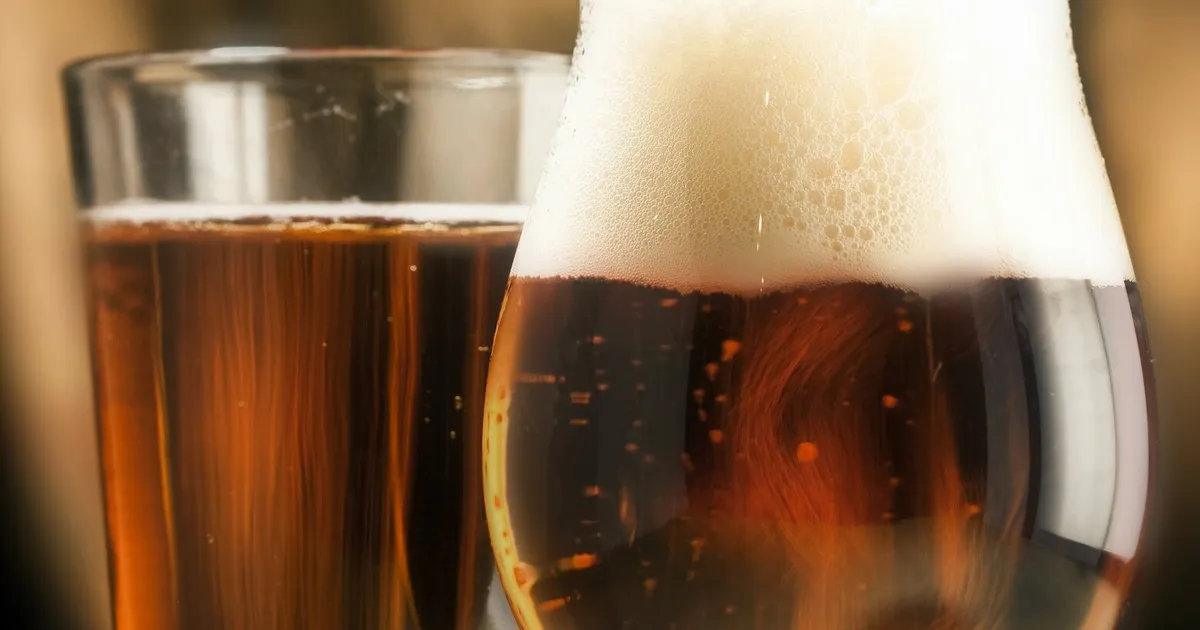
A recent study suggests beer drinkers have lower diet quality and are less active compared to wine or liquor drinkers, but the findings are based on limited data and may not establish cause and effect. The study, using NHANES data, found beer drinkers scored lower on the Healthy Eating Index, but the overall diet quality of all groups was below recommended levels. The study highlights demographic differences among drinkers and suggests lifestyle recommendations, but these may not address underlying socioeconomic factors affecting nutrition.

Healthy Habits, Unexpected Diagnosis: A Colon Cancer Journey
health1 year ago

Healthy Habits, Unexpected Diagnosis: A Colon Cancer Journey

Desta, a prominent New York City nightlife figure, was diagnosed with stage 3 colon cancer despite maintaining a seemingly healthy lifestyle focused on fasting, juice cleanses, and exercise. He suspects his late-night meals and alcohol consumption may have contributed to his condition. Research supports that eating late and alcohol can increase cancer risk. Desta's story highlights the importance of early cancer detection and lifestyle awareness, as colon cancer rates rise among younger populations. He is currently undergoing chemotherapy, with community support aiding his treatment.

The Age to Quit Beer for Better Brain Health Revealed
health1 year ago

The Age to Quit Beer for Better Brain Health Revealed

Dr. Richard Restak, a neurologist, advises reducing alcohol consumption starting in the early 60s and stopping by age 70 to protect cognitive health and reduce dementia risk. Alcohol, a neurotoxin, can accelerate neuron loss in older adults, impairing memory and increasing fall risk. His recommendations align with data suggesting that heavy drinking in older age can lead to cognitive decline and physical injuries.

"The Surprising Impact of Alcohol on Sleep Patterns"
health-and-wellness2 years ago

"The Surprising Impact of Alcohol on Sleep Patterns"

Research indicates that abstaining from alcohol can lead to improved sleep quality, as even a small amount of alcohol in the evening can disrupt sleep patterns and prevent restorative sleep. A study from a Dry January challenge showed that 56% of participants reported better sleep without alcohol. However, experts advise that regular drinkers should reduce alcohol intake gradually to avoid withdrawal symptoms like insomnia.

"Study Links Any Alcohol Consumption to Higher Cancer Risk, Advocates Abstinence"
health2 years ago

"Study Links Any Alcohol Consumption to Higher Cancer Risk, Advocates Abstinence"

A study published in the New England Journal of Medicine indicates that even one alcoholic drink per week can increase the risk of several types of cancer, including those not related to the liver. Dr. Mike Cusnir of Mount Sinai Hospital in Miami Beach highlights that complete abstinence from alcohol can revert the risk back to baseline levels for non-drinkers. The study identifies seven cancers directly linked to alcohol consumption and suggests that stopping alcohol intake can significantly reduce the risk of oral cancer after five to nine years. This challenges the previous notion that moderate alcohol consumption could be beneficial for heart health.

"Understanding the Escalating Risks and Underreported Crisis of Alcohol Consumption with Age"
health-and-wellness2 years ago

"Understanding the Escalating Risks and Underreported Crisis of Alcohol Consumption with Age"

As people age, their ability to metabolize alcohol diminishes due to the loss of the enzyme alcohol dehydrogenase, particularly after the age of 60. Dr. Elizabeth Landsverk explains that while younger individuals may not feel the adverse effects of moderate drinking, older adults face increased health risks, including cancer and cognitive decline. Moderate drinking is defined differently across age groups, and while one or two drinks a day may be fine for younger adults, those in their 50s and beyond should consider reducing their intake to maintain health. Despite the risks, complete abstinence is not necessary for older adults in good health, but moderation and awareness of individual health conditions are key.

"The Aging Toll: Understanding Alcohol's Escalating Harm and Underrecognized Crisis"
health-and-wellness2 years ago

"The Aging Toll: Understanding Alcohol's Escalating Harm and Underrecognized Crisis"

As people age, their ability to metabolize alcohol diminishes due to a loss of the enzyme alcohol dehydrogenase, particularly after the age of 60. Dr. Elizabeth Landsverk explains that while younger individuals may not feel the adverse effects of moderate drinking, older adults face increased health risks, including cancer and cognitive decline. Moderate drinking is defined differently across age groups, and while one or two drinks a day may be fine for younger adults, those in their 50s and beyond should consider reducing their intake to maintain health. Despite the risks, complete abstinence is not necessary for older adults in good health, but moderation and awareness of individual health conditions are crucial.

"The Aging Toll: Understanding Alcohol's Growing Risks and Untreated Crisis"
health-and-wellness2 years ago

"The Aging Toll: Understanding Alcohol's Growing Risks and Untreated Crisis"

Dr. Elizabeth Landsverk explains that the impact of alcohol on the body varies with age, with younger individuals having more resilience. Moderate drinking may not pose significant health risks in the 20s and 30s, but as one enters their 40s, the risks associated with conditions like obesity, diabetes, and hypertension increase. In the 50s and 60s, even moderate alcohol consumption can lead to serious health issues, including an increased risk of various cancers and a noticeable decrease in alcohol tolerance due to a loss of metabolizing enzymes. Landsverk advises treating alcoholic drinks like candy bars—enjoyable occasionally but potentially harmful in excess over time. She suggests that older individuals in good health need not abstain completely but should consume alcohol sparingly.

"Study Highlights: Lowering Alcohol Intake May Significantly Decrease Cancer Risk"
health2 years ago

"Study Highlights: Lowering Alcohol Intake May Significantly Decrease Cancer Risk"

A report in The New England Journal of Medicine suggests that giving up or reducing alcohol consumption can significantly lower the risk of oral and esophageal cancer. The International Agency for Research on Cancer (IARC) reviewed multiple studies and found that abstaining from alcohol for extended periods could reduce oral cancer risk by up to 55% and esophageal cancer risk by up to 65%. The body metabolizes alcohol into acetaldehyde, a known carcinogen, and alcohol also has genotoxic effects, damaging DNA and potentially leading to cancer. While the evidence for other types of cancer is limited, the report emphasizes that there is no safe amount of alcohol when it comes to cancer prevention, and all types of alcoholic beverages are linked to an increased risk of cancer. Health guidelines recommend limiting alcohol intake to reduce cancer risk.

"5 Expert Tips to Beat the New Year's Hangover, Backed by Science"
health-and-wellness2 years ago

"5 Expert Tips to Beat the New Year's Hangover, Backed by Science"

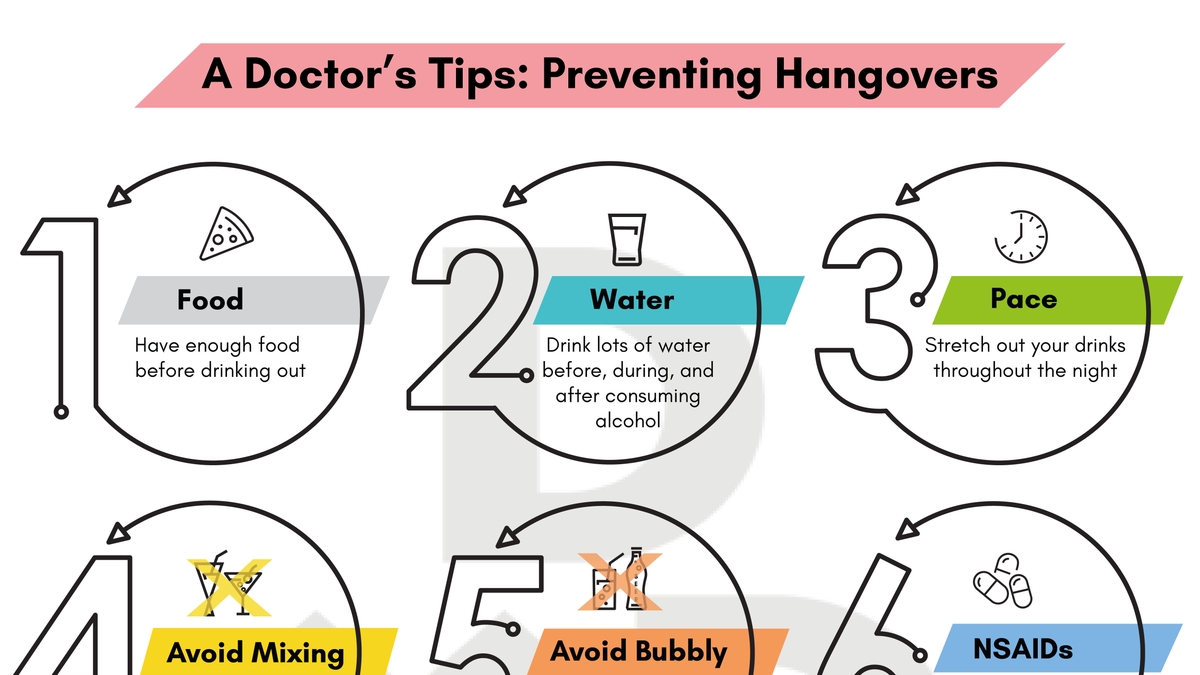
Dr. Federica Amati offers advice on preventing hangovers through dietary strategies, such as eating high-fat and fiber-rich foods before drinking, and choosing drinks wisely, like red wine and traditionally made cider in moderation. Alternating alcoholic beverages with water or kombucha, and incorporating asparagus and polyphenol-rich foods can also help. Additionally, alcohol alternatives like Sentia and supplements like Myrkl are emerging, though more research is needed. Post-drinking care includes avoiding high-fat and sugary foods and opting for liver-friendly options like eggs and vegetables.

"American Beer Consumption Hits Generational Low"
business-and-economy2 years ago

"American Beer Consumption Hits Generational Low"

Beer consumption in the U.S. has dropped to its lowest level in decades, with traditional brands like Bud Light experiencing a decline as consumers shift towards other alcoholic options or abstain altogether. Despite the volume decrease, beer companies have maintained financial stability through higher prices and a pivot towards more expensive brands. The market is also facing challenges from a variety of new alcoholic products and a saturation of choices that may overwhelm consumers.

"Fatty Liver Disease: A Risk for Slim Individuals Too"
health2 years ago

"Fatty Liver Disease: A Risk for Slim Individuals Too"

Slim people can also be at risk of fatty liver disease due to alcohol consumption, lack of muscle mass, genetic predisposition, or metabolic disorders. Fatty liver disease is the deposition of fat in the liver due to obesity or abnormal visceral fat. Those who are genetically predisposed to fatty liver can have it even with a normal BMI and are more likely to progress to liver cirrhosis and other liver-related complications. It is important to investigate the cause of fatty liver in slim people to prevent liver-related complications.