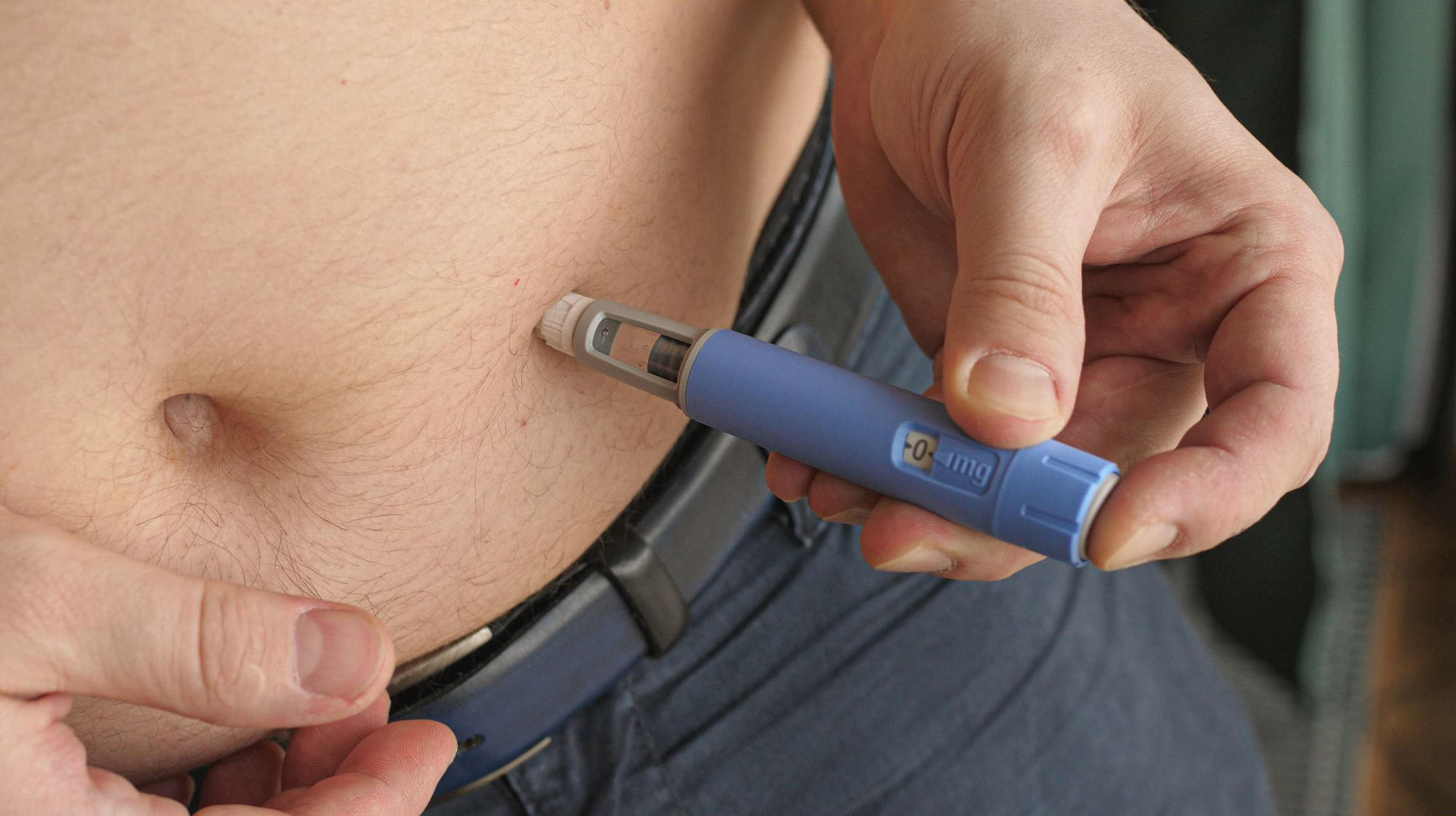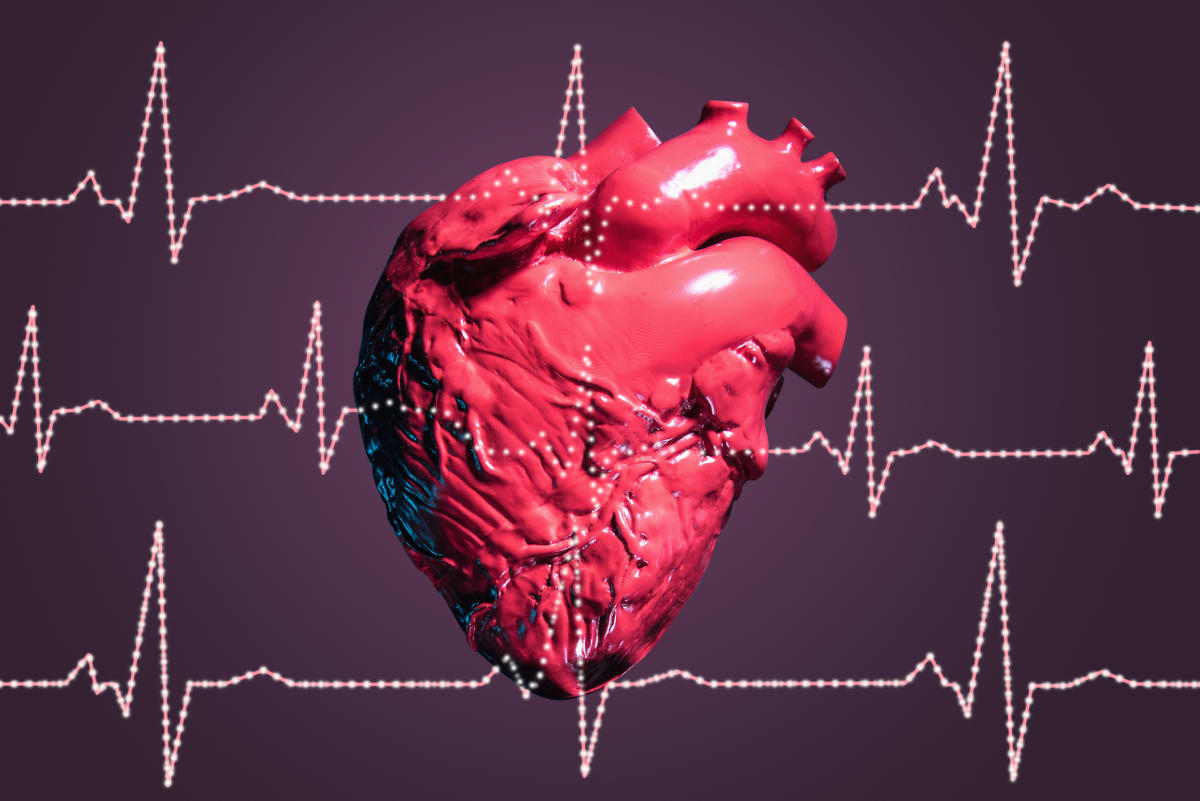
Recent studies published in the Journal of the American College of Cardiology reveal that anti-obesity drugs like tirzepatide and semaglutide offer significant cardiovascular benefits beyond weight loss. These medications improve cardiac structure and function in heart failure patients and enhance outcomes for those who have undergone cardiac bypass surgery. Additionally, lifestyle interventions for weight loss in Type 2 diabetes patients can alter cardiac biomarkers, potentially reducing the risk of cardiovascular disease and heart failure.
TikTok doctor Dr. Joe Whittington advises washing your toothbrush bristles with soap and water every night to reduce bacteria and viral growth, which can impact overall health and cardiovascular health. Good oral hygiene, including brushing teeth twice daily for two minutes with fluoride toothpaste and flossing, is crucial. Electric toothbrushes are recommended for their effectiveness and built-in timers. Additionally, Whittington suggests soaking the toothbrush in hydrogen peroxide or antibacterial mouthwash weekly and replacing it after 12 to 24 hours if you have strep throat.
Health experts recommend incorporating plant-based foods into the daily diet to improve heart health and reduce the risk of strokes and cardiac attacks during winter. Foods such as leafy greens, berries, oats, nuts and seeds, avocado, legumes, whole grains, and garlic are rich in fiber, nutrients, and antioxidants that can help lower cholesterol levels and support cardiovascular health. These unprocessed plant-based foods also boost overall immunity and are beneficial for maintaining a healthy heart during the winter season.
A study by the University of Washington has found that exposure to unfiltered air during rush hour traffic can significantly increase blood pressure, with effects lasting up to 24 hours, similar to the impact of a high-sodium diet. The research highlights the cardiovascular risks associated with traffic-related air pollution, particularly ultrafine particles, which are a major concern for public health experts. The study, which isolated the effects of air pollution from other factors like stress and noise, suggests that even low levels of pollution can have a substantial impact on blood pressure, pointing to the need for further research on the health implications of ultrafine particles.
A three-move walking workout has been designed to strengthen and sculpt the abs, glutes, and legs without the need for a treadmill or extensive gym equipment. The routine includes an incline walk, power walk, and farmer's walk, which can be performed in a 24-minute EMOM (Every Minute On the Minute) format for six rounds. This workout is adaptable for all fitness levels and can be enhanced with weights like dumbbells or kettlebells. Walking offers numerous benefits such as calorie burning, muscle building, and improved mental well-being, and can be an effective alternative to traditional gym workouts.
A study published in the British Journal of Sports Medicine reveals that walking at a brisk pace can significantly lower the risk of type 2 diabetes compared to walking at a casual pace. Brisk walking (3-4 mph) is associated with a 24% lower risk, while striding (over 4 mph) is linked to a 39% lower risk. Additionally, walking for 15 minutes a day can boost immunity and reduce cravings, and 7,000 daily steps can cut the risk of cardiovascular disease by more than half. Walking after meals is particularly beneficial for heart health and blood glucose regulation.
Scientists have discovered that individuals with type A blood have a 16% higher risk of experiencing a stroke before age 60 compared to those with other blood types. Conversely, those with type O blood have a 12% lower risk. The study, which analyzed data from 48 genetic studies involving over 17,000 stroke patients and 600,000 controls, found that the increased risk is associated with genetic variations in the A1 blood type subgroup. However, the risk of stroke associated with blood type becomes insignificant in those who have a stroke after age 60, indicating different mechanisms may be at play in early versus late-onset strokes. The research, published in the journal Neurology, suggests that blood type may influence stroke risk through factors related to blood clotting.
Cardiologists recommend four key New Year's resolutions to improve heart health: committing to regular exercise, knowing important health numbers (like blood pressure and cholesterol), focusing on nutrition by eating a heart-healthy diet, and prioritizing sleep to reduce the risk of cardiovascular disease. These lifestyle changes can help manage risk factors such as high cholesterol, diabetes, and high blood pressure, which are linked to heart attacks and strokes. The American Heart Association suggests 150 to 300 minutes of moderate exercise or 75 to 150 minutes of vigorous exercise weekly, alongside a nutritious diet and adequate sleep.
When comparing uphill walking to running, both exercises offer unique benefits for cardiovascular health and calorie burning, but running generally burns more calories due to its higher intensity. Uphill walking is a lower-impact alternative that is easier on the joints and engages the lower body muscles, making it suitable for those recovering from injuries or seeking a gentler workout. The choice between the two should be based on individual fitness levels, goals, and preferences, with the possibility of combining both for a varied and effective fitness regimen.
Swimming is a multifaceted exercise that can contribute to increased longevity by supporting cardiovascular health, building strong and healthy lungs, strengthening muscles while being gentle on joints, helping maintain ideal weight, and supporting cognitive and mental health. Regular swimming can lower the risk of heart disease, improve respiratory function, reduce the impact on joints, manage weight, and enhance brain health, potentially reducing the risk of Alzheimer's and dementia. Additionally, swimming can alleviate stress, combat loneliness through social interaction, and promote overall well-being, which are all factors that can contribute to a longer life.
A study suggests that eating breakfast and dinner earlier can reduce the risk of heart disease and stroke, with breakfast at 8am linked to a lower risk compared to 9am, and eating before 8pm associated with a reduced risk of cerebrovascular disease, especially in women. Longer periods of nighttime fasting also correlate with a decreased risk of stroke. The research, which used data from over 103,000 French individuals, highlights the potential role of meal timing in cardiovascular disease prevention and supports the emerging field of chrononutrition. The findings were published in Nature Communications.
A report from the American Diabetes Association has highlighted heart failure as a significant complication of diabetes, affecting up to 22% of diabetic individuals. Both Type 1 and Type 2 diabetes patients have a fourfold increased risk of heart failure compared to the general population. The condition, which impairs the heart muscle's ability to pump blood, can lead to a range of symptoms and potentially fatal outcomes. Elevated blood glucose and insulin levels, among other factors, contribute to the risk. Early detection through biomarkers and appropriate medication, including SGLT-2 inhibitors, can improve outcomes. Lifestyle changes and managing risk factors are also crucial in preventing and treating heart failure in people with diabetes.