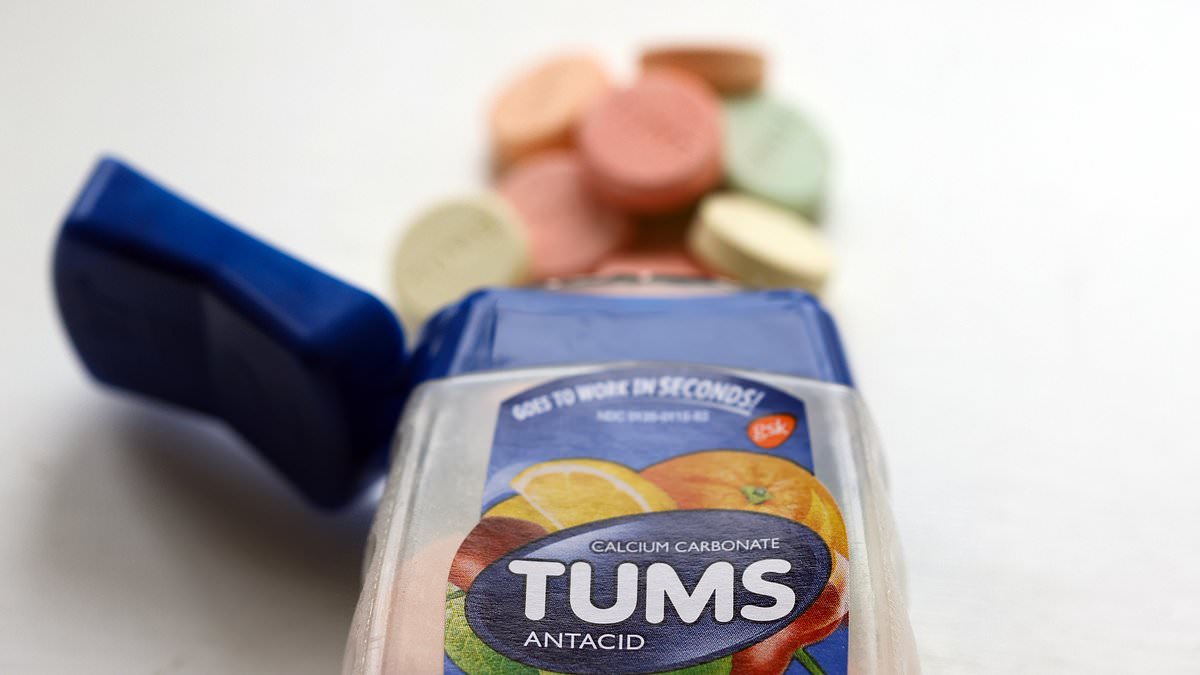
A retired grandfather's persistent heartburn was a warning sign of a rare condition called mesenteric ischemia, which was successfully treated with minimally invasive surgery, allowing him to recover and return to normal life.
A woman misattributed her worsening heartburn to diet and weight-loss injections, but it was diagnosed as an aggressive stomach cancer (signet ring cell adenocarcinoma) after a series of medical examinations, highlighting the importance of seeking medical advice for persistent symptoms.
While heartburn is often harmless, persistent or severe symptoms may indicate serious conditions like Barrett’s oesophagus, which increases cancer risk. New NHS screening programs involve swallowing a capsule to detect abnormal cell growth. Key warning signs include difficulty swallowing, unexplained weight loss, and chest pain, especially if severe or sudden, requiring prompt medical attention. Lifestyle changes and medications can manage mild cases, but ongoing symptoms should be evaluated by a healthcare professional.
A gastroenterologist recommends papaya as the top superfruit for supporting gut health, helping reduce bloating, heartburn, and constipation, and suggests making a smoothie with it for added benefits.
Experts from Bed Kingdom advise avoiding high-fat or spicy foods before bed to prevent indigestion and heartburn, which can disrupt sleep. Caffeinated drinks like tea, coffee, and energy drinks should also be avoided late at night to prevent insomnia. Maintaining a good sleep routine by avoiding these can improve overall sleep quality.
Cancer Research UK has issued a list of 23 common and easily overlooked symptoms that could indicate someone has cancer, including persistent heartburn or indigestion, which can lead to a condition known as Barrett’s oesophagus and increase the risk of oesophageal cancer. Medical experts urge people to be vigilant and listen to their bodies for signs and symptoms of cancer, as early diagnosis and intervention offer the best chance of survival. It's important to be aware of any new or worrying symptoms and speak to a doctor if any unusual changes are noticed, as finding cancer early makes it easier to treat.
Over-the-counter heartburn medications known as proton pump inhibitors (PPIs) may increase the risk of dementia by 33% for those who take them for over four years, according to the Journal of Neurology. Integrative pharmacist Sherry Torkos recommends alternative approaches such as taking digestive enzymes, eating smaller meals, eating slower, and staying upright after meals to alleviate heartburn symptoms. It's important to consult a doctor before starting any new medication, especially during pregnancy.
Pharmacist Angela Dori recommends two over-the-counter remedies, Gaviscon and Reflex gourmet, containing sodium alginate as the most effective for treating heartburn by forming a physical barrier to block stomach acid from traveling up the throat. These products are found to be more effective than other over-the-counter anti-acids and have been backed by research studies.
Heartburn is a symptom of acid reflux, and there are several dietary and lifestyle changes that can help ease it, such as eating smaller meals, chewing food slowly, and avoiding heavy meals close to bedtime. Adding parsnips to heavier meals can increase flavor without increasing fat, while decreasing the likelihood of heartburn.
Overeating, especially of unhealthy foods, can lead to long-term health issues such as weight gain, heart problems, and diabetes. In the short term, overeating causes your stomach to expand and press on other organs, revs up your metabolism, makes your heart work harder, and leaves you feeling tired and sluggish. It can also cause blood sugar spikes and crashes, as well as heartburn and acid reflux. To feel better after overeating, try staying upright, engaging in light activity, drinking water, and using remedies like ginger or peppermint.
Heartburn can cause discomfort and affect one's quality of life, but it is usually not dangerous on its own. However, it can be a sign of more serious medical conditions. To prevent heartburn, experts recommend keeping a food journal, avoiding overeating and lying flat after meals, losing weight if overweight, and quitting smoking. Dietary restrictions, stress reduction, and getting enough sleep are also suggested. Over-the-counter antacids, elevating the head, and light exercises can provide relief. Drinking water, milk, coconut water, or herbal teas can help dilute irritants and flush stomach acid. Alcohol, citrus juices, and soda should be avoided. Understanding the cause of heartburn is important for prevention and treatment.
Heartburn is often confused with acid reflux, but it is actually a symptom of acid reflux. It is characterized by a burning sensation in the chest, throat, or neck, and can be accompanied by other symptoms such as sour taste, pain behind the breastbone, or difficulty swallowing. Heartburn affects millions of Americans, and while it can be managed by avoiding trigger foods, losing weight, and taking over-the-counter remedies like Alka-Seltzer, frequent or severe cases should be evaluated by a healthcare professional.
Alka-Seltzer is a commonly recommended medication for heartburn and acid reflux. It works by decreasing stomach acid and neutralizing it. Each tablet contains aspirin, sodium bicarbonate, and citric acid. Alka-Seltzer is also marketed for relieving other conditions like aches, pains, fever, and inflammation. However, it is not suitable for everyone and can cause severe allergic reactions. Pregnant women and those taking other nonsteroidal anti-inflammatory drugs (NSAIDs) should avoid it. It may provide temporary relief, and if symptoms persist or worsen, medical attention should be sought.
A reader shares their positive experience with Ozempic, a medication approved by the FDA to help people with Type 2 diabetes control their blood sugar and reduce the risk of cardiovascular complications. The medication has also helped the reader lose weight and reduce their insatiable appetite. However, the authors express disappointment that people without diabetes are using Ozempic to lose weight, causing shortages for those who need it to control blood glucose. The authors also discuss the new Alzheimer's drug donanemab and the use of Pepcid to treat heartburn.
Studies suggest that a high-sodium diet may cause acid reflux leading to GERD, but in healthy individuals, it doesn't seem to trigger acid reflux. Salt may be a heartburn trigger for certain people and could be considered a risk factor for GERD. Processed foods, which contain high salt content, may worsen GERD symptoms.