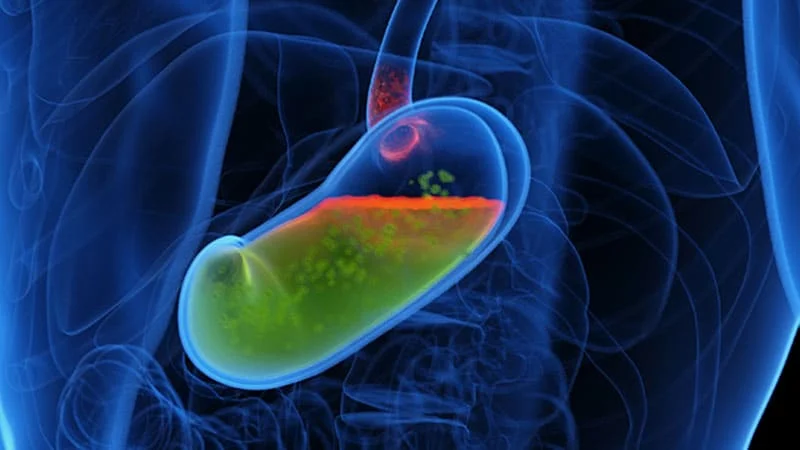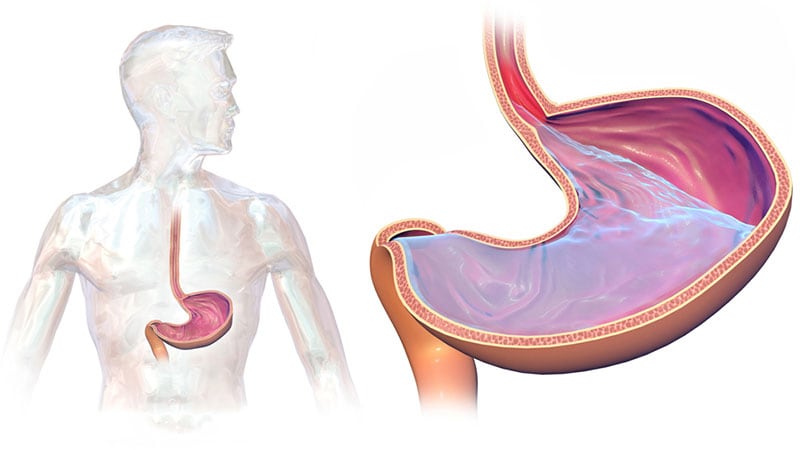
For persistent GERD symptoms, initial evaluation includes symptom assessment and possibly endoscopy, with advanced pH testing (wireless or catheter-based) used to diagnose acid exposure. Treatment options range from lifestyle changes and medications to surgery, with consideration of reflux hypersensitivity or functional heartburn in some cases. Proper diagnosis and management require comprehensive assessment and may involve new metrics like MNBI and PSPW.
Sleeping position significantly impacts health, with left side sleeping reducing acid reflux and benefiting digestion, while side sleeping can also improve heart and lung health. Using wearable devices can help train better sleep positions, and maintaining good sleep habits supports gut microbiome health and reduces risks like peptic ulcers and sleep apnea. Personalizing sleep positions based on individual health conditions is recommended for optimal well-being.
Ethiopia's Grand Ethiopian Renaissance Dam has been inaugurated, causing tensions with Egypt over water rights, while China remains neutral and potentially mediates, amid broader regional investments and diplomatic efforts.
Ethiopia inaugurated Africa's largest hydroelectric dam, the Grand Ethiopian Renaissance Dam, which will generate 5,150 MW of power, boosting national and regional energy access but raising concerns with downstream Egypt over water rights and regional stability.
Ethiopia's Grand Ethiopian Renaissance Dam, Africa's largest hydro-electric project, took 14 years to build and symbolizes national pride, uniting the country amidst regional tensions, with the potential to significantly improve electricity access for millions.
Ethiopia is set to open Africa's largest hydroelectric dam, the GERD, despite warnings from Sudan and Egypt about potential impacts on Nile water supplies, raising regional tensions over water security and cooperation.
Acid reflux, or GERD, can manifest in surprising ways beyond the typical symptoms of heartburn and gas. Gastroenterologists highlight lesser-known signs such as ear pressure, difficulty breathing, tooth and mouth problems, and chest pain. Treating acid reflux can alleviate these side effects, with dietary changes, elevation during sleep, and medications like proton pump inhibitors. However, it's important to consult a doctor if symptoms are frequent, severe, or include specific concerns like chest pain, difficulty swallowing, or weight loss.
Laryngopharyngeal reflux (LPR), also known as silent reflux, is a condition that often goes undiagnosed due to its atypical symptoms. LPR can cause hoarseness, coughing, difficulty swallowing, and other throat-related issues. It is estimated that 10% of people who see a throat specialist have LPR. While LPR shares similarities with gastroesophageal reflux disease (GERD), it requires different treatment approaches. Diagnosis can be challenging, but doctors typically rely on symptoms and laryngoscopies to diagnose LPR. Treatment options include acid-blockers, a low-acid diet, lifestyle changes, and medication. Lifestyle changes such as quitting smoking, limiting alcohol intake, losing weight, and avoiding eating before bedtime can help alleviate symptoms.
A 25-year-old woman in Florida who started burping frequently was diagnosed with stage 3 colon cancer, which had caused a complete bowel obstruction. She underwent emergency surgery to remove the tumor and is currently undergoing chemotherapy. The woman believes the nonstop burping was linked to gastroesophageal reflux disease (GERD), which began a month after noticing the burping. She is now encouraging others to listen to their bodies if something feels off. Colon cancer is the third most common cancer in the world.
Studies suggest that a high-sodium diet may cause acid reflux leading to GERD, but in healthy individuals, it doesn't seem to trigger acid reflux. Salt may be a heartburn trigger for certain people and could be considered a risk factor for GERD. Processed foods, which contain high salt content, may worsen GERD symptoms.
Exercise has a variable impact on the onset of gastroesophageal reflux disease (GERD) symptoms. Vigorous exercise has a detrimental effect on GERD, while regular exercise likely decreases the risk of pathological GERD in the general population. However, the data on complications of GERD are not very robust, mostly because the studies omitted several exercise-related (healthy lifestyle) factors. Overall, evaluating the impact of exercise on GERD is no small feat, and it can be said with relative certainty that exercise contributes to GERD through a proven pathophysiology.
Chest pain is a common symptom that accounts for about 5% of ER presentations in the US, but most of the time, it is not heart-related. Chest pain can be caused by heartburn due to GERD, strain on chest muscles, or emotional stress and anxiety. However, if there is any doubt, it is important to seek medical attention, especially if there are other symptoms like shortness of breath or nausea. Risk factors for a heart attack, such as diabetes or high blood pressure, increase the likelihood that chest pain is heart-related.
Doctors at Jerusalem’s Shaare Zedek Medical Center have performed an innovative endoscopic procedure called transoral incisionless fundoplication (TIF) for the first time in Israel, which successfully treats patients suffering from heartburn acid reflux and can replace surgery. The minimally invasive procedure reconstructs the valve between the stomach and esophagus, preventing stomach acid from coming up into the esophagus. TIF can replace open surgery that involves a long recovery and makes possible a quick return to routine without incisions within 24 hours. Reflux is one of the most common diseases in the Western world and in Israel, and the new treatment can prevent complications, treat symptoms, and prevent esophageal cancer.