A recent article challenges the strict adherence to common health benchmarks like 10,000 steps, 7-9 hours of sleep, and 1.5-2 liters of water, suggesting that there is some flexibility and individual variation in these targets. Experts emphasize listening to your body and incorporating healthy habits into daily life rather than obsessing over specific numbers, highlighting that moderation and personalized approaches are key to long-term health.
Recent scientific confirmation suggests that the widely popular 10,000 steps rule for daily activity is outdated, emphasizing the need for updated health guidelines. The article also mentions the use of technology for data collection and privacy considerations.
The 10,000 steps goal, originating from a Japanese marketing campaign in the 1960s, is widely promoted for health benefits, but research suggests benefits can start as low as 2,500 steps and increase with more activity. Experts emphasize that the key is consistency and personalizing goals, with walking being a practical and effective form of exercise for improving overall health.
A study published in PLOS One reveals that prolonged sitting significantly increases the risk of heart disease and obesity in young, active adults by raising cholesterol ratios and BMI. Current exercise guidelines are insufficient to counteract these effects, but doubling exercise or incorporating vigorous activity can help. Reducing sitting time remains the most effective strategy, with even 10 minutes of vigorous exercise per additional hour of sitting mitigating negative impacts. The findings suggest a need for updated national physical activity guidelines.
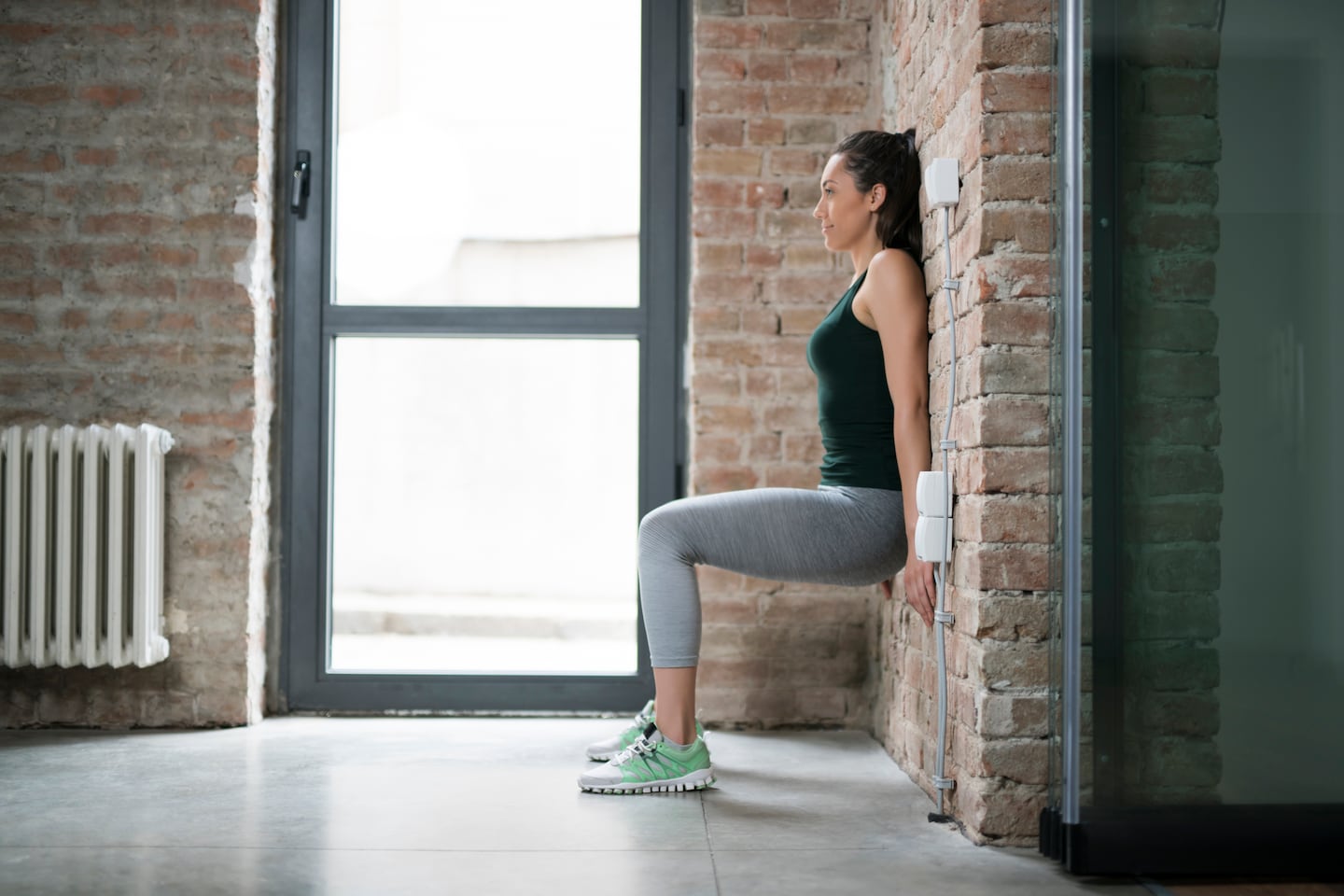
A recent study suggests that isometric exercises, such as wall sits, can effectively lower blood pressure, even more so than aerobic activity or weight training. Just eight minutes of isometric exercise, three times a week, can lead to a meaningful reduction in blood pressure. Isometric exercises work by temporarily reducing blood flow to muscles, prompting blood vessels to relax and ultimately reducing blood pressure. Wall sits engage multiple muscles, help build strength, and are beneficial for improving balance and range of motion.
Meeting the physical activity guidelines for aerobic and muscle-strengthening activity reduces the risk of dying from influenza and pneumonia by 48%, according to a study. Adults should get at least 150 minutes of moderate aerobic physical activity and two or more days of moderate muscle-strengthening activities a week. Even if you can’t reach the recommended amount, some activity can still provide more protection than none. Getting 10 to 149 minutes a week of aerobic physical activity was associated with a 21% decreased risk of flu and pneumonia death.