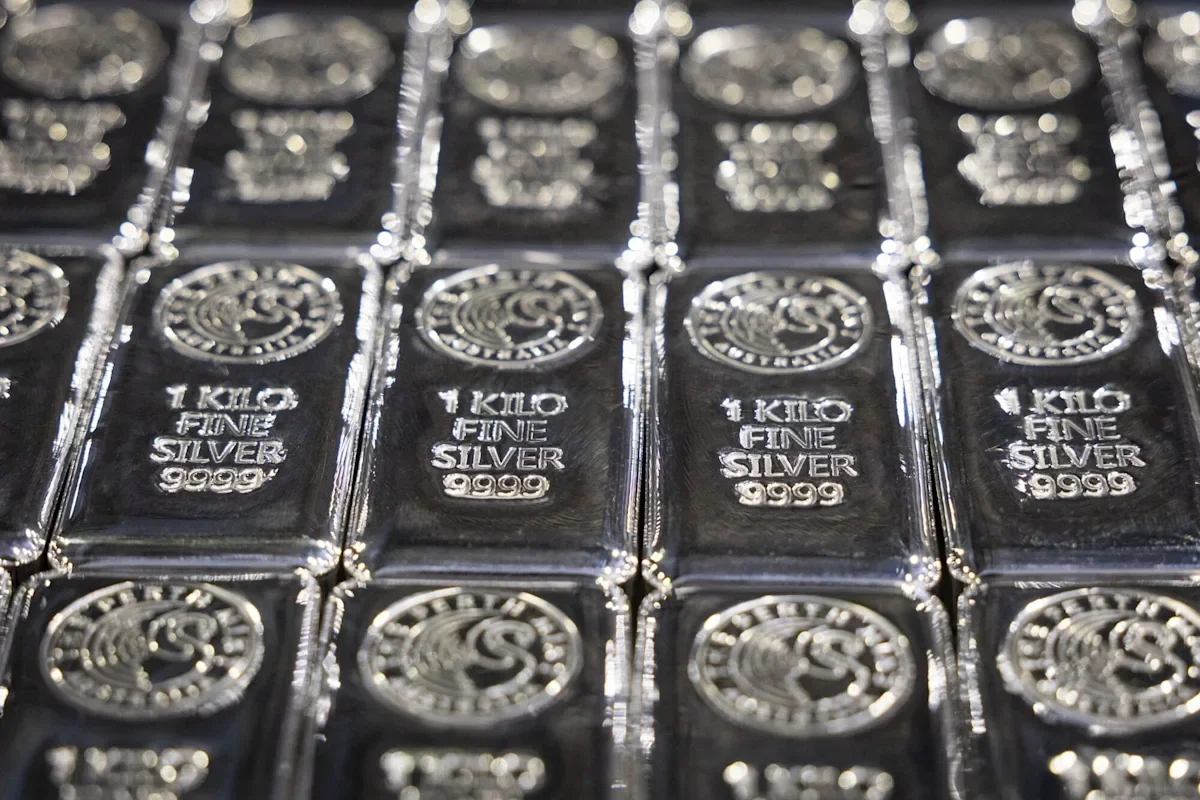
Silver's price surged above $80, reaching a record high due to Chinese speculative demand, but then sharply retreated over 6% after hitting $84, amid concerns over supply shortages and market volatility, with measures being taken to curb speculation.
Brent crude futures dipped slightly as traders speculated on whether OPEC+ would reach an agreement on further production cuts. Both Brent and U.S. West Texas Intermediate (WTI) crude are on track for their first weekly rise in five, supported by expectations that OPEC+ could reduce supply to balance the markets into 2024. The delay in the OPEC+ ministerial meeting initially caused a drop in Brent and WTI prices, but the most likely outcome now appears to be an extension of existing cuts. Chinese demand remains a positive factor, but gains may be limited by higher U.S. crude stockpiles and weak refining margins. Non-OPEC production growth, particularly from Brazil's Petrobras, is expected to remain strong.
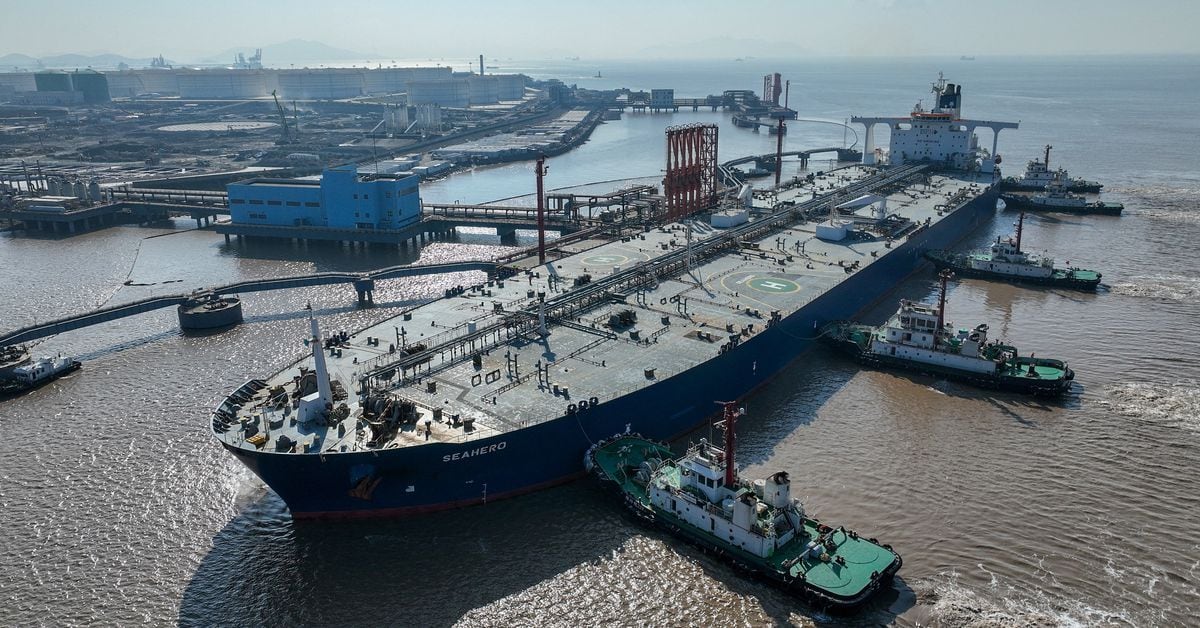
Oil prices settled lower as concerns about China's economic slowdown continue to weigh on demand from the world's top crude importer. China's sluggish economic activity, despite pledged stimulus, has disappointed markets. Additionally, U.S. central bank officials have not ruled out further interest rate hikes to contain inflation. On the supply side, the resumption of oil flows between Iraq and Turkey could potentially add almost half a million barrels per day to global oil supply, offsetting Saudi Arabia's additional production cut. Overall, weakening crude demand from China and potential supply increases are contributing to the downward pressure on oil prices.
Oil prices fell as investors await the US Federal Reserve's decision on further rate hikes and amid concerns about Chinese demand and rising Russian supply. Brent crude futures fell 1.9% to $73.37 a barrel, while US West Texas Intermediate crude was down 2.2% to $68.61. The Fed's rate hikes have strengthened the dollar, making dollar-denominated commodities more expensive for holders of other currencies and weighing on prices. Most market participants expect the US central bank to leave interest rates unchanged when it concludes its two-day monetary policy meeting on Wednesday.
Despite continued pressure on oil prices, the commodity will likely end the week with a gain. The main upward force in oil markets remains the expectation of returning Chinese demand, although most analysts believe the oil market won’t tighten until the second half of the year. The recent slew of bearish catalysts for oil prices includes the U.S. Energy Information Administration’s latest weekly report, which estimated another inventory build, the Fed’s interest rate hike, and Energy Secretary Jennifer Granholm’s statement on Thursday that the federal government will take its time with refilling the strategic petroleum reserve.