In 2025, Ghana faced multiple major disease outbreaks including Mpox, cholera, meningitis, and typhoid, prompting urgent public health responses across various regions to control the spread and mitigate impacts.
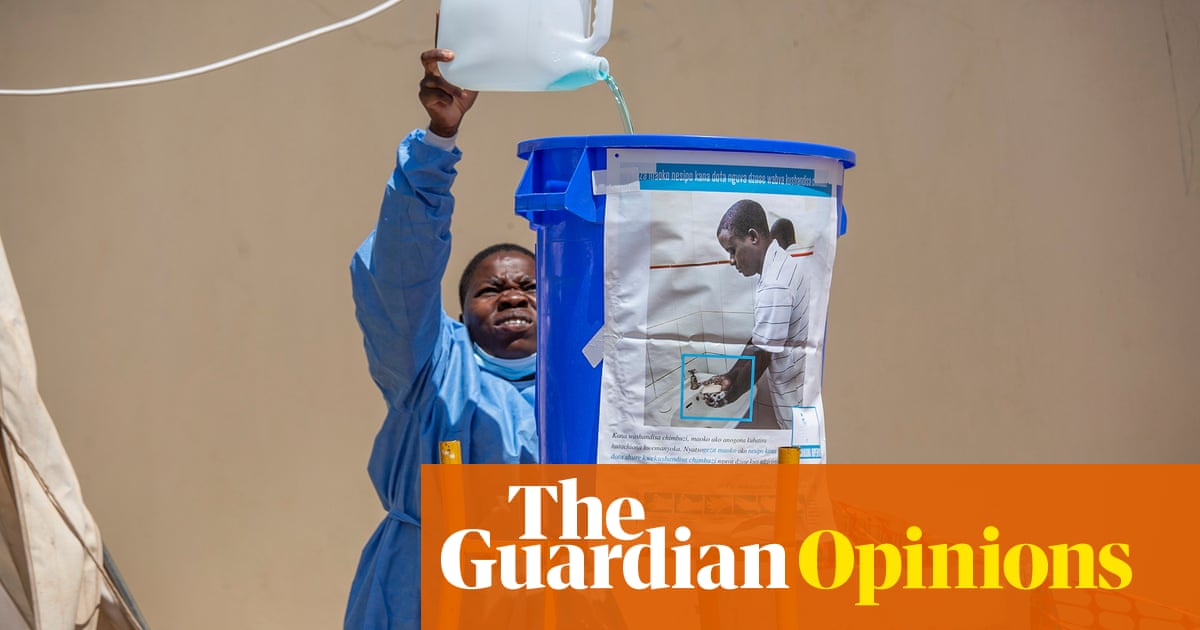
Cholera, a preventable disease linked to poverty and poor sanitation, continues to cause outbreaks in 32 countries, mainly in Africa, despite available vaccines and global efforts. The main challenges are inadequate investment in water and sanitation infrastructure and limited vaccine production capacity, which can be addressed through political will and increased manufacturing. Long-term control requires political action to improve water access and sanitation, as well as expanding vaccine production.
Cholera, an ancient and deadly disease, is resurging across Africa due to conflict, poverty, and climate change, prompting a coordinated emergency response including vaccination and improved water infrastructure, with a goal to eliminate it as a major health issue by 2030.
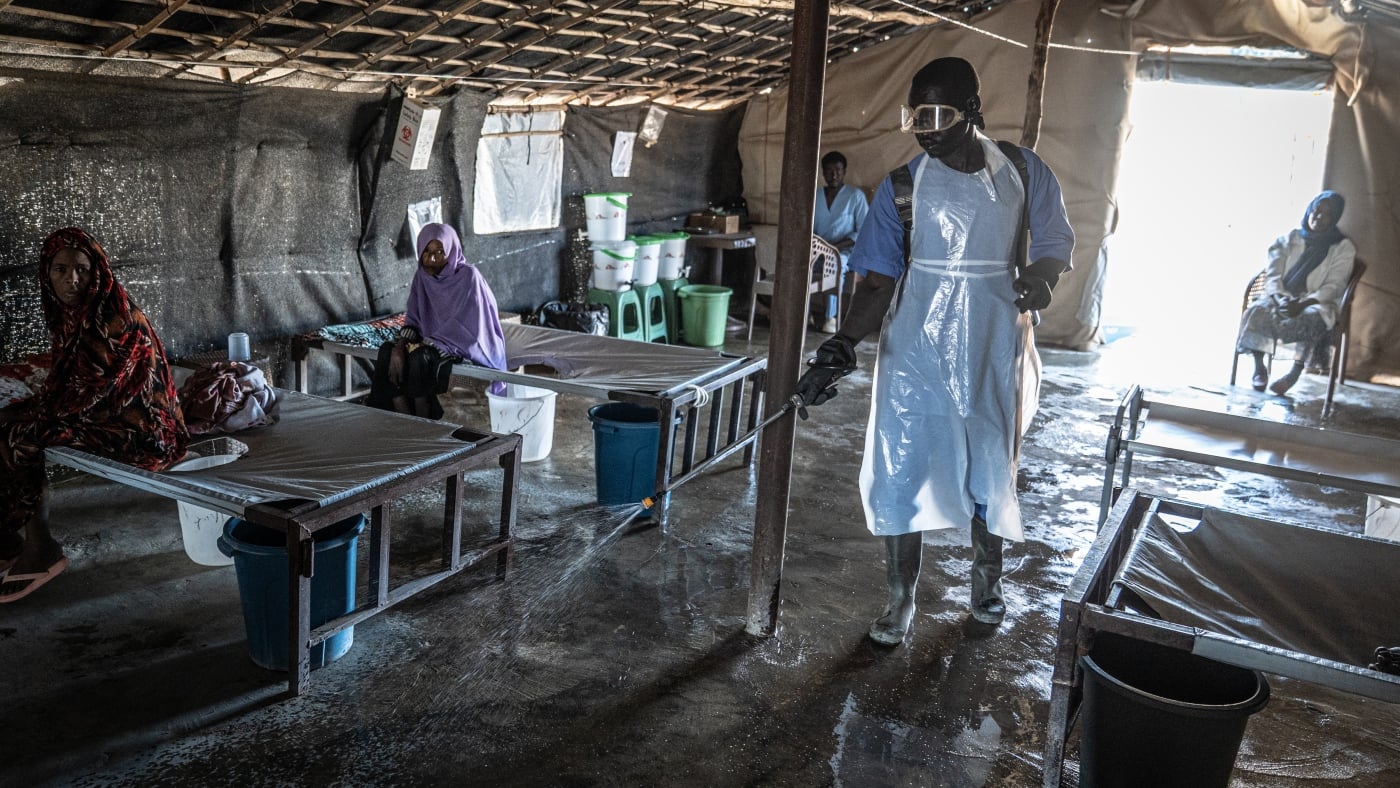
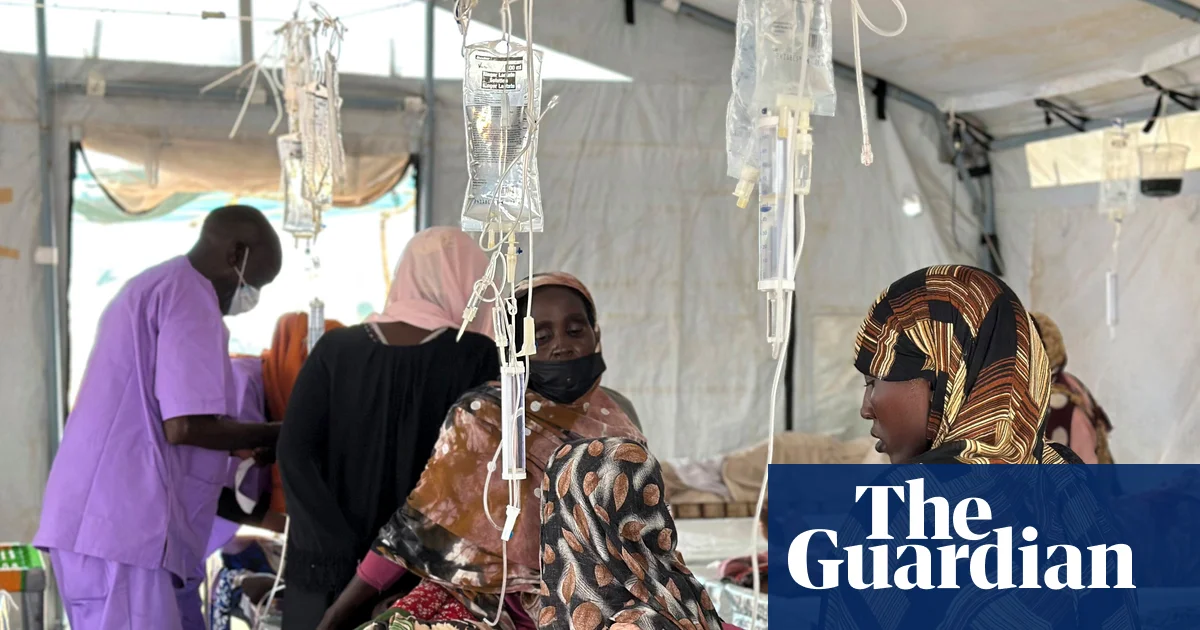
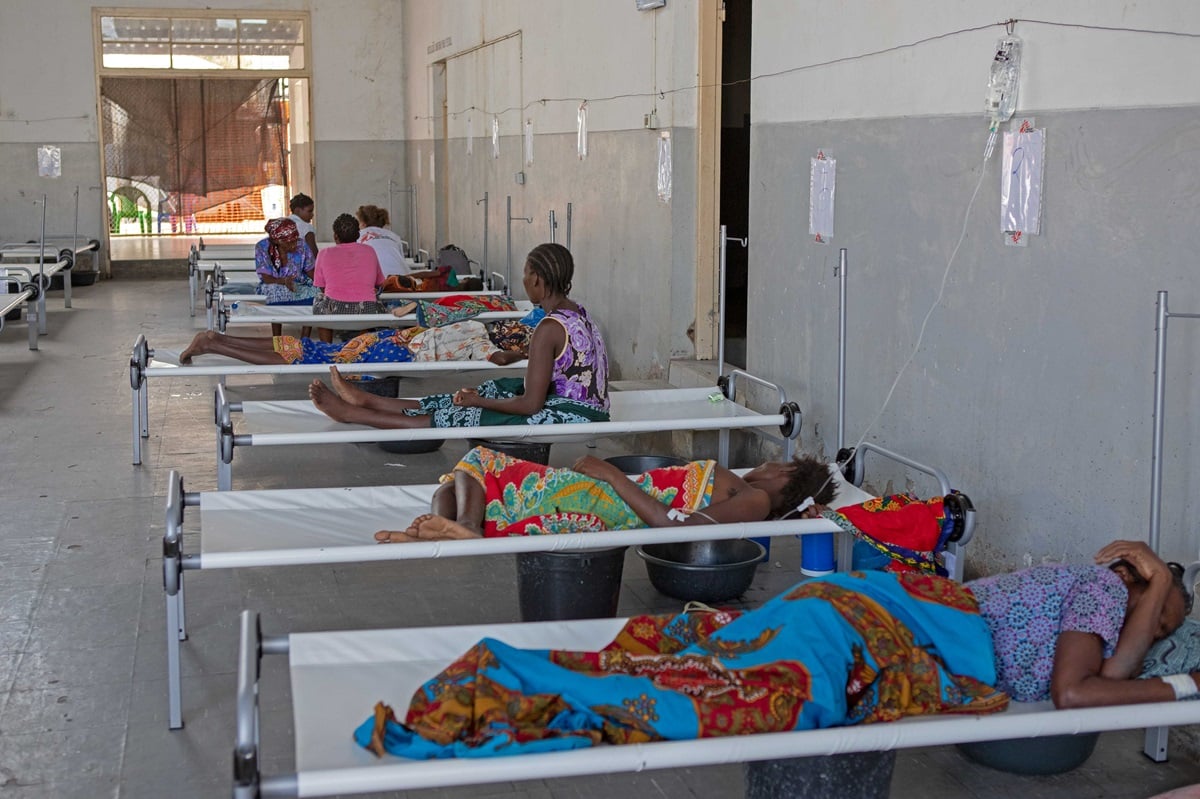
Sudan is experiencing its worst cholera outbreak in years, with over 40 deaths in a week, overwhelmed health facilities, and a dire water crisis exacerbated by ongoing civil conflict and heavy rains, prompting urgent calls for international aid and vaccination efforts.
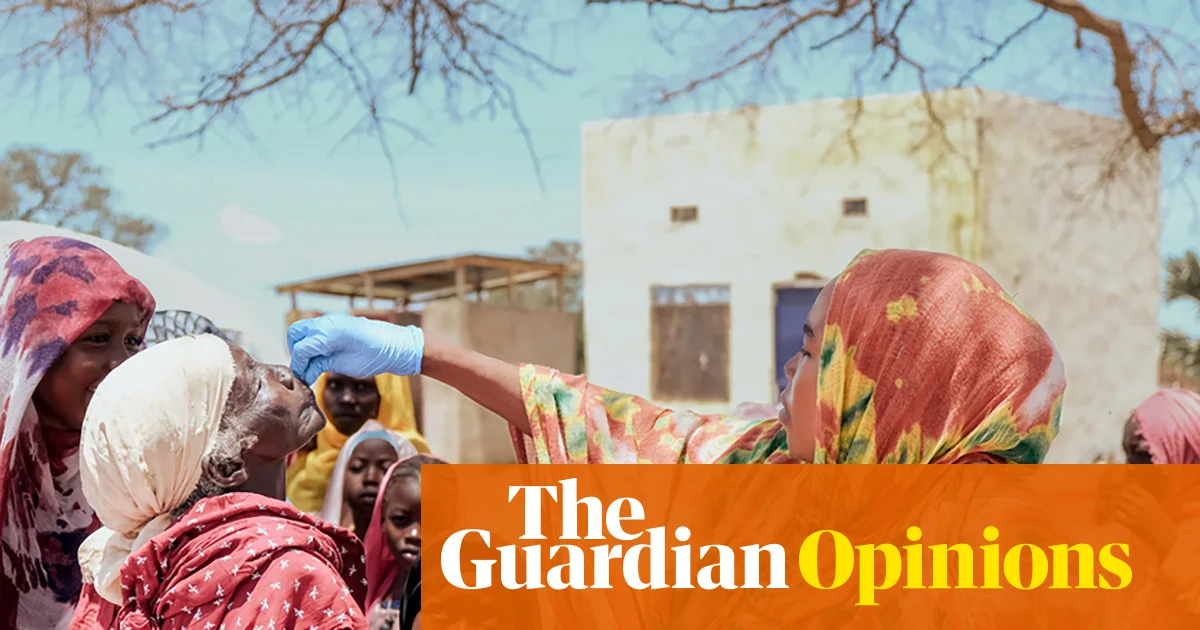
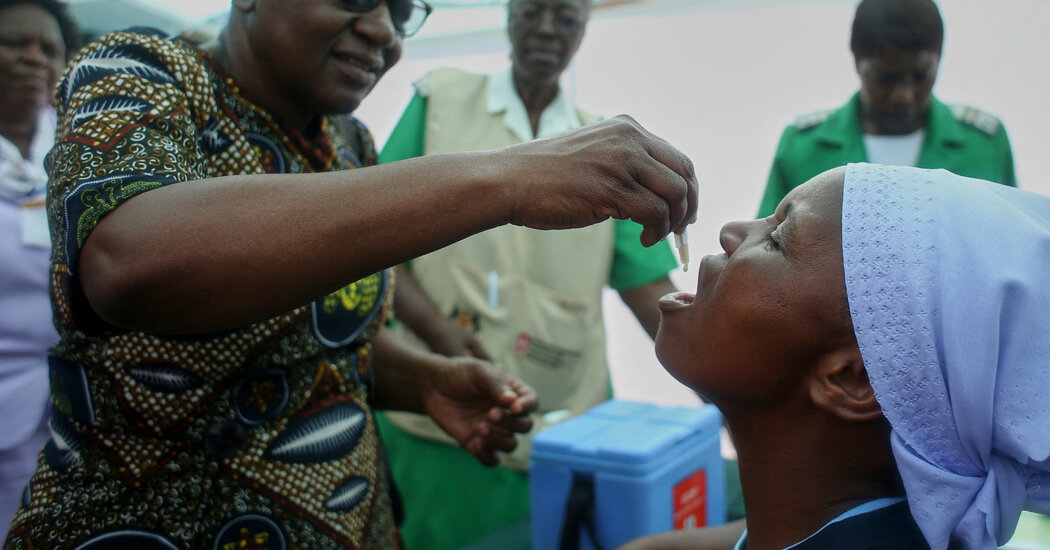
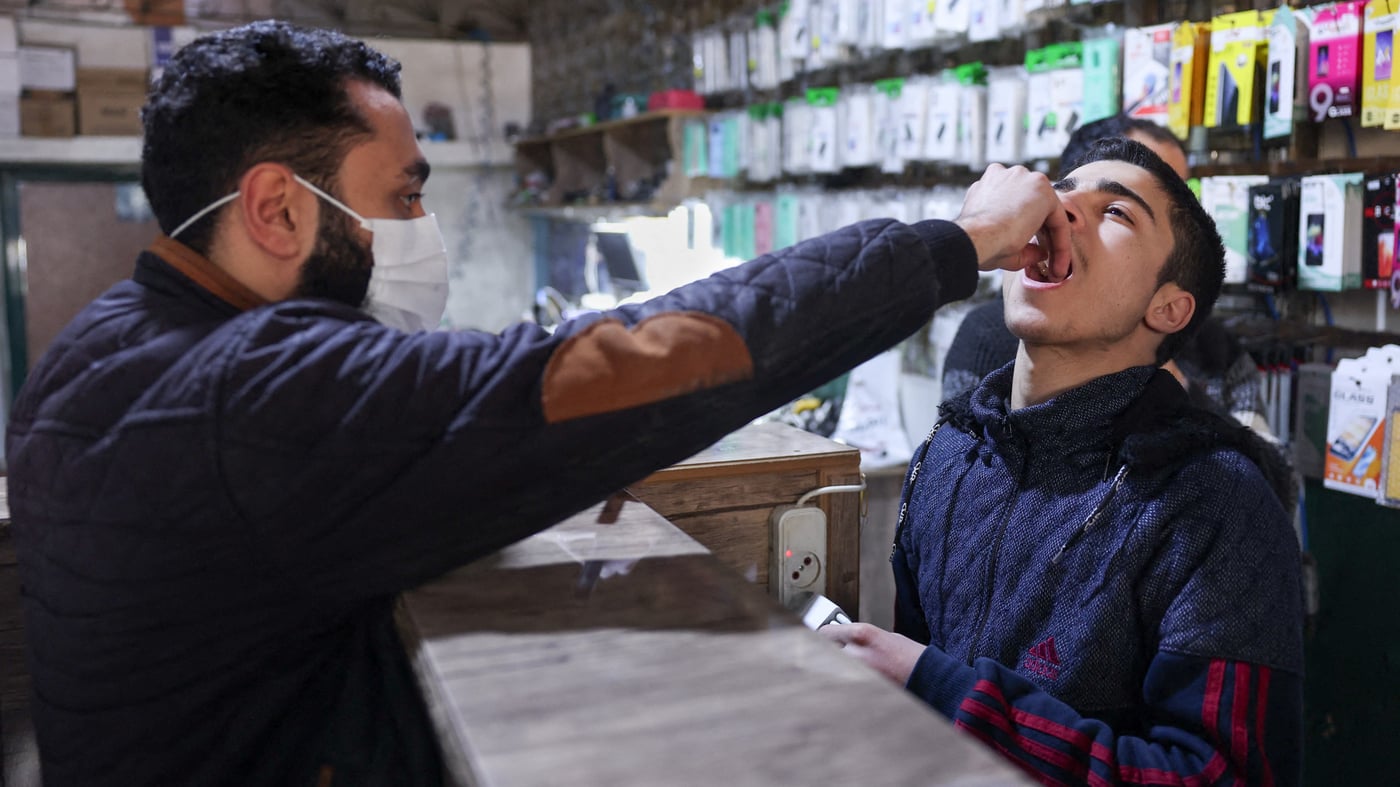
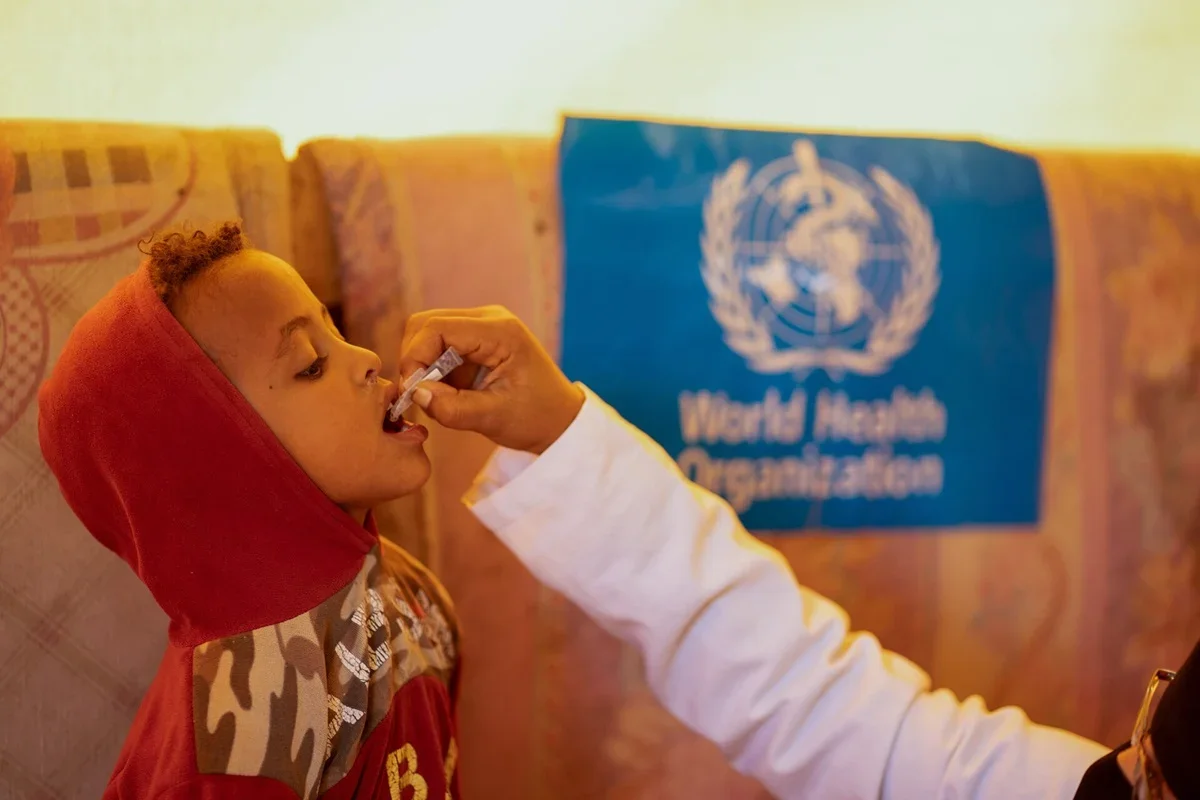
Ghana has launched a cholera vaccination campaign in the Central Region's Awutu Senya East to combat a recent outbreak that resulted in 2,385 suspected cases and 21 deaths. The month-long initiative aims to vaccinate over 150,000 people, focusing on areas with high case numbers and poor sanitation. The campaign may expand to other regions post-elections. Health officials emphasize the importance of hygiene and safe water access to prevent further spread, while the WHO highlights cholera as a marker of social inequality and underdevelopment.
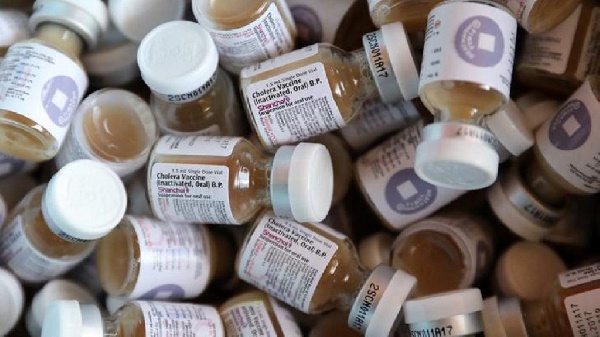
The global stockpile of cholera vaccine has been depleted as deadly outbreaks of the disease continue to spread, with three new vaccine makers working to replenish the stockpile. The only current vaccine producer is also expanding its production efforts, but the total global supply available this year is expected to be only a quarter of what is needed, as countries have already reported 79,300 cases and 1,100 deaths from cholera in 2024.
A makeshift ferry sank off Mozambique's northern coast, resulting in the deaths of almost 100 people, including children, with dozens more missing. The overcrowded fishing boat, not licensed to transport people, was carrying about 130 individuals, some of whom were fleeing a cholera outbreak. Misinformation about the outbreak caused panic, leading people to board the boat. The region has been battling a deadly cholera outbreak, and many areas are only accessible by overcrowded boats due to poor road networks.
Cholera, a preventable disease, threatens over 1 billion people due to factors such as conflict, poverty, and the climate crisis. The supply of cholera vaccines has run out, and 23 countries are reporting active outbreaks. The World Health Organization and Zambia are leading efforts to control outbreaks and ensure access to essential supplies, but there is a need for increased investment in vaccine production and global support to combat the growing threat. Safe water, sanitation, and hygiene, along with surveillance systems and vaccine manufacturing capacity, are critical in ending cholera outbreaks and preventing unnecessary deaths.
The International Coordinating Group on Vaccine Provision is urging immediate action to address the unprecedented surge in cholera cases worldwide, driven by a lack of clean water and sanitation. The shortage of cholera vaccine doses has put immense pressure on the global stockpile, with requests for doses surpassing production capacity. Urgent efforts are needed to invest in access to safe water, sanitation, and hygiene, as well as to fast-track additional production of affordable oral cholera vaccine doses to prevent and control cholera outbreaks.
The global stockpile of cholera vaccines is empty, with demand far outstripping supply as outbreaks of the disease surge worldwide. Efforts to stretch the current vaccine supply and ramp up production have been hindered by a vicious cycle where active outbreaks consume all available vaccines, leaving insufficient doses for prevention campaigns or to replenish reserves. Factors driving up demand include lack of access to clean water and sanitation, conflict, migration, and climate change. The shortage is exacerbated by limited manufacturers and low profit margins for the vaccine, prompting calls for the resumption of preventive cholera vaccinations to attract manufacturers and improve public health.
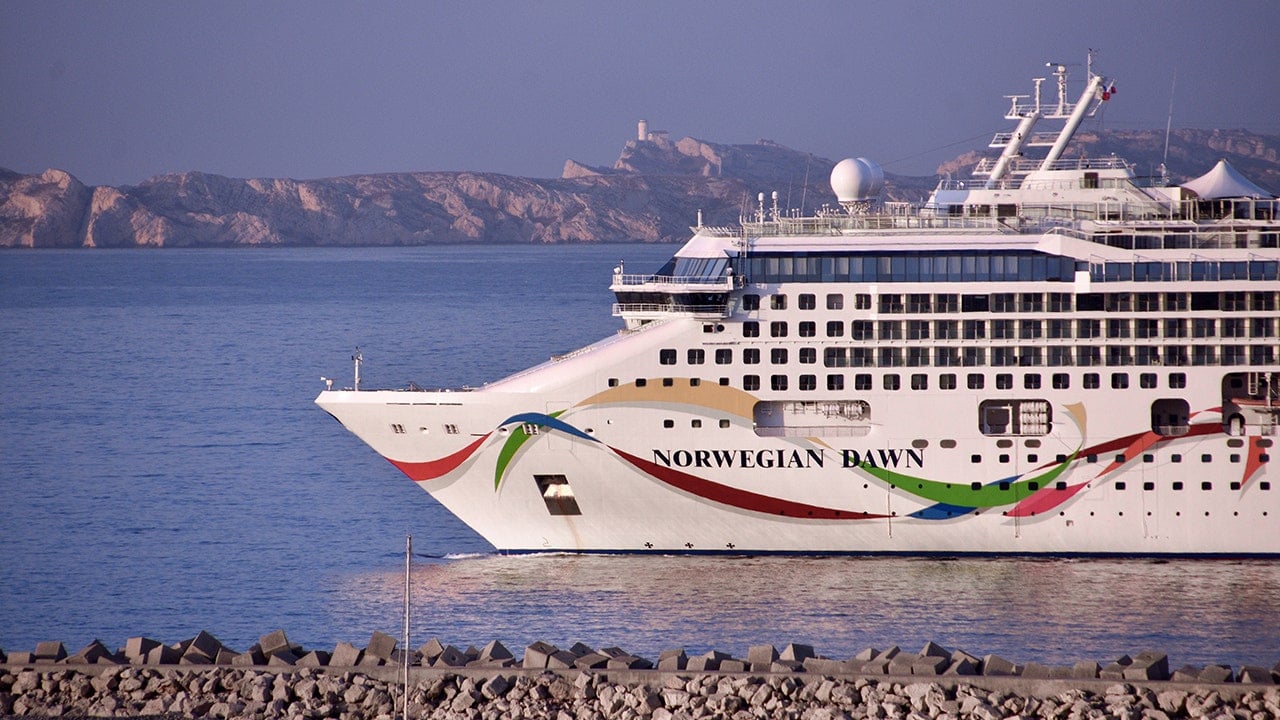
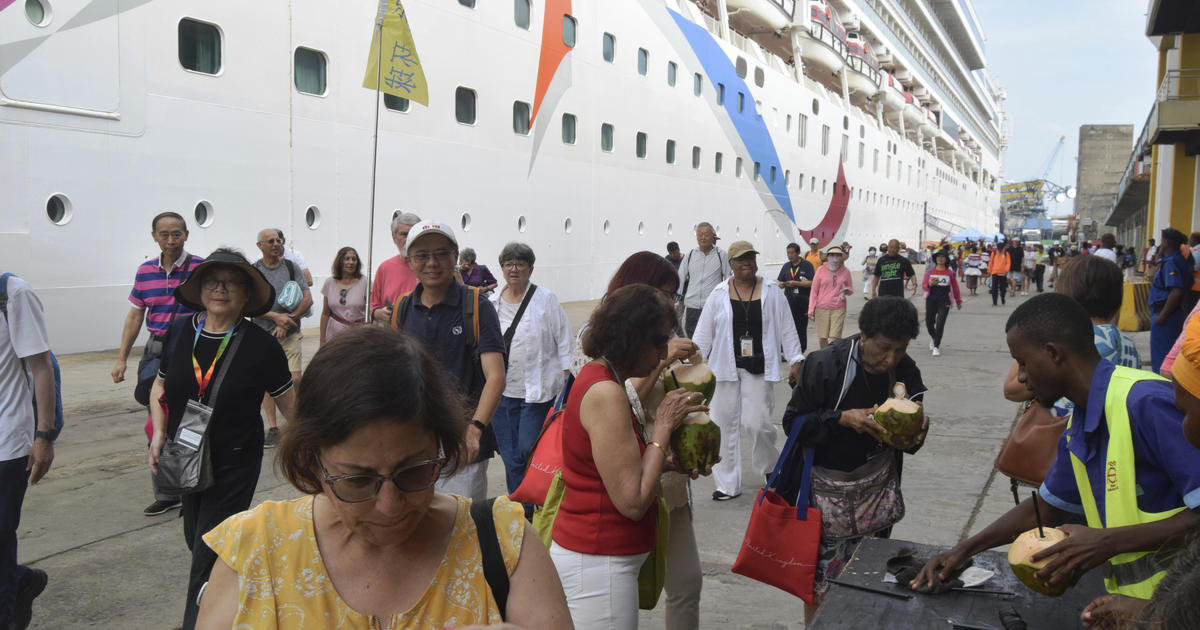
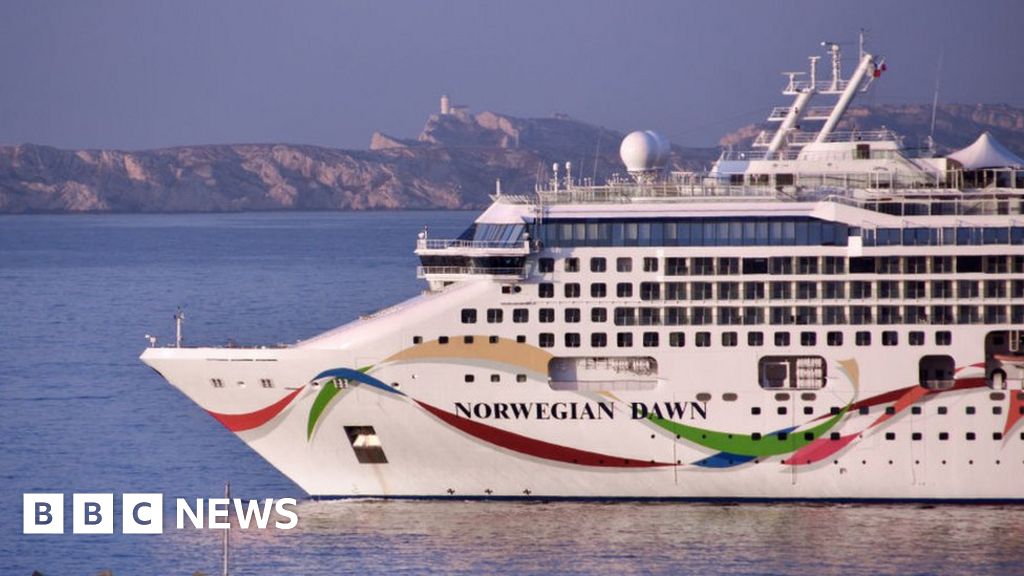
The Norwegian Dawn cruise ship was initially denied entry to the main port of Mauritius due to concerns about a potential cholera outbreak, but sample testing showed no traces of the disease. Passengers with mild stomach-related symptoms were quarantined, and pending test results prevented about 2,000 passengers from disembarking. The company is providing assistance with flight arrangements, hotel accommodations, and future cruise credits for affected passengers. The ship has been cleared for entry, and new guests will board after a two-day delay, with screening by health officials upon disembarkation.
The Norwegian Dawn cruise ship, carrying over 2,000 passengers and 1,000 crew, has been denied permission to dock in Mauritius due to concerns of a potential cholera outbreak on board. At least 15 people have been isolated and tested for cholera, with results expected on Tuesday. The ship's passengers developed mild stomach symptoms after visiting South Africa, and officials in Mauritius are prioritizing the health and safety of both passengers and the country. Cholera outbreaks in southern African countries have raised concerns, with over 3,000 deaths and 188,000 infections reported since January 2023.
Mauritius has denied a Norwegian cruise ship permission to dock at the capital Port Louis over fears of a potential cholera outbreak on board, with at least 15 people on the Norwegian Dawn in isolation over suspected illness. The decision was made to avoid health risks, and samples were taken for testing. Passengers developed mild symptoms of a stomach illness during a trip to South Africa, and there have been cholera outbreaks in southern Africa. The ship arrived in Mauritius with 2,184 passengers and 1,026 crew members, and those disembarking or joining the cruise will now do so on 27 February.
Gaza is facing a severe water and sewage crisis, with sewage flowing in the streets and key sanitation services ceasing to operate. This has led to a surge in gastrointestinal and infectious diseases, including fears of a cholera outbreak. The lack of clean water has made it close to impossible for Gaza's 2.3 million residents to find drinkable water, forcing them to consume polluted and salty water. The collapse of water and sanitation services, coupled with overcrowding and poor sanitation, has contributed to the spread of diseases such as diarrhoea, respiratory infections, and skin infections. UN agencies have warned that urgent humanitarian aid is needed to prevent major outbreaks and the risk of cholera. The Israeli siege on Gaza has exacerbated the situation, with fuel shortages further impacting water and medical facilities.
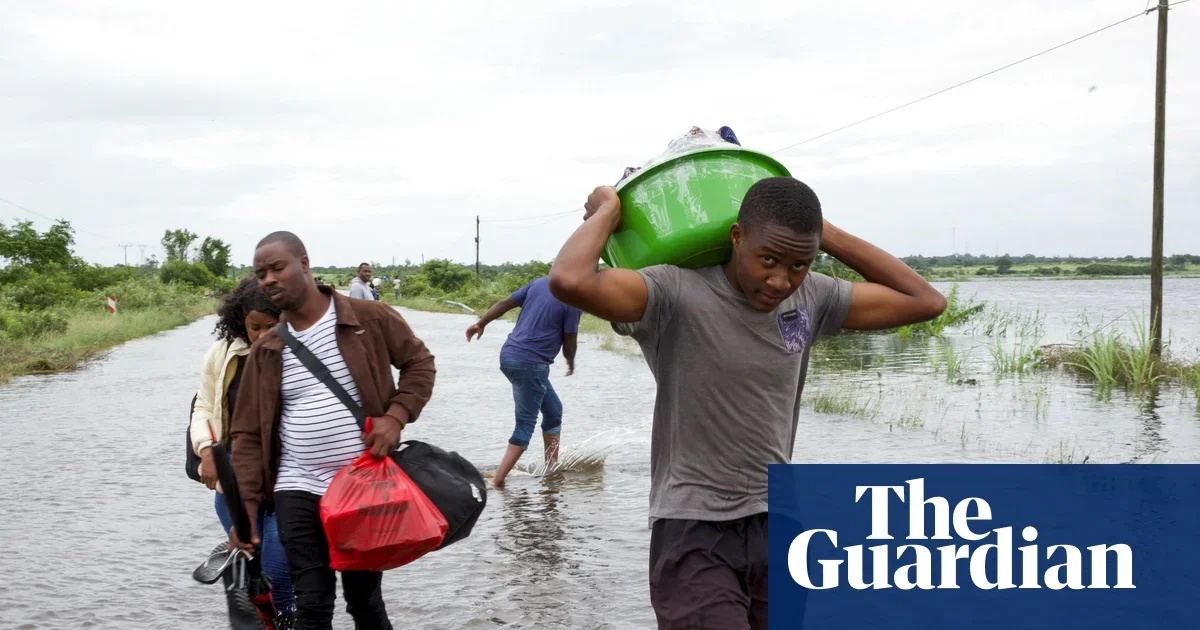
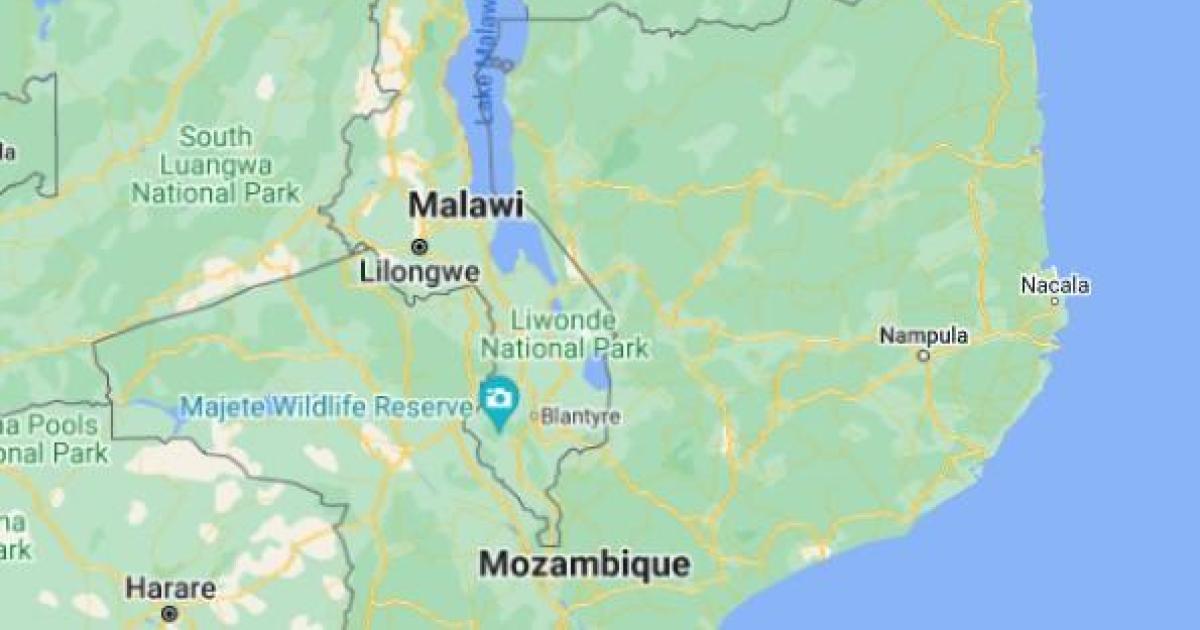
Cholera cases are on the rise globally due to the exacerbating effects of climate change, with storms and floods playing a significant role. In Malawi, the country's worst cholera outbreak occurred in 2022, claiming over 1,600 lives. The storms Ana and Gombe destroyed water and sanitation infrastructure, leading to contaminated water sources and the spread of the disease. Climate change also contributes to cholera through droughts and hotter temperatures. The destruction of water and sanitation infrastructure is a key factor in increasing cholera risk. Investment in infrastructure and development is crucial to combat the disease. However, the reporting of cholera cases in Malawi may be underreported due to changes in reporting protocols, raising concerns about the potential for another outbreak.