The OECD/G20 Inclusive Framework has reached a historic agreement among 147 countries on a comprehensive package to implement a global minimum tax, aiming to enhance tax certainty, reduce compliance burdens, and protect tax bases, especially in developing countries, with plans for implementation support and future simplifications.
A UN report reveals that financial aid from wealthy nations to help poorer countries adapt to climate change is declining, with 2023 aid dropping 7% and unlikely to meet the $40 billion annual pledge by 2025, highlighting a setback in global climate efforts.
The US immigration crackdown is disrupting global remittance flows, which are vital for the economies of many developing nations, especially in Central America, potentially causing significant economic harm as remittances decline due to reduced immigration and deportations.
The WTO has significantly raised its forecast for global goods trade growth in 2025 to 2.4%, driven by AI-related purchases, front-loaded US imports, and robust trade among developing nations, despite expected slowdown in 2026. The surge is largely attributed to increased demand for AI products like semiconductors and servers, with trade among emerging economies also contributing to the positive outlook.
China has become the largest debt collector for many developing nations, despite reducing its lending in recent years, which poses risks to poverty reduction and stability. The shift is driven by diplomatic pressure and a move towards debt restructuring, with over a quarter of developing countries' external debt owed to China, impacting economies like Sri Lanka and Kenya. The situation is complicated by the end of grace periods on loans and reduced aid from Western countries, leading to economic and political repercussions in debtor nations.
Many of the world's poorest nations face a record $35 billion in debt repayments to China in 2025, stemming from loans made during Beijing's Belt and Road Initiative, risking cuts to essential public services amid concerns over debt traps and geopolitical leverage, while China and critics debate the true scale and impact of these loans.
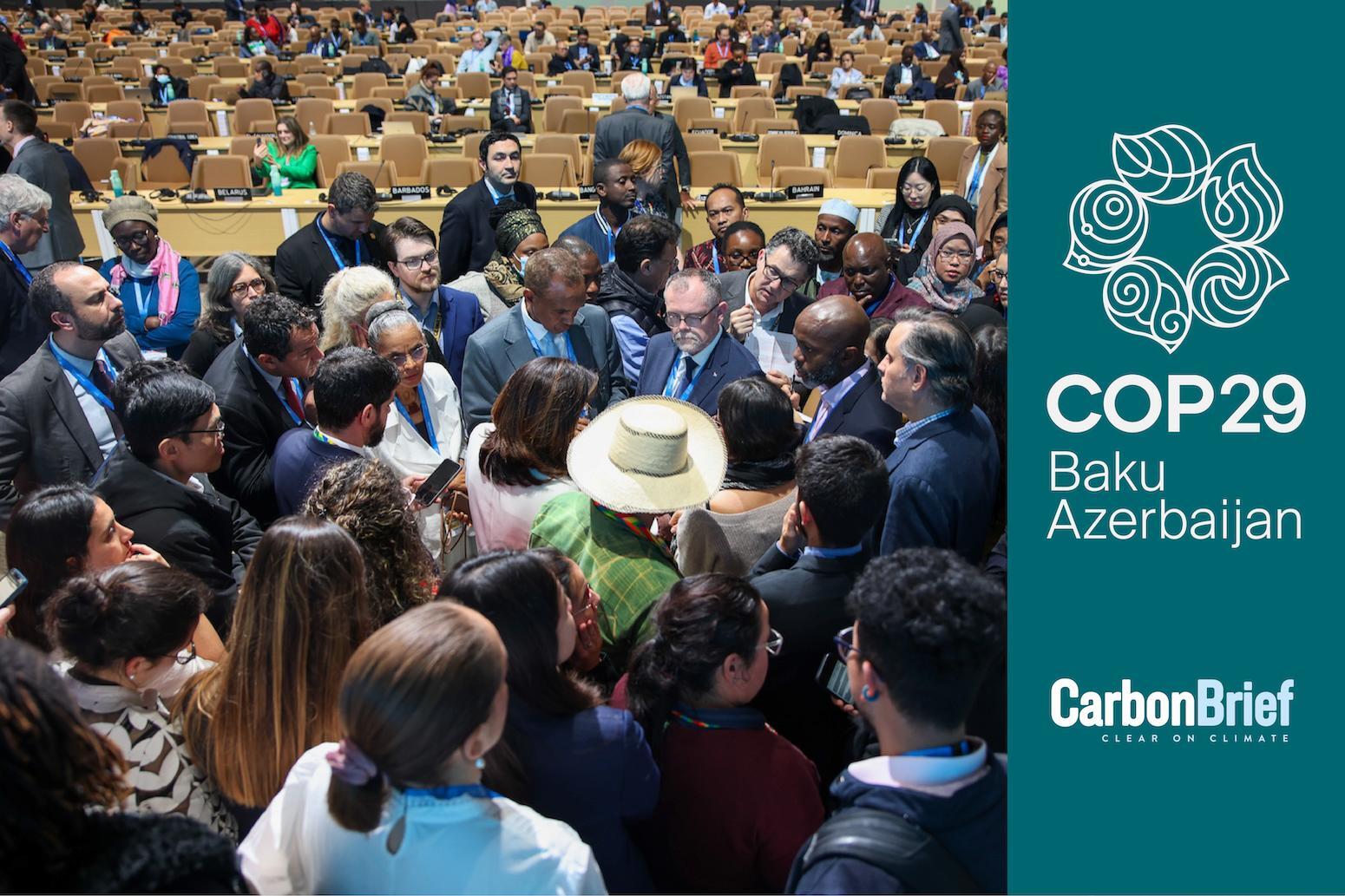
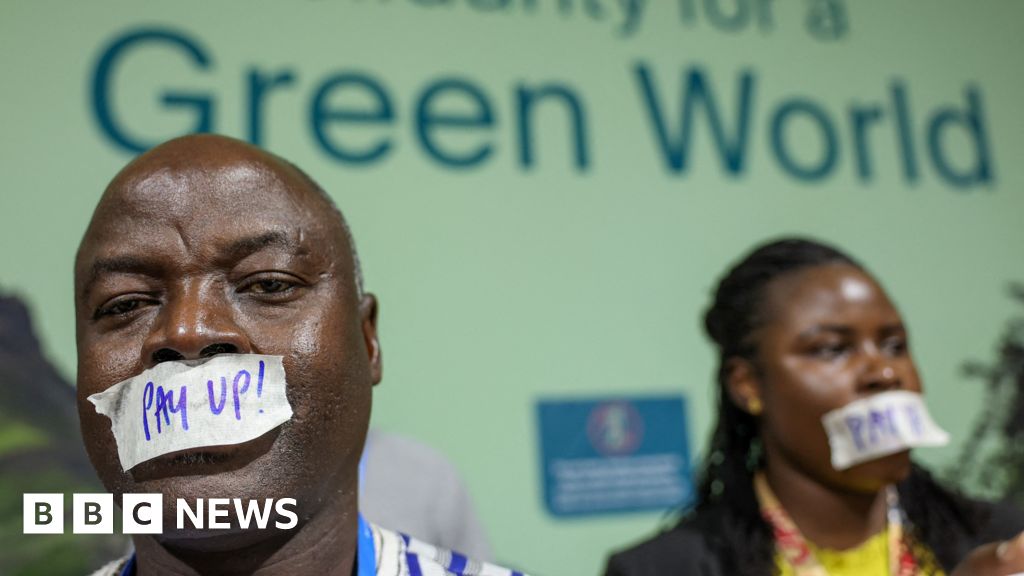
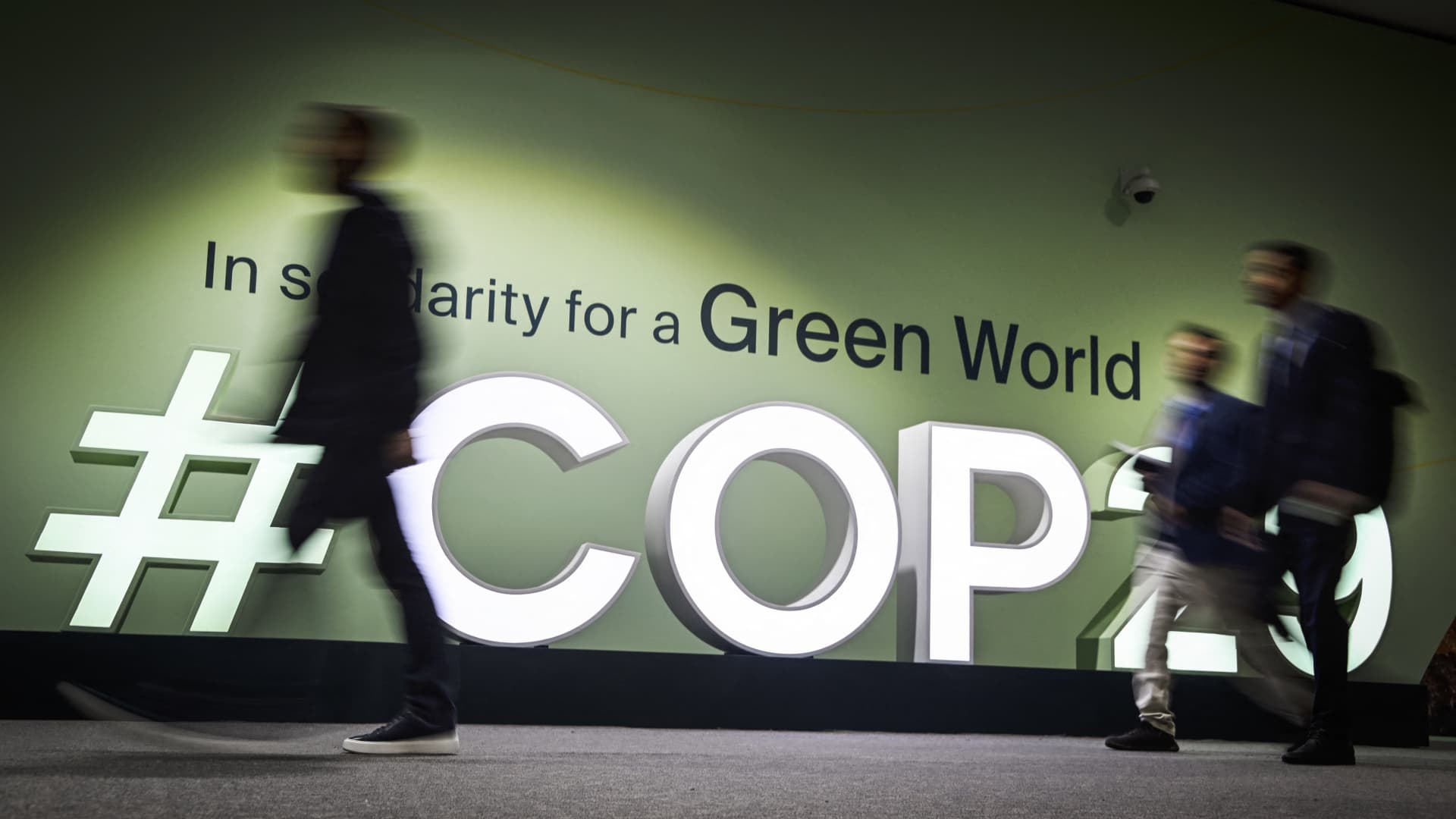
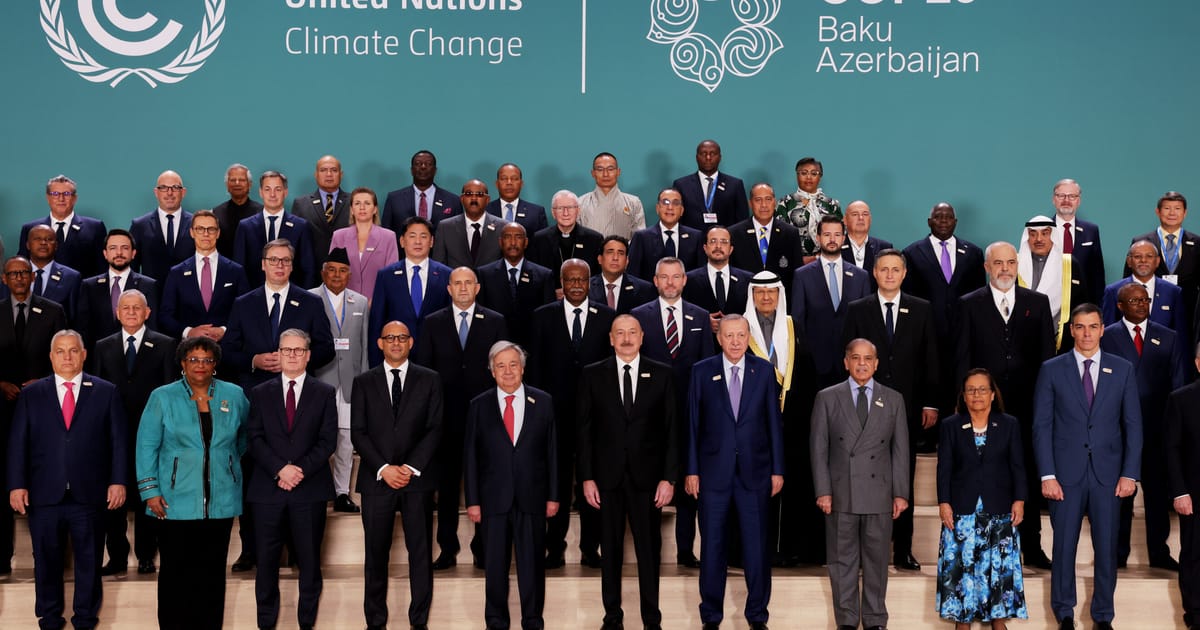
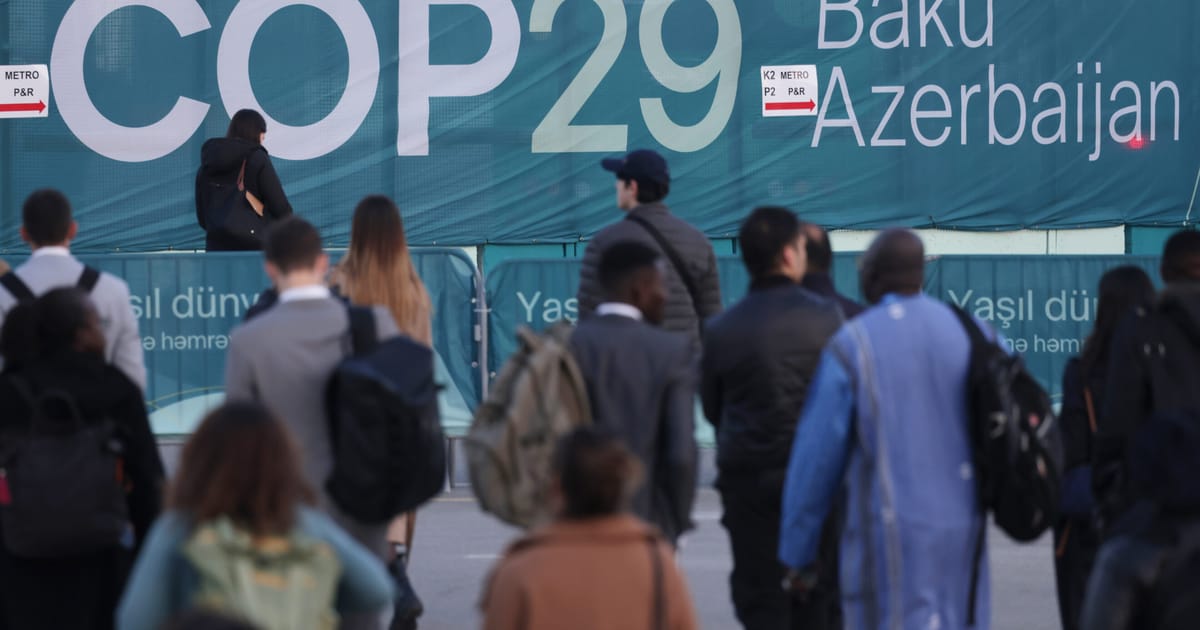
At the COP29 climate summit in Baku, developed nations agreed to channel at least $300 billion annually into developing countries by 2035 to combat climate change, a decision that left many developing nations dissatisfied as they had called for $1.3 trillion. The summit also finalized Article 6 on carbon markets, completing the Paris Agreement's framework. However, key issues like transitioning away from fossil fuels were deferred to COP30. The event was overshadowed by Donald Trump's reelection, which could impact future climate negotiations, and accusations of conflict of interest against Azerbaijan, the host nation.
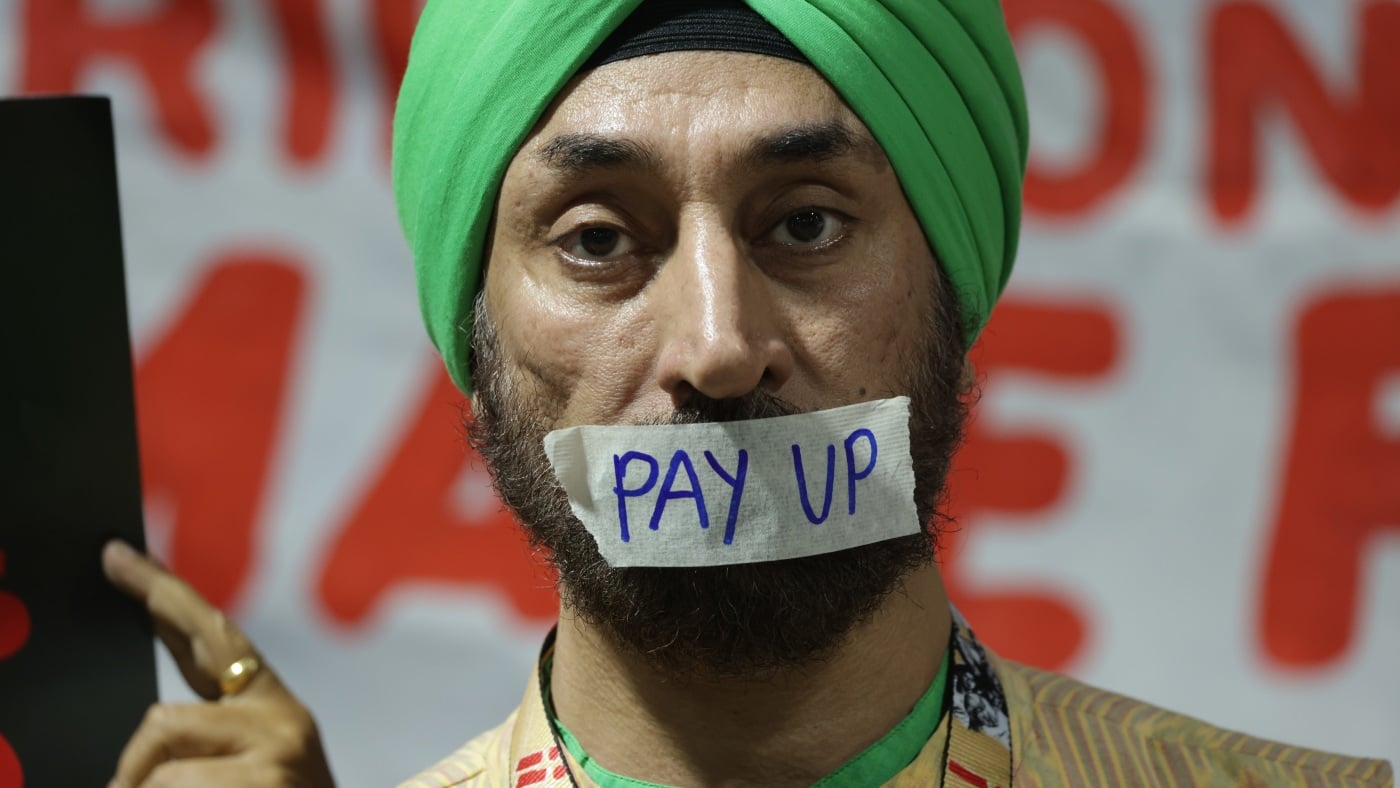
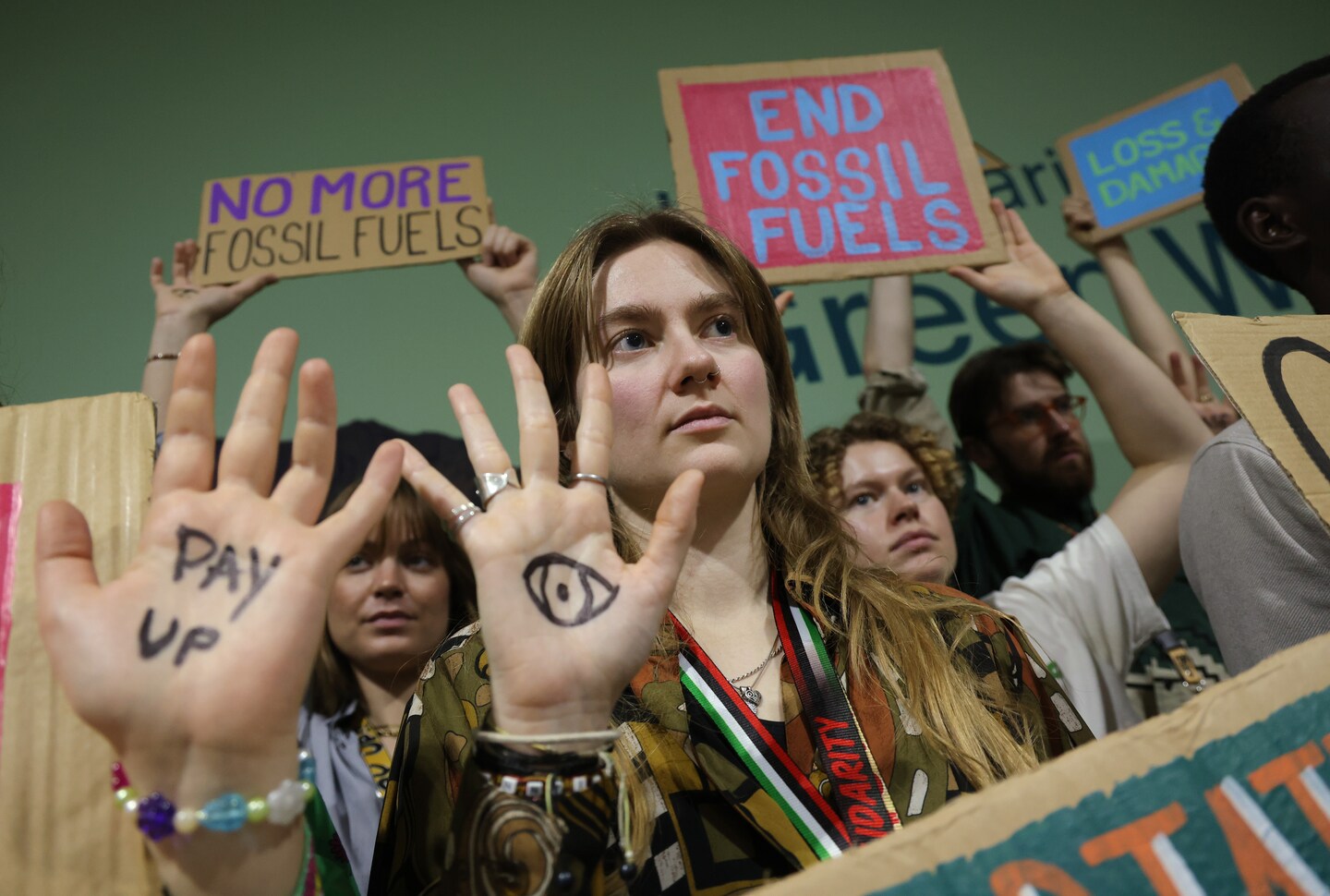
COP29 concluded with a contentious $300 billion annual climate finance deal for developing countries by 2035, which many deemed insufficient. The conference highlighted deep divisions between rich and poor nations, with developing countries criticizing the mix of grants and loans. The event also saw increased activism and concerns over the influence of authoritarian host nations. China's emerging role in climate leadership was noted, especially as the US's future involvement remains uncertain due to potential political changes. The conference underscored the need for reform and more effective climate action.
At the COP29 climate conference in Baku, Azerbaijan, negotiators reached a contentious agreement for wealthy nations to provide $300 billion annually to help developing countries combat climate change, far short of the $1.3 trillion requested. The deal, criticized for its inadequacy, was brokered amid tensions and walkouts by developing nations. The conference also faced pushback on fossil fuel phase-out commitments and saw criticism over carbon market rules and insufficient health funding. Some countries announced new climate targets, but the overall outcome left many dissatisfied.
At the COP29 summit, wealthy countries, including the EU and the U.S., have proposed increasing climate finance to $300 billion annually by 2035 to aid developing nations, following criticism of a previous $250 billion offer. The proposal aims to replace the $100 billion annual commitment set to expire in 2025. However, developing countries, like Brazil, are pushing for $390 billion by 2035, and negotiations continue over the specifics of the funding, including contributions and grant versus loan allocations. The recent election of Donald Trump as U.S. president has added uncertainty to the talks.
At COP29, a contentious climate proposal suggests wealthy nations contribute $250 billion annually to support poorer countries, but uncertainties remain about the distribution of funds, especially with potential policy shifts in the U.S. under a new Trump administration. Despite last year's commitments to reduce fossil fuel reliance, progress has stalled, and some developing nations are reluctantly considering accepting lower funding offers than desired. Meanwhile, a coalition excluding the U.S. plans to set ambitious greenhouse gas reduction targets by 2035.
At the COP29 summit in Baku, a draft deal proposes that wealthy nations contribute $250 billion annually by 2035 to help poorer countries cope with climate change impacts. The draft, which follows extensive negotiations, aims to address the financial responsibilities of rich countries for historical greenhouse gas emissions. While some developing nations and activists find the offer insufficient, wealthier countries are cautious about voter backlash. The plan also suggests that China, despite its developing country status, could voluntarily contribute to the target.
At COP29, a draft deal proposes $250 billion to aid poorer nations in tackling climate change. Currently, richer countries contribute over $40 billion annually, with additional funds from international development banks. Experts suggest these banks could raise $200 billion more by lending at low rates. By reducing investment risks, private investors could unlock $500 billion annually for clean energy in developing countries. Additional funds could come from new contributors like China and innovative levies on aviation, shipping, and billionaires.
At COP29, nearly 200 countries are struggling to agree on a financial target for global climate aid, with proposals ranging from $100 billion to $2 trillion annually. The negotiations are marked by tensions between wealthy and developing nations, with the former hesitant to commit large sums and the latter demanding substantial support to transition to cleaner energy. The talks are further complicated by geopolitical issues, including the U.S. presidential election and strained public budgets. A consensus on a new funding target is crucial for setting ambitious climate goals ahead of COP30.
Leading climate policy experts, including Ban Ki-moon and Mary Robinson, argue that UN climate summits should only be hosted by countries committed to climate action, with stricter rules on fossil fuel lobbying. They criticize the current process as ineffective, highlighting the influence of fossil fuel lobbyists at Cop29 in Azerbaijan, a major oil producer. The focus of Cop29 is on securing $1 trillion annually by 2030 to help poor countries reduce emissions and adapt to climate impacts. Proposals for new funding sources include taxes on cryptocurrencies, plastics, and frequent flyers.