Scientists warn that 'dimming the sun' through stratospheric aerosol injections is unsafe, impractical, and carries unpredictable risks due to logistical, material, and geopolitical challenges, making it an unreliable climate change mitigation strategy.
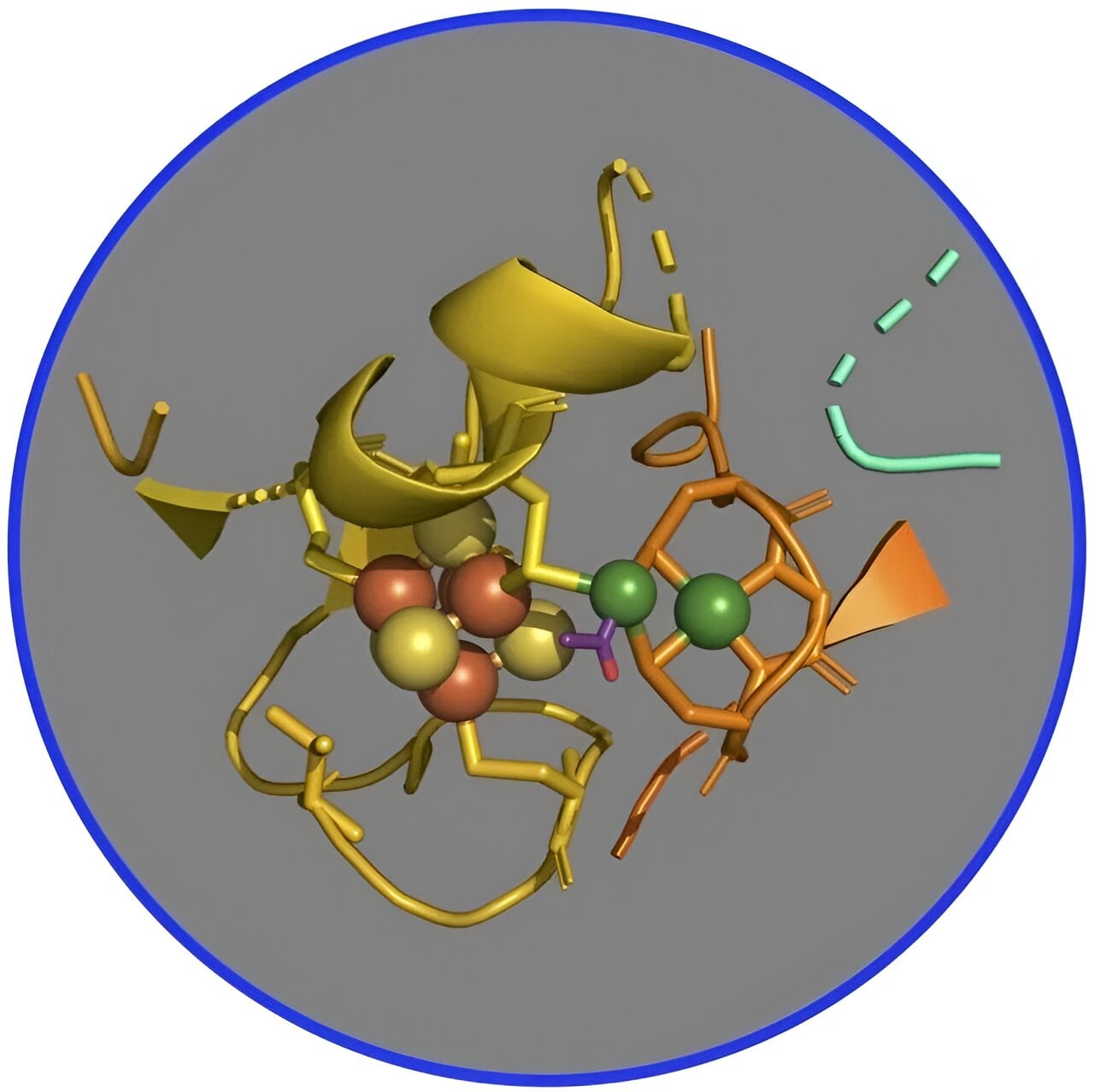
Scientists have discovered the inner workings of the Wood-Ljungdahl pathway, one of the oldest chemical reactions on Earth, which harnesses carbon dioxide (CO2) in the absence of oxygen. The researchers confirmed that nickel plays a key role in the pathway, specifically in the enzyme acetyl-CoA synthase (ACS), which catalyzes the conversion of CO2 into energy and structural carbon. Understanding this process could lead to improved carbon capture techniques for climate change mitigation and the development of chemical feedstocks and fuels.
The Biden administration is allocating $1.2 billion in grants to two direct air capture (DAC) projects in Texas and Louisiana, aiming to remove over 2 million metric tons of CO2 annually. These projects, the first commercial-scale DAC facilities in the US, will create thousands of jobs and significantly surpass the capacity of existing DAC locations. The initiative is part of the Regional Direct Air Capture Hubs program, funded by the Bipartisan Infrastructure Law, which aims to develop a nationwide network of large-scale carbon removal sites. The Department of Energy is also working to reduce the costs of DAC technology and estimates that removing 400 million to 1.8 billion metric tons of CO2 annually will be necessary to achieve the administration's net zero emissions goal by 2050.
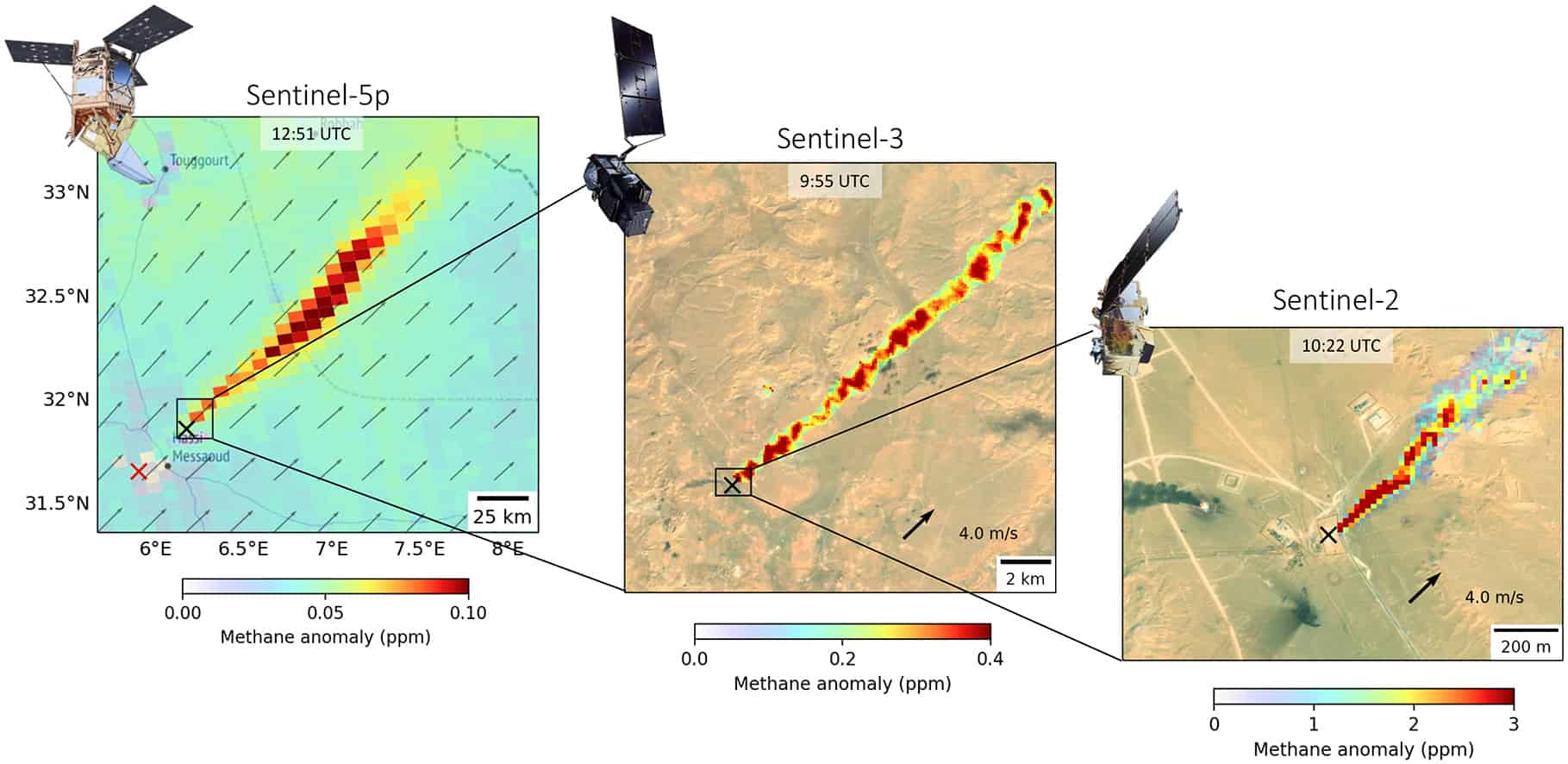
A combination of connected satellites, including Sentinel-5P, Sentinel-3, and Sentinel-2, is enabling researchers to detect methane super-emitters with high accuracy and almost in real time. Methane is a potent greenhouse gas responsible for a quarter of human-induced global warming. The tiered approach allows for low-resolution global scans followed by pinpointed spotting of emitters, providing crucial information for evidence-based decision-making and successful mitigation efforts. The satellites have been used to identify methane hot spots worldwide, which are then targeted with high-resolution observations from other satellites to pinpoint the exact sources. This new capability is a significant development in the global fight against climate change.
Mosses, often seen as a nuisance in gardens, are actually crucial for the health of the planet, according to a study by UNSW Sydney. Mosses play a vital role in ecosystem health, carbon capture, soil nutrient cycling, organic matter decomposition, pathogen control, and preventing erosion. They cover a staggering 9.4 million km2 globally and have the potential to mitigate climate change through their significant carbon capture capabilities. Mosses provide essential services to the environment, including nutrient cycling, decomposition, and stabilizing soil. They are the lifeblood of plant ecosystems and contribute to the overall health of the planet. Future research aims to explore the use of mosses in regenerating degraded soils in urban and natural areas.
A study published in Science Advances explores the impact of ocean alkalinity enhancement on marine biota and its potential for carbon dioxide removal. The research focused on two important phytoplankton species, Emiliania huxleyi and Chaetoceros sp., and found that limestone-inspired alkalinity had a neutral effect on their growth rate and elemental ratios. However, high-alkalinity additions resulted in mineral precipitation that removed nutrients from the system, reducing the overall effectiveness of carbon removal. While the initial findings are promising, further research is needed to understand the long-term effects and potential risks of ocean alkalinity enhancement on marine ecosystems.