The article discusses the importance and current challenges of multilateralism in global climate efforts, highlighting how US policies under Trump and geopolitical conflicts threaten international cooperation, with recent events like Cop30 and new EU green tariffs illustrating both setbacks and ongoing efforts to foster multilateral solutions for climate change.
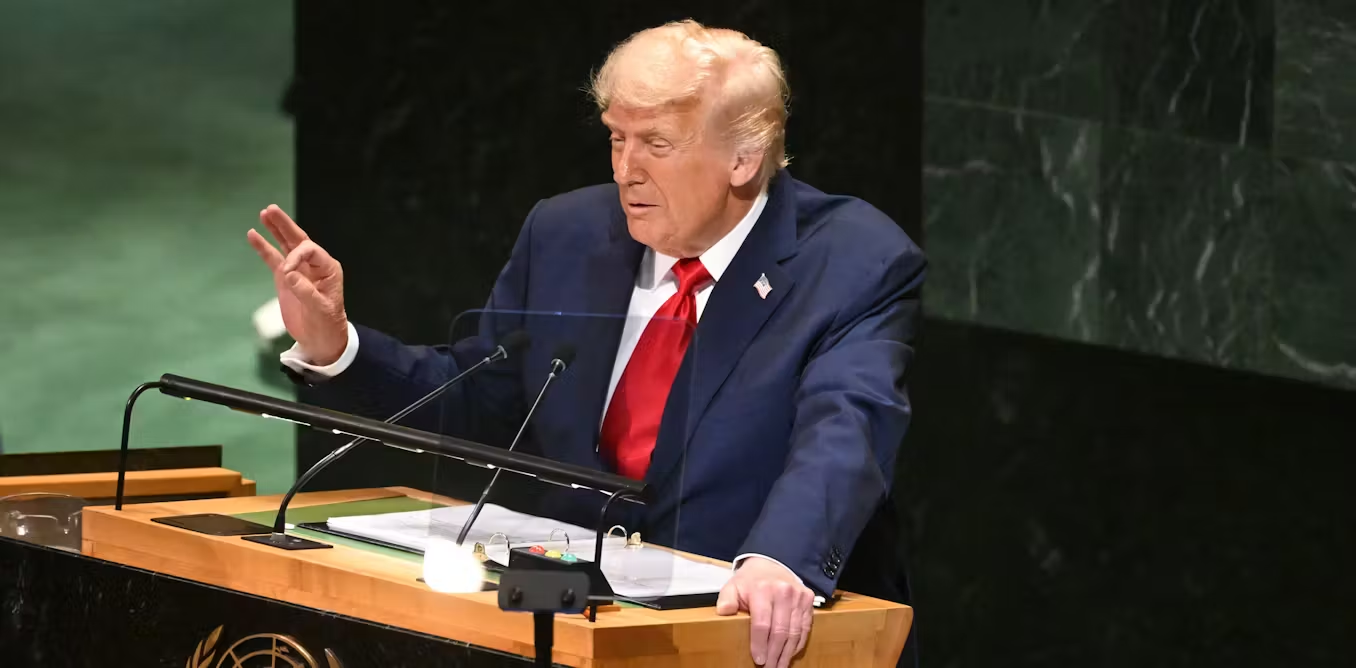
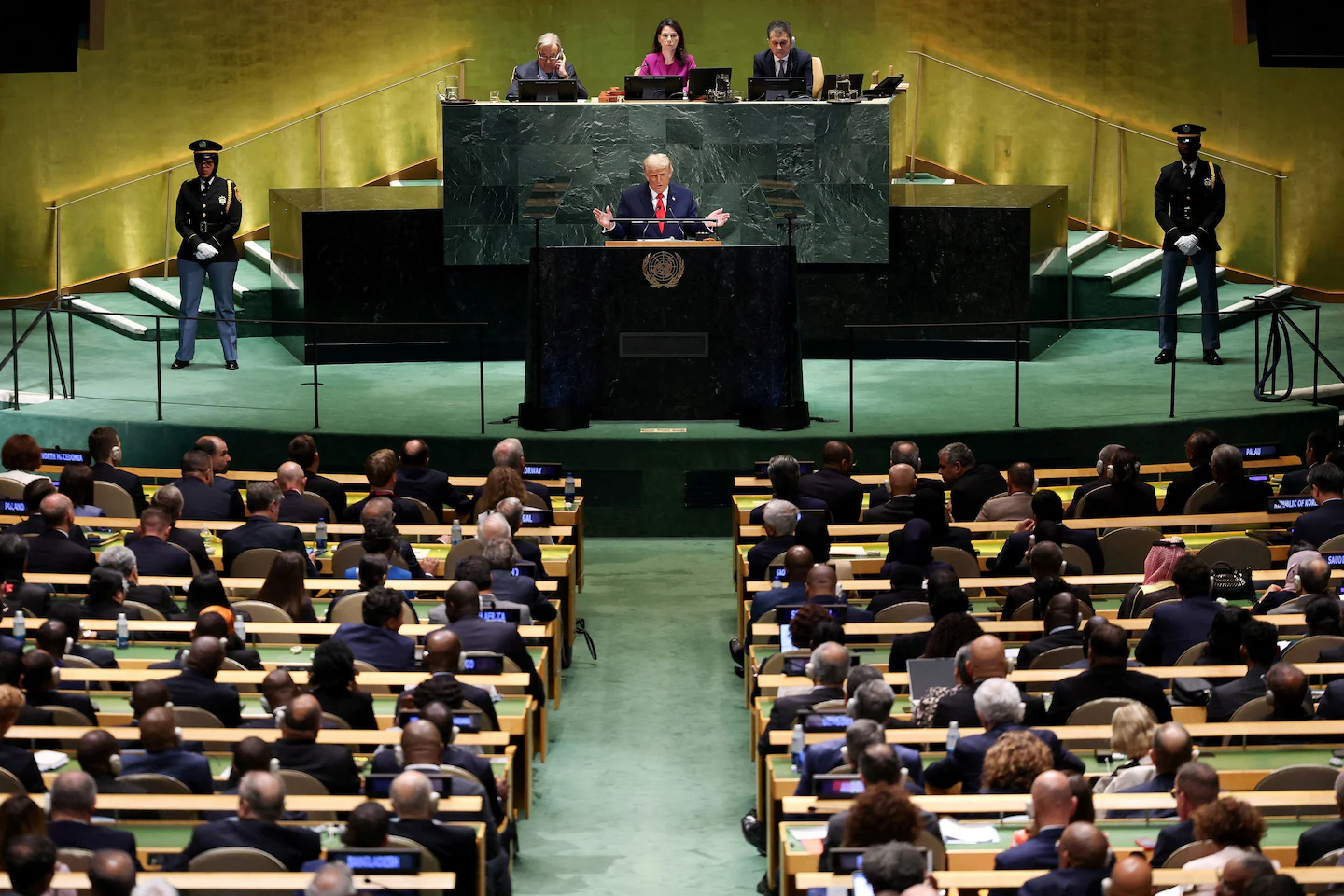
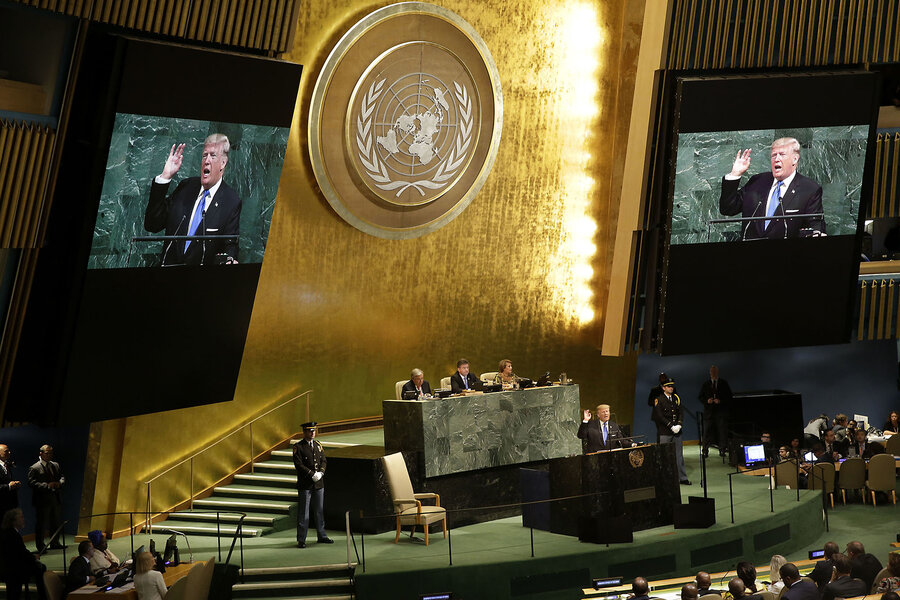
Donald Trump delivered a lengthy and critical speech at the UN, criticizing the organization’s effectiveness, emphasizing US sovereignty, and expressing skepticism about climate change and migration policies, which could impact future international cooperation.
The article contrasts Donald Trump's confrontational and nationalist speech at the UN General Assembly with Lula's defense of democracy and multilateralism, highlighting the strained US-Brazil relations and the global debate over international cooperation and sovereignty.
President Donald Trump is set to address the UN with a focus on a post-multilateral world order emphasizing America First policies, marking a shift from previous US engagement and leading to a significant downsizing of US support for the UN, while also impacting global power dynamics with China rising as a key influence.
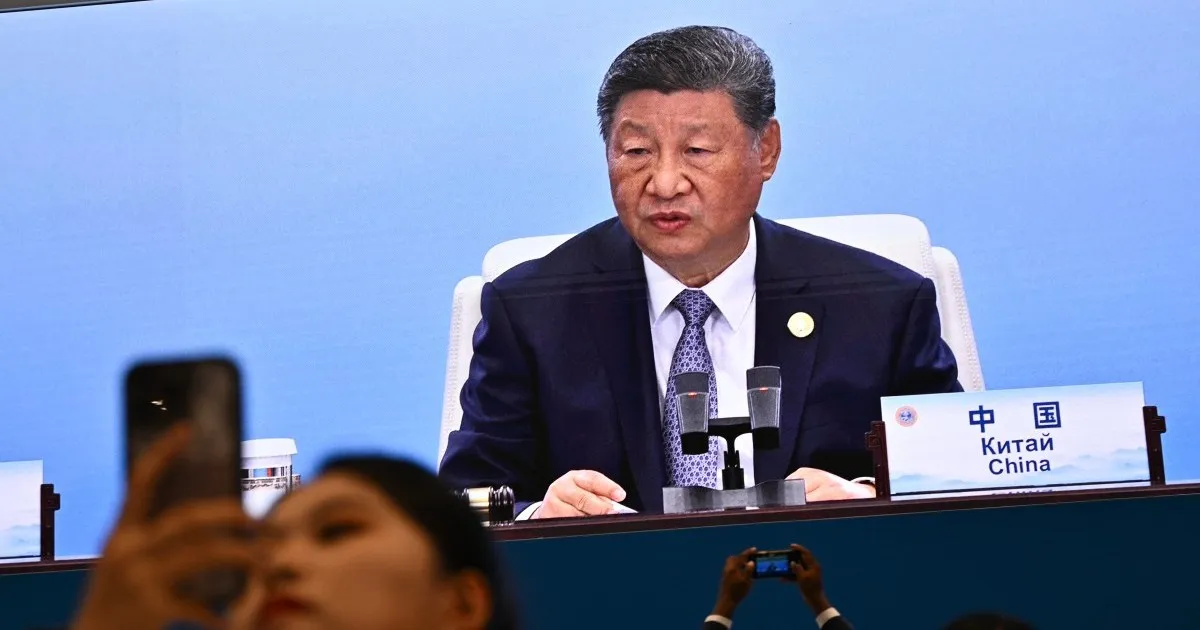
Chinese President Xi Jinping urged SCO member states to oppose 'Cold War mentality' and promote a multipolar world, pledging $280 million in aid and emphasizing the importance of multilateral cooperation amid global turbulence. The summit also saw discussions on regional security, with leaders like Putin and Modi engaging in bilateral talks.
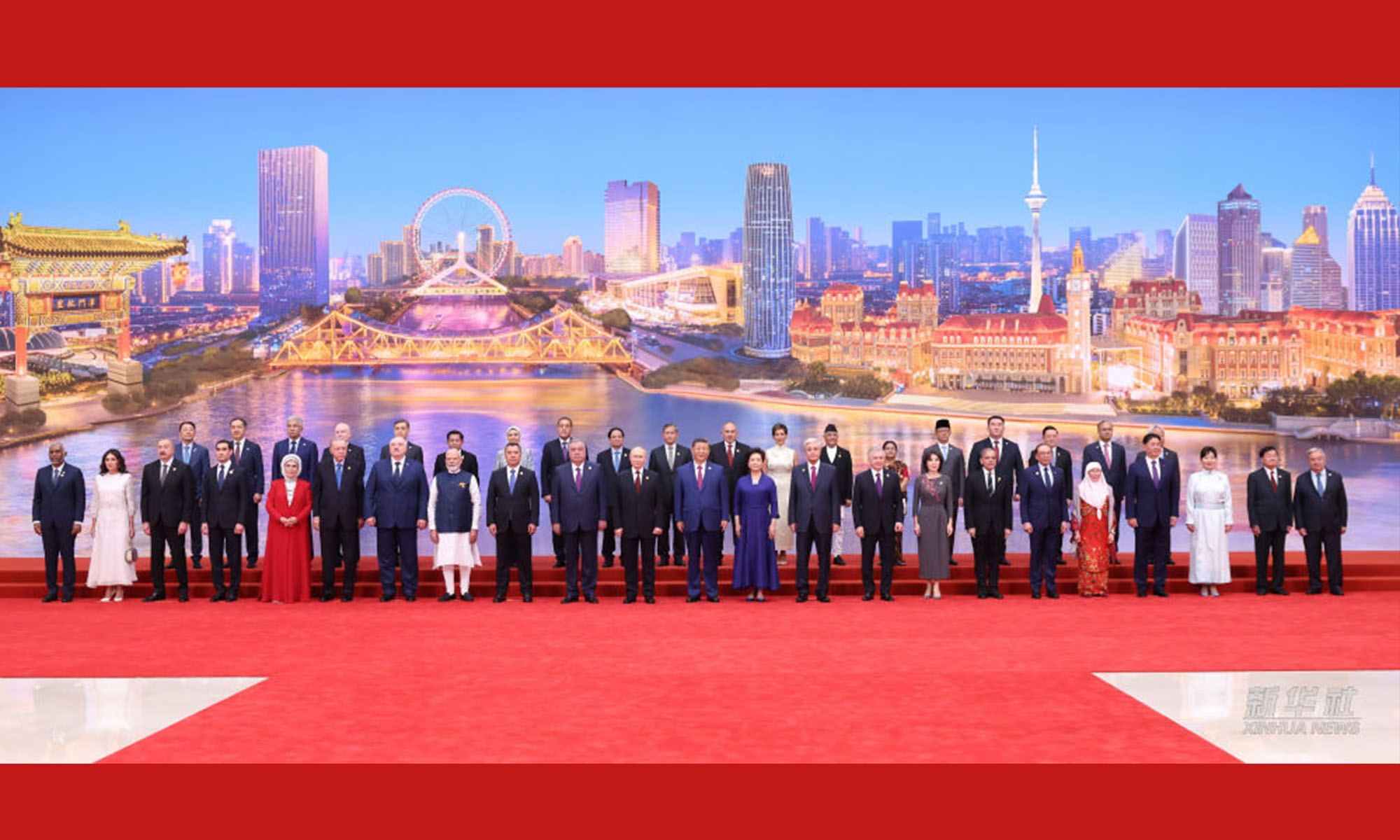
Chinese President Xi Jinping emphasized the Shanghai Cooperation Organization's (SCO) growing role in safeguarding regional peace and promoting development amid global uncertainties during the 2025 Tianjin Summit, which is the largest in its history and aims to strengthen cooperation among member states and contribute to a multipolar world order.
Chinese President Xi Jinping engaged in extensive diplomatic meetings with leaders from over 20 countries and international organizations in Tianjin, emphasizing China's commitment to multilateralism, strengthening bilateral ties, and playing a prominent role in global governance amid the upcoming SCO Summit 2025.
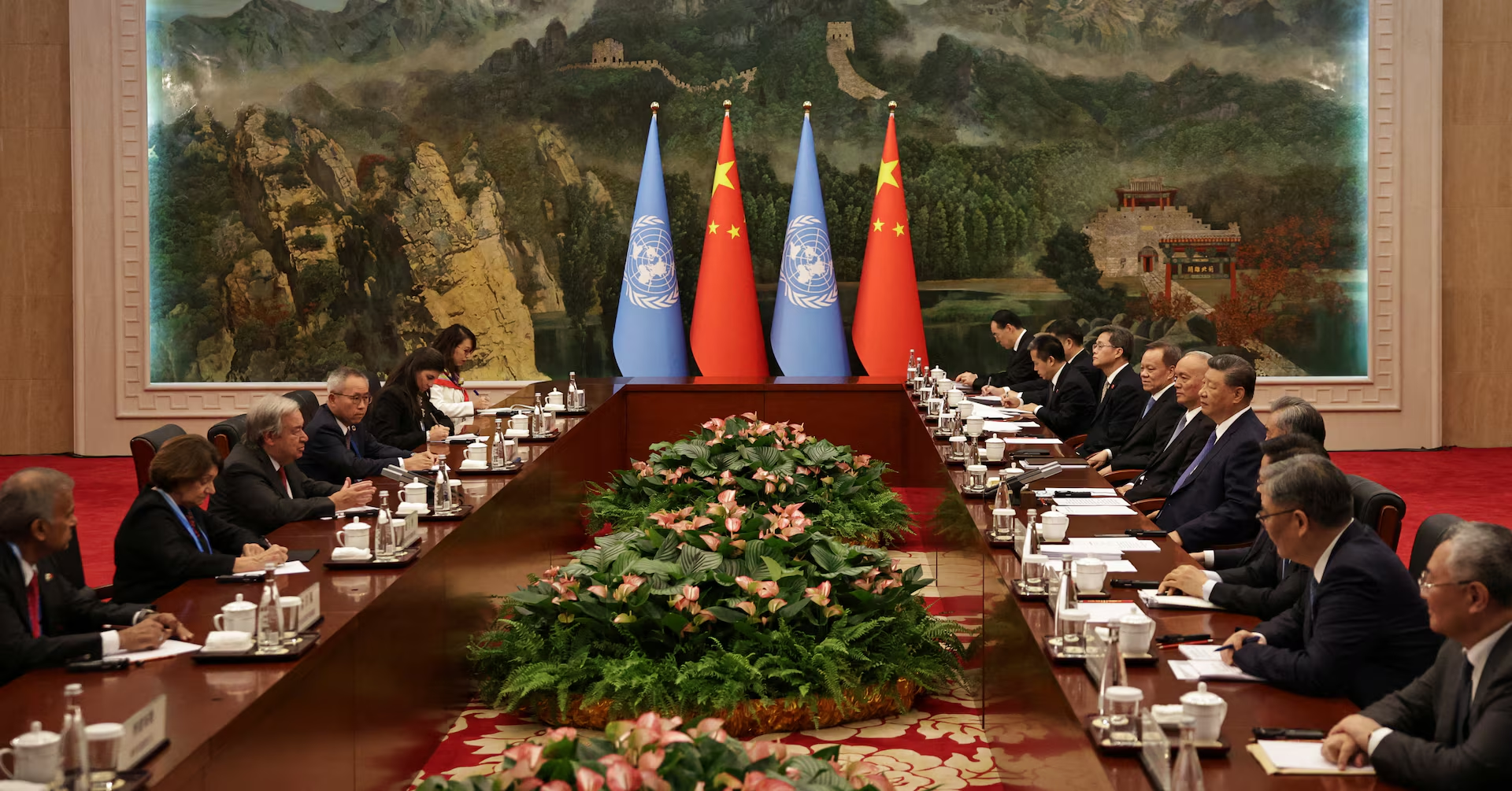
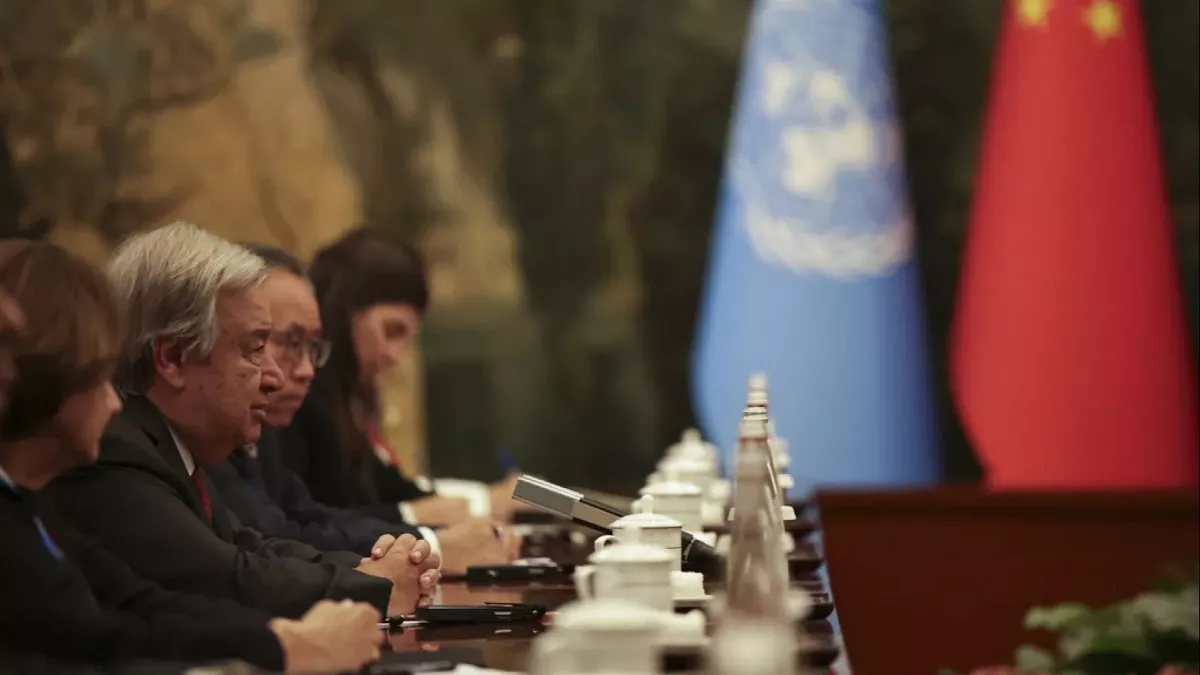
UN Secretary-General Antonio Guterres emphasized the importance of China's support for multilateralism during a meeting with President Xi Jinping in Tianjin, highlighting China's role as a key pillar in the global system amid challenges to multilateral efforts.
At the SCO Summit 2025 in Tianjin, UN Secretary-General Antonio Guterres emphasized China's crucial role in supporting multilateralism, praising Beijing's contributions amid global challenges, while Xi Jinping reaffirmed China's commitment to deepening cooperation with the UN. The summit, attended by major Asian and Middle Eastern leaders, marks a significant geopolitical event amid shifts in international alliances and regional developments.
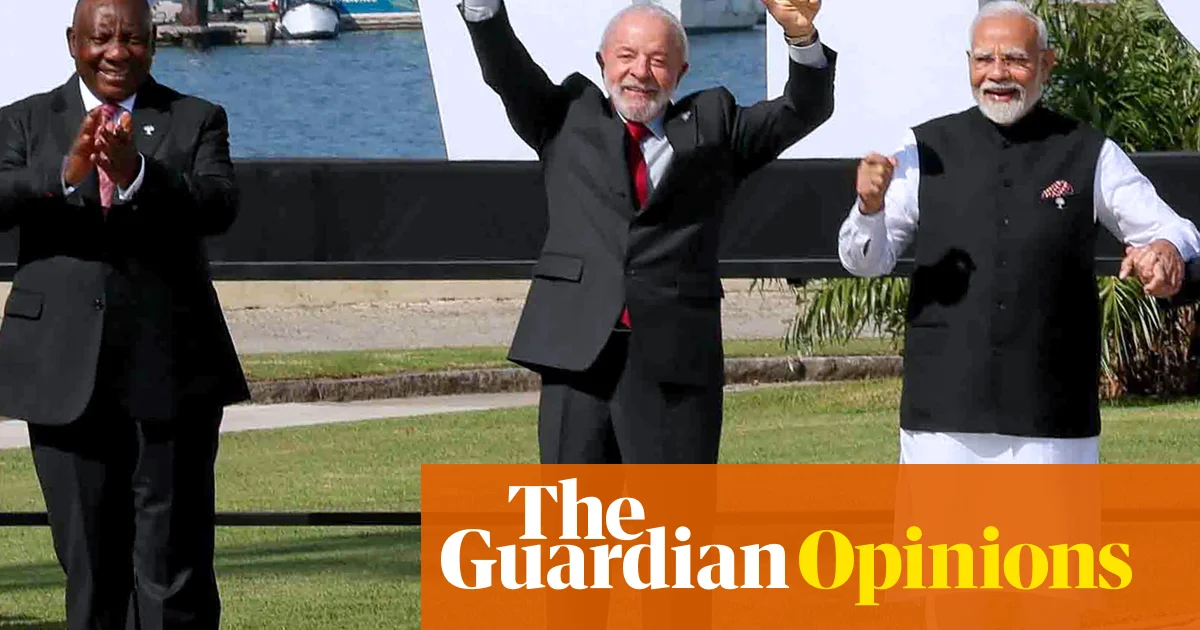
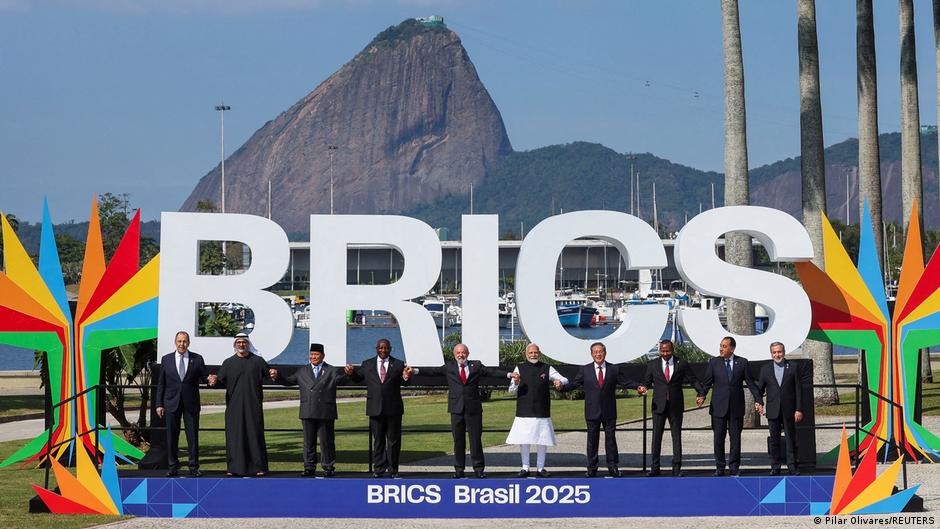
The Brics summit in Brazil aims to strengthen collective action among emerging economies to address global issues like climate change and geopolitical tensions, amidst internal divisions and challenges to multilateralism, with a focus on reforming global governance and supporting climate finance for the global south.
BRICS leaders met in Rio de Janeiro to reaffirm their commitment to multilateral diplomacy, criticize US tariffs, and discuss global issues, with notable absences from Xi Jinping and Vladimir Putin. The bloc condemned US tariffs and emphasized the need for a multipolar world, while also addressing regional conflicts and terrorism.
During a UN Security Council meeting led by Russia, U.S. and allied diplomats condemned Russia's invasion of Ukraine and accused it of hypocrisy for promoting global cooperation while violating international norms. Russia's Foreign Minister Sergey Lavrov criticized the U.S. and NATO, claiming they undermine global order and security. The meeting highlighted deep divisions over the conflict in Ukraine and broader geopolitical tensions.
Russian Foreign Minister Sergei Lavrov accused the U.S. of undermining multilateralism and demanding "unquestioning obedience" from allies, which the U.S. dismissed as "whining" during a U.N. Security Council meeting. The U.S. and U.K. criticized Russia for its actions in Ukraine, while China's U.N. Ambassador questioned the legitimacy of a rules-based international order.
The COP28 president-designate, Dr Sultan Al Jaber, praised India for its energy transition vision and emphasized the need for a "new paradigm" in climate finance to ensure low carbon development across the global south. He highlighted the UAE's commitment to renewable energy and thanked India for its leadership in delivering the G20 Delhi Declaration. Al Jaber called for the fulfillment of climate finance pledges, the transformation of international financial institutions, and a focus on adaptation alongside mitigation. He expressed optimism that the upcoming COP28 would demonstrate the effectiveness of multilateralism and urged for unity and positive climate action.
The Under-Secretary-General for Humanitarian Affairs and Emergency Relief Coordinator, Martin Griffiths, addressed the International Humanitarian Conference for the Civilian Population in Gaza, expressing gratitude to President Macron for convening the conference and highlighting the severe humanitarian situation in Gaza. Griffiths emphasized the need for respect for international humanitarian law and human dignity, access to essential supplies and humanitarian relief, and a humanitarian ceasefire. He warned of the escalating conflict and its potential regional and global impacts, urging multilateral and diplomatic efforts to protect civilians and secure the release of hostages. Griffiths praised UNRWA and humanitarian colleagues for their courageous work on the ground in Gaza.